
Solbakken Defends Decision to Rest Haaland and Ødegaard in France Loss
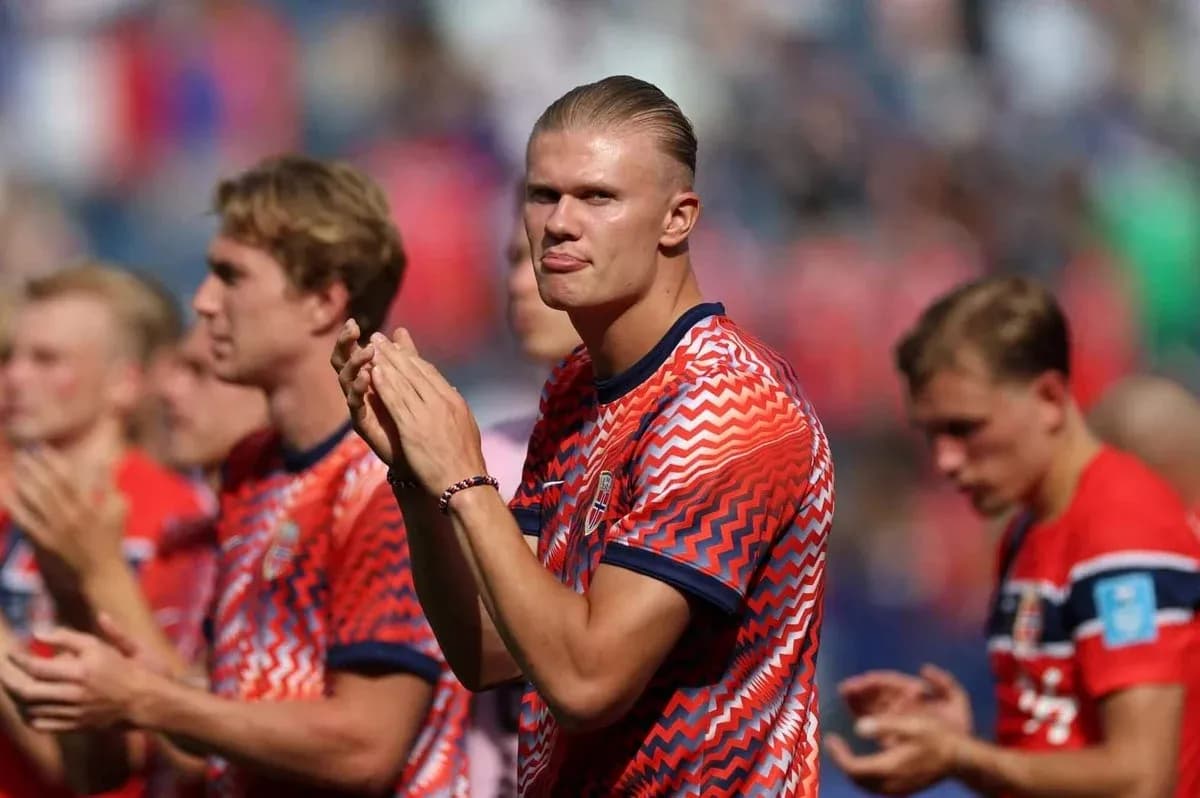
Stale Solbakken walked into the mixed zone in Boston with a 4–1 defeat on the board, Erling Haaland and Martin Ødegaard unused on the bench, and a clear message: this was the plan.
For Norway’s head coach, rotating heavily against France was not a gamble. It was, in his words, a “no-brainer”.
He had ripped up the XI that edged Senegal 3–2, making 10 changes and effectively sending out a second string against one of the tournament favourites. Top spot in the group was still up for grabs, along with a potentially smoother path via Sweden instead of Ivory Coast. He left it there. The bigger picture, he insisted, sat elsewhere.
“This is simple,” Solbakken said, explaining the call with the calm of a man who had already run through every scenario. The data, and his own eyes, had spooked him after the Senegal win.
Five or six players were “very affected”, he revealed. After 80 minutes in that game, the entire back line and one or two midfielders were struggling with muscle issues. Cramp, fatigue, warning signs everywhere. And then came the schedule.
Norway’s turnaround from Senegal to France was the shortest in the group. Limited recovery, heavy travel, high stakes. Solbakken looked at the numbers, listened to the medical staff, and chose Tuesday’s round of 32 over a glamour night in Boston.
“We know that from this match to Senegal, Norway has the shortest window before another match,” he said. “It could have been that we were able to play a decent match today but we want to win. Bear in mind we might not have won, what about the next game then?”
The medical team even backed up the visual evidence with urine tests, feeding the results straight to the coach. The message was clear enough that he didn’t agonise over it.
“It was a no-brainer. Both on my part and the physio and medical team — and from some players themselves. They all said it would be difficult for them and to be able to train. The samples were taken by the medical team and they were fed back to me. It was not a decision that took a long time to arrive at.”
No Haaland–Mbappé, no apology
The decision came at a cost that had nothing to do with the scoreline.
Thousands of Norwegian fans had travelled to Boston dreaming of a heavyweight duel: Haaland against Kylian Mbappé, two of the sport’s defining forwards on the same pitch, the kind of night that lives on in phone videos and stories told years later.
They never got it. Haaland stayed seated. Ødegaard too. The marquee names never warmed up, let alone crossed the white line.
Solbakken understood the disappointment but refused to let sentiment steer him.
“The support has been very good and they want to see Erling and Martin so that is the only reason you can feel something about the way we lined up today,” he said. “But hopefully because of that we can give them some good summer nights in the weeks ahead.”
That line summed up his stance. Entertainment now, or endurance later. Norway, he argued, have moved past the stage of simply being happy to be here.
“I feel this consideration but we have given them a couple of victories and the opportunity to watch more games. That is what we are here to do. We don’t need to be the naive country who just play for fun. We are here to proceed as long as we can and I have to make the decisions to do that.
“I wouldn’t want to sit on the plane back knowing we didn’t do our best to go as far as possible. It was an easy decision. Not even up for discussion.”
France take first, Norway take the long road
On the other side, France quietly pocketed the reward Norway had chosen not to chase.
Assistant coach Guy Stephan underlined how important first place was to them. Not just for pride, but for logistics. Finishing top means a short 45‑minute hop to New York. Norway, bumped into second, now face a far longer trip — around four hours to Dallas — and a different opponent: Ivory Coast, who beat Curaçao on Thursday to book their place.
That’s the route Norway have chosen: extra travel, a tricky knockout tie, and only three days to recover before Tuesday’s round of 32. Some will see that as a gift to Ivory Coast. Solbakken doesn’t.
“Not now because we did what we did today,” he said, pointing back to the rotation and the rest banked by his stars.
The staff had factored everything in: the tight turnaround, the train journeys, the hotel changes, the lost rest day. All of it fed into the decision to protect legs against France and roll the dice later.
The contingency that never came
There was, though, one small caveat. Haaland and Ødegaard were not completely off limits. Solbakken had drawn a late red line for when they might be used.
“It would have had to be after the last hydration break,” he said. Only if a specific scenario arose — one in which Norway could still realistically “reach our goal” — would he have turned to his two leaders.
That moment never arrived. France pulled away, Norway stayed committed to the plan, and the night ended with a heavy defeat and a fresh debate.
Was this smart tournament management or a wasted chance at a softer route?
Solbakken has nailed his colours to the mast. The answer will not come in Boston. It will come in Dallas, with rested legs, a knockout tie against Ivory Coast, and absolutely no hiding place.
Related News
Anthony Joshua Names Murat Gassiev as Next Opponent if He Defeats Tyson Fury
UFC 332: Start Time and Fight Highlights for Natalia Silva vs. Wang Cong
Court McGee Opens Up About Choosing UFC 332 as His Final MMA Fight
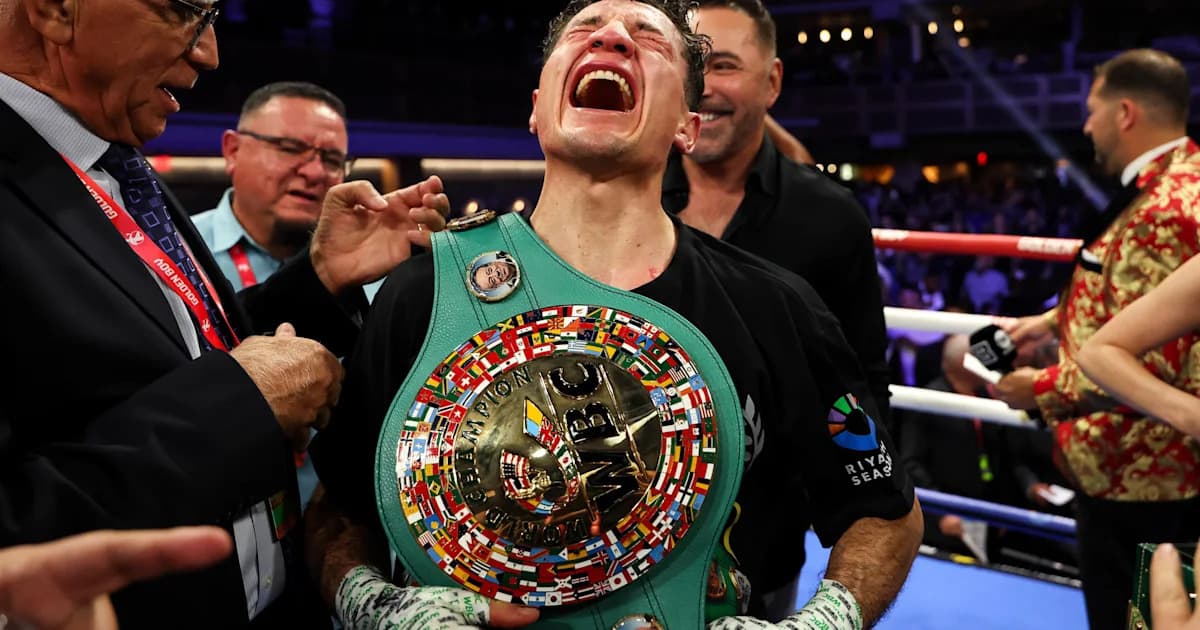
WBC Orders Lightweight Title Unification: William Zepeda vs Jadier Herrera

BCCI Pension List: Monthly Payments to Retired Indian Cricketers in 2025

Why Fury vs Joshua Is Set for Cardiff, and Dua Lipa’s Unexpected Role