
Spain Crowned World Champions After Extra Time Victory Over Argentina
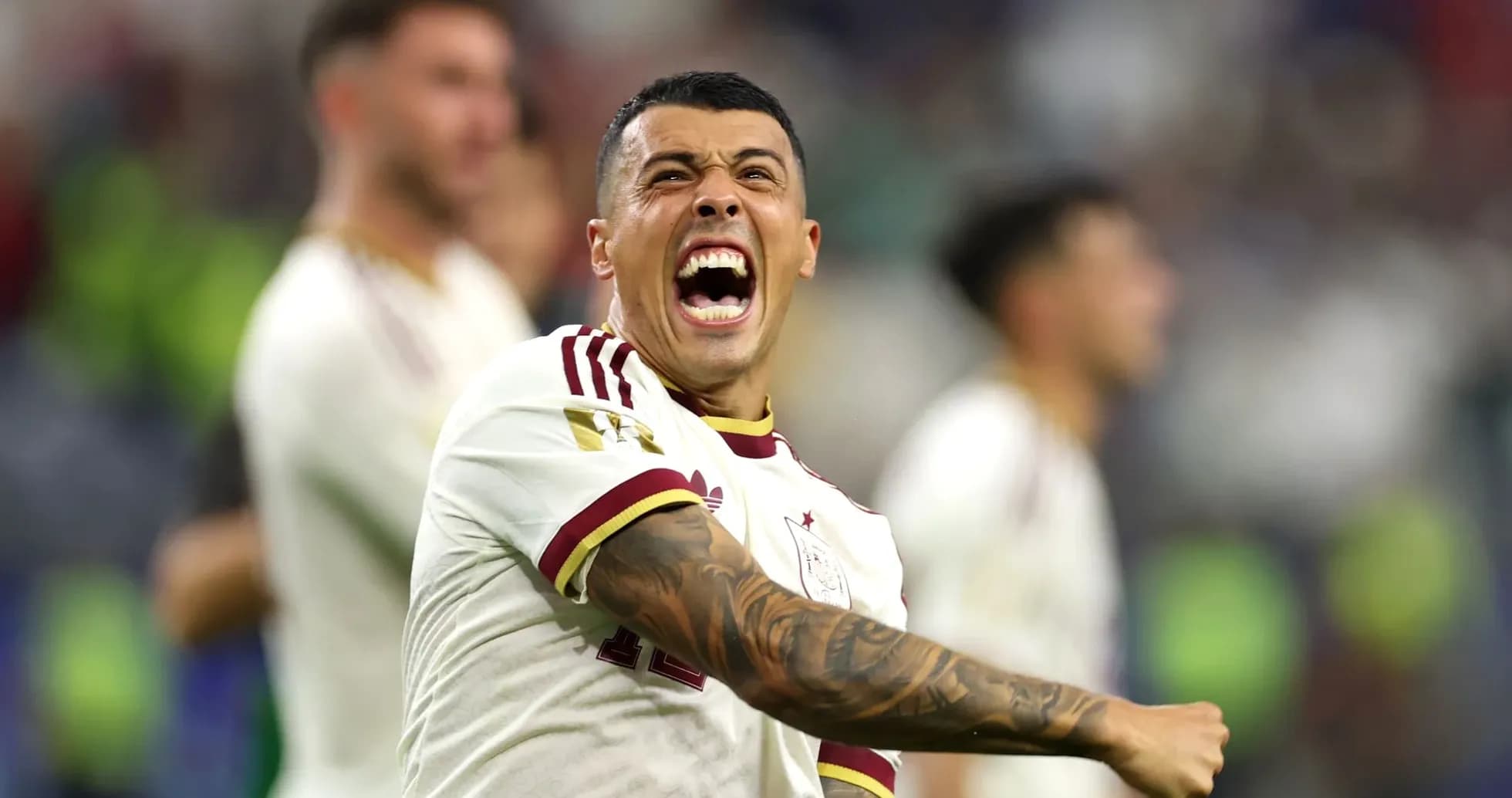
Spain 1-0 Argentina (after extra time) at MetLife Stadium crowns Spain as world champions, with Ferrán Torres’ extra-time winner sealing the World Cup Final. Spain add three points to finish their campaign on 10 points with a new goal tally of 6-0 and a goal difference of +6, while Argentina remain on 9 points, now 8-2 with a goal difference of +6, falling just short despite their perfect run through the group and knockouts.
Match Report
The final unfolded as a tense, attritional contest, with discipline and substitutions shaping the pattern long before the decisive goal in extra time.
At 41' Argentina collected their first booking: 41' Lisandro Martínez (Argentina) — yellow card (Foul), a sign of the strain Spain’s possession game was exerting on the Albiceleste back line.
Three minutes later, Lionel Scaloni made an early defensive adjustment: 44' Nicolás Otamendi replaced Lisandro Martínez (Argentina), the booked centre-back withdrawn before the interval to avoid further risk.
On the stroke of half-time, Argentina altered their left side: 45' Leandro Paredes replaced Nicolás Iván González (Argentina), adding a deeper midfield profile to help them cope without the ball.
Soon after the restart, Argentina’s growing frustration surfaced again: 52' Leandro Paredes (Argentina) — yellow card (Argument), reflecting the increasing pressure Spain’s control was placing on Argentina’s midfield.
Scaloni then refreshed his right flank: 58' Nahuel Molina replaced Gonzalo Montiel (Argentina), seeking more energy and outlet on the overlap.
Spain’s first changes came on 62', aimed at adding penetration in the final third: 62' Ferrán Torres replaced Mikel Oyarzabal (Spain), and 62' Pedri replaced Fabián Ruiz (Spain), injecting pace and line-breaking passing into Luis de la Fuente’s attack.
Argentina responded with a double switch on 70' to stabilise a tiring defence and midfield: 70' Facundo Medina replaced Cristian Romero (Argentina), and 70' Giuliano Simeone Baldini replaced Rodrigo De Paul (Argentina), with fresh legs introduced to cope with Spain’s sustained possession.
Spain continued to rotate their attacking midfielders on 75': 75' Nico Williams replaced Alejandro Baena Rodríguez (Spain), and 75' Mikel Merino replaced Daniel Olmo Carvajal (Spain), further increasing dynamism between the lines and out wide.
Argentina’s discipline issues persisted in the closing stages of normal time: 82' Enzo Fernández (Argentina) — yellow card (Dissent), as Spain’s territorial dominance forced them deeper and more reactive.
Deep into stoppage time of the second half, the tension spiked again: 90+2' Cristian Romero (Argentina) — yellow card (Dissent), another caution reflecting Argentina’s frustration at their inability to progress the ball.
Into extra time, Spain freshened the spine to maintain control: 99' Martín Zubimendi replaced Rodrigo Hernandez Cascante (Spain), and 99' Eric García replaced Aymeric Laporte (Spain), ensuring energy and concentration at the base of midfield and in central defence.
Argentina made another change on 102', this time in attack: 102' Marcos Senesi replaced Julián Álvarez (Argentina), a surprising defensive-leaning switch that further tilted the game towards a low-block, survival approach.
The touchline tension then boiled over: 104' Lionel Sebastián Scaloni (Argentina) — yellow card (Dissent), the head coach booked as Argentina protested decisions while pinned in their own half.
The decisive moment arrived early in the second half of extra time: 106' Spain goal — Ferrán Torres (assisted by Nico Williams). Williams attacked from the flank and provided the telling ball for Torres, whose composed finish finally broke through Argentina’s resistance and made it 1-0 to Spain after a prolonged siege.
Argentina’s final caution came as they chased an equaliser: 111' Alexis Mac Allister (Argentina) — yellow card (Foul), another desperate intervention as Spain managed the closing minutes and protected their narrow advantage to the final whistle.
Fixture Statistics & Tactical Audit
- xG: not provided vs not provided
- Possession: 65% (Spain) vs 35% (Argentina)
- Shots on Target: 12 (Spain) vs 0 (Argentina)
- Goalkeeper Saves: 0 (Spain) vs 11 (Argentina)
- Blocked Shots: 3 (Spain) vs 1 (Argentina)
The statistical profile underlines how comprehensively Spain controlled the final. With 65% possession, 20 total shots and 12 on target, they systematically pinned Argentina back and forced Emiliano Martínez into 11 saves, while Unai Simón did not face a single shot on target. Spain’s attack was clinical (12 shots on goal to 0) in terms of consistently working the goalkeeper, even if the breakthrough came late, and their structure in possession denied Argentina transitions or sustained spells in the Spanish half. Argentina’s plan increasingly became a deep defensive block and reliance on isolated counters, but with only 2 total shots and none on target, they never generated the volume or quality required to justify anything more than a narrow defeat.
Standings Update & Seasonal Impact
Spain, who entered the knockout phase from Group H on 7 points with 5 goals scored and none conceded, close their World Cup campaign on 10 points, 6 goals for and 0 against, with a new goal difference of +6. Already progressing as group winners into the Round of 32, they have now converted that platform into the ultimate prize, pairing an unbreached defence with a possession-heavy style that has carried them all the way to the trophy.
Argentina, perfect in Group J with 9 points, 8 goals scored and 1 conceded, finish the tournament still on 9 points overall, now with 8 goals for and 2 against and a goal difference of +6. Also entering the knockouts from a Round of 32 position, they navigated the bracket to reach the final but, in this decisive match, their attacking output collapsed under Spain’s control, leaving them a single goal short of retaining their world crown despite an otherwise dominant campaign.
Lineups & Personnel
Spain Starting XI
- GK: Unai Simón
- DF: Pedro Porro, Pau Cubarsí Paredes, Aymeric Laporte, Marc Cucurella
- MF: Rodri, Dani Olmo, Fabián Ruiz, Álex Baena
- FW: Lamine Yamal, Mikel Oyarzabal
Argentina Starting XI
- GK: E. Martínez
- DF: G. Montiel, C. Romero, Lisandro Martínez, N. Tagliafico
- MF: R. De Paul, E. Fernández, A. Mac Allister
- FW: N. González, L. Messi, J. Álvarez
Post-Match Verdict
Spain’s triumph was built on a dominant structure in and out of possession (65% possession, 20 shots, 12 on target, 0 shots on target conceded). Their midfield rotations and wide overloads relentlessly stretched Argentina, and the depth from the bench — particularly Ferrán Torres and Nico Williams, who combined for the winning goal — allowed them to sustain tempo deep into extra time. Defensively, Spain were near-perfect, limiting Argentina to just 2 attempts and none on goal, a reflection of coordinated pressing and secure rest defence.
For Argentina, this was a defensive rearguard that eventually buckled under volume rather than clear individual errors. While Emiliano Martínez’s 11 saves showcased resilience, the team’s attacking performance was blunt (0 shots on target, only 35% possession), with repeated bookings for dissent and fouls (5 yellow cards) highlighting a side increasingly reacting to Spain’s initiative rather than imposing their own. In a final defined by control versus counter, Spain’s territorial and statistical dominance made the 1-0 scoreline, if anything, a conservative reflection of their superiority over 120 minutes.
Related News
Estevao Opens Up on World Cup Heartbreak and His Unexpected Return to Brazil Under Ancelotti

Thomas Tuchel Shares Unusual Regret After England's 10-Man World Cup Victory Over Mexico
South Korea Names Robert Moreno as Interim Coach After World Cup Exit

Jude Bellingham Returns to Form at Real Madrid Following World Cup Success

Chloe Kelly, Beth Mead and 13 Lionesses Target Big WSL Seasons Ahead of England's 2027 World Cup Campaign
Barcelona Cancels World Cup Tribute for Spain Stars Amid Political Tensions