
Tacoma Defiance Triumphs Over Ventura County in MLS Next Pro Clash

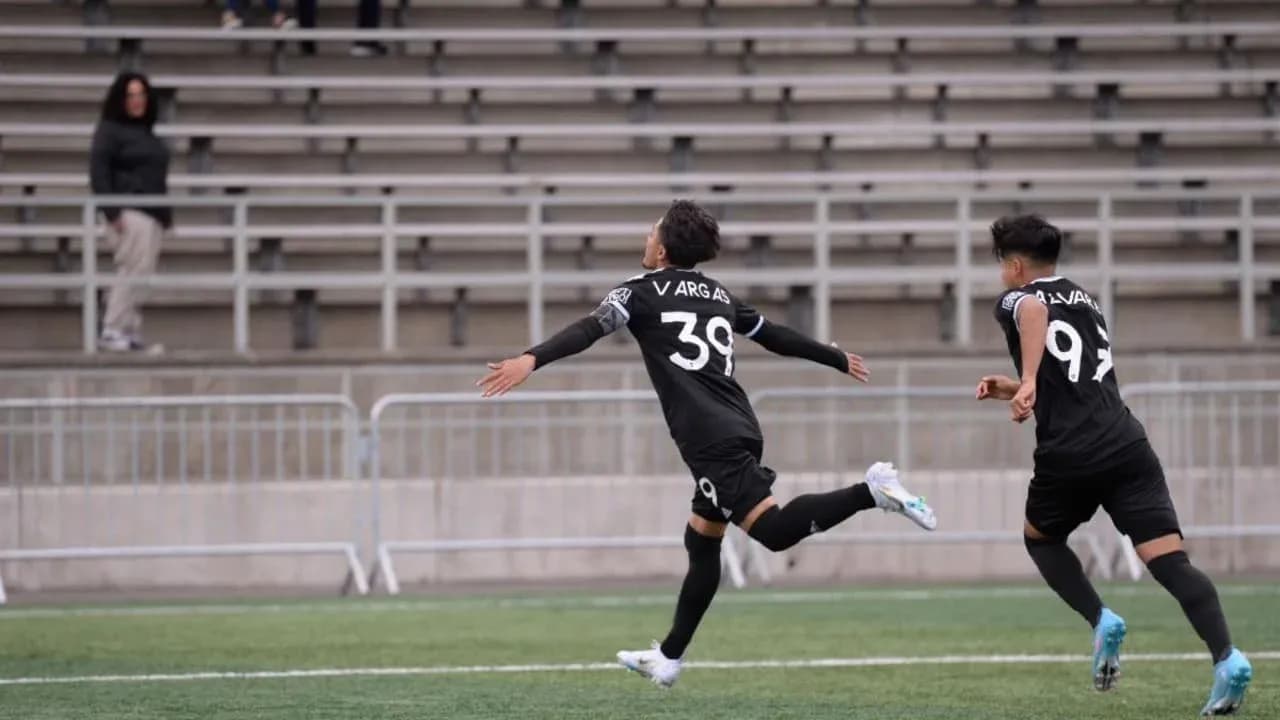
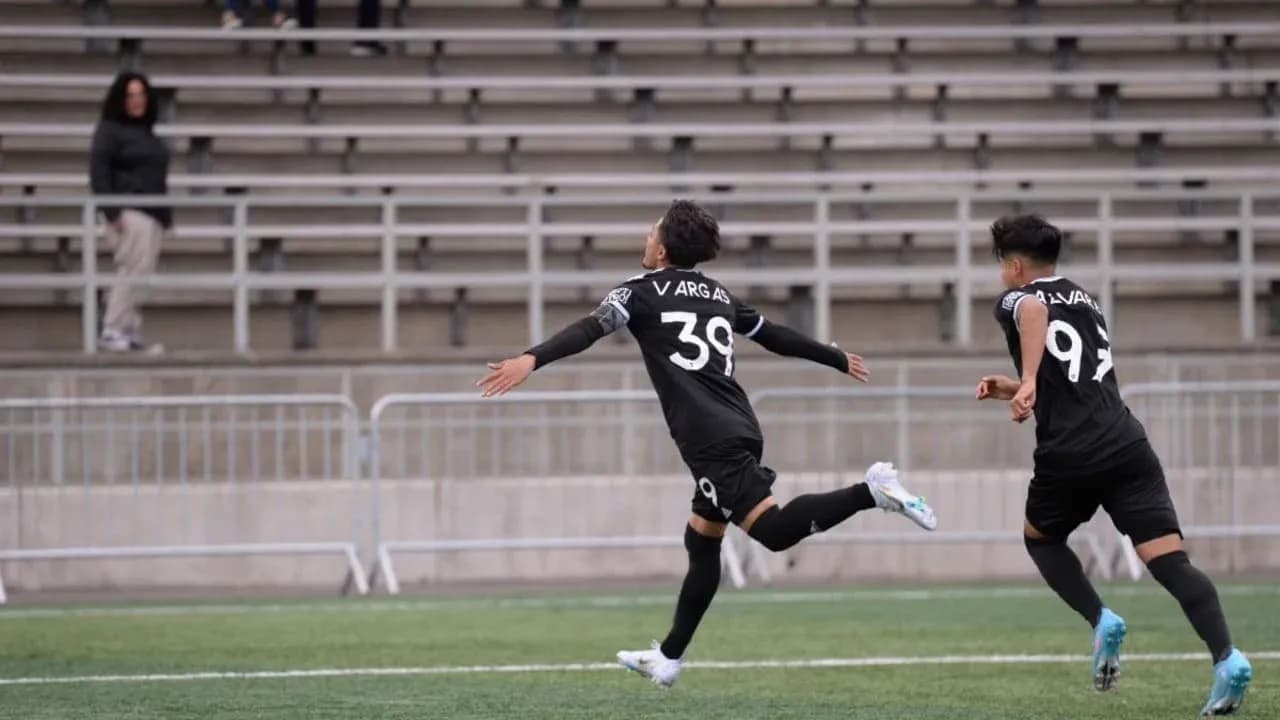
Under the cool lights of Starfire Sports, this Group Stage meeting in MLS Next Pro felt like a clash of footballing identities more than a simple 1–0 to Tacoma Defiance over Ventura County. The table said one thing, the pitch another. Heading into this game, Ventura County sat higher in the Pacific Division, 4th with 19 points and a slender overall goal difference of 1, while Tacoma were 6th on 14 points and a goal difference of -5. Yet over 90 minutes, Tacoma bent the narrative back in their favour with a performance built on compact structure, opportunistic attacking and a refusal to break under pressure.
The campaign context had framed Ventura County as the more explosive side. Overall, they had scored 24 goals from 13 matches, with an away average of 1.8 goals per game on their travels and 1.4 goals conceded away. Tacoma, by contrast, had been more modest: 15 goals in total this season, with 1.3 goals per game at home and 1.1 conceded at Starfire. But Tacoma’s home record also carried a quieter truth: they had managed 2 clean sheets at home and 3 in total, suggesting that when they get their defensive spacing right, they can shut games down.
That is exactly what unfolded here.
Without official formations listed, the lineups still told a clear story. Tacoma’s XI suggested a spine-first approach. M. Anchor, wearing 50, set the tone from the back as the defensive reference point, flanked by the likes of R. Sailor and G. Sandnes. In front of them, the blend of M. O’Neill, X. Gnaulati and C. Gaffney hinted at a midfield designed to compress central zones and spring forward when Ventura County overcommitted. The attacking thrust came from the mobility of R. Jauregui, E. Carli and the direct running of Y. Tsukanome.
Ventura County’s lineup, meanwhile, was packed with technical profiles. S. Conlon and M. Vanney anchored the back line, with S. Hernandez and E. Martinez offering outlets to step into midfield. In the central band, G. Arnold and Pepe provided the connective tissue between defence and attack, while I. Luna and V. Garcia looked primed to attack half-spaces. Up front, E. Preston and J. Placias offered movement across the line, ideal for a team that had failed to score in only 1 away match all season.
The tactical voids in this fixture were less about missing names and more about systemic vulnerabilities. Tacoma’s season-long weakness had been away defending, conceding 2.2 goals per game on their travels, but at home they were far more controlled. Ventura County, conversely, carried a defensive fragility that never fully disappears: 21 goals conceded overall, with 2.0 per game at home and 1.4 away, and only 4 clean sheets in total. In a tight match like this, the first mistake was always likely to be fatal.
Discipline was another undercurrent. Tacoma’s season card profile shows a clear spike in yellow cards between 46–60 minutes, with 31.25% of their cautions arriving in that window, and another 25.00% between 31–45. Ventura County, on the other hand, live on the edge late: 33.33% of their yellows arrive from 61–75 minutes and another 33.33% from 76–90. That pattern matched the script here: Tacoma’s aggression immediately after half-time disrupted Ventura’s rhythm, and as the game stretched into its final quarter, Ventura’s increasing desperation played right into Tacoma’s hands, inviting transitions and time-wasting fouls rather than clean, composed attacks.
The “Hunter vs Shield” duel in this one was less about a single star striker and more about unit versus unit. Ventura County’s attack, averaging 1.8 goals per game away, came up against Tacoma’s home defence conceding just 1.1 per match. Over 90 minutes, the Shield won. Anchor, Sailor and Sandnes formed a tight triangle that limited central entries, forcing Ventura County to play around the block rather than through it. Without clear minute-by-minute xG data, the pattern was still evident in the flow: Ventura carried more of the initiative, but their final actions were repeatedly smothered before they could turn territory into high-quality chances.
In the “Engine Room”, Tacoma’s trio of O’Neill, Gnaulati and Gaffney were crucial. They controlled second balls, slowed the tempo when necessary, and broke Ventura’s passing chains. Gnaulati in particular looked like the pivot between defence and attack, often the first pass after a regain, while Gaffney’s work without the ball disrupted Ventura’s attempts to build through Arnold and Pepe. Ventura’s midfield, used to driving games with vertical passing and quick combinations, found themselves funneled wide and into less threatening zones.
On the flanks and in transition, players like Tsukanome and Jauregui gave Tacoma their cutting edge. Ventura County’s away defensive numbers — 11 goals conceded in 8 games — suggest they are vulnerable when forced to defend large spaces behind an advanced line. Tacoma exploited that, timing runs into those gaps and turning half-cleared balls into dangerous moments. The lone goal, arriving in a match where margins were thin, was a logical product of that dynamic: compact defending, a quick release into space, and a decisive finish.
Following this result, the statistical prognosis for both sides sharpens. Tacoma’s overall scoring rate of 1.3 per game and their home defensive average of 1.1 conceded point to a team that, when disciplined, can grind out narrow wins against even higher-ranked opponents. Their penalty record — 1 taken, 1 scored, 100.00% — underscores their composure in key moments, even if spot-kicks did not feature here.
For Ventura County, the loss is a reminder that their attacking firepower — 24 goals overall, 14 on their travels — is not always enough to compensate for structural looseness. Their clean-sheet count of 4 in total, including 3 away, shows they can be solid, but only when their pressing and rest defence are perfectly aligned. In matches where the opponent refuses to open up, their tendency to accumulate late yellow cards and chase the game can become a tactical liability.
In narrative terms, this 1–0 at Starfire Sports was a statement from Tacoma Defiance: a mid-table side with negative goal difference proving they can out-think and out-fight a promotion-chasing Ventura County over 90 minutes. The numbers suggested Ventura should carry the attacking threat; the reality was that Tacoma’s structure, discipline and timing turned those probabilities on their head.
Related News

MLS Winners and Losers: Cavan Sullivan’s USMNT Rise, St. Louis City SC’s Smart Moves, and Chicago Fire’s Hugo Cuypers Gap

MLS Winners and Losers: Portland Timbers' Historic Hat-Trick, Josh Sargent Shines, and Cavan Sullivan's Rising Star
Tacoma Defiance Injury List: Players Out and Return Dates vs Colorado Rapids II

Carolina Core injury list: Players out, potential return dates
Tacoma Defiance vs Colorado Rapids II Predicted Lineups and Team News

Orlando City II vs Huntsville City Predicted Lineups and Team News