
Uruguay Crash Out Amid Chaos as Spain Advance Unbeaten
Uruguay arrived with pedigree and expectation. They leave with rancour, recriminations and their worst World Cup group-stage campaign in recent memory.
Two-time champions, the highest-ranked side to fall at the first hurdle, Marcelo Bielsa’s team bowed out with a 1-0 defeat to Spain that felt as bleak as their entire tournament. Draws against Cape Verde and Saudi Arabia had already left them on the brink; what followed only deepened the sense of a project unravelling.
Revolt, Errors and a Red Card: Uruguay Unravel
The tension had been building long before kick-off in Guadalajara. Reports of a revolt in the Uruguay camp, with senior figures – including Real Madrid’s Federico Valverde – clashing with Bielsa over his tactical approach, framed this as a decisive night for both coach and squad. It ended with neither looking vindicated.
Fernando Muslera, a hero of the 2010 semi-final run, carried the scars of a difficult tournament into this game. He had already been blamed for both Cape Verde goals in a 2-2 draw. Here, at 40, he suffered another moment to forget.
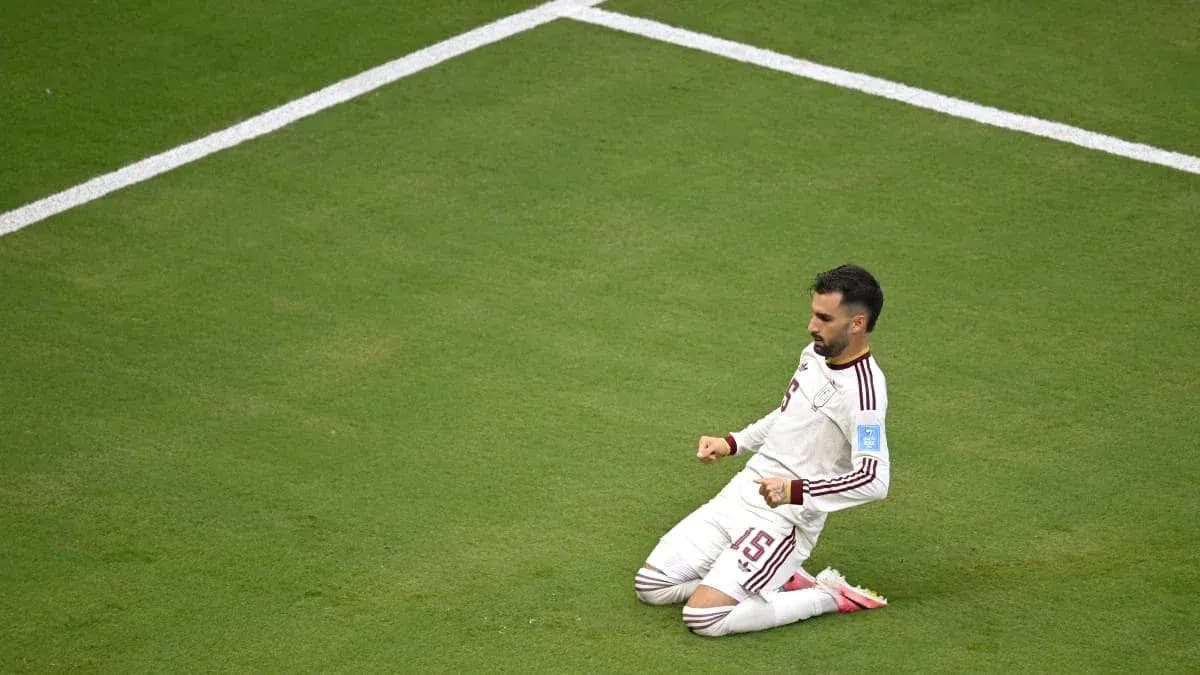
Spain had offered almost nothing for 42 minutes. The game drifted, cagey and flat, the atmosphere more subdued than the presence of Spain’s King Felipe in the stands might have suggested. Then Muslera’s nightmare returned. Marcos Llorente swung in a cross from the right, Alex Baena met it, and his tame effort somehow squirmed through the veteran goalkeeper and dribbled over the line.
A soft goal. A brutal consequence.
To make matters worse for Uruguay, the move that led to Baena’s strike also brought a potentially serious blow. Manchester United midfielder Manuel Ugarte went down in the build-up, clutching his knee, and had to be stretchered off. One goal conceded, one key player lost, and a campaign already on the brink tilted towards collapse.
Bielsa reacted at half-time, hauling off Muslera for Sergio Rochet. On the hour, he went further, substituting Valverde, the symbol of both Uruguay’s modern generation and the reported internal dispute. It was a bold call. It also felt like the final admission that nothing in this tournament had gone to plan.
The closing act was ugly. Deep into stoppage time, Agustin Canobbio lunged wildly at Pau Cubarsi and was shown a straight red card. One last flash of frustration to frame a miserable exit.
Spain Win, But Questions Linger
On the other side, Spain keep marching without ever quite breaking into a sprint.
La Roja came into the tournament hyped as one of the favourites, and the numbers are on their side: 34 competitive games unbeaten, no goals conceded so far at this World Cup. Yet the performance here, like their goalless opener against Cape Verde, did little to stir the imagination.
Lamine Yamal’s return to the starting XI had electrified Spain in their 4-0 demolition of Saudi Arabia. His presence again hinted at danger, but this was a different kind of night. Uruguay sat deep, Spain probed without conviction, and the game drifted until Muslera’s error broke it open.
Luis de la Fuente tried to shake his side awake after the break. Dani Olmo and Fabian Ruiz came off the bench and finally injected some urgency and rhythm into Spain’s play. The tempo lifted, the combinations sharpened, and chances began to appear.
Olmo squandered the best of them, lifting a shot over the bar after a brilliant piece of work from Yamal, who twisted free and picked out his Barcelona team-mate. It should have killed the contest. It didn’t.
Yamal, still being carefully managed after the hamstring injury that cut short his club season, departed 15 minutes from time. His replacement, Ferran Torres, should have added the cushion five minutes from the end but crashed his effort against the bar with only the goalkeeper to beat.
Spain saw it out, professional rather than persuasive. The clean sheet stayed intact. The unbeaten run stretched on. The doubts, though, remain.
While France, Argentina and the Netherlands have already produced passages of devastating attacking football, Spain continue to feel like a side winning on structure and control rather than spark. The foundation is solid; the threat, intermittent.
The knockout stages start on Sunday. De la Fuente has time to reflect, not much, but enough to know this: defensive perfection will not be enough on its own. At some point, if Spain truly intend to lift a second World Cup, the attack will have to match the numbers on the scoreboard with something that finally matches the noise around them.
Related News

Anthony Joshua Names Murat Gassiev as Next Opponent if He Defeats Tyson Fury

UFC 332: Start Time and Fight Highlights for Natalia Silva vs. Wang Cong
Court McGee Opens Up About Choosing UFC 332 as His Final MMA Fight
WBC Orders Lightweight Title Unification: William Zepeda vs Jadier Herrera
BCCI Pension List: Monthly Payments to Retired Indian Cricketers in 2025

Why Fury vs Joshua Is Set for Cardiff, and Dua Lipa’s Unexpected Role