
Uruguay's World Cup Journey Begins Under Bielsa in Miami
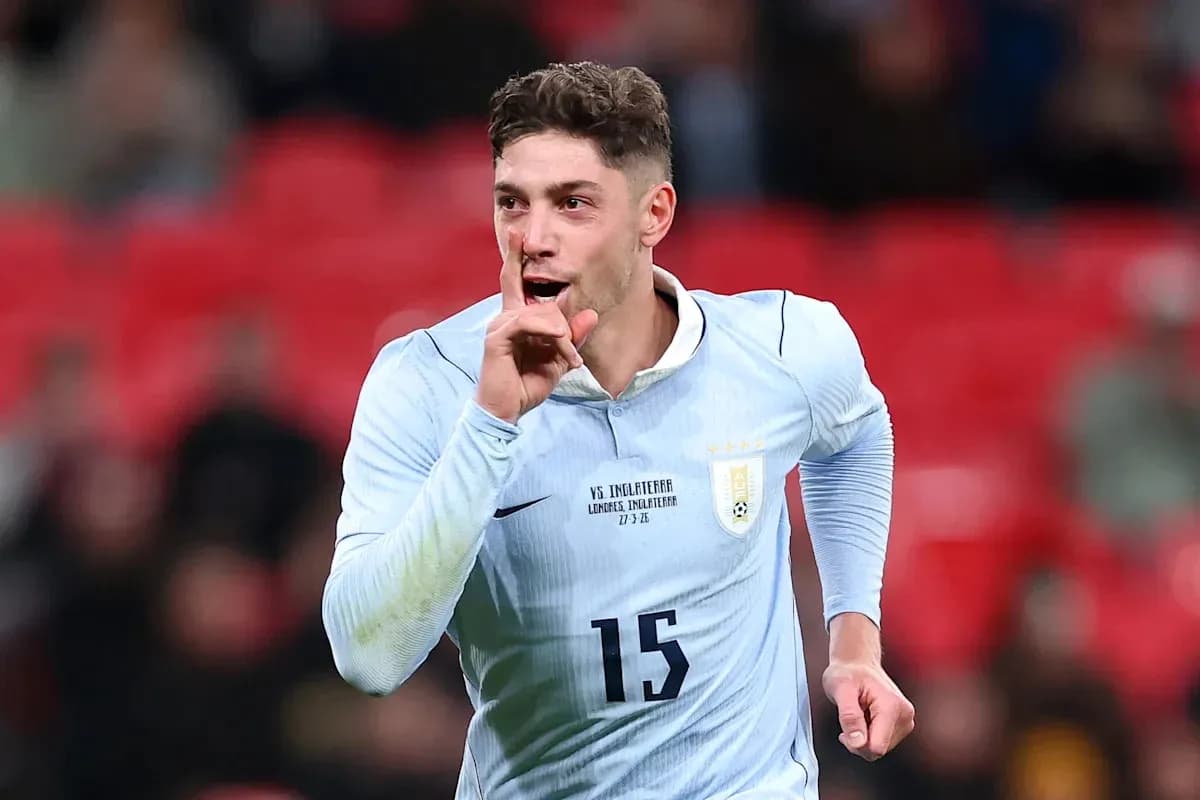
Uruguay arrive in Miami with a familiar weight on their shoulders and a very different way of carrying it.
La Celeste open their World Cup campaign against Saudi Arabia on Monday night, a Group H fixture that looks straightforward on paper but feels anything but inside Marcelo Bielsa’s relentless universe. He has rebuilt this team in his image: all running, all risk, all the time.
Bielsa’s intensity meets World Cup expectation
Since taking charge, Bielsa has ripped up Uruguay’s more conservative traditions and replaced them with a ferocious high press. His players chase, swarm, and suffocate. The system demands constant movement and absolute conviction. Anyone who drops below that physical standard gets left behind.
It worked in qualifying. Uruguay surged through South America with authority, two-time world champions playing like contenders again. They looked bold, aggressive, modern.
Then came the warning lights.
Recent warm-up games exposed a blunt edge in attack. Uruguay failed to score against Mexico. They failed to score against Algeria. Against the United States, they were torn apart in a 5-1 defeat that stripped away any illusion of invincibility. For a side built on intensity, they suddenly looked short of incision.
The absence of a guaranteed goalscorer lies at the heart of that concern. Edinson Cavani has stepped away from the international stage. Luis Suarez, for so long the face and fury of Uruguayan football, did not make the final squad. For the first time in over a decade, Uruguay enter a World Cup without one of their two great reference points in the box.
So the burden shifts.
Midfield muscle, attacking questions
If this team has a spine, it runs straight through the centre of the pitch. Federico Valverde stands as the unquestioned leader of the side. The Real Madrid midfielder brings everything: range of passing, energy, authority, and a right foot that can turn a tight game with one swing from distance. He will set the tempo, and likely the tone of Uruguay’s entire tournament.
Alongside him, Manuel Ugarte provides steel. He snaps into tackles, screens the defence, and gives Bielsa the platform to commit bodies forward. Rodrigo Bentancur, when fully involved, adds composure and class, knitting play together and making that central trio look genuinely world-class.
They will need to be.
Out wide, Maximiliano Araujo offers direct running and width, the kind of aggressive flank play that suits Bielsa’s demands. Up front, the focus lands squarely on Darwin Nunez. The striker leads the line against opponents he knows well from the Saudi Pro League, where he currently plays his club football. His movement, chaos, and willingness to attack space fit the system, but this tournament asks for something more ruthless: goals, and plenty of them.
Federico Vinas is expected to operate close to Nunez, adding another body in the final third and another target for the constant stream of forward passes and crosses. Uruguay will not lack territory or pressure. What they must find is a cutting edge.
Defensive crisis clouds a bold approach
For all the talk of pressing and attacking intent, Bielsa’s biggest headache sits at the back.
Ronald Araujo, one of the best defenders of his generation, is effectively ruled out with a stubborn calf injury. Jose Gimenez, his long-time partner in the heart of defence, remains a serious doubt with an ankle problem. Matias Vina is nursing a muscle issue that could also keep him sidelined.
Those are not minor absences. They rip experience and authority out of the defensive line.
Sebastian Caceres, recovering from a recent head knock, is the likeliest to step in. If cleared, he should start alongside Santiago Bueno, a pairing that carries promise but nowhere near the same pedigree as the established names. Giorgian de Arrascaeta also battles a calf complaint, another creative option whose status hovers in uncertainty.
Bielsa will not change his principles because of it. He rarely does. The line will stay high, the full-backs will push, and the risk will remain baked into every phase of play. But these injuries inject real jeopardy into what might otherwise have been a routine opener.
Predicted XI and the Miami stage
Even with the problems at the back, Uruguay’s likely lineup still looks imposing on paper:
Muslera; Varela, Caceres, Bueno, Olivera; Valverde, Ugarte, Bentancur, M Araujo; Vinas, Nunez.
It is a side built to dominate the ball, compress the pitch, and pin Saudi Arabia deep. The question is whether that dominance turns into the “dominant victory” Uruguay crave, or whether familiar attacking frustrations resurface under the bright lights of Miami.
Kick-off comes late: 23:00 BST on Monday, 15 June 2026. A prime-time stage in the United States, where the game will be shown live on Fox Sports, while viewers in the UK can watch on ITV1.
For Uruguay, this is more than a group opener. It is a first real test of the Bielsa project under World Cup pressure. The style is in place. The identity is clear. The injuries are real. The goals, for now, remain a question.
How long can a team built on intensity wait for its attack to catch fire?
Related News

UFC 332 Preview: Natalia Silva vs. Wang Cong Fight Card, Odds, Start Time, and Details
Andy Roddick Responds to Andre Agassi’s Comments on Alexander Zverev at the Laver Cup

Knicks Prepare for Flexible Roles in Title Defense

Rui Hachimura Swaps Lakers Fans to Clippers in Surprising Jersey Exchange

Who Will Be the NBA's Next First-Time All-Stars? Top Picks and Long Shots for 2027

How Strong Is Your Team at Home? Check Out the 2026 Brasileirão Home Standings