
Uruguay's World Cup Exit: Muslera's Agony and Bielsa's Future
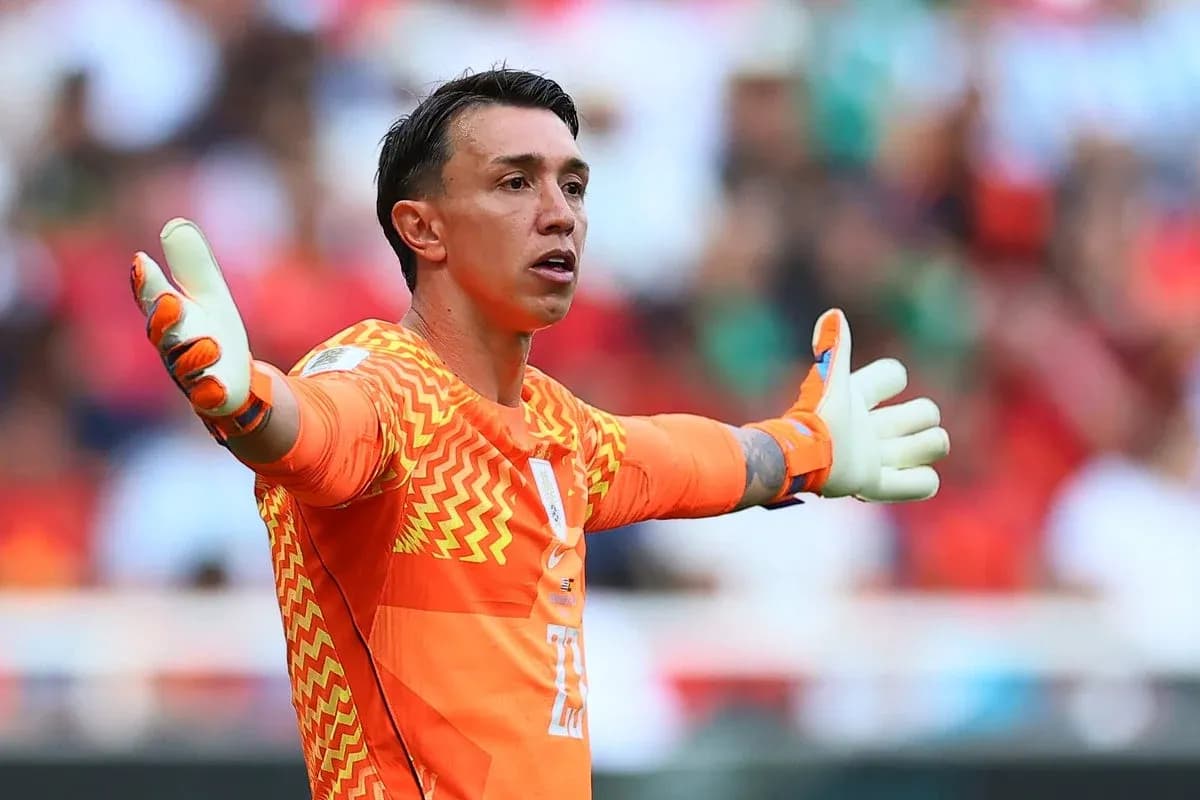
Uruguay’s 2026 World Cup campaign ended in silence and disbelief, a 1-0 defeat to Spain sealing their exit and leaving one of the nation’s modern greats walking down the tunnel at half-time, alone with his thoughts.
Fernando Muslera, the veteran Estudiantes goalkeeper, did not wait to be spared. He took himself off.
His tournament had already veered into nightmare territory. Against Spain, it slipped into the history books for all the wrong reasons.
A Costly Spill and an Unwanted Record
The decisive moment came with Alex Baena’s effort, a shot that should have been routine for a keeper of Muslera’s experience. Instead, it squirmed away from him, dribbling into the corner as he turned in fury, screaming at the air, at himself, at a World Cup that had turned on him.
That mistake made Muslera the first goalkeeper on record to commit three errors directly leading to goals in a single World Cup campaign since such data began in 1966. A brutal statistic, and one that will now follow him long after this tournament fades.
Uruguay still had 45 minutes to rescue their place in the competition. They needed only a draw to escape Group J, having already been held by Cabo Verde and Saudi Arabia. But when the team re-emerged for the second half, Muslera was gone.
Sergio Rochet stood in goal. Muslera, a mainstay for La Celeste across so many major tournaments, had removed himself from the stage.
Bielsa: “It Was Fernando”
Marcelo Bielsa, under intense scrutiny even before this defeat, cut a stark figure afterwards. He was quick to clarify that the decision to replace Muslera at the interval did not come from the bench.
“The Muslera change was not my decision, it was Fernando,” Bielsa told Uruguayan television.
In a few words, he underlined the depth of the goalkeeper’s anguish. This was not a tactical tweak. It was a veteran accepting that his World Cup had collapsed beyond repair.
Bielsa did not spare himself either.
“I couldn't boost the Uruguay players, I leave nothing to the country,” he admitted, a bleak assessment from a coach hired to inject intensity and identity into a new era for La Celeste. “With Valverde's departure I wanted more presence in the attack.”
The substitution of a goalkeeper at a World Cup is rare enough. For Uruguay, it was unprecedented in the modern era: the first time they had changed their keeper in a World Cup match since substitutions were introduced at Mexico 1970.
Valverde Sacrificed, Questions Multiply
If Muslera’s exit told the story of one man’s torment, the withdrawal of Federico Valverde after 56 minutes captured the turmoil of the wider project.
The Real Madrid midfielder, the star around whom Uruguay’s hopes were supposed to orbit, endured a subdued display. Bielsa, chasing a response, removed him just after the hour approached. The decision only sharpened the sense of chaos around a team that never quite found its rhythm in Group J.
Uruguay finished with two points from three games. No wins. No late surge. Just a flat line where there should have been a fight.
Speculation over Bielsa’s future had already been swirling, fuelled by reports of disagreements within the camp. This limp exit, and the sight of senior figures like Muslera and Valverde leaving the pitch in such circumstances, will only intensify the debate over whether the Argentine will be trusted to lead the rebuild.
For Muslera, this World Cup will be remembered not for saves or heroics, but for a statistic and a walk at half-time that felt like the end of an era. For Bielsa and Uruguay, the question now is harsher still: was this just a failed campaign, or the sign that something deeper has broken in La Celeste’s identity?
Related News

Anthony Joshua Names Murat Gassiev as Next Opponent if He Defeats Tyson Fury

UFC 332: Start Time and Fight Highlights for Natalia Silva vs. Wang Cong

Court McGee Opens Up About Choosing UFC 332 as His Final MMA Fight
WBC Orders Lightweight Title Unification: William Zepeda vs Jadier Herrera

BCCI Pension List: Monthly Payments to Retired Indian Cricketers in 2025

Why Fury vs Joshua Is Set for Cardiff, and Dua Lipa’s Unexpected Role