
Uruguay's World Cup Preparations Disrupted by Paperwork
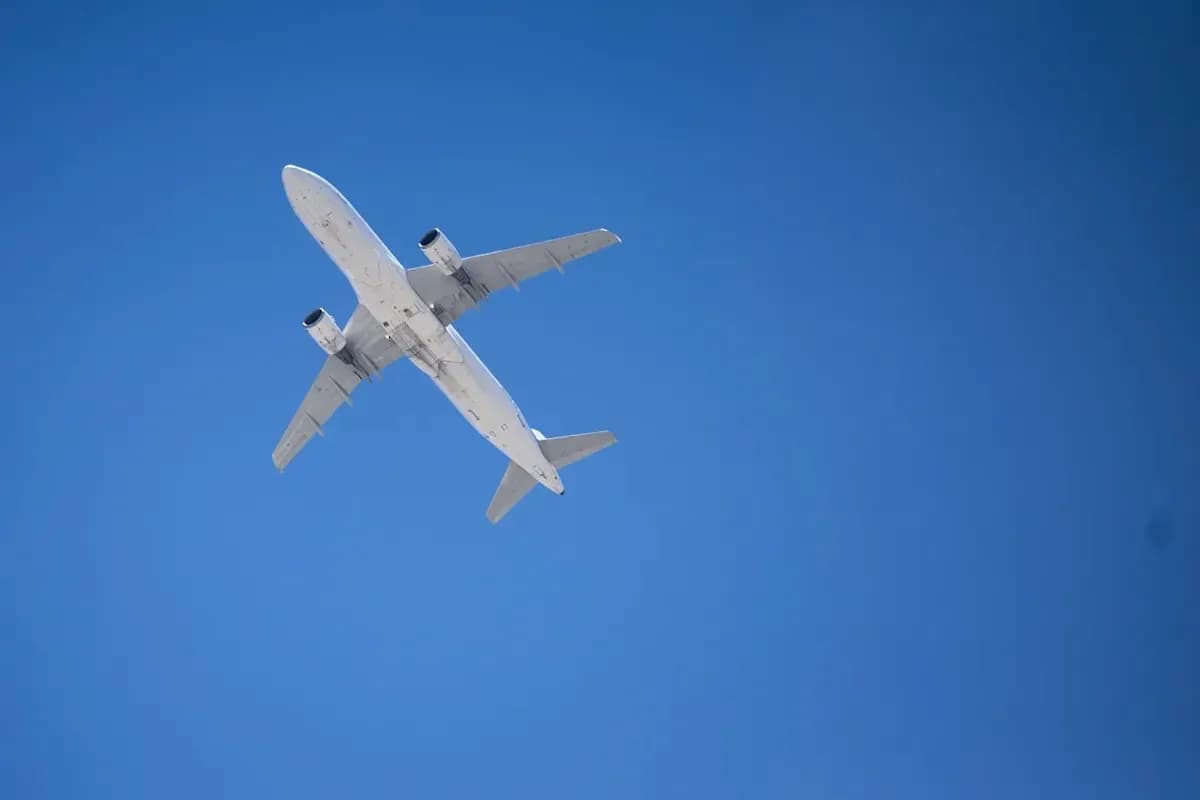
On the eve of their World Cup opener, Uruguay’s preparations were thrown into chaos not by an opponent, but by paperwork.
Less than 24 hours before facing Saudi Arabia, La Celeste were still stuck at their base in Playa del Carmen. The flight scheduled to take Marcelo Bielsa’s squad from Cancún to Miami never left the tarmac. The reason? Missing documents.
What should have been a routine hop turned into a logistical mess that dragged on for hours and sparked a blame game at the very top of the sport.
Finger‑pointing at 30,000 feet
Initial reports suggested FIFA had failed to secure the required permits for the overland flight in time. A serious oversight, especially with a World Cup clock ticking loudly in the background.
When The Guardian contacted the Uruguayan Football Association (AUF) to clarify, the federation did not shield the organisers. A spokesperson confirmed the delay had been caused by “issues beyond the AUF’s control,” a diplomatic way of saying the problem lay elsewhere.
Behind the scenes, AUF officials scrambled. For several hours they worked to secure a replacement flight, trying to salvage what was left of a carefully plotted schedule.
FIFA, though, pushed the responsibility in a different direction. Speaking to ESPN, football’s governing body pointed to the airline, saying it had apologized for the disruption. FIFA stressed it had remained in close contact with Uruguay’s camp and, together with the airport and other partners, had moved quickly to solve the situation.
The paperwork might have been missing, but there was no shortage of shifting narratives.
Bielsa plays it down, Giménez feels the strain
For Bielsa’s side, the timing could hardly have been worse. Travel delays, broken routines, and uncertainty are the last things a coach wants before a World Cup debut. Even the scheduled press conference with Bielsa and captain José María Giménez had to be scrapped.
Bielsa, true to his habit of stripping away excuses, insisted the disruption “did not cause a problem.” Publicly, at least, he refused to let the story grow into a ready‑made alibi.
Giménez offered a more candid snapshot of the mood. “We had a few complications and it was difficult,” the defender admitted, a simple line that cut through the spin. He added that the squad had made the best of the situation and used the extra time to rest at the hotel.
The contrast was telling: a coach determined to keep the focus on the pitch, and a captain acknowledging the very real strain of a day that went badly off script.
A rocky take‑off to a high‑stakes campaign
Eventually, a plane was found, the permits were cleared, and Uruguay finally took off, hours later than planned. No training session lost can be reclaimed, no disrupted rhythm fully restored.
For a team that prides itself on discipline and intensity, this was not the launch they had mapped out. But tournaments often turn on how squads handle the unexpected.
Uruguay now head into their opener with a small storm already weathered. Whether this episode fades as a footnote or lingers as the first crack in their campaign will be decided far from any check‑in desk, under the lights against Saudi Arabia.
Related News

UFC 332 Preview: Natalia Silva vs. Wang Cong Fight Card, Odds, Start Time, and Details
Andy Roddick Responds to Andre Agassi’s Comments on Alexander Zverev at the Laver Cup

Knicks Prepare for Flexible Roles in Title Defense

Rui Hachimura Swaps Lakers Fans to Clippers in Surprising Jersey Exchange

Who Will Be the NBA's Next First-Time All-Stars? Top Picks and Long Shots for 2027

How Strong Is Your Team at Home? Check Out the 2026 Brasileirão Home Standings