
U.S. Soccer Proposes Four-Year Extension for Pochettino Until 2030
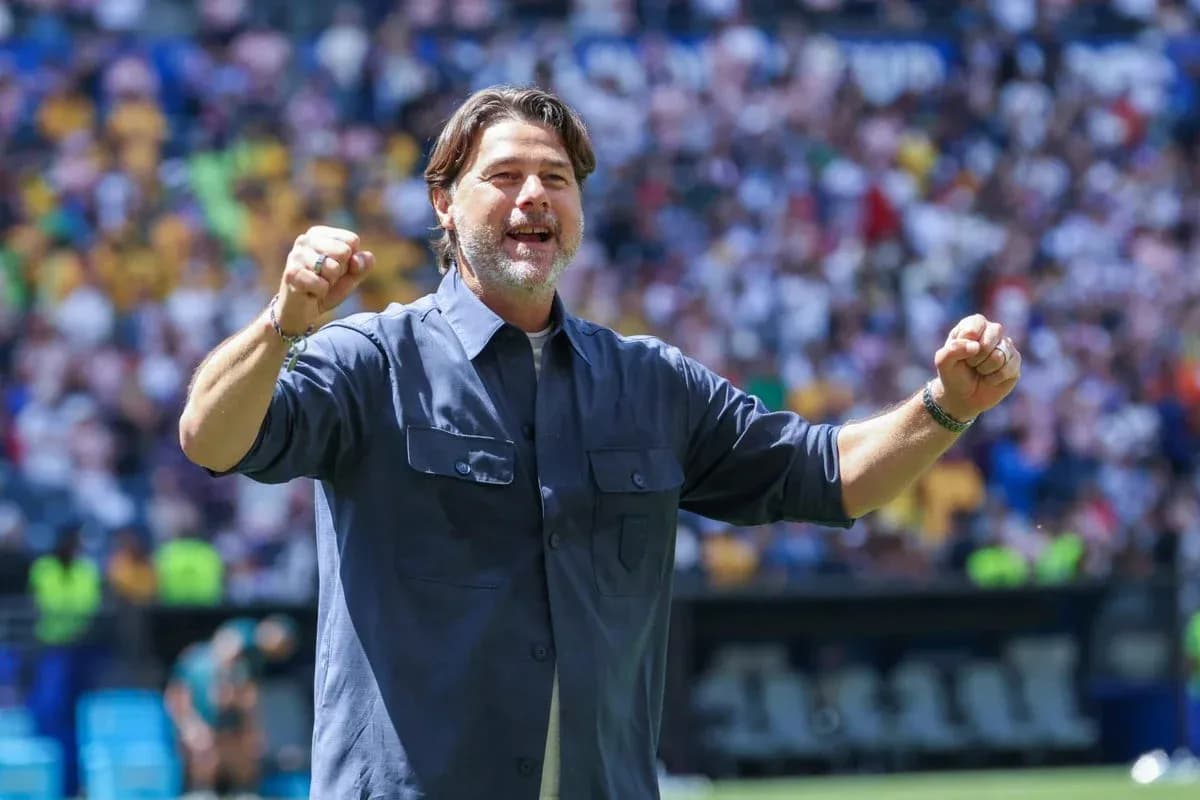
Mauricio Pochettino has a World Cup to finish and a country at his back, but U.S. Soccer has already made its move.
The federation has formally put a proposal on the table to keep the Argentine in charge for a second World Cup cycle, through 2030, with a four‑year extension. Talks have been running quietly for months, according to multiple sources briefed on the discussions, but any final decision has been parked until after the 2026 tournament on home soil.
For now, the contract clock keeps ticking toward its current end date: the final whistle of this World Cup.
A coach in demand, a federation in a hurry
U.S. Soccer wanted to be clear with its head coach before a ball was kicked this summer: they want him to stay.
The offer, presented before the tournament began, was as much a statement of intent as a financial package. Pochettino, 54, could be a free agent in less than a month, and a coach with Chelsea, Tottenham Hotspur and Paris Saint‑Germain on his CV does not stay unemployed for long.
There was always an assumption in parts of the game that he would jump straight back into club football after the World Cup. That feeling only grew when sporting director Matt Crocker — the man who had previously hired Pochettino at Southampton and then brought him to U.S. Soccer — abruptly left in April for a job in Saudi Arabia.
The logic was simple: Crocker gone, club jobs circling, World Cup over, Pochettino moves on.
Only the script has changed.
A dream start, a shifting landscape
The USMNT has ripped up the caution around this tournament. Wins over Paraguay and Australia secured a place in the round of 32 with a game to spare, turning Thursday night’s defeat to Turkey into a dead rubber and easing pressure at exactly the right time.
The performances have done more than just tick off a minimum target. They have lit up a bracket that now looks inviting, stirred a fanbase, and given a home World Cup a sense of genuine possibility rather than marketing gloss.
Inside U.S. Soccer headquarters, that matters. Every extra step into the knockout rounds strengthens the argument to keep the current project intact. Every convincing display makes Pochettino more attractive to clubs in Europe — and more expensive to replace.
The federation has chosen to act early, not to force his hand, but to plant a flag: if he wants to stay, the door is wide open.
Four years of opportunity, not just one World Cup
This is not a standard four‑year international cycle. The next stretch is packed with events that turn the U.S. job into one of the most intriguing roles in the sport.
The 2028 Olympic Games will land in Los Angeles. Copa America that same year is expected to be staged in the United States, with the USMNT again involved. A new $250 million national training center is rising in Atlanta, designed as a long‑term hub for the senior team, youth sides and coach education.
For a manager who has always spoken about development, culture and long‑term structures, the pitch almost sells itself. A renewal would give Pochettino greater control over the pathway from youth national teams to the senior squad and a formal role in shaping how American coaches are educated — an area he has already shown interest in.
It is a package aimed not just at a tactician, but at a builder.
Money, muscle and the market
To compete for a coach of Pochettino’s stature, U.S. Soccer has had to think like a heavyweight. That has meant leaning on donors and sponsors, not just TV deals and ticket sales.
The original agreement to bring him in, finalized in September 2024, rested “in significant part” on a philanthropic leadership gift from Ken Griffin, the founder and CEO of Citadel. Additional backing came from Scott Goodwin of Diameter Capital and several commercial partners.
A historical tax filing released in March, covering April 1, 2024 to March 31, 2025, projected Pochettino’s pro‑rated base salary at around $4 million. Bonuses and incentives pushed the potential annual total into the $5m‑$6m range in a non‑World Cup year.
An extension would keep him among the highest‑paid international coaches on the planet, with a package competitive with top‑end European club offers — even if still short of the astronomical sums at the very richest clubs.
That is where the federation’s conversations with wealthy backers come in. Officials have been in regular contact with donors and sponsors to ensure they can keep shopping at the top shelf of the coaching market.
Their ambition has been clear for some time. Before appointing Pochettino, U.S. Soccer held talks with former Liverpool manager Jurgen Klopp, a move that underlined the scale of their intent.
Milan’s call and Europe’s shadow
The rest of the football world has not stopped calling.
In late May, before the World Cup began, Pochettino spoke with AC Milan about their vacancy. U.S. Soccer chief executive JT Batson shrugged it off as the price of doing business in “the big leagues” with a coach in demand, and he was right. Interest has followed Pochettino throughout the past year and will only intensify if the U.S. run deep into this tournament.
The question is not whether he has options. It is which version of the job he wants next: the day‑to‑day churn of European club football or the broader canvas of international management with a country still discovering how far it can go in the sport.
Pochettino’s stance: open, but focused
Pochettino has not closed the door on staying.
“It’s difficult to describe or know your future,” he said earlier this week. “But when you are here, I think it’s difficult now to see yourself living in another place, because for sure, we will miss it if one day we don’t stay here in this country.”
“We told the federation we are open,” he added, “but we don’t want to distract when all the energy needs to be with my players.”
His comments this week hinted at something deeper than a contract negotiation. “If the American people start to show passion in our sport too, why not be here being part of something that can create a legacy?
The legacy is not to win the World Cup. Of course, we want to win, but that [connection] is the legacy we need if one day we want to be very successful and be consistent. Why not be part of that?”
It is a coach talking not just about trophies, but about leaving fingerprints on a football culture.
A decision that will define an era
U.S. Soccer has made its play. The financial groundwork is laid, the proposal is in Pochettino’s hands, and the message is unmistakable: they want him to lead the USMNT into 2030.
He, in turn, has made his position clear. He is listening, he is tempted, but he is not ready to decide. Not while a home World Cup is still alive and his players are still running.
The next few weeks will decide how far this team can go on the pitch. The months that follow will decide whether the man who lit the fuse will stick around to see how big the explosion can become.
Related News
Anthony Joshua Names Murat Gassiev as Next Opponent if He Defeats Tyson Fury
UFC 332: Start Time and Fight Highlights for Natalia Silva vs. Wang Cong
Court McGee Opens Up About Choosing UFC 332 as His Final MMA Fight
WBC Orders Lightweight Title Unification: William Zepeda vs Jadier Herrera
BCCI Pension List: Monthly Payments to Retired Indian Cricketers in 2025

Why Fury vs Joshua Is Set for Cardiff, and Dua Lipa’s Unexpected Role