
USA Dominates Paraguay in World Cup Opener
LOS ANGELES — For months, the World Cup felt like everything but football.
Politics, ticket prices, immigration snarls, questions over whether fans could even get to the stadiums on time — the noise around this tournament in Mexico, Canada and the United States drowned out almost everything else.
Then the whistle blew.
Once the ball started rolling, the chaos outside faded and the football took over. And in Los Angeles, the U.S. men delivered a statement that cut through all of it.
A U.S. Opener for the History Books
This was not a cautious toe in the water. It was a cannonball.
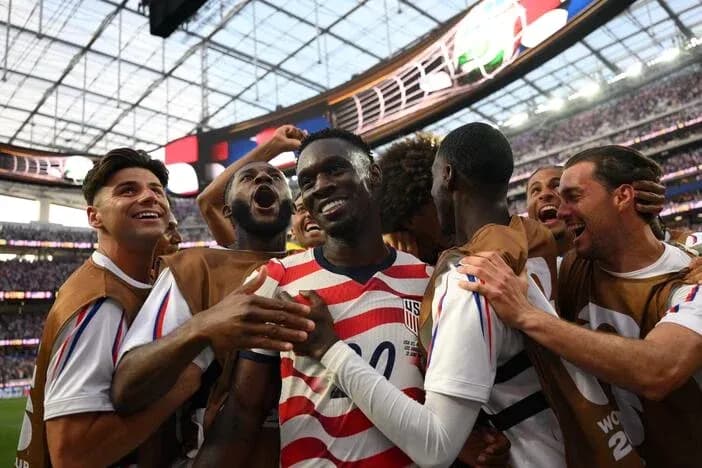
USA 4, Paraguay 1 at Los Angeles Stadium — the most goals the U.S. men have ever scored in a World Cup match and, by any reasonable measure, one of the most complete performances the program has produced on this stage.
Folarin Balogun led the charge. The striker scored twice, becoming the first American to record a multi-goal game at a World Cup since the inaugural tournament in 1930. Nearly a century of waiting, snapped in one night.
Behind him, the foundations were rock solid. Chris Richards, back from the injury that kept him out of both pre-World Cup warm-ups, slotted straight into defense and turned in a near-perfect display with the ball. He completed all 83 of his passes — every single one — the highest total recorded by any player in a World Cup match since 1966.
That kind of control from the back set the tone. The U.S. didn’t just run harder; it dictated where the game would be played and how.
There was one shadow on the evening. Christian Pulisic, the team’s star forward and emotional barometer, came off at halftime with a calf issue. He walked gingerly to the team bus afterward, his status uncertain. For a side that just announced itself so loudly, the health of its most dangerous player now hangs over the week.
The performance dazzled from front to back. It felt like a launching pad. But everyone inside that dressing room knows the same thing: one game doesn’t make a World Cup.
Australia Crash the Party in Group D
If the U.S. needed a reminder of that, it arrived 24 hours later.
On Saturday, Turkey and Australia opened their Group D campaigns. On paper, Turkey carried the sheen of European pedigree, with stars from the continent’s elite leagues: Real Madrid’s Arda Güler, Juventus attacker Kenan Yildiz, and a supporting cast accustomed to Champions League lights.
Australia tore that script to pieces.
The underdogs struck and kept striking, winning 2-0 and shaking up the group before the Americans had even cooled down from their opener. Turkey’s individual quality never truly surfaced; Australia’s collective discipline and belief did.
That result turns Friday’s USA–Australia clash into an early pivot point. If the U.S. wins, it seizes control of Group D and carves out a favorable path toward the knockout rounds. Drop points, and that sparkling opening night suddenly feels a lot more fragile.
Scotland’s Surprise and a Royal Group C
Elsewhere, the tournament’s first week has already produced a classic World Cup image: a so-called smaller nation staring down giants and refusing to blink.
Scotland, back on this stage for the first time in 28 years, sits on top of Group C after beating Haiti. That alone is a story; the context makes it bigger.
Sharing the group are Brazil — five-time world champions and permanent World Cup royalty — and Morocco, one of the powerhouses of the modern international game. Those two were widely tipped to glide into the knockouts.
They met and cancelled each other out in a 1-1 draw.
For now, that leaves Scotland looking down at two global heavyweights from the summit of the group. It may not last, but for a nation that has waited nearly three decades to return, it’s a moment to savor.
Firsts, Near-Miracles and a Familiar German Scoreline
The World Cup’s middle tier has already delivered its share of drama.
Qatar drew 1-1 with Switzerland on Saturday, a modest scoreline with historic weight. It’s Qatar’s first-ever World Cup point. The host nation in 2022 lost all three matches in its debut tournament; this time, in only its second appearance, it finally has something tangible on the board.
On Sunday, the Netherlands and Japan went toe-to-toe in a Group F showdown that lived up to its billing. The 2-2 draw showcased two sides with serious ambitions and enough attacking edge to back them up.
Then came Curaçao.
The smallest country ever to play in a World Cup — population 158,000 — walked into a meeting with Germany knowing the odds, knowing the history, and still found a way to dream. Germany scored early, as expected. Curaçao hit back, unexpectedly, and for 17 minutes the scoreboard read 1-1 and the impossible felt slightly less so.
Then Germany did what Germany so often does at World Cups. It shifted gears, found its rhythm, and ran away with a 7-1 win — a scoreline that will always echo their famous demolition of Brazil in 2014. For Curaçao, the dream shrank back to reality, but those 17 minutes will live long on the island.
Politics, Security and Iran’s Tightrope
The tournament’s off-field tensions have not disappeared. In some cases, they’ve walked straight into the group stage.
On Monday, Iran faces New Zealand at Los Angeles Stadium under a cloud that stretches far beyond football. After the U.S. and Israel attacked Iran in February, speculation swirled over whether the Iranian team would even participate in this World Cup.
Iran had planned to base its training camp in Tucson, Arizona. Instead, citing ongoing hostilities and security concerns, the squad shifted across the border to Tijuana, Mexico. The U.S. government, for its part, has limited the team’s entry to the country to the day before each of its three group matches.
That means a World Cup campaign built on tight travel windows, constant movement, and an unavoidable political backdrop. How that affects Iran on the pitch will be one of the week’s more intriguing questions.
Mbappé, Messi and the Heavyweights Enter
Now the tournament’s biggest names step into the light.
On Tuesday, France and Kylian Mbappé open their World Cup in a Group I clash with Senegal. It’s a fixture loaded with speed, physicality and expectation. France arrives as one of the favorites; Senegal, African champions not long ago, rarely accepts a supporting role.
Also on Tuesday, the defending champions begin their defense. Argentina and Lionel Messi start their campaign against Algeria in Group J, chasing a place in one of football’s most exclusive clubs.
Only two nations have ever successfully defended a World Cup title: Italy in 1938 and Brazil in 1962. Argentina now tries to join them, with a 36-year-old Messi attempting to stretch his era of dominance just a little bit further on the game’s grandest stage.
The politics, the logistics, the controversies will keep swirling around this North American World Cup. They always do. But as the first week has already shown, once the ball is at a player’s feet and a stadium holds its breath, one question rises above the rest:
Whose moment is it going to be next?
Related News
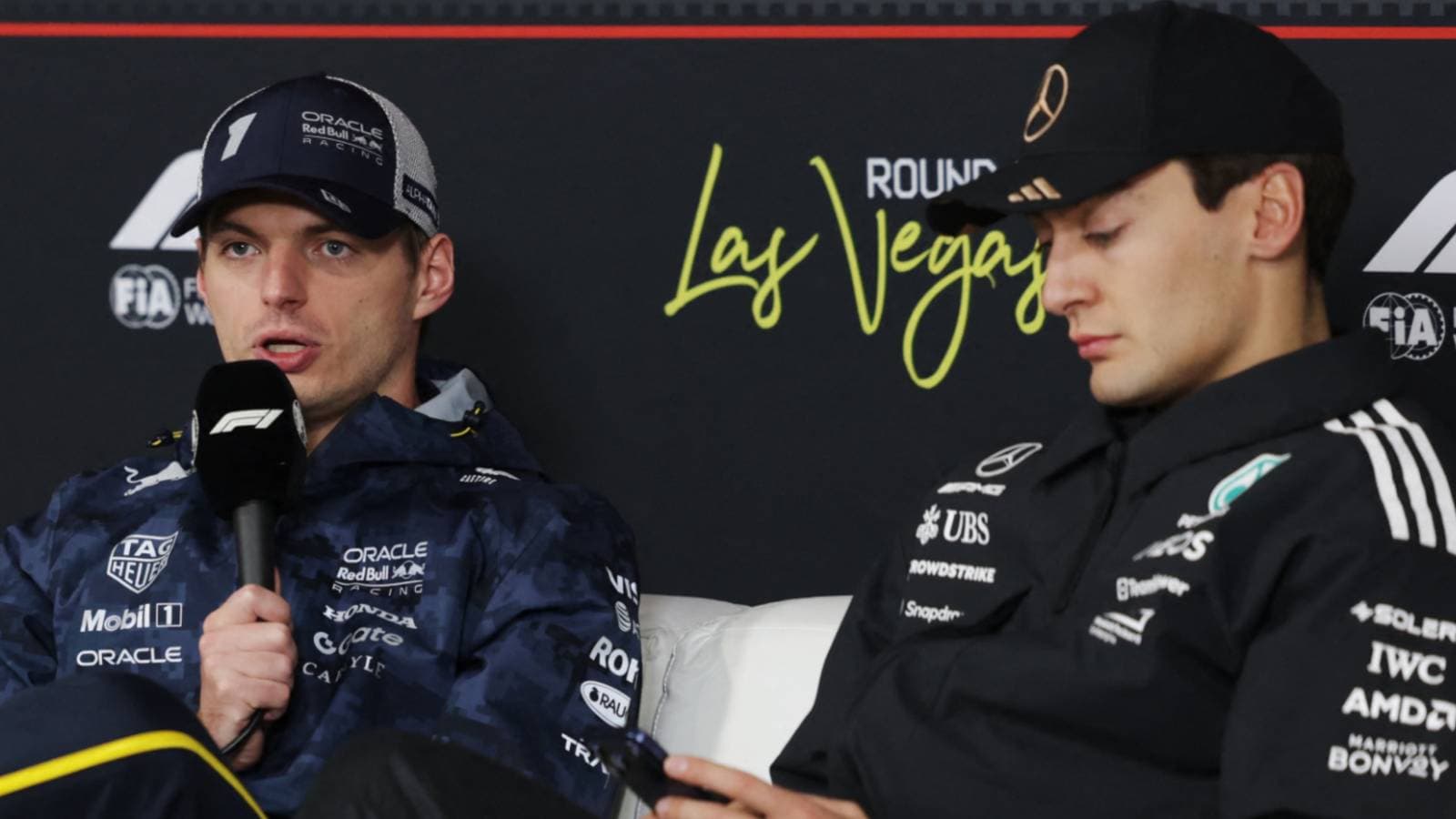
Max Verstappen Responds to George Russell’s Call for Cooling Vest Rule Change Ahead of Bahrain GP
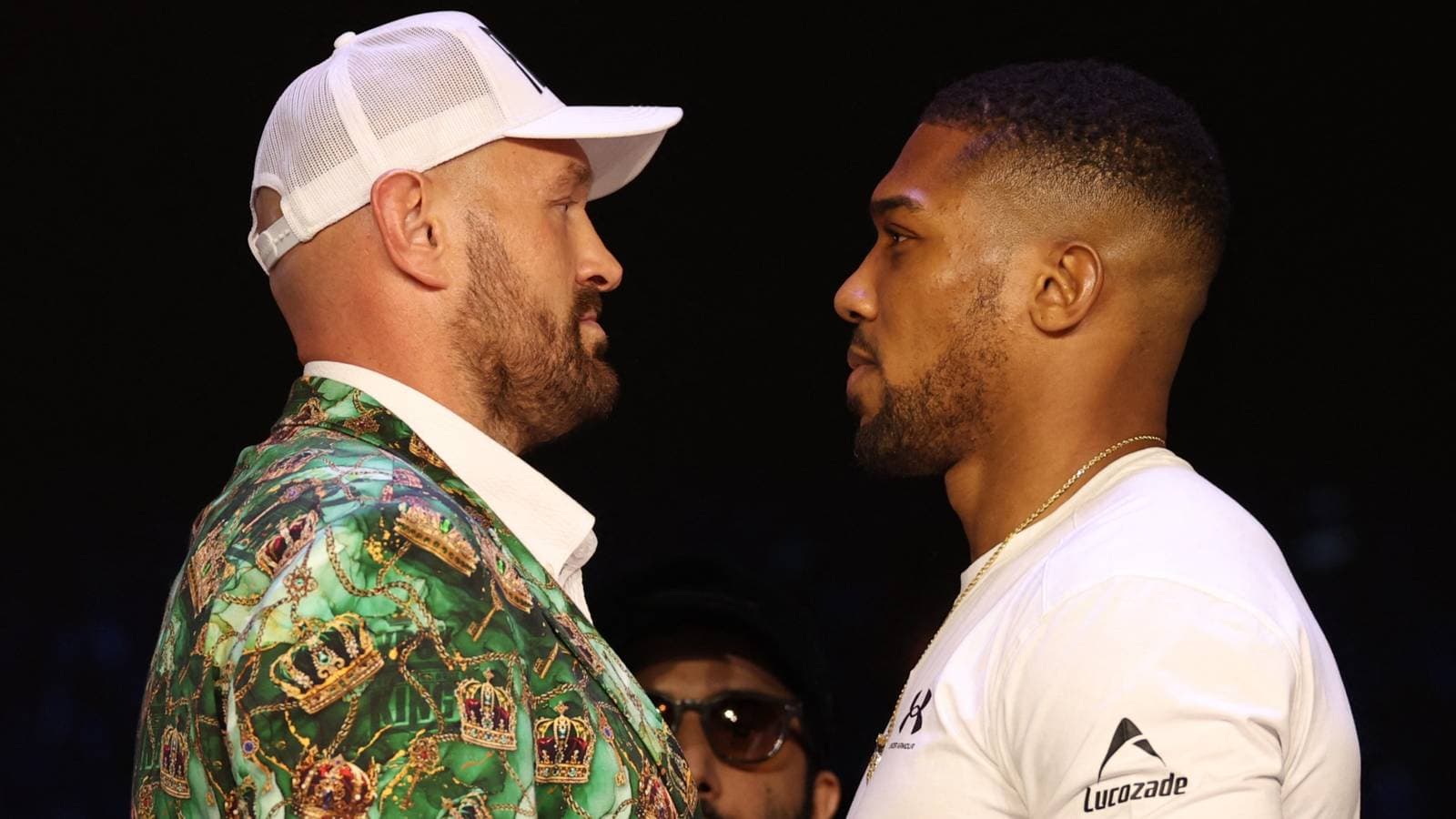
Anthony Joshua Took a Massive Pay Cut to Ensure Fury Fight Happens in the UK
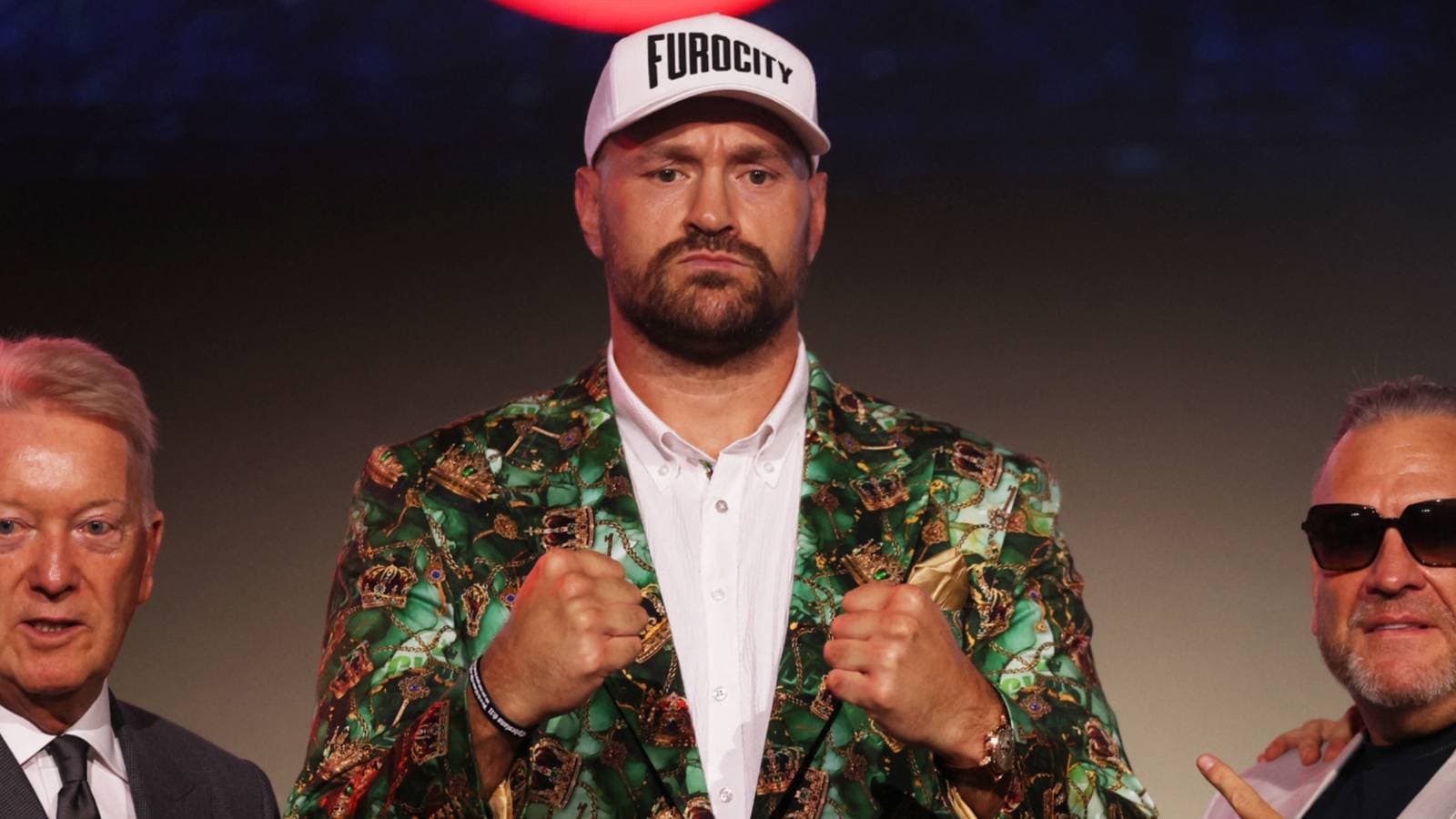
Tyson Fury Plans to Invite Donald Trump for Anthony Joshua Fight
Why Cristiano Ronaldo Is Missing Portugal’s Match Against Norway
France vs Belgium: Nations League Clash Preview and Lineups
Cesc Fabregas Opens Up on Como Journey from Serie B Unknown to Champions League Contender