
USA vs Belgium: High-Stakes World Cup 1/8 Final Showdown
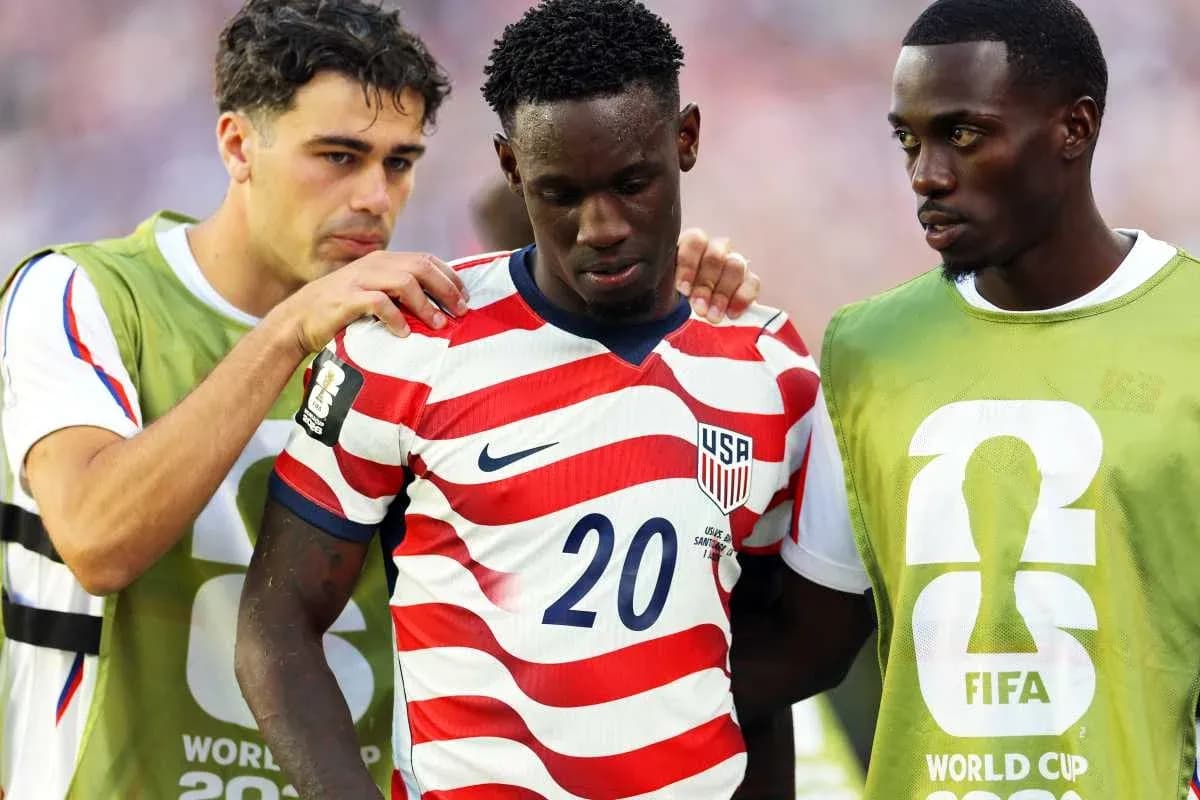
A high-stakes World Cup 1/8 final at Lumen Field pits a USA side that topped Group D with 6 points against a Belgium team that also won its group (Group G) with 5 points. With both nations coming in as group winners, this knockout tie is season-defining: defeat ends a promising 2026 campaign, while victory keeps a realistic path open toward the latter stages of the World Cup.
Head-to-Head Tactical Summary
On 28 March 2026 in Atlanta (Mercedes-Benz Stadium), USA hosted Belgium in a friendly that ended 5–2 in Belgium’s favor. The game was level 1–1 at half-time before Belgium pulled away after the break, underlining their ability to accelerate the scoring tempo against the same opponent in a neutral-style environment.
Their most significant recent competitive meeting came on 1 July 2014 in the World Cup Round of 16 at Itaipava Arena Fonte Nova in Salvador. Belgium were the home side in tournament terms and eventually won 2–1 after extra time. The match was 0–0 at half-time and also 0–0 at full-time, before Belgium found two goals in extra time and USA replied once, illustrating Belgium’s capacity to sustain attacking pressure deep into a knockout match and USA’s resilience in staying competitive over 120 minutes.
Across these two fixtures, Belgium have twice found ways to break USA down late in games—once in extra time in a World Cup knockout, and once by running away in the second half of a high-scoring friendly—while USA have consistently managed to score, suggesting they can trouble Belgium’s back line even when second best overall.
Global Season Picture
- League Phase Performance: In the group stage, USA finished first in Group D with 6 points from 3 matches, scoring 8 goals and conceding 4. Belgium topped Group G with 5 points from 3 matches, with 6 goals for and 2 against. USA’s group stage was defined by a high-output attack (8 goals) but a defense that could be exposed (4 conceded), whereas Belgium combined a solid defensive record (only 2 conceded) with enough attacking edge to remain unbeaten.
- Season Metrics: Across all competitions in this World Cup cycle, USA have played 4 fixtures, winning 3 and losing 1, with 10 goals scored and 4 conceded. That reflects a proactive, attack-minded approach (2.5 goals scored per match) but with occasional vulnerability (1.0 goal conceded per match), particularly away from home where they have allowed 3 goals in a single outing. Their use of multiple formations (4-3-3, 4-2-3-1, 3-5-2) indicates tactical flexibility. Belgium have also played 4 matches, remaining unbeaten with 2 wins and 2 draws, scoring 9 and conceding 4. They show a slightly lower scoring rate than USA overall (2.3 goals per match) but the same concession rate (1.0 per match). Belgium have been more structurally stable, using a consistent 4-2-3-1 shape in all fixtures, which supports a balanced attack and controlled defensive block. Card profiles hint at intensity on both sides: USA’s yellow and red cards cluster around the middle phases of games, while Belgium’s bookings and one red card also spike around the 61–75 minute window, pointing to potentially combustible late-game phases.
- Form Trajectory: In the group stage, USA’s form string of WLWW shows one setback followed by two consecutive wins, suggesting they adjusted well after an early defeat and built momentum into the knockout rounds. Belgium’s WWDD sequence reflects a strong start with back-to-back wins, then a plateau into two draws, which can be read as a team that has established a high baseline but may have slightly eased off or been better contained by recent opponents. Both arrive unbeaten in their last two group matches, but USA’s trajectory is upward (two wins in a row), while Belgium’s is more about stability and control after an early surge.
Tactical Efficiency
From the available season metrics, USA profile as a high-variance attacking side: they have produced 10 goals in 4 matches, with their biggest home win at 4–1 and no games in which they failed to score. Their ability to generate multiple goals in different formations points to a fluid front line and aggressive midfield support. However, the 3–2 away defeat in their record and the fact that 3 of their 4 goals conceded came on the road underline that when the game opens up, their defensive structure can be stretched.
Belgium, by contrast, show a more controlled efficiency. They have scored 9 goals in 4 games, including a standout 1–5 away win, while conceding just 4 overall and never losing. Their clean sheet count (one match) and the pattern of results (two wins, two draws) reflect a side that rarely collapses defensively and can manage game states effectively. The consistent use of 4-2-3-1 underpins this: two holding midfielders protect the back four, allowing the attacking quartet to exploit transitions without leaving the defense constantly exposed.
In a tactical efficiency lens, USA’s strength lies in their attacking ceiling—multiple goals, varied formations, and no failures to score—while their weakness is the risk of conceding in open, transitional games. Belgium’s edge is in balance: they combine a strong attacking output with a more reliable defensive baseline, particularly evident in their group stage record of only 2 goals conceded. In a knockout setting, that balance generally translates into a higher “attack/defense efficiency” profile, especially over 90 minutes where game management and risk control are critical.
The Verdict: Seasonal Impact
This 1/8 final is a pivotal inflection point for both campaigns. For USA, coming off an 8-goal group stage and a broader run of 3 wins in 4, a victory would validate their attacking evolution and announce them as genuine contenders to reach at least the 1/4 final, potentially reshaping expectations for this generation on home soil. It would also exorcise the memory of the 2014 Round of 16 loss to Belgium, marking tangible progression at World Cup level.
For Belgium, who remain unbeaten in this World Cup cycle and have already dominated USA 5–2 in a recent friendly, elimination here would be seen as an underachievement relative to their group-winning status and historical benchmark from 2014. A win, by contrast, would reinforce their identity as a tournament team that consistently navigates early knockout rounds, keeping them firmly in the conversation for the latter stages and sustaining the continuity of deep World Cup runs.
Strategically, the result will likely tilt narratives about style versus structure. If USA’s high-tempo, flexible attack overcomes Belgium’s more balanced setup, it could signal a broader shift toward embracing risk and offensive volume as a viable path deep into the World Cup. If Belgium’s control and stability prevail again, it will underline that in knockout football, defensive reliability and tactical continuity still carry decisive weight. Either way, this match will significantly redefine the seasonal arc for both nations: one project will be validated and extended toward the 1/4 final, while the other will face a hard reset and scrutiny over whether its current cycle has maximized its potential.
Related News

Brazil's First Post-World Cup Friendly: What Should the Lineup Be?
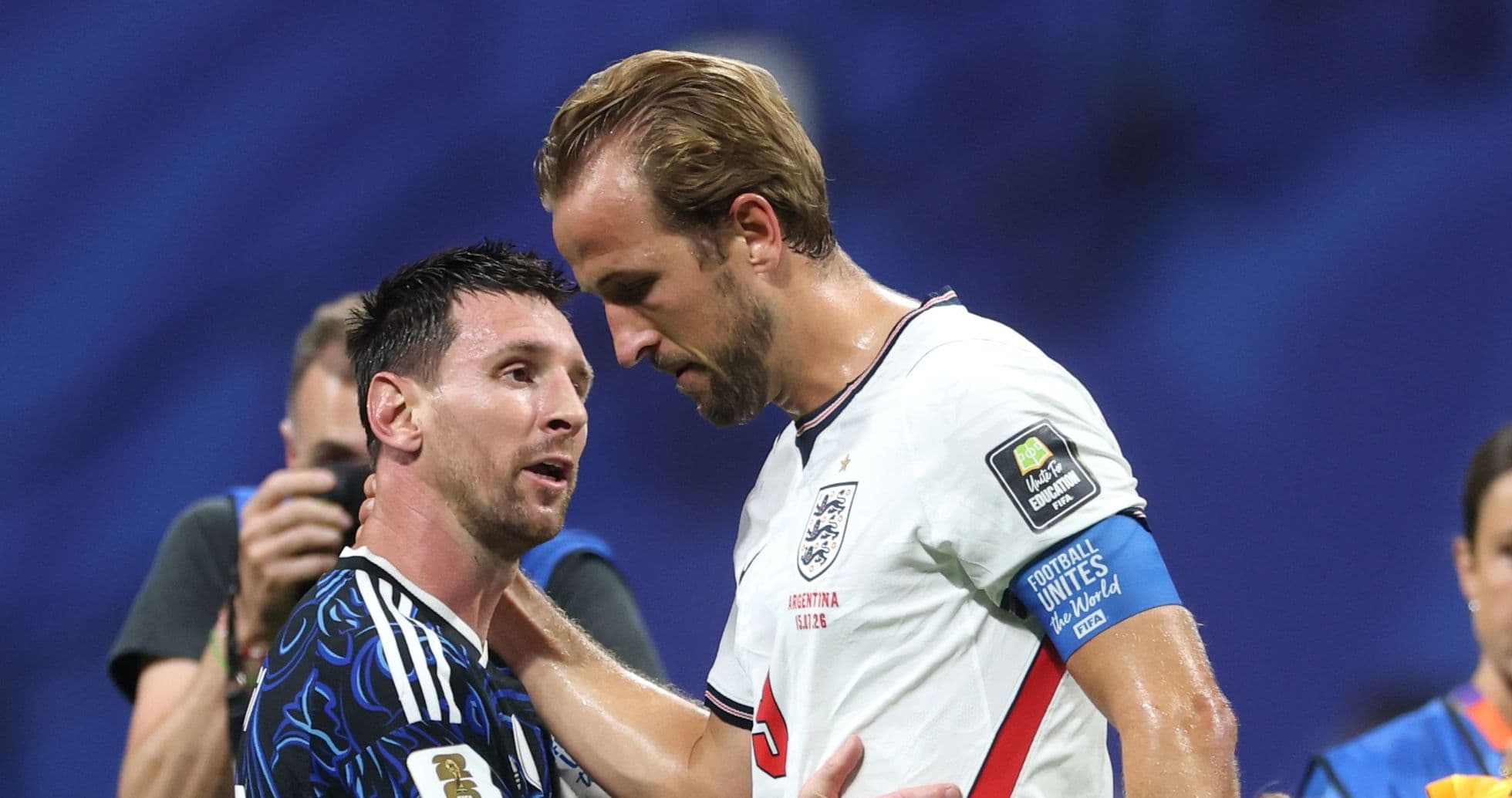
Harry Kane Calls England’s World Cup Exit to Argentina His Deepest International Pain
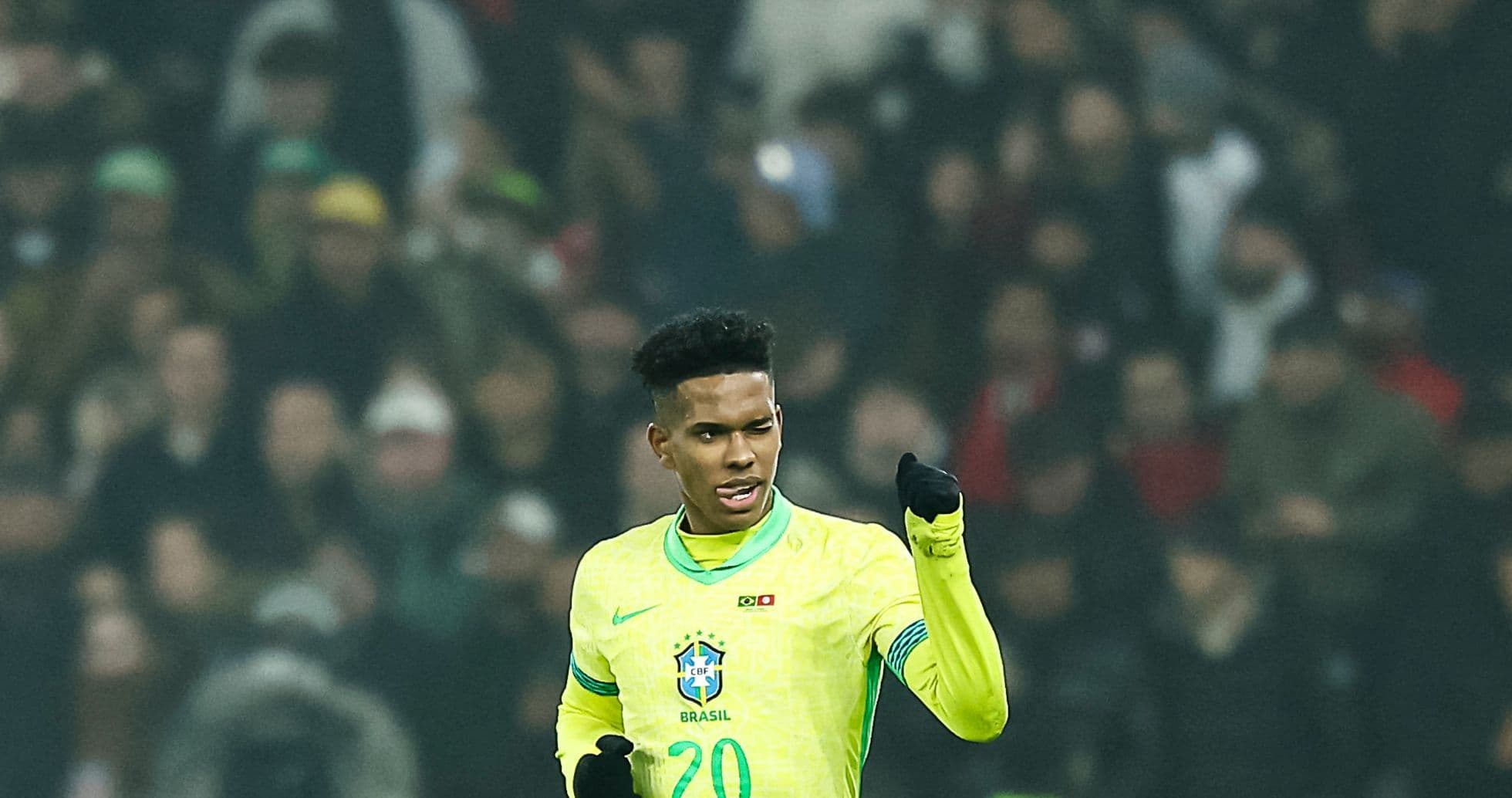
Estevao Opens Up on World Cup Heartbreak and His Unexpected Return to Brazil Under Ancelotti

Thomas Tuchel Shares Unusual Regret After England's 10-Man World Cup Victory Over Mexico

South Korea Names Robert Moreno as Interim Coach After World Cup Exit

Jude Bellingham Returns to Form at Real Madrid Following World Cup Success