
USA vs Belgium: World Cup Knockout Clash Preview
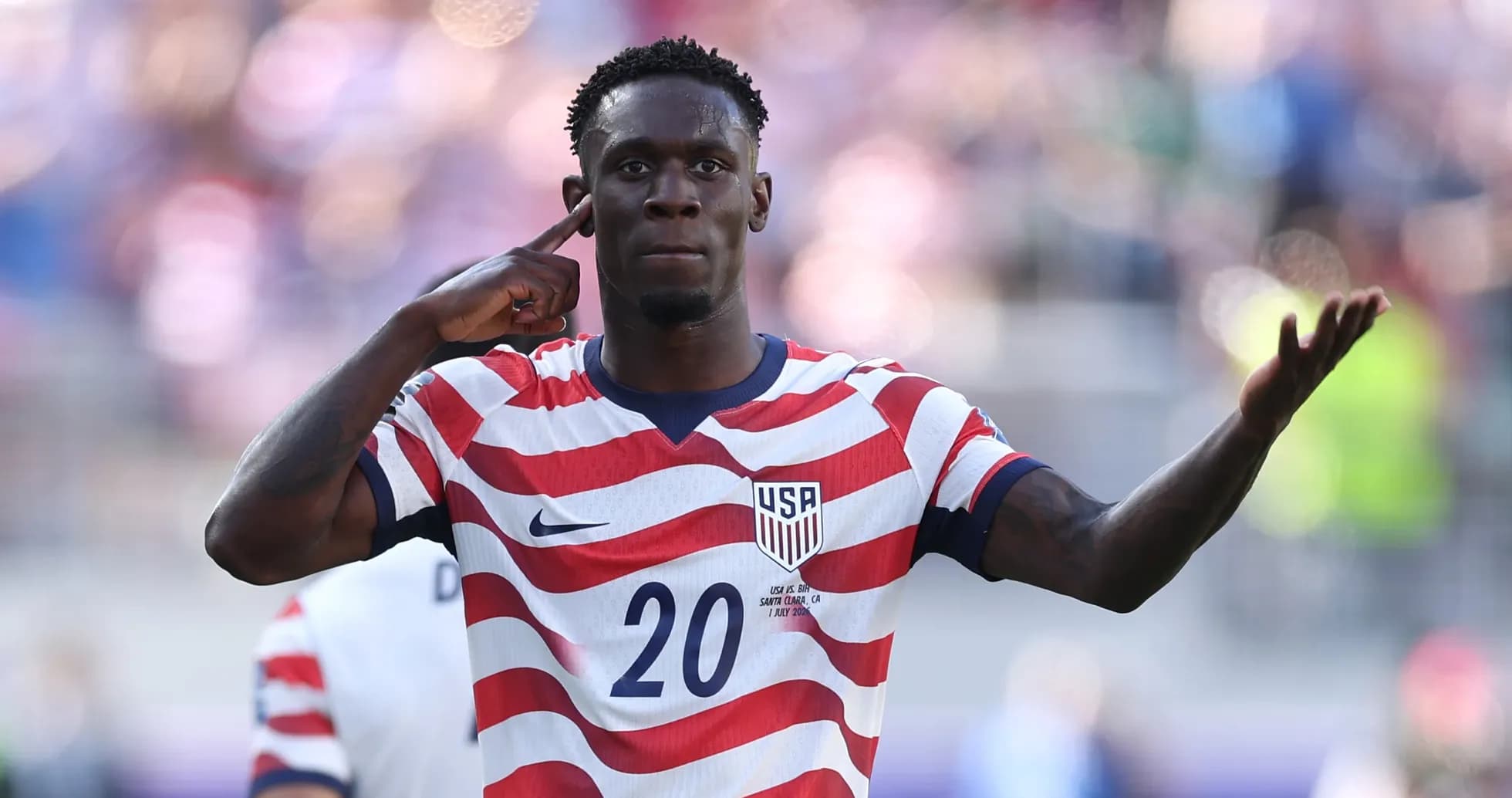
On 7 July 2026, the lights of Lumen Field will frame a World Cup knockout clash rich in history and tension as USA meet Belgium in the Round of 16. USA arrive in this tie buoyed by a free-scoring group stage but carrying the weight of past heartbreak, while Belgium, seasoned and efficient, look to turn group control into another deep run. With both sides topping their groups, this is a collision of ambitions rather than an underdog story, and the winner will feel a genuine path opening up towards the latter stages of the tournament.
Season Context
USA come into this knockout round as Group D leaders with 6 points from 3 matches, built on an attack that has produced 8 goals and a positive goal difference of +4 (8 scored, 4 conceded). A record of 2 wins and 1 loss from those 3 games underlines a bold, front-foot approach that has already paid off in the group phase and justifies their status in the Round of 32 description zone.
Belgium also topped their section, finishing Group G with 5 points from 3 matches. They remain unbeaten with 1 win and 2 draws, scoring 6 and conceding only 2 for a goal difference of +4. That blend of stability and control, combined with their Round of 32 status, suggests a side comfortable managing tight contests and growing into the tournament.
Form & Momentum
USA’s form line of WLWW captures a side that has responded impressively to setbacks, with 8 goals in 3 group games translating to roughly 2.7 goals per match and underlining a potent attack (8 goals from 3 matches). The 4 goals conceded across the same sample, around 1.3 per game, show that while they are adventurous, they still maintain a reasonable defensive platform (4 goals conceded from 3 matches).
Belgium arrive with a form string of WWDD, reflecting consistency and resilience (unbeaten in their 3 group matches with 6 goals for and 2 against). Averaging about 2 goals scored per game and conceding only around 0.7, Belgium look balanced and difficult to break down (6 goals scored, 2 conceded from 3 matches).
Head-to-Head Patterns
The most recent meeting came in a non-competitive setting but still left a mark: on 28 March 2026, Belgium beat USA 5-2 at Mercedes-Benz Stadium in Atlanta (Friendlies, season 2026, March 2026). Even in a friendly context, that scoreline reinforced Belgium’s ability to punish defensive lapses.
On the biggest stage, the memory is even sharper for USA fans. On 1 July 2014, Belgium defeated USA 2-1 after extra time at Itaipava Arena Fonte Nova (Salvador, Bahia) in a dramatic World Cup Round of 16 tie (World Cup, season 2014, July 2014). That night etched a narrative of Belgian superiority in knockout duels between these nations.
Beyond those, the predictive model’s head-to-head index leans entirely towards Belgium, with the h2h comparison showing 0% for USA and 100% for Belgium, reinforcing the idea that historical patterns and recent direct clashes tilt in favour of the European side.
Tactical Preview
USA’s tournament profile suggests an aggressive, flexible side. Their team statistics show 10 goals scored and 4 conceded across 4 matches in all World Cup play referenced, with formations rotating between 4-3-3 (used 2 times), 4-2-3-1 (1 time), and 3-5-2 (1 time). That variety hints at a coach willing to adapt structure while maintaining attacking output (10 goals across 4 matches). With 2 clean sheets in that sample, USA can also lock games down when required, even if their group-stage numbers from the standings still show a team more defined by what they do in possession than out of it (8 goals scored, 4 conceded from 3 group games).
In personnel terms, USA will have to confront a major twist: F. Balogun, their leading World Cup scorer with 3 goals from 3 appearances and a strong rating of 7.23, is listed as missing this specific fixture due to a red card. F. Balogun’s 8 shots (4 on target) and 3 goals underline how central he has been to their cutting edge, and his absence forces USA to redistribute responsibility among attackers like C. Pulisic, T. Weah and R. Pepi.
Belgium’s tactical identity has been more stable. Across 4 World Cup matches in the broader statistics sample, they have consistently lined up in a 4-2-3-1 shape (4 times), scoring 9 and conceding 4. That setup allows them to blend control and vertical threat, with 2 clean sheets and no defeats in that run (9 goals scored, 4 conceded from 4 matches). The presence of creative and experienced midfielders such as K. De Bruyne, Y. Tielemans and A. Witsel, combined with a focal point like R. Lukaku, fits perfectly with a 4-2-3-1 built to dominate key zones and strike late.
Defensively, both sides show similar underlying numbers in the comparison model, with a defense index of 50 vs 50, but Belgium’s overall comparison index edges it at 52.6 against USA’s 47.4. The Poisson index is tight as well (51 vs 49 in favour of USA), suggesting a finely balanced contest in chance creation terms, even if Belgium’s goals index advantage (70 vs 30) hints at greater efficiency in front of goal.
Statistical Snapshot
- Competition: World Cup, season 2026 — 7 July 2026.
- Venue: Lumen Field, null.
- Prediction: Win or draw — Double chance : draw or Belgium.
- Win Probabilities: Home 10% / Draw 45% / Away 45%.
- Model: USA 47.4% — Belgium 52.6%.
Betting Verdict
The prediction model leans towards Belgium avoiding defeat, and the odds market broadly agrees on a near pick’em with a slight tilt towards the Europeans. Home (USA) odds range from roughly 2.56 to 2.81, implying an approximate probability band of about 35.6% to 39.1%, while away (Belgium) odds between roughly 2.50 and 2.70 translate to around 37.0% to 40.0%; draws, priced between roughly 3.25 and 3.50, sit in the 28.6% to 30.8% range. Belgium’s unbeaten group run (WWDD), their strong goals index advantage (70 vs 30), and their historical edge over USA in competitive and recent meetings support the “Double chance : draw or Belgium” angle. With USA’s main finisher F. Balogun suspended for this very fixture and Belgium’s experience in managing knockout tension, the analytical case points towards Belgium either grinding out a narrow win or at least forcing extra time or a draw in regulation.
Related News
Brazil's First Post-World Cup Friendly: What Should the Lineup Be?
Harry Kane Calls England’s World Cup Exit to Argentina His Deepest International Pain
Estevao Opens Up on World Cup Heartbreak and His Unexpected Return to Brazil Under Ancelotti
Thomas Tuchel Shares Unusual Regret After England's 10-Man World Cup Victory Over Mexico

South Korea Names Robert Moreno as Interim Coach After World Cup Exit

Jude Bellingham Returns to Form at Real Madrid Following World Cup Success