
USMNT vs Australia: A Test of Depth and Expectations
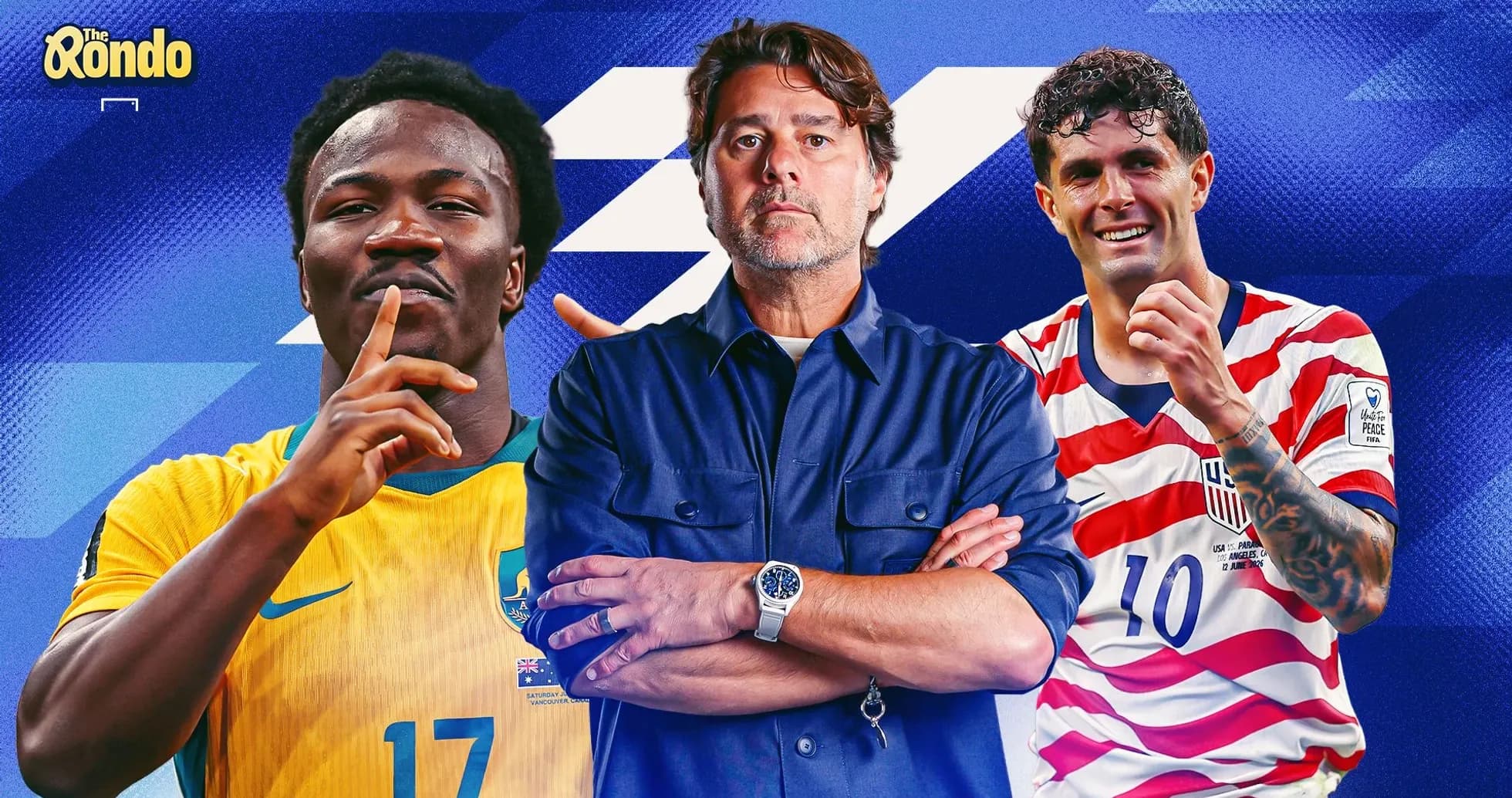
The United States walk into this clash with Australia carrying expectation, form and a fair bit of edge. After dismantling Paraguay, anything less than another statement performance will feel like a step backwards. The consensus around the camp and among observers is blunt: this should be a USMNT win.
The question is how they get there – and at what cost.
A test of depth without their talisman
Christian Pulisic sits at the heart of every serious conversation about this team. When he plays, the U.S. attack has a focal point, a dribbler who can unpick a low block, a leader who drags the tempo up a notch. When he doesn’t, the whole structure shifts.
The dilemma for Mauricio Pochettino is brutal in its simplicity. Risk his main man now, try to kill the group early and then protect him later? Or sit him, trust the depth, and gamble that the job can still be done without the one player who terrifies defenders one-on-one?
Inside the squad, there’s no debate about his importance. Even Sergiño Dest, asked who the best 1v1 attacker in the team is after himself, didn’t hesitate: Pulisic. The opening goal against Paraguay underlined it – a flash of quality, a defender beaten, a chance carved from almost nothing.
If he can’t go, someone else has to step into that chaos-creator role. Not just to beat a man, but to make Australia uncomfortable, to force them out of their defensive shell. That’s where this game could be won or lost.
Australia’s wild card: Irakunda and the break
This Australia side doesn’t arrive with the star power of previous generations. There’s no long list of Premier League regulars, no obvious marquee name to plaster across the build-up. But dismissing them on that basis would be a mistake.
Nestory Irankunda – or Irakunda, as he’s often referred to – changes the equation. He’s a livewire off the left, a runner who loves space and backs his pace against anyone. The U.S. back line has looked vulnerable when asked to defend big gaps, and that’s exactly the sort of game he thrives in.
Put him in a foot race with Tim Ream and you can picture how that ends. Chris Richards is still working back from an ankle issue. Dest and the opposite fullback will push high, as they always do. Every time the U.S. lose the ball, Irankunda becomes a threat waiting to explode into the space they leave behind.
If this turns into a tight, tactical battle, one break could tilt it. Irankunda has the tools to be that moment.
Behind him, Mathew Ryan offers Australia something else the U.S. haven’t really faced yet in this tournament: a goalkeeper with big-game scars and big-game saves on his CV. Matt Freese cruised through the Paraguay match largely untested. If this one stays close, one Ryan stop could redefine the night.
Gamechangers on both sides
This isn’t a game for passengers. Australia will defend with five, sit deep and make the U.S. solve problems in the final third. That throws the spotlight straight onto the American difference-makers.
Pulisic, if he plays, is the obvious one. But there’s a clear call for more from Malik Tillman in possession. His work without the ball against Paraguay drew praise – pressing, covering lanes, doing the ugly stuff. When it came to the final pass or finish, though, he left a little on the table. In a match like this, a single goal contribution could transform his role and his confidence.
Then there’s Folarin Balogun. Paraguay gave him space to run and combine. Australia won’t. The channels will be clogged, the box crowded, the touches limited. If Pulisic is missing or diminished, Balogun becomes the man who has to shoulder the attacking weight – either by finishing half-chances or by knitting others into the game around the box. His movement and link-up play will be crucial against a back five that wants to stay compact and comfortable.
On the other side, the spotlight remains on Irankunda’s pace and Ryan’s experience. One can break the game open. The other can keep it alive.
Stakes that go beyond one night
Strip it down, and the task is simple: win, and the U.S. all but lock up the group. Do that, and Pochettino can manage minutes in the final game, protect legs, and carry momentum into the knockouts.
Drop points, and the picture darkens quickly.
From a pure numbers standpoint, three points might still be enough to escape the group. But the ambition here is bigger than mere survival. Failing to beat Australia would make topping the group far more complicated and raise the specter of a much earlier collision with a heavyweight like Argentina. It would also feel painfully familiar.
For two decades, the USMNT have flirted with the idea of a “next step” only to stumble when the door opens. A flat performance here would feed the narrative that nothing really changes, no matter the coach, no matter the investment.
U.S. Soccer didn’t turn to Pochettino just to grind through group stages. It did so to show that this program can impose itself, manage expectations, and handle pressure games like this with authority.
Australia will be physical. The game will be tight. There will be nerves. But if this U.S. team is truly on the verge of something special, this is exactly the sort of night they have to own – with or without their star.
Related News

UFC 332: Start Time and Fight Highlights for Natalia Silva vs. Wang Cong
Court McGee Opens Up About Choosing UFC 332 as His Final MMA Fight
WBC Orders Lightweight Title Unification: William Zepeda vs Jadier Herrera

BCCI Pension List: Monthly Payments to Retired Indian Cricketers in 2025

Why Fury vs Joshua Is Set for Cardiff, and Dua Lipa’s Unexpected Role
Kei Nishikori Reflects on His Japan Open Debut Nearly Two Decades Before Retirement