
Virgil van Dijk Faces Criticism After Netherlands' World Cup Exit
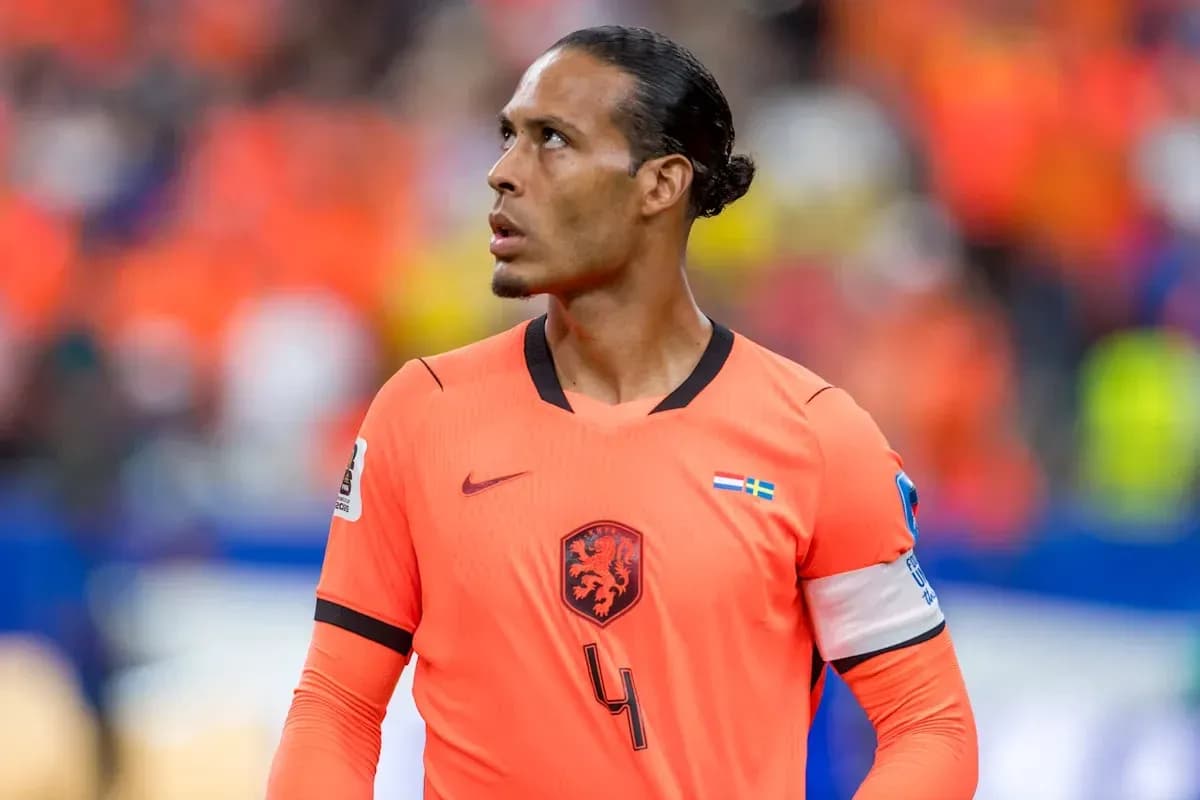
The Netherlands’ World Cup exit was dramatic enough. The reaction back home has been even fiercer.
Virgil van Dijk, the captain and defensive figurehead of this Dutch generation, has been dragged into the eye of the storm after the Oranje’s elimination to Morocco on penalties. A late equaliser, extra time, a shootout, and then the inquest. And right at the centre of it: Van Dijk.
Driessen’s Verdict: “Time Is Up”
In a country that has never been shy about criticising its own, few voices cut through quite like Valentijn Driessen’s. Writing in De Telegraaf, the columnist unleashed one of the most scathing assessments Van Dijk has faced in his international career, tearing into both the Liverpool defender and outgoing national coach Ronald Koeman.
“Ronald Koeman and Virgil van Dijk have betrayed everything our national team stands for,” Driessen wrote, a line that has ricocheted around Dutch football since the final whistle.
His attack went beyond the usual frustration that follows a knockout defeat. Driessen argued that the much-debated switch to a back three during the tournament stemmed from Van Dijk’s inability to organise the defence properly in the group stage. In his view, the captain’s shortcomings forced the coach into tactical compromises that ultimately undermined the team.
Then came the decisive moment against Morocco.
As stoppage time ticked away and Morocco threw bodies forward, Van Dijk lost his man in the box. The cross came in, the run wasn’t tracked tightly enough, and the ball ended up in the Dutch net. The equaliser pushed the game into extra time, then penalties, and eventually out of the Netherlands’ grasp.
Driessen pinned that moment squarely on Van Dijk, accusing him of allowing the chance to develop and closing his column with a brutal conclusion: the defender’s “time is up.”
For one of the most decorated defenders in Dutch history, it was a stunning public rebuke that captured the anger and sense of a missed opportunity surrounding this campaign.
One Lapse, One Exit
Van Dijk will not need a columnist to tell him that the equaliser will haunt him. This is a player who has built a reputation on reading danger early, dominating his area, and bringing calm to chaotic situations. In that single, crucial phase, the calm deserted him.
The ball was delivered, the run came, and the Dutch back line wobbled at precisely the wrong second. At this level, that’s all it takes.
Yet to reduce an entire World Cup exit to one defensive lapse is to strip away the nuance of knockout football. The Netherlands had chances to kill the game long before Morocco’s late surge. They controlled long stretches, created openings, and had periods where the contest should have been placed out of reach.
Across much of the match, Van Dijk remained a commanding presence. He won his aerial battles, cleared danger, and helped keep Morocco’s threat relatively contained until those frantic final minutes. For large parts of the evening, he did what he has done for years: marshal, organise, lead.
Then came the slip, and with it, a narrative that threatens to overshadow everything else.
Playing Through Pain
After the dust settled, Koeman added a detail that changes the frame, if not the outcome. The Netherlands coach revealed that Van Dijk had been struggling physically as the match wore on.
His calf, Koeman admitted, had been “bothering him badly.” Even so, the captain stayed on, pushed through extra time, and tried to drag his side into the semi-finals.
For a central defender, a compromised calf is not a minor issue. It bites into acceleration, turning speed, and recovery runs – precisely the qualities needed when opponents are flooding forward in the dying moments of a knockout tie.
Van Dijk could have signalled to come off. He didn’t. He chose to stay out there, limping through the tension, trusting his experience to compensate for a body that was no longer fully responding. That choice, too, is part of the story.
It doesn’t erase the mistake. It does explain, at least in part, why it happened.
Legacy Under Scrutiny
The backlash underlines the brutal reality of international tournaments. Emotions run high, and the biggest names are the first to be called to account. Captains carry the heaviest burden, and Van Dijk is no exception.
For more than a decade, he has operated at the top of the European game, defined by leadership, consistency, and an almost unshakeable composure. He has anchored Champions League and Premier League title runs, and for the national team he has been the face of a new defensive era.
One bad night does not erase that body of work. But in the unforgiving court of public opinion, it certainly stains it.
The question now is not what went wrong – that has been replayed and dissected from every angle – but what comes next.
What Comes After the Storm
The immediate future is clear enough. Van Dijk will step away from the intensity of tournament football and return to club duty after a spell of rest and recovery. Physically, he needs it. Mentally, perhaps even more.
For the Netherlands, the cycle resets. Koeman departs, plans for the next campaign begin, and a new shape for the team will be drawn up. Whether Van Dijk remains at the heart of that blueprint is exactly the debate Driessen has tried to ignite.
Does his criticism echo the wider feeling in Dutch football, or is it the loudest voice in a divided room? That answer will emerge not in columns or talk shows, but in selection meetings and performances on the pitch.
When Van Dijk next pulls on the Oranje shirt, every touch, every duel, every defensive decision will be viewed through the lens of this World Cup exit. Under that glare, he has one option if he wants to close this chapter on his own terms: respond the way great captains always do – not with words, but with the kind of performance that silences a nation’s doubts, if only for ninety minutes.
Related News
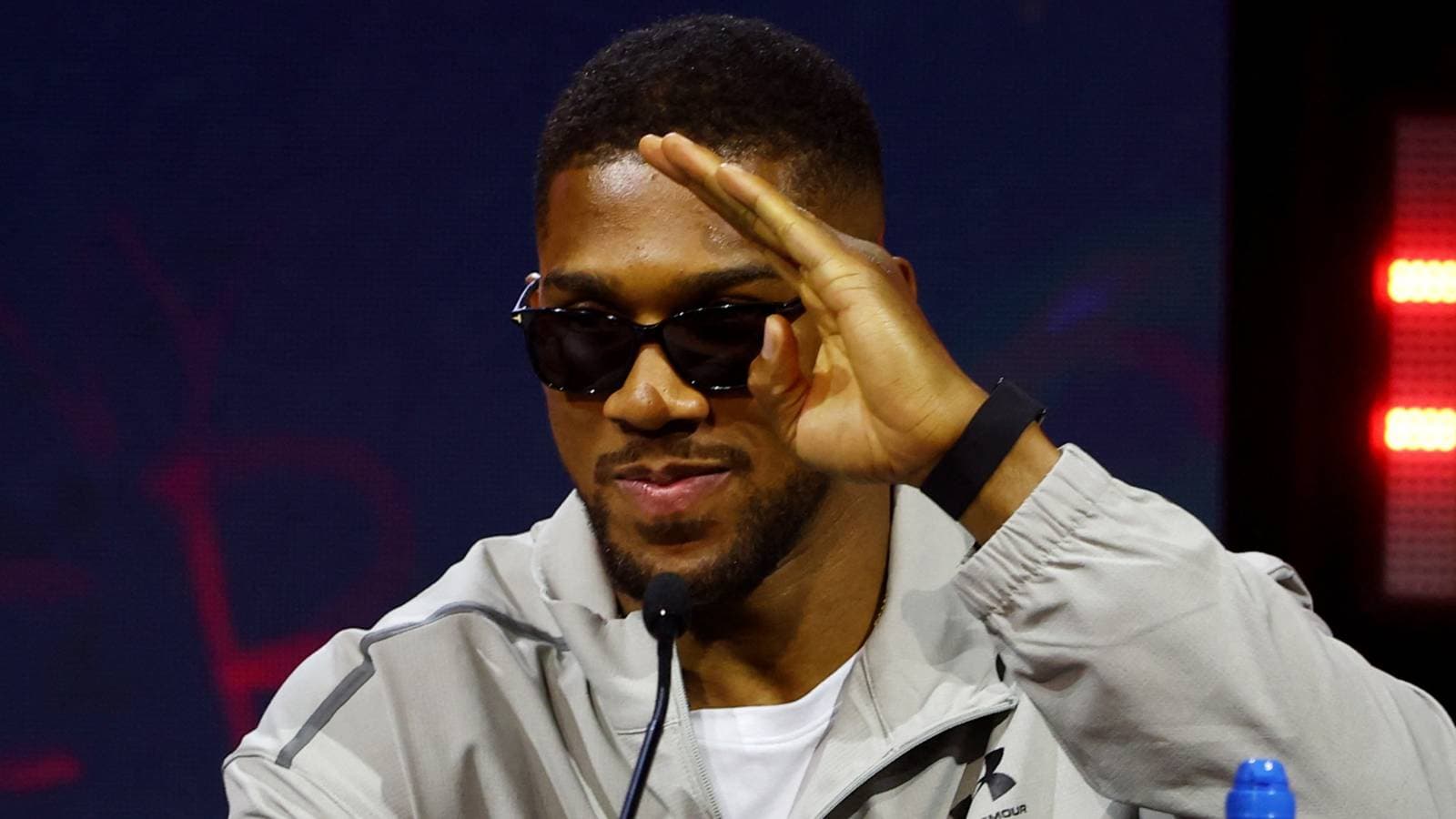
Anthony Joshua Names Murat Gassiev as Next Opponent if He Defeats Tyson Fury
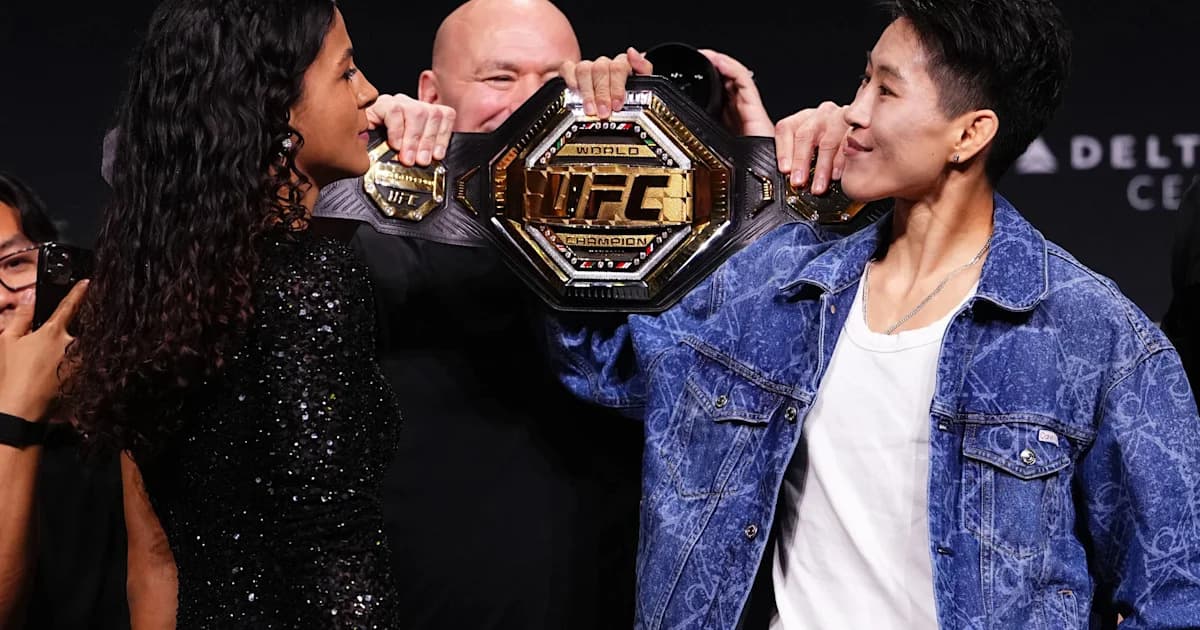
UFC 332: Start Time and Fight Highlights for Natalia Silva vs. Wang Cong
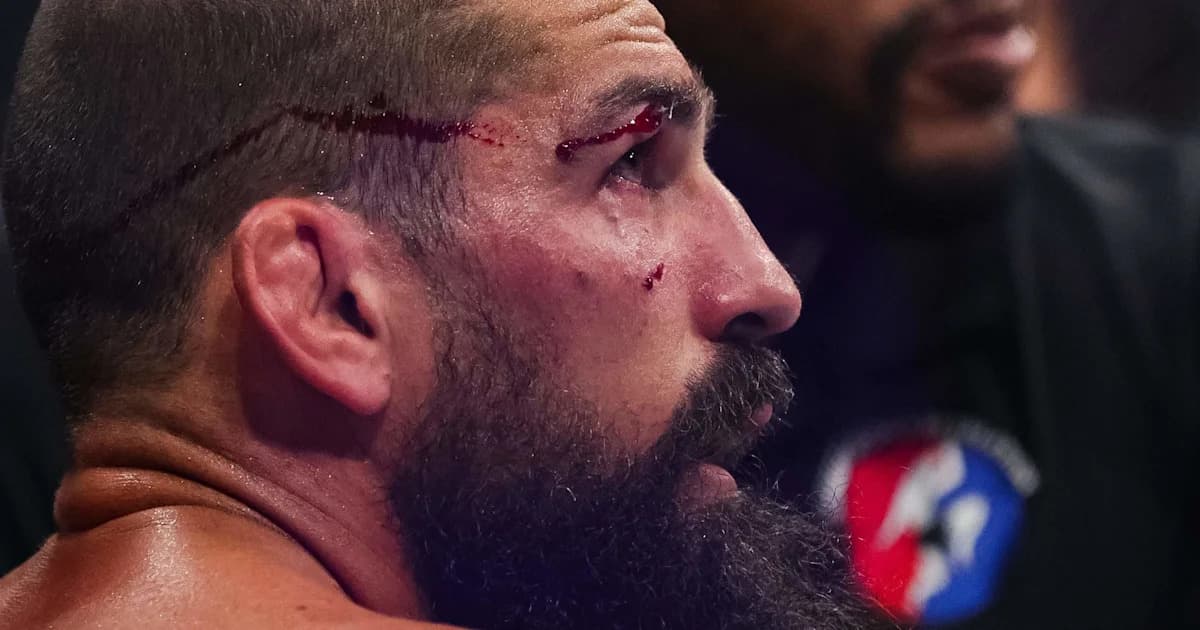
Court McGee Opens Up About Choosing UFC 332 as His Final MMA Fight
WBC Orders Lightweight Title Unification: William Zepeda vs Jadier Herrera
BCCI Pension List: Monthly Payments to Retired Indian Cricketers in 2025

Why Fury vs Joshua Is Set for Cardiff, and Dua Lipa’s Unexpected Role