
Walid Ouahbi Reflects on Morocco's Defeat to France
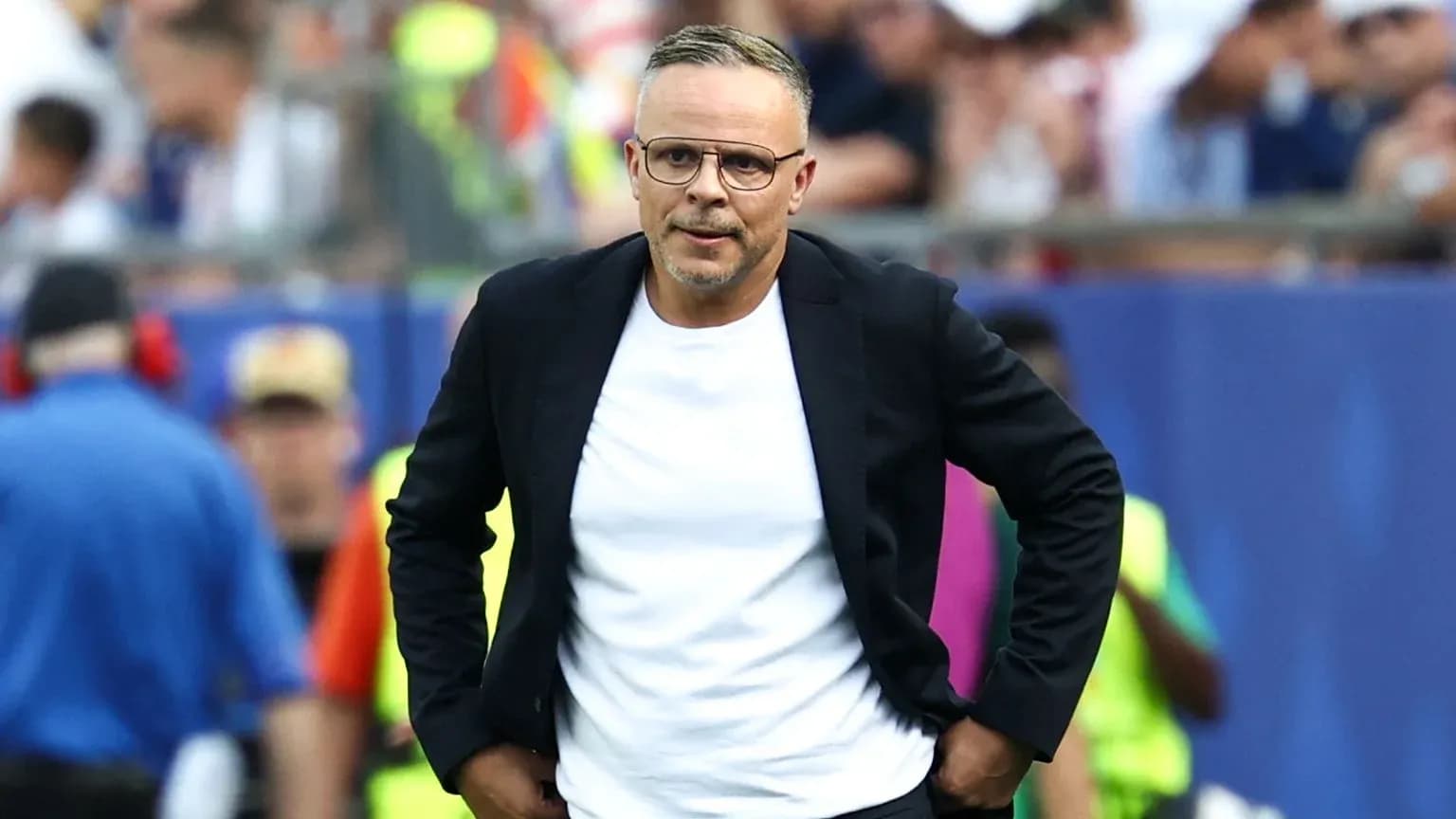
Walid Ouahbi walked off still turning the moment over in his mind: the touch, the break, the finish, and the decision that stood. For him, France’s opening goal should never have counted.
The flashpoint came when Adrien Rabiot appeared to handle the ball in the build-up, before Kylian Mbappe pounced and drove it ruthlessly past Yassine Bounou and into the Moroccan net. The stadium roared; the Moroccan bench erupted for a very different reason.
After the match, Ouahbi did not hide his frustration with referee Facundo Tello for letting the goal stand, insisting the incident had changed the rhythm of the contest.
“The goal came from a bit of a… shared ball, some people stopped because they saw a handball,” he told beIN Sports, still replaying the scene. “It was a handball, I don’t know if it should have been called or not, I don’t know.”
Players hesitated, arms went up, and for a split second Morocco seemed caught between protest and play. France did not hesitate. They punished.
Yet Ouahbi’s anger never tipped into excuse-making. Once the controversy was parked, he turned quickly to the gulf in quality he had just faced and the response he had demanded from his own players.
“We have to admit that we played against a very good team,” the 49‑year‑old said. “We suffered a lot in the first half, and Bounou made a great save on the penalty.”
Morocco spent long stretches of that opening period pinned back, chasing shadows, struggling to breathe in the French press. When the penalty came, Bounou’s stop kept them alive, a rare moment of control in a half where Morocco looked heavy-legged and short of air.
“In the first half, it seemed like some players were catching their breath,” Ouahbi admitted.
After the break, the mood shifted. Lines tightened. Nerves settled. Morocco finally began to put a foot on the ball and hold it.
“In the second half, we defended better and, above all, we were more composed with the ball. We were much better,” he said. “We saw that these same players started the second half well.”
Passes began to stick. The team pushed a little higher. The fear that had gripped them early on loosened its hold, and Morocco looked more like a side that believed it belonged on the same pitch.
The closing stages were draining. France probed, Morocco clung on, and every transition felt like it might be the last chance to snatch something back. When the final whistle came, it cut deep.
“It was tough at the end, but I believe we must continue to believe, to work,” Ouahbi said, the disappointment clear but controlled.
His gaze turned quickly to the bigger picture: depth, durability, and the need to build a squad that can absorb setbacks without losing structure.
“We must also continue to work on the basics, ensuring that when there are injuries, players who are less fresh, we can have a larger pool of players. We will continue, we will not stop here. We are very disappointed, we wanted more, but we have to accept it.”
A disputed handball, a ruthless finish, and a brutal lesson from an elite opponent. Ouahbi leaves with frustration burning, but also with a clear idea of what Morocco must become if they are to turn nights like this from regret into statement wins.
Related News
Anthony Joshua Names Murat Gassiev as Next Opponent if He Defeats Tyson Fury
UFC 332: Start Time and Fight Highlights for Natalia Silva vs. Wang Cong
Court McGee Opens Up About Choosing UFC 332 as His Final MMA Fight
WBC Orders Lightweight Title Unification: William Zepeda vs Jadier Herrera
BCCI Pension List: Monthly Payments to Retired Indian Cricketers in 2025
Why Fury vs Joshua Is Set for Cardiff, and Dua Lipa’s Unexpected Role