
Warren Zaire-Emery: France's Rising Star Left Waiting
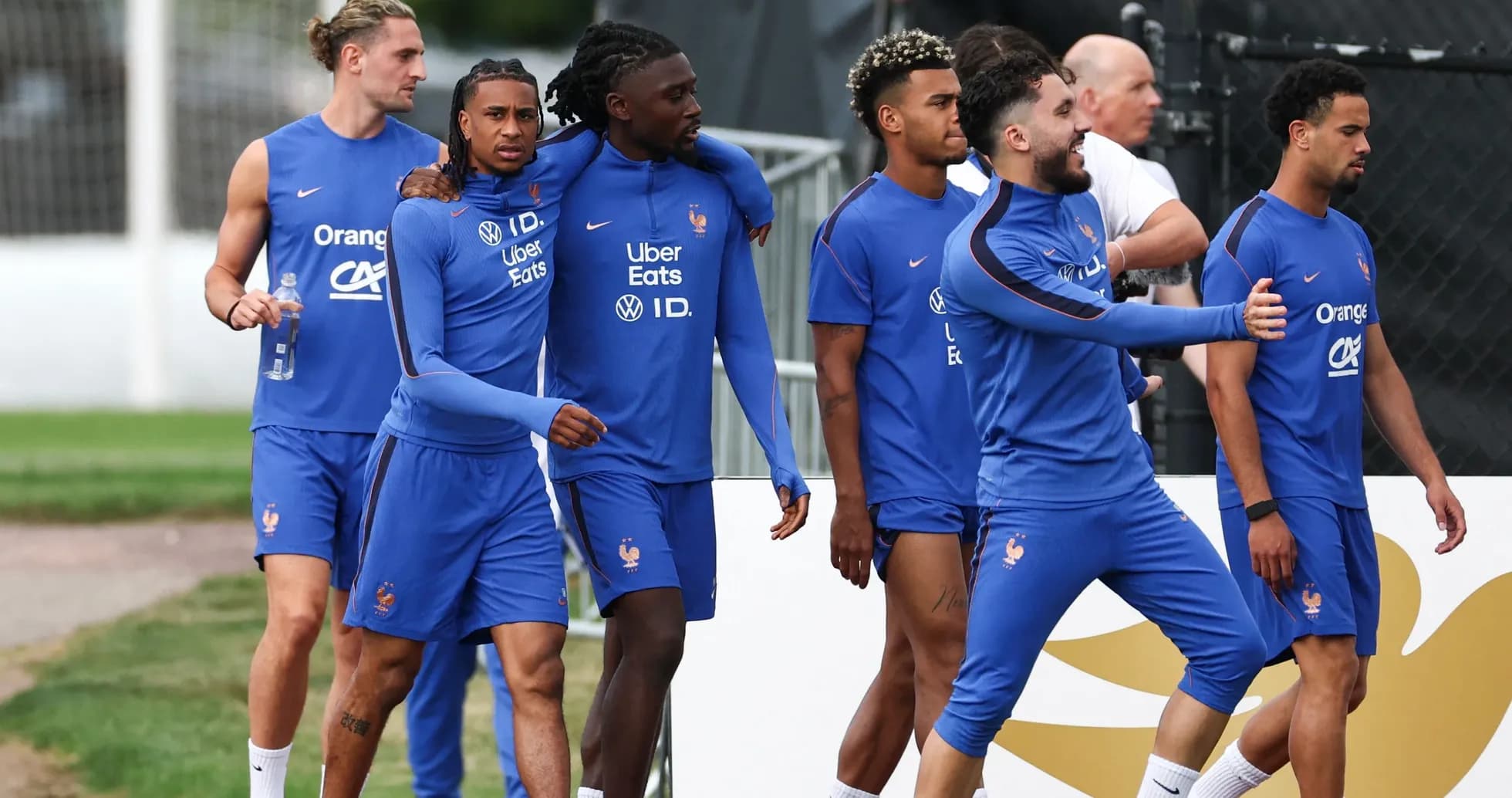
In Philadelphia, France ground out a 1-0 win over Paraguay to book a quarter-final with Morocco. On the surface, everything looks calm. The world champions are still standing, still winning, still on course.
Look a little closer at the bench, though, and the picture changes.
A Rising Star Left Waiting
Warren Zaire-Emery arrived at this tournament as one of the faces of France’s new generation. Twenty years old, already a pillar at PSG, and fresh from a season that would normally guarantee a prominent international role.
Instead, five games in, he has not played a single minute.
Reports from Get French Football News describe the midfielder as “increasingly frustrated” and “struggling” with his lack of involvement. Bewilderment is the word attached to his mood, a strong term but an understandable one when you consider his status in Paris.
This is not a youngster on the fringes of club football. Zaire-Emery made 54 appearances in all competitions last season for a PSG side that retained the Champions League. He did it in a dressing room full of stars, under a demanding coach, in matches where mistakes are rarely forgiven.
He became a guaranteed starter for Luis Enrique, even shuffling out to right-back when required. Trusted. Flexible. Central to everything.
Then he came to the national team and disappeared from the pitch.
From Luis Enrique’s Trust to Deschamps’ Blind Spot
Luis Enrique has never hidden what he thinks of him. Back in February, the Spaniard called him a “wonderful” player and underlined that any transformation in Zaire-Emery’s game came from the player himself, not from the coach’s magic touch. “He’s an incredible player, he can play anywhere,” Enrique said. For a manager who prizes positional intelligence and technical security, that is as high as praise gets.
At PSG, that profile made him indispensable.
With France, it has not even made him a substitute.
Didier Deschamps has nailed his colours to a different midfield. Manu Kone and Adrien Rabiot have formed the core, especially with Aurelien Tchouameni nursing a thigh problem. The Real Madrid man missed the Paraguay game for that reason, yet even in his absence the France coach stuck with Kone-Rabiot and never turned to Zaire-Emery, not even to close out a physically draining contest.
That choice cut deep. It is one thing to be behind an established starter. It is another to see a vacancy open in your position and still be overlooked.
Isolation in a Winning Squad
The contrast with his club teammates only sharpens the sting. Bradley Barcola, Desire Doue, Ousmane Dembele – all have played prominent roles in France’s attack during this tournament. They have had the chance to imprint themselves on the campaign, to make mistakes, to recover, to grow into the shirt.
Zaire-Emery has had to watch it all from the touchline.
Reports suggest the midfielder has already spoken directly with the coaching staff about his situation. There is no talk of disruption, no suggestion that he has crossed the line in a tightly controlled environment. But the message is said to be clear: he does not understand his place in the pecking order, and the lack of clarity is biting.
This is the paradox of tournament football. Success can mask individual discontent. France are winning, so the system is “working.” Yet inside that success, a player who dominated for one of Europe’s biggest clubs feels surplus to requirements.
For a competitor wired like Zaire-Emery, that is a brutal adjustment.
A Door That Might Open
All of this unfolds with the Morocco quarter-final looming and Tchouameni’s fitness still a concern. If the Real Madrid midfielder does not make it, Deschamps will again have to juggle his options in the middle of the pitch.
On form and on club pedigree, Zaire-Emery should be right in that conversation. A tireless runner, technically secure, tactically disciplined, able to slot into multiple roles – the profile screams tournament asset.
Yet the coach’s choices so far tell a different story.
For now, the PSG midfielder remains on high alert, preparing as if his moment could come at any second. He has no other choice. One injury, one suspension, one tactical rethink, and the player who has been invisible for five matches could suddenly be thrust into the heart of France’s campaign.
He has waited all tournament to kick a ball. If the call finally comes against Morocco or beyond, how quickly can a sidelined star turn quiet frustration into decisive impact on the biggest stage?
Related News
Anthony Joshua Names Murat Gassiev as Next Opponent if He Defeats Tyson Fury
UFC 332: Start Time and Fight Highlights for Natalia Silva vs. Wang Cong
Court McGee Opens Up About Choosing UFC 332 as His Final MMA Fight
WBC Orders Lightweight Title Unification: William Zepeda vs Jadier Herrera
BCCI Pension List: Monthly Payments to Retired Indian Cricketers in 2025
Why Fury vs Joshua Is Set for Cardiff, and Dua Lipa’s Unexpected Role