
Wojciech Szczęsny: The Pain of a Career Shaped by a Freak Accident
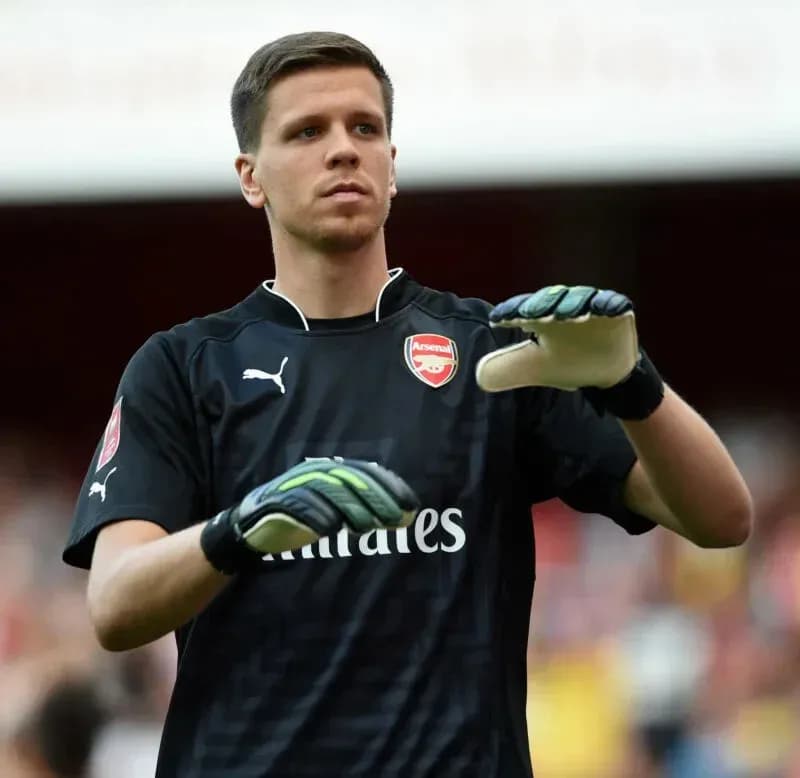
Wojciech Szczęsny still feels it.
Not the weight of expectation, or the noise of the crowd. The weight of a barbell that slipped at London Colney in 2008 and came crashing down onto the arms of a 17‑year‑old goalkeeper who thought his career might be over before it had even started.
Back then he was just a teenager in Arsenal’s academy, trying to bulk up, trying to impress. One moment of misjudgment on the bench press changed everything. The bar dropped, smashed into his forearms and fractured both radii, injuries Arsène Wenger would later describe starkly: it "crushed his forearms."
The damage was brutal. Both arms broken, both needing surgery, both fitted with metal plates. There were genuine fears inside the club that this was it, that the promising Polish keeper would never fully recover. A planned loan move disappeared overnight. His climb towards the first team stopped on the spot.
He spent six to seven months out, rebuilding, waiting, wondering. The story ultimately became one of resilience: Szczęsny did come back, did force his way through the ranks, and did become Arsenal’s number one. From that point on, the narrative looked simple — a young keeper survives a freak accident and goes on to make it.
Only it never really left him.
Now 36, Szczęsny has revealed that the pain from that day still follows him into every match, every training session, every save. The scars are not just metal and memory.
"It's not that I can catch the ball without feeling pain," he said. "There has not been a single shot that I have stopped without feeling anything. I've just gotten used to the pain and it's a very unpleasant feeling."
That is the reality behind the highlight reels: every dive, every parry, every clean catch comes with a reminder of a barbell dropped in a quiet corner of London Colney almost two decades ago. The body healed enough to play at the highest level. It never healed enough to forget.
"I can do two workouts, but I already know that the third one will be an ordeal," he admitted, a line that says as much about his tolerance as it does about the damage. The grind that sustains elite careers has, for him, always come with a built‑in limit.
The pain became so relentless that, by his own account, it helped push him towards the idea of walking away. One of the reasons he considered retirement was not form, not age, but the simple, exhausting fact that every action as a goalkeeper hurt.
Then came the twist. A month after that mindset took hold, Barcelona called. Arsenal had already been in touch and were turned down. The Catalan giants, though, tempted him back into the arena he had been ready to leave behind.
For Szczęsny, the choice said everything. The discomfort that started with a bar slipping in 2008 still shapes his daily life, still dictates how many sessions he can manage, still bites with every shot he stops. Yet he keeps stepping back into goal, knowing the ordeal is coming.
The freak accident did not end his career. It became the constant companion to it.
Related News
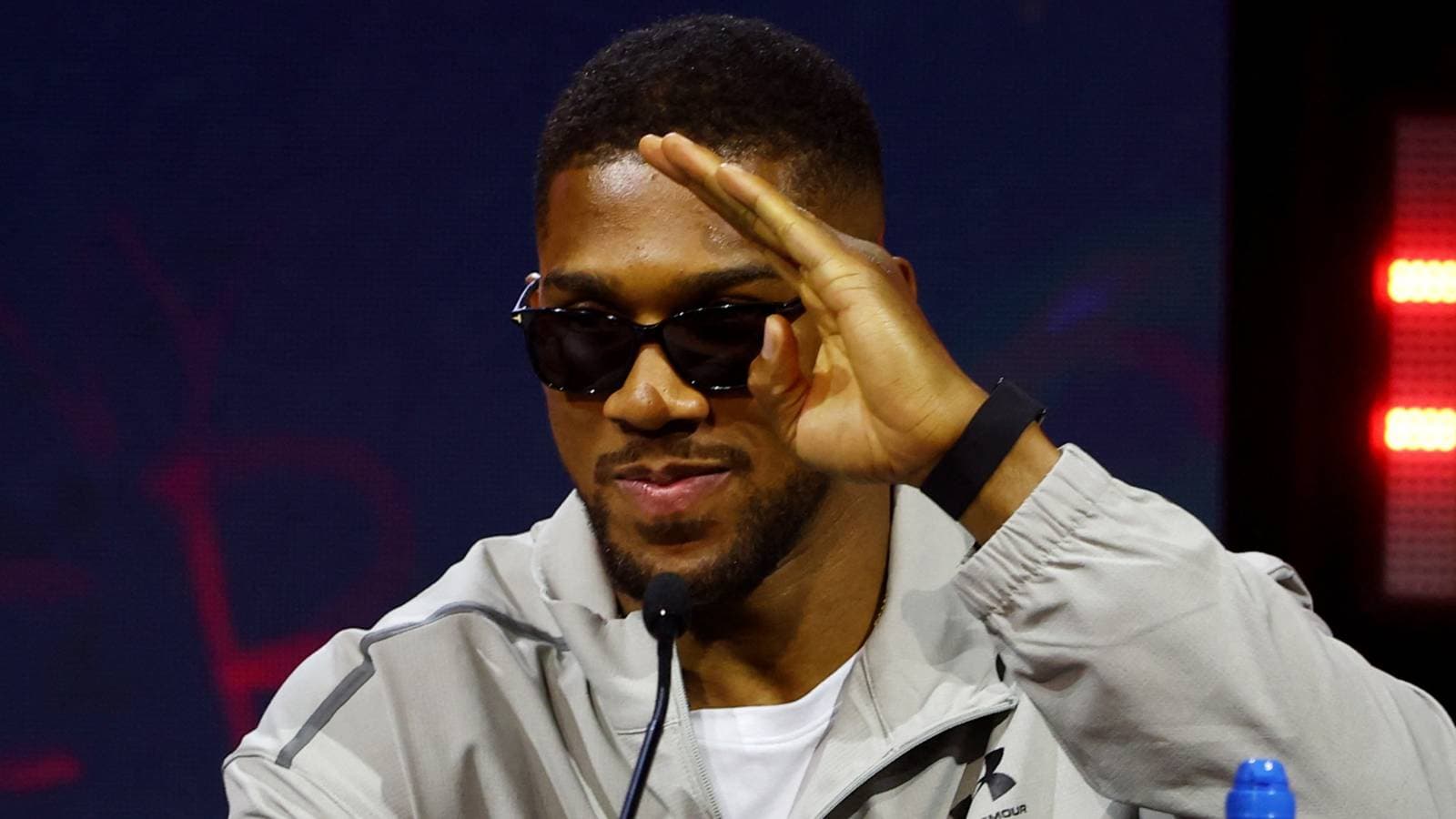
Anthony Joshua Names Murat Gassiev as Next Opponent if He Defeats Tyson Fury
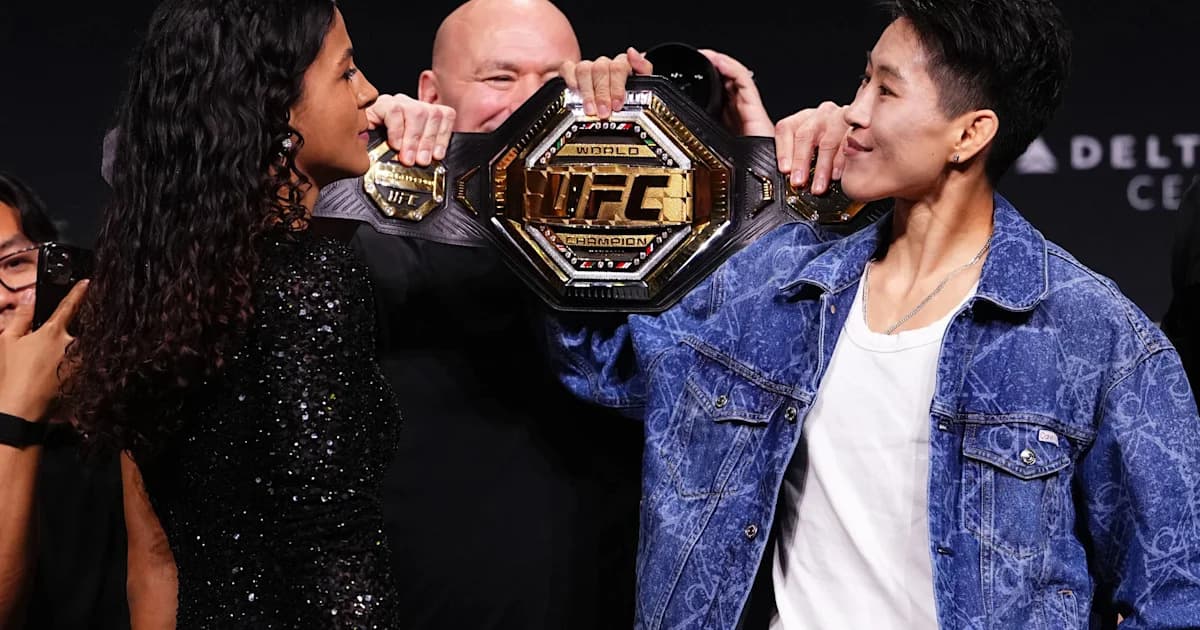
UFC 332: Start Time and Fight Highlights for Natalia Silva vs. Wang Cong
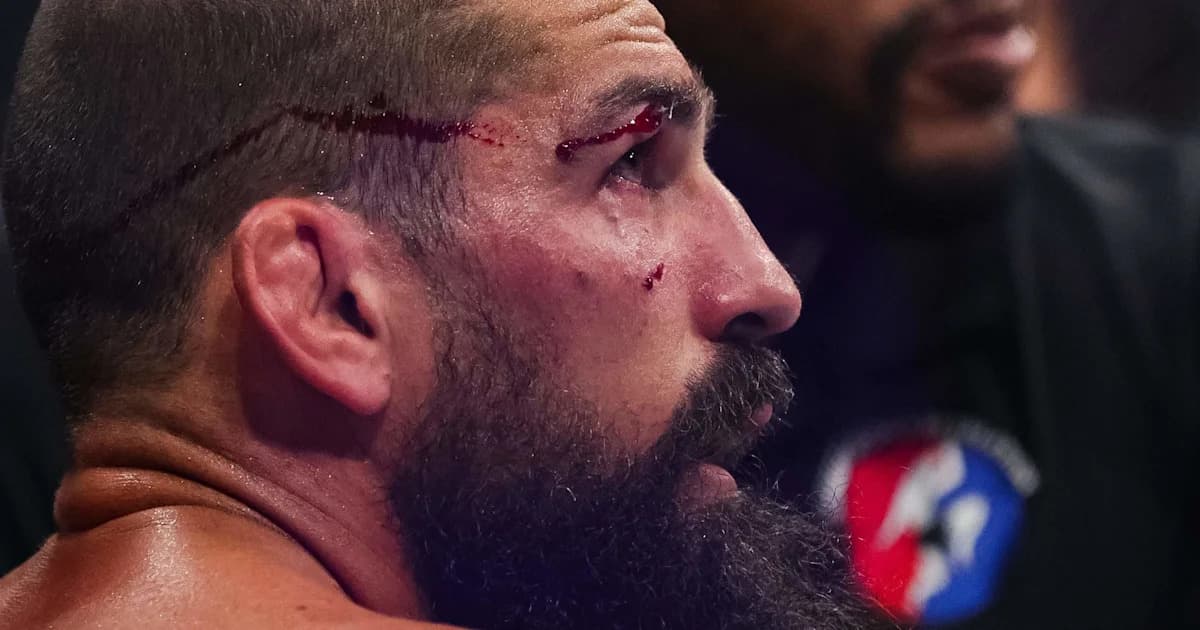
Court McGee Opens Up About Choosing UFC 332 as His Final MMA Fight
WBC Orders Lightweight Title Unification: William Zepeda vs Jadier Herrera
BCCI Pension List: Monthly Payments to Retired Indian Cricketers in 2025

Why Fury vs Joshua Is Set for Cardiff, and Dua Lipa’s Unexpected Role