
What Netherlands, Sweden, and Japan Must Do to Reach World Cup Knockout Stage from Group F
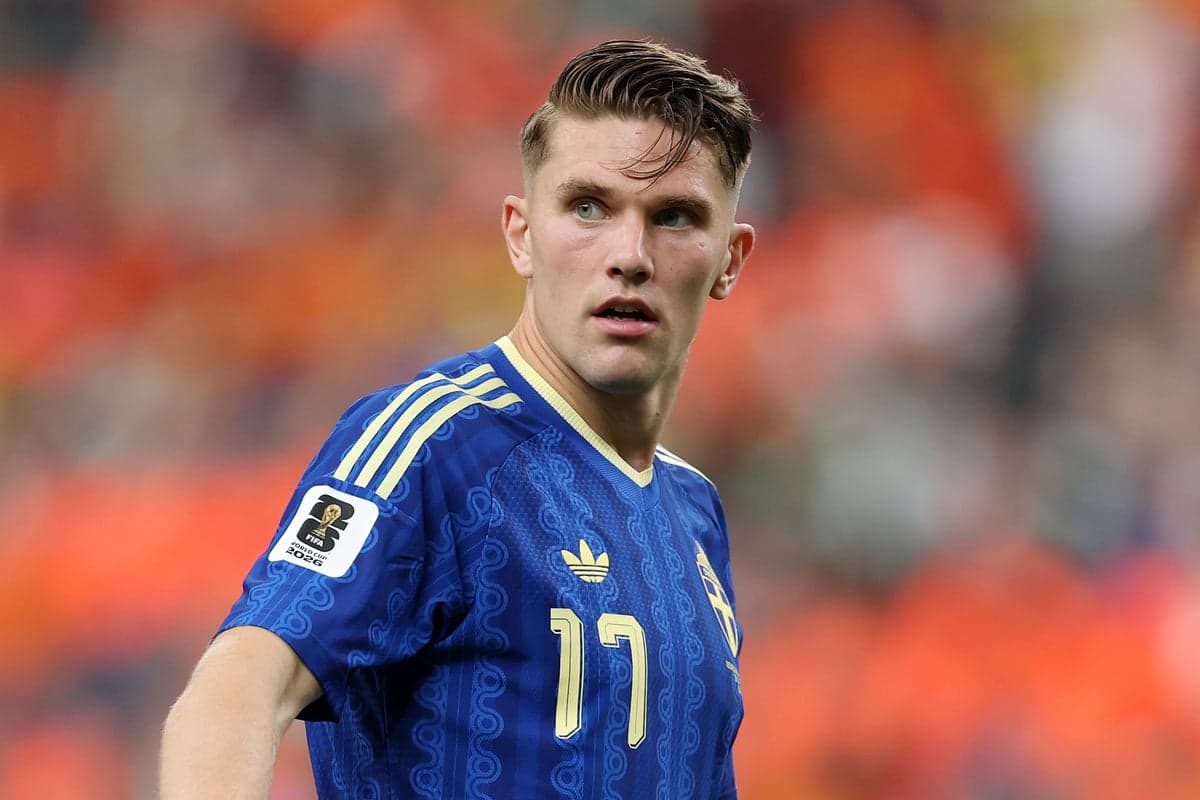
The group stage of the World Cup 2026 is nearing its conclusion, with teams eager to secure their place in the knockout rounds. Out of 48 nations, 32 will advance: the top two from each group automatically qualify, plus the eight best third-placed teams. This setup keeps many teams in contention as they enter the final round of matches.
In Group F, the standings could shift dramatically after the last games. Netherlands leads on goals scored but with a condition to consider, holding four points from six possible. Japan follows closely, while Sweden trails by just one point. Tunisia remains without points and out of contention.
The Dutch appear best positioned to finish first since they face Tunisia in Kansas, whereas Sweden and Japan meet in Arlington, Texas. Both matches start at midnight BST on Friday.
How Can Netherlands Secure Advancement?
Coach Ronald Koeman’s team looks set for another victory over Tunisia, who have struggled so far. This would likely ensure a top-two finish and potentially an easier draw in the knockouts. The Netherlands are nearly guaranteed advancement and can only drop below second place if they lose to Tunisia and Sweden beats Japan by a narrower margin.
After scoring five goals against Sweden in their previous match, the Dutch hold the tiebreak advantage if they lose but Sweden and Japan draw.
Japan’s Path to the Last 32
Japan needs to avoid defeat to claim a spot in the top two. Even a heavy loss might not eliminate them, as finishing third could still allow progression. Outperforming the Netherlands’ result against Tunisia would secure Japan the group’s top position.
Sweden’s Chances to Advance
A win guarantees Sweden a knockout berth. A draw should also suffice, though a loss complicates matters, forcing them to rely on other third-placed teams performing worse.
To finish first, Sweden must beat Japan and hope the Netherlands fall to Tunisia. With a draw, they remain behind Japan but tied on four points.
Head-to-Head Results Over Goal Difference
If teams tie on points, the ranking depends first on their head-to-head results. When more than two teams share points, a mini-league forms excluding matches against others. Rankings within this group come from points earned, goal difference, then goals scored. If unresolved, overall group goal difference and goals scored are considered.
Additional Tiebreakers
If teams remain tied after applying head-to-head and goal criteria, the Team Conduct Score (TCS) decides. This fair play score deducts points for cards received:
- Yellow card: -1
- Red card for two yellows: -3
- Straight red card: -4
- Yellow followed by straight red: -5
The team with the highest conduct score (closest to zero) ranks higher. If still tied, FIFA rankings from June determine who advances.
Determining the Best Third-Place Teams
The eight third-place teams with the most points progress. If many teams share the same points, goal difference breaks ties. Usually, third-place teams with four or more points move on, while those with three points need excellent goal difference.
Related News
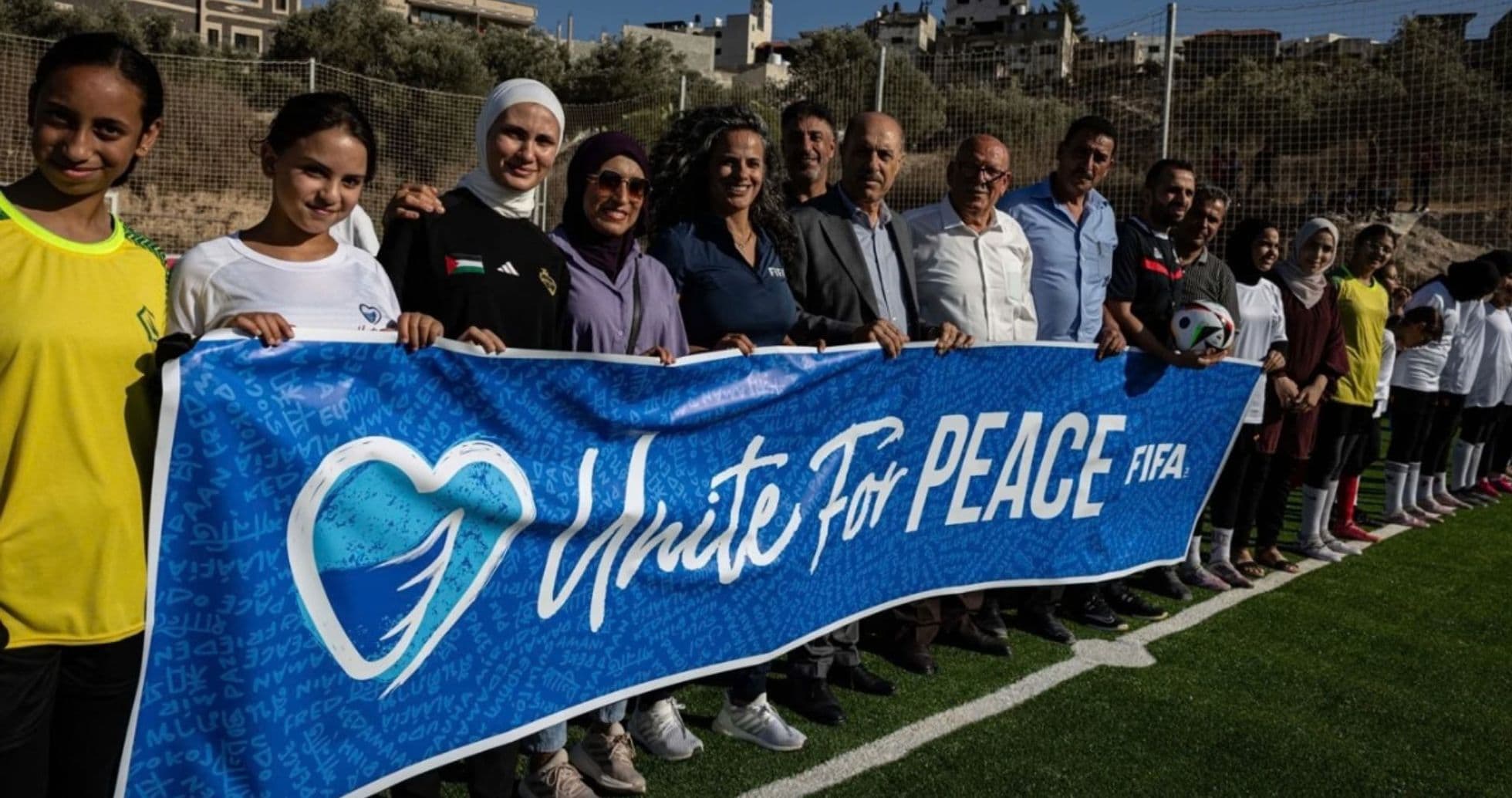
FIFA Opens New Football Arenas in Palestine to Support Youth in the West Bank
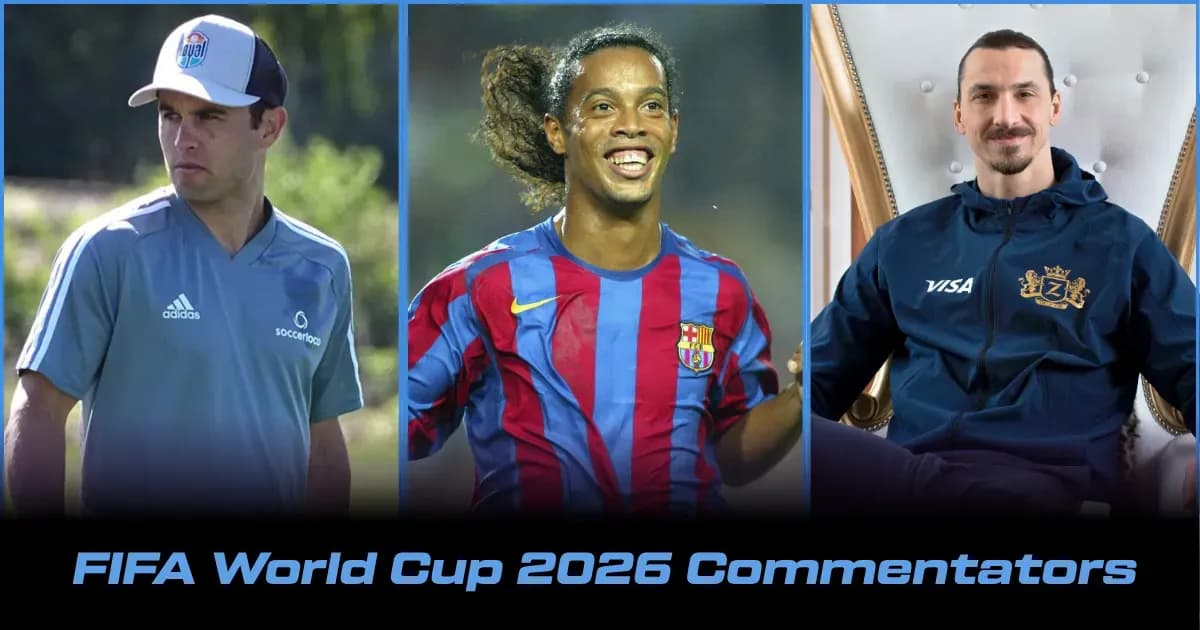
FIFA World Cup 2026: Complete List of Commentators and Presenters
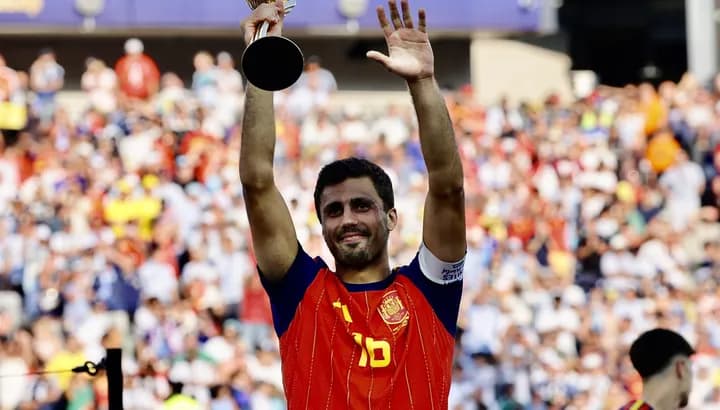
World Cup 2026 Best XI: Messi, Rodri, Mbappe Lead the Team of the Tournament

Spain's Tactical Mastery Secures Second World Cup Victory in 2026
Top 10 Players of the 2026 World Cup: Mbappe or Messi at the Summit?
Gianni Infantino Responds to Critics Amid 2026 World Cup Celebrations