
World Cup Quarterfinals Preview: France, England, Argentina, Spain
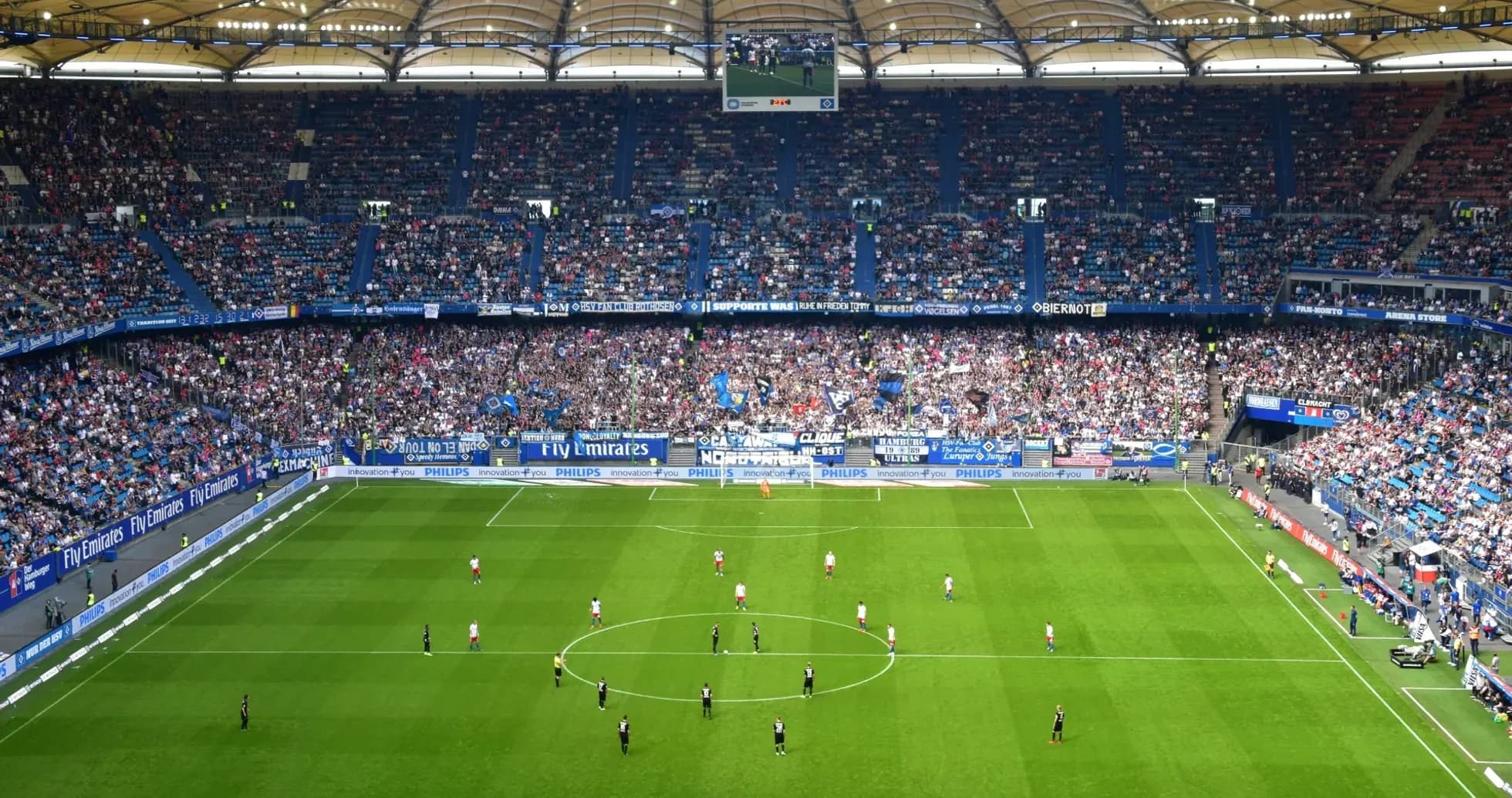
And then there were eight. Ninety-six games in 27 days have ripped through this World Cup, leaving a trail of shocks, late twists and broken brackets. Now comes the sharp end: four quarterfinals in three days, heavyweights and upstarts jammed together with a semifinal place on the line.
A rematch from Qatar. A first-time quarterfinalist. A defending champion walking a tightrope. A Spain side yet to concede. Every tie carries its own tension, its own story.
Here’s how they stack up.
1. France vs. Morocco – July 9
Less than four years ago, they met with a place in the World Cup final at stake. France 2, Morocco 0: a tight, nervy semifinal in Qatar that never truly slipped from French control, yet never felt comfortable either.
The names on the teamsheets have shifted, but the edge remains.
Kylian Mbappé is still the headline act, the man who bends entire game plans around his movement. Ousmane Dembélé again offers chaos and incision from wide areas. Around them, though, Didier Deschamps has refreshed the cast. Michael Olise, Désiré Doué and Bradley Barcola are sampling this altitude for the first time, young attackers trying to prove they belong on the biggest stage of all.
Morocco has evolved too. The spine from that historic 2022 run is still there: Achraf Hakimi rampaging from right-back, Yassine Bounou in goal, Azzedine Ounahi knitting things together in midfield. They’ve added more guile and youth with Brahim Díaz and 18-year-old Ayyoub Bouaddi, a blend of experience and fearlessness that has carried them back into the latter stages.
France arrive as the tournament favorite, but nothing about this feels straightforward. Both sides can score in bunches; both can switch from cautious control to sudden, ruthless transition. One moment of looseness could flip the night.
Morocco’s concern is up front. Ismael Saibari limped out of the round-of-16 win over Canada, and his potential absence looms large. He stretches defenses, pins center-backs, buys time for runners from deep. Take him out and Morocco lose a focal point. In a game this tight, that single missing piece might tilt the balance.
Four years ago, France closed the door on Morocco’s dream. This time, the margins look even thinner.
2. England vs. Norway – July 11
Erling Haaland has turned this World Cup into his personal summer tour of the United States, and Norway has ridden the wave with him. Twenty-eight years after their last appearance on this stage, they’re back in the quarterfinals, and they are not here to make up the numbers.
Miami will feel strangely familiar for Haaland. Across the halfway line: Premier League faces he knows inside out. In England’s defense, he could be staring at three former Manchester City teammates from last season – Marc Guéhi, John Stones and Nico O’Reilly. They know his runs, his tricks, his tells. Of course, he knows theirs.
England’s staff will cling to that familiarity. Any edge helps when you’re trying to contain the most ruthless finisher in the game.
But to reduce Norway to one man would be lazy. Martin Ødegaard dictates tempo and angles from midfield, Sander Berge brings Premier League steel from Fulham, and Oscar Bobb, once of City and now at Fulham, adds craft and direct running out wide. This is a side built around Haaland, not solely dependent on him.
England arrive buoyed by the emotional surge of their comeback win over Mexico, a performance that showcased not just their technical quality but their resilience. They dragged themselves off the canvas and imposed their will. Now comes a different type of examination.
Here, they should dominate the ball. That brings its own pressure. Can they unlock a compact Norwegian block without leaving the back door open? They will need invention between the lines, sharp movement around the box, and the discipline to avoid feeding Norway’s greatest weapon.
Because when England lose it, the danger is instant. Haaland on the break, supported by runners, is a nightmare scenario. One long ball, one flick, one mistimed step from a defender – and the game can be gone.
This feels like a chess match more than a shootout. One or two decisive actions, a single defensive lapse or a flash of brilliance, could be enough to send someone home.
3. Argentina vs. Switzerland – July 11
Argentina do not seem interested in taking the easy road back to a World Cup final.
First came extra time against Cape Verde, a grinding test of patience and nerve. Then a monumental comeback against Egypt, the kind of emotional swing that can either drain a squad or harden it for what lies ahead. Two wins from another final, the defending champions remain locked in a permanent state of drama.
Now, on paper at least, the bar rises.
Switzerland bring a different kind of threat: less chaos, more structure. Their squad is stacked with players hardened in Europe’s top leagues, men who have seen everything and fear little. They have already sent France and Italy home in recent European Championships this decade. The stage does not intimidate them; it suits them.
Defensively, the Swiss have the tools to frustrate Argentina and slow Lionel Messi’s influence. Compact lines, smart positioning, and a willingness to suffer without the ball could drag this game into uncomfortable territory for the holders. They will not chase shadows; they will wait, and they will pounce on mistakes.
The question is what happens when Switzerland cross the halfway line.
Breel Embolo offers a direct route to goal, a forward who can finish if given service and space. Yet the real boost would be a fully fit Johan Manzambi. His return to health would add another dimension to their attack, more mobility and unpredictability around the box, and that might be exactly what they need against a side of Argentina’s caliber.
Argentina know this script. They will expect to carry the game, to probe and press and ask the same question over and over: can you hold us for 90 minutes? Switzerland will answer with their own: can you keep your nerve if we do?
The champions are two steps from defending their crown. The next one may be their most awkward yet.
4. Spain vs. Belgium – July 10
Five games. Zero goals conceded. Spain have turned this World Cup into a lesson in control.
They suffocate opponents with the ball, dictating tempo, forcing teams to chase and chase until the gaps appear. It’s not just possession for its own sake; it’s a defensive weapon. When Spain have it, you can’t hurt them.
What’s striking is that they’ve done this without their brightest young star fully firing. Lamine Yamal, the 18-year-old Barcelona winger who arrived at the tournament short of full fitness, has not been the primary source of goals. But he doesn’t need to be. His mere presence bends backlines, draws double teams, and opens corridors for others.
Mikel Oyarzabal has been the one cashing in, leading the team with four goals. Around him, contributions have been shared, hints of an attack that might still have another gear. If Yamal sharpens and injured winger Nico Williams can offer more minutes and impact, Spain’s threat could spike at exactly the right time.
Standing in their way is a Belgium side that has lurched from sluggish to explosive.
They stumbled through the group stage, then suddenly caught fire, scoring 12 goals in their last three matches. A shift to a more athletic lineup against the United States changed the tone of their tournament, injecting pace and aggression into a team that had looked stuck between eras.
The cost was heavy. Amadou Onana’s ACL injury in that game is a major blow, stripping power and presence from the heart of their midfield. It may force a recall for Kevin De Bruyne, who sat out the round-of-16 win. If he returns, Belgium gain vision and passing range, but lose some of the legs that had refreshed them.
Rudy Garcia faces more delicate calls. Does he restore Jeremy Doku’s direct wing threat from the start, or keep him as a late-game weapon? Does Romelu Lukaku remain an impact option off the bench, or does he reclaim his place as the focal point from the first whistle?
With extra time a real possibility, those choices carry weight. Garcia will be tempted to hold something back, a spark for the final half-hour if the game drifts into a stalemate.
Spain will try to smother. Belgium will look for moments to break the rhythm, to turn a controlled match into a fractured one. One side wants order, the other needs just enough chaos.
By the end of these four ties, the World Cup will be down to its final four. The only certainty now? The drama isn’t done with this tournament yet.
Related News
Anthony Joshua Names Murat Gassiev as Next Opponent if He Defeats Tyson Fury

UFC 332: Start Time and Fight Highlights for Natalia Silva vs. Wang Cong

Court McGee Opens Up About Choosing UFC 332 as His Final MMA Fight
WBC Orders Lightweight Title Unification: William Zepeda vs Jadier Herrera
BCCI Pension List: Monthly Payments to Retired Indian Cricketers in 2025

Why Fury vs Joshua Is Set for Cardiff, and Dua Lipa’s Unexpected Role