
World Cup Semi-finals: France vs Spain Tactical Analysis
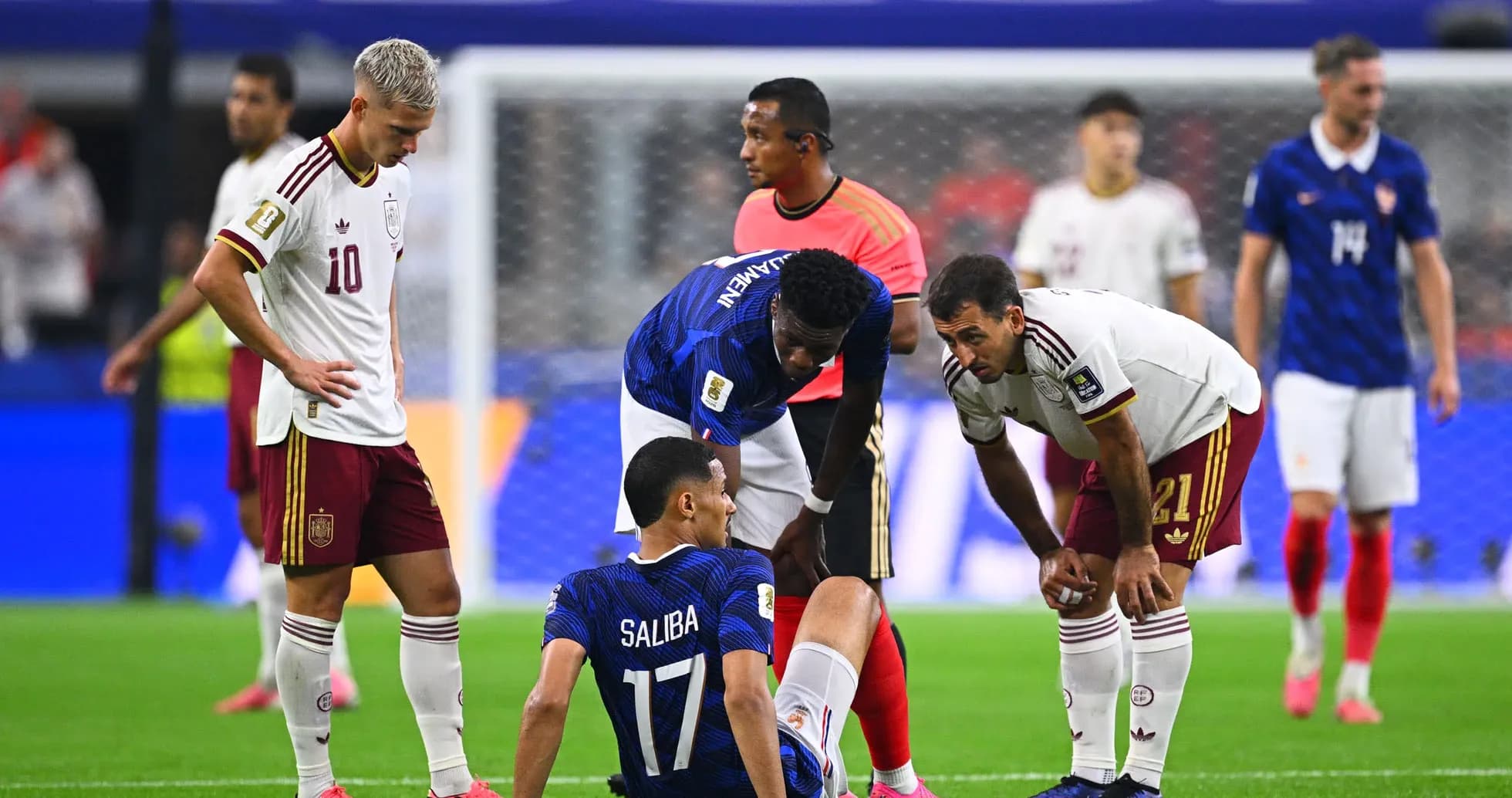
Under the closed roof of Dallas Stadium in Arlington, the World Cup Semi-finals brought together two sides whose entire tournament identities had been building toward this collision: France, the tournament’s most ruthless front‑foot machine, and Spain, its most balanced and controlled collective. The scoreboard at full time told a stark story – France 0, Spain 2 – but the deeper tale lay in how two carefully crafted squads, with contrasting blueprints, met at the edge of their limits.
I. The Big Picture – Two Perfect Machines, One Broken
Heading into this game, France had carved a path through the World Cup with a relentless, almost mechanical efficiency. Overall this campaign they had played 7 fixtures, winning 6 and losing just 1. At home they had played 5 times, winning 4 and losing 1; on their travels they had been perfect, with 2 away wins from 2. Their attacking output was ferocious: in total this campaign they had scored 16 goals and conceded only 4, giving them a goal difference of +12. At home they averaged 2.2 goals for and 0.6 against; away, the averages were 2.5 for and 0.5 against. Clean sheets – 3 at home and 1 away, 4 in total – underlined a side that usually finished games in control.
Spain’s profile was different but no less impressive. Across 7 fixtures they were unbeaten, with 6 wins and 1 draw. At home they had played 4, winning 3 and drawing 1; away they had played 3 and won all 3. Their total of 13 goals for and just 1 against gave them an extraordinary goal difference of +12 as well, but built more on defensive perfection than attacking fireworks. At home their averages were 2.3 goals for and 0.3 against; on their travels, 1.3 scored and 0.0 conceded, with 3 away clean sheets contributing to 6 overall. If France arrived as the tournament’s scalpel, Spain came as the shield that almost never cracked.
Both sides had dominated their groups. France, ranked 1st in Group I with 9 points and a group goal difference of +8 (10 scored, 2 conceded), had marched through with 3 wins from 3. Spain mirrored that control in Group H, also ranked 1st with 7 points from 3 games, 5 goals for and none conceded, their group goal difference a perfect +5. Two group winners, two immaculate resumes, now converging in a Semi-finals cauldron.
II. Tactical Voids and Discipline – Margins in the Shadows
Injuries and suspensions offered no obvious alibi: there was no data indicating key absentees for either side. This Semi-finals was as close to full-strength as a deep tournament run allows, placing the spotlight squarely on tactical choices and in‑game adaptability.
Disciplinary trends, however, hinted at how each team might live on the edge. France’s yellow cards had a distinct late‑game skew: 33.33% of their cautions came between 76-90 minutes, and another 16.67% arrived between 91-105. It painted a picture of a team whose intensity, or desperation, often spiked as the clock ticked into its decisive phase. Spain, by contrast, showed a different pattern: 33.33% of their yellows came just before half-time (31-45), and a striking 50.00% between 91-105, suggesting that their most fraught moments tended to cluster around transitions – right before the break, and in the first half of extra time.
France’s relationship with penalties also carried narrative weight. Overall they had been awarded 2 penalties, scoring 1 and missing 1 – a 50.00% conversion rate that meant every spot kick carried a hint of doubt. Spain, by contrast, had been clinical from the spot: 1 penalty taken, 1 scored, a flawless 100.00% record.
III. Key Matchups – Hunter vs Shield, Engine Room vs Control Tower
The headline duel was always going to be Kylian Mbappé against Spain’s defensive structure. Mbappé entered this Semi-finals as one of the World Cup’s most devastating hunters: in total this campaign he had 8 goals and 3 assists from 7 appearances, with 30 shots (19 on target) and a rating of 7.96. His penalty record – 1 scored, 1 missed – added a human imperfection to an otherwise monstrous output. Alongside him, Ousmane Dembélé had 5 goals and 2 assists, while Michael Olise, the tournament’s leading creator, had 5 assists and 0 goals but 355 completed passes at an 86% accuracy, plus 15 successful dribbles from 29 attempts. France’s front four in the 4-2-3-1 – Dembélé, Olise, Bradley Barcola and Mbappé – was built to stretch, isolate and overwhelm.
Spain’s answer was not a single defender, but a system anchored by Rodri in front of a back four of Pedro Porro, Pau Cubarsí Paredes, Aymeric Laporte and Marc Cucurella. This unit had conceded just 1 goal in 7 games overall, with 6 clean sheets. On their travels, they had yet to be breached. Laporte’s experience and Cubarsí Paredes’ emerging composure formed a central pairing designed to stay compact against Mbappé’s runs, while Cucurella’s aggression on the left and Porro’s energy on the right allowed Spain to contest France’s wide overloads without collapsing their shape.
In the engine room, Aurélien Tchouaméni and Adrien Rabiot were tasked with disrupting Spain’s rhythm and feeding quick transitions to the front line. But Spain’s midfield triangle of Rodri, Fabián Ruiz and Dani Olmo offered a different kind of threat: control through circulation, plus late runs into the box. Dani Olmo, in particular, blurred the line between midfielder and forward, dovetailing with Lamine Yamal, Mikel Oyarzabal and Álex Baena in a 4-1-2-3 that could look like a 4-3-3 or a 4-2-3-1 depending on the phase.
Oyarzabal, with 5 goals and 1 assist from 7 appearances and 20 shots (11 on target), was Spain’s sharpest finisher, but Yamal’s positioning on the right and Baena’s movement from the left or inside channels forced France’s full-backs Jules Koundé and Lucas Digne into constant defensive calculations: step out and risk the space behind, or stay compact and concede territory.
IV. Statistical Prognosis – When the Shield Breaks the Blade
On paper, France’s offensive averages – 2.3 goals for and 0.6 against in total this campaign – suggested they would eventually break any resistance. Spain’s numbers, though, told of a defence that simply did not yield: 1 goal conceded in 7 matches, an overall average of 0.1 against, with 3 away clean sheets and 3 at home.
Tactically, this Semi-finals was always likely to hinge on whether France could force the game into chaos, where Mbappé’s direct running and Dembélé’s unpredictability could tilt probabilities in their favour, or whether Spain could smother the match into their passing tempo, starving France’s front line of the transitions they crave.
The 2-0 scoreline in Spain’s favour ultimately reflected the latter scenario. The shield not only held; it advanced. France’s attacking stars – Mbappé, Dembélé, Olise and Barcola – were turned from protagonists into chasers, while Spain’s collective, marshalled by Rodri and expressed through the intelligence of Oyarzabal, Yamal and Olmo, showed that in a tournament of fine margins, structural solidity and control can silence even the most explosive of hunters.
Related News
Estevao Opens Up on World Cup Heartbreak and His Unexpected Return to Brazil Under Ancelotti
Thomas Tuchel Shares Unusual Regret After England's 10-Man World Cup Victory Over Mexico
South Korea Names Robert Moreno as Interim Coach After World Cup Exit

Jude Bellingham Returns to Form at Real Madrid Following World Cup Success

Chloe Kelly, Beth Mead and 13 Lionesses Target Big WSL Seasons Ahead of England's 2027 World Cup Campaign
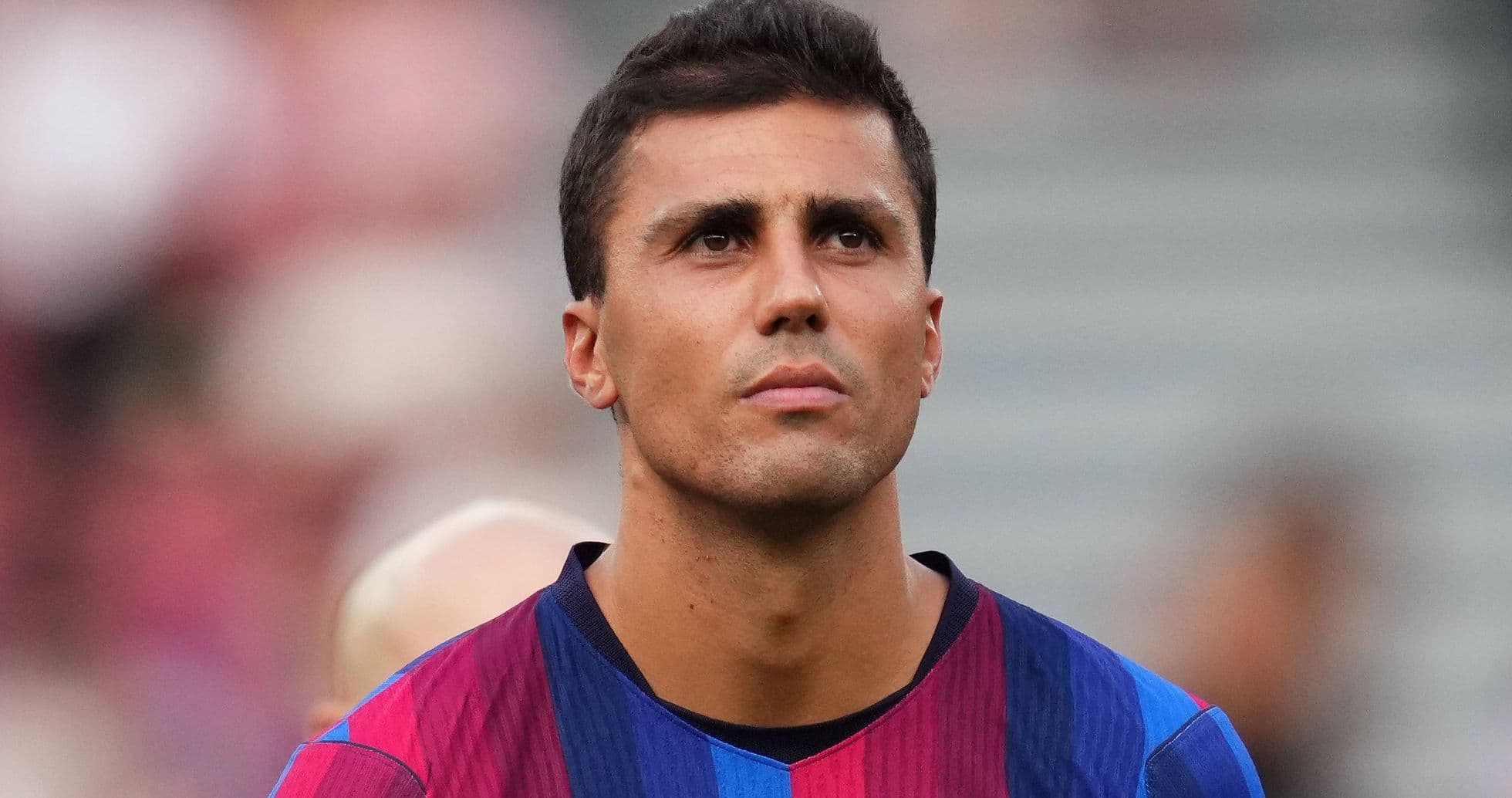
Barcelona Cancels World Cup Tribute for Spain Stars Amid Political Tensions