
Al-Ittihad's Tactical Masterclass Over Al-Nassr
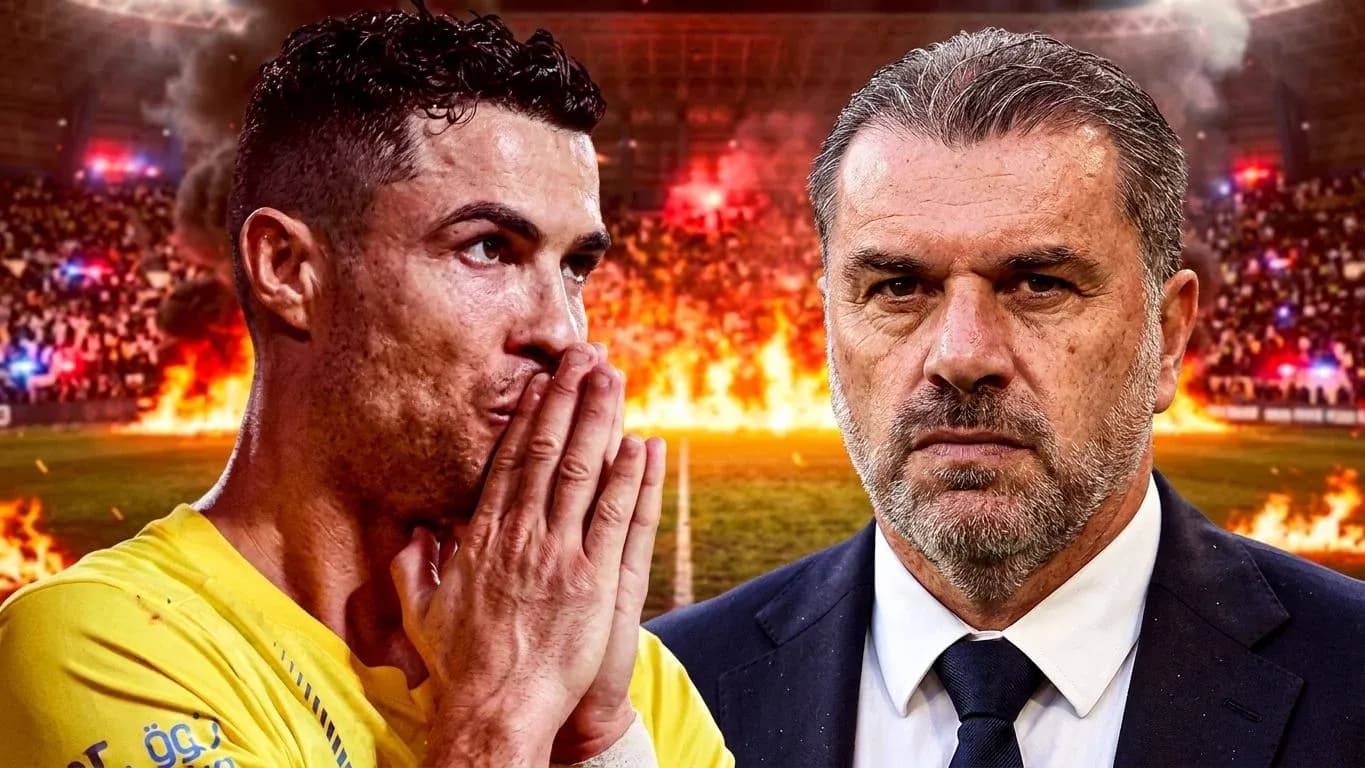
Al-Ittihad did not just hound the man on the ball. They strangled the routes out as well.
From the first whistle, the Saudi giants moved as a single, snarling block. Lose the ball, press. Lose it again, press harder. With Steven Bergwijn and Al-Ghamdi starting high and then drifting inside, Al-Nassr suddenly found every passing lane clogged, every route from back to front blocked. For roughly 22 minutes, “the Global Club” could barely move the ball cleanly from one line to the next.
The pressure broke them almost instantly.
Ilenikhena sets the tone
In the fourth minute, George Ilenikhena cashed in on that suffocating start. His opener was not some freak moment against the run of play; it was the natural outcome of Al-Ittihad’s superiority.
The Nigerian striker burst into the space behind Al-Nassr’s advancing back line, exploiting the collective surge of the team upfield. One run, one ruthless finish, and “the Dean” had a lead that forced Al-Nassr to rip up their early script.
This was exactly why Vieceli had built his plan around him. Ilenikhena thrives in those blind spots behind defenders, living off gaps and chaos. That was the very nerve Al-Ittihad kept poking at.
By the 22nd minute, he struck again. The second goal was even more emphatic, underlining his dominance on the night and turning his brace into the tenth of his career. It also underlined something else: Vieceli had read the game perfectly, using his striker’s movement to punish an ambitious, high Al-Nassr defence.
Midfield control and a broken press
Al-Ittihad did not rely solely on direct balls into space. They owned the middle of the pitch too.
Lobbe and Mukhtar stamped their authority in the central battleground, while Bergwijn and Al-Ghamdi kept tucking inside to create a numerical edge. That superiority in the “manoeuvring zone” ripped Al-Nassr’s structure apart. Their lines stretched, the distances between units grew, and suddenly there was no stable platform to build any organised attack.
One problem stood out more than any other: Cristiano Ronaldo’s role without the ball.
His threat in the box remains unquestioned, but here his presence damaged Al-Nassr’s pressing game. He could not apply constant pressure on Al-Ittihad’s defenders, and that gave Danilo Pereira, in particular, time and comfort to receive, look up and construct attacks from deep. Al-Ittihad often started moves with calm, unhurried passes at the back before steering the ball exactly where they wanted, without the kind of heat that forces mistakes.
Tactically, Ronaldo was “present yet absent.” He offered Al-Nassr one of the world’s deadliest finishers, but when Al-Ittihad had the ball in defence, his lack of pressing intensity left his team effectively a man short in the first line of pressure.
The issue was not his quality or his ability to score. The match demanded relentless, collective pressing. He could not deliver that at the level this game required.
Postecoglou had options. He could have reshaped the pressing structure, tightened the distances between lines, or found a way to shield the build-up zones more aggressively. He did not find the right tweak at the right moment, and by then Al-Ittihad already had two goals in hand.
Al-Ittihad turn strength into a weapon
With “the Dean” dictating the opening third of the match, Al-Nassr were forced into the role they least enjoy: chasing. They no longer controlled tempo; they were reacting to it. Against a side that knew exactly where the spaces were and how to tear them open, that is a brutal position to be in.
Vieceng (Fesing in some accounts) read another weakness perfectly: the adventurous nature of Al-Nassr’s full-backs. The moment Al-Ittihad regained possession, the ball flew into the spaces those full-backs had vacated. Long, direct passes turned defence into attack in seconds.
This was the clearest sign that the coach had gone beyond simply identifying flaws. He took Al-Nassr’s supposed strengths and flipped them. Every time the full-backs surged forward, a fresh pocket of grass appeared behind them. Every time Al-Nassr lost the ball, Al-Ittihad raced into those channels and headed straight for goal.
Al-Nassr fight back
Around the half-hour mark, the storm eased a little. Al-Nassr began to breathe, to pass, to hold the ball for longer spells. “Al-Alami” started to find their rhythm, edging higher up the pitch and finally reaching the attacking third with some conviction.
The shift soon showed on the scoreboard. In the 36th minute, Angelo pulled one back, lifting his teammates and dragging the match into more complex territory just before half-time. The goal signalled that Al-Nassr had found at least part of the answer to the press. If Al-Ittihad kept flying at them with the same ferocity, gaps would start to appear.
That was the moment the other side of Vieceli’s character emerged. He refused to treat a one-goal lead as a licence to keep gambling.
Vieceli changes the game
After the interval, Al-Ittihad changed shape and mentality. The block dropped. The aggression without the ball remained, but it came from a deeper, more compact base. The plan was clear: defend as a unit, then break into the spaces Al-Nassr would inevitably leave as they chased the equaliser.
The dynamic flipped. Al-Nassr now had the initiative, the ball, and the territorial dominance. Al-Ittihad had the scoreboard and the counter-attack.
The logic was ruthless. A goal down, Al-Nassr had no choice but to commit more bodies forward. That stretched their structure and widened the lanes for Al-Ittihad’s transitions. Vieceli protected his advantage without needing to take unnecessary risks.
Late in the game, he doubled down on Al-Nassr’s nature by introducing Youssef En-Nesyri. With the Moroccan on, the strategy sharpened: crosses, aerial duels, and direct balls into the box, all with a striker built to attack them. At the same time, En-Nesyri offered an extra outlet on the break, especially as the spaces behind Al-Nassr’s defence grew even larger.
In the closing stages, the young coach fully surrendered possession to Al-Nassr and trusted his transitions and defensive structure. His team absorbed wave after wave, then hit back when the gaps appeared.
The contest was decided not by chaos or luck, but by a clear plan executed with conviction.
Related News
Real Madrid Concerned as Ibrahima Konaté Exits France Squad with Knee Injury
Ibrahima Konate Withdraws from France Squad; Man Utd's Leny Yoro Called Up by Zidane
4 Free Agent Strikers Manchester United Could Sign Following Sesko's Injury

Bosnia Coach Sergej Barbarez Criticizes Newcastle United Over Amar Dedic's Hamstring Injury
Kenya to Face Rwanda in Friendly Match During International Window

Mbappé's Flu Disrupts Zidane's First Camp with France