
Arsenal Edges Atletico Madrid in Semi-Final Clash

Under the Emirates lights, this semi-final first leg finished with the narrowest of margins, a 1–0 Arsenal win that felt more like a chess match than a shootout. Following this result, the competition’s form side – Arsenal, ranked 1st in the UEFA Champions League standings with 24 points and a total goal difference of 19 (23 scored, 4 conceded) – edged an Atletico Madrid team that has fought its way here from 14th in the overall table with 13 points and a total goal difference of 2 (17 scored, 15 conceded). It was a meeting between a flawless campaign and a flawed but dangerous challenger, and the lineups told the story of how both managers chose to fight it.
Arsenal’s seasonal DNA has been defined by control and security. Overall this campaign they have played 14 Champions League matches, winning 11, drawing 3 and losing none. At home they have been particularly ruthless: 7 played, 6 wins, 1 draw, 0 defeats, scoring 15 and conceding only 3, an average of 2.1 goals for and 0.4 against at the Emirates. That backdrop framed Mikel Arteta’s decision to lean into a 4-2-3-1, a slight shift from the 4-3-3 that has been his most-used shape (9 appearances) but one he has deployed 5 times already in Europe.
Diego Simeone, by contrast, came to London with a side whose identity has been more volatile. Across 16 Champions League fixtures Atletico have 7 wins, 3 draws and 6 losses; on their travels they have played 8, winning 2, drawing 2 and losing 4, with 13 goals for and 17 against. The away averages – 1.6 scored and 2.1 conceded – betray a team that can punch but often leaves its chin exposed. Simeone nevertheless doubled down on his staple 4-4-2, the formation he has used 14 times in this campaign, trusting its structure to survive the Emirates storm.
The tactical voids on both sides were subtle but significant. Arsenal were without M. Merino (foot injury) and J. Timber (ankle injury), two players whose absence reduced Arteta’s flexibility. Merino’s ability to rotate with D. Rice or offer a left-sided interior option was missing, which helps explain the promotion of M. Lewis-Skelly as Rice’s partner in the double pivot. Without Timber, R. Calafiori’s start at left-back became non-negotiable, and the back four of B. White, W. Saliba, Gabriel and Calafiori had to shoulder heavy build-up and defensive responsibility.
Atletico’s absentees cut in different areas. P. Barrios and N. Gonzalez, both out with muscle injuries, limited Simeone’s capacity to refresh his midfield lines and add late legs in the half-spaces. With Koke, M. Llorente, G. Simeone and A. Lookman all starting, the bench lacked a like-for-like destroyer or shuttler to change the rhythm if Arsenal seized control centrally.
The disciplinary backdrop added another layer. Arsenal’s yellow-card profile this season shows a clear late-game spike: 31.82% of their cautions arrive between 61–75 minutes, with a further 18.18% from 76–90 and 13.64% between 91–105. Atletico’s own bookings cluster slightly later, with 25.93% between 46–60 and 18.52% from 61–75, then a combined 29.62% from 76–105. This is a tie primed for second-half needle; even without red-card history for either side in this competition, the data points to a contest that frays as legs tire and space opens.
On the pitch, the “Hunter vs Shield” duel was clearly defined. Arsenal’s shield is elite: overall they concede only 0.4 goals per game, both home and away, and have kept 9 clean sheets in 14 outings. Atletico’s hunter in this tie is J. Álvarez, one of the Champions League’s standout forwards. He has 10 goals and 4 assists in 15 appearances, with 37 shots (22 on target) and 34 key passes from 454 total passes at 81% accuracy. He is also a perfect 3 from 3 from the spot, with no penalties missed. Yet against Arsenal’s centre-back pairing of Saliba and Gabriel, supported by Rice screening in front, Álvarez found himself funneled into traffic rather than space.
The other side of that matchup is Atletico’s own defensive shield – and its cracks. Overall they concede 1.8 goals per game, and away from home that rises to 2.1. Clean sheets on their travels are rare: just 1 in 8 away matches. Marc Pubill has been a key part of their resistance, and his profile underlines both his value and his burden. He has 18 tackles, and crucially, he has blocked 6 shots in this Champions League campaign, a sign of how often Atletico’s right flank is forced into emergency defending. At the Emirates he was asked to contain L. Trossard drifting inside, with B. Saka attacking from the opposite flank and V. Gyökeres occupying the central defenders. The strain told in territory more than in cards, but it shapes the second leg’s risk profile: Pubill’s aggressive style, already associated with 4 yellow cards in Europe, will again be tested if Arsenal target that corridor.
In the engine room, the battle was between Arsenal’s pass-and-probe axis and Atletico’s workhorse midfield. Rice and Lewis-Skelly formed the base, with E. Eze operating as the advanced conduit, flanked by Saka and Trossard. From the bench, Arteta had the option of M. Odegaard and M. Zubimendi – the latter a subtle but important figure in this campaign. Zubimendi has completed 633 passes at 87% accuracy, with 17 key passes, and his defensive contribution is notable: 14 tackles, 10 interceptions, and 5 successful blocked shots. His 4 yellow cards underline the edge he brings; he is the archetypal enforcer-playmaker hybrid. If he is introduced more heavily in the return leg, his duel with Koke and Llorente could define the tempo.
Atletico’s engine, meanwhile, is orchestrated by Koke, with Llorente providing vertical thrust and Lookman the dribbling outlet. G. Simeone on the right offers industry but less creative incision, which can leave Álvarez and A. Griezmann starved if Arsenal compress the central lanes. The presence of A. Sørloth on the bench – 6 goals from 22 shots (15 on target) – gives Simeone a more direct alternative, but deploying him alongside Álvarez would further tilt the structure away from midfield control.
Looking ahead to the second leg, the statistical prognosis leans towards Arsenal, but not decisively enough to declare the tie over. Heading into that game, Arsenal will carry the confidence of an unbeaten European run, a total average of 2.1 goals scored and 0.4 conceded, and a tactical framework that has so far neutralised even high-end forwards. Their penalty record – 3 taken, 3 scored, 0 missed – adds a layer of psychological security in a tie that could yet hinge on fine margins.
Atletico, however, remain a high-variance threat. Overall they score 2.2 goals per match in this Champions League campaign, with Álvarez’s double role as top scorer and leading assister giving them a built-in xG over-performer. Their defensive frailty, especially away, suggests Arsenal are more likely to generate the higher xG again in Madrid, but Simeone’s side have lived in chaos all season and occasionally thrived there.
The narrative, then, is of a semi-final balanced between structure and volatility. Arsenal’s methodical, low-concession model has earned them a one-goal lead and the statistical edge. Atletico’s puncher’s profile, powered by Álvarez and backed by a 4-4-2 that refuses to die, ensures that the second leg will not be a procession but a test of whether numbers or moments decide who reaches the Champions League final.
Related News

Luis Díaz Confident Bayern Munich Can Win Champions League

AFC Champions League Matchday One: Insights and Team Strategies

Vincent Kompany’s Bayern Munich Future Not Tied Solely to Champions League Success
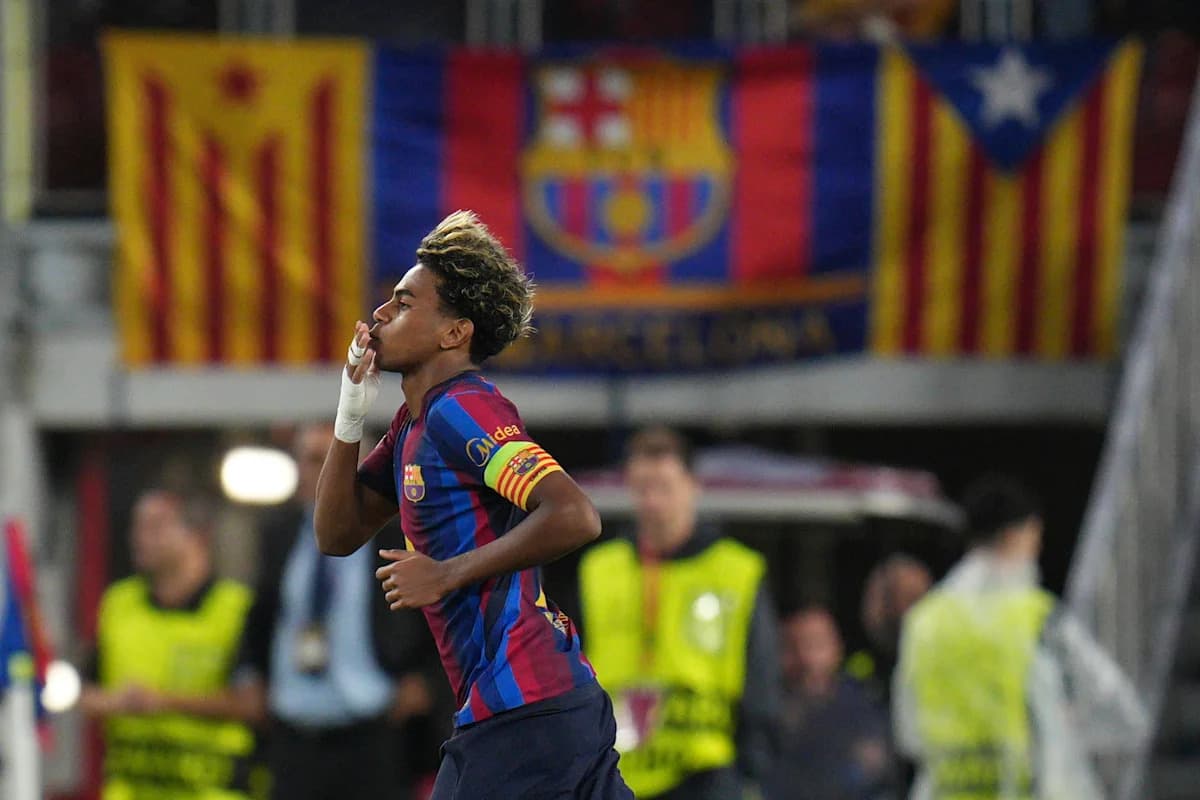
Barcelona’s Camp Nou to Host 2029 Champions League Final, Munich Confirmed for 2028
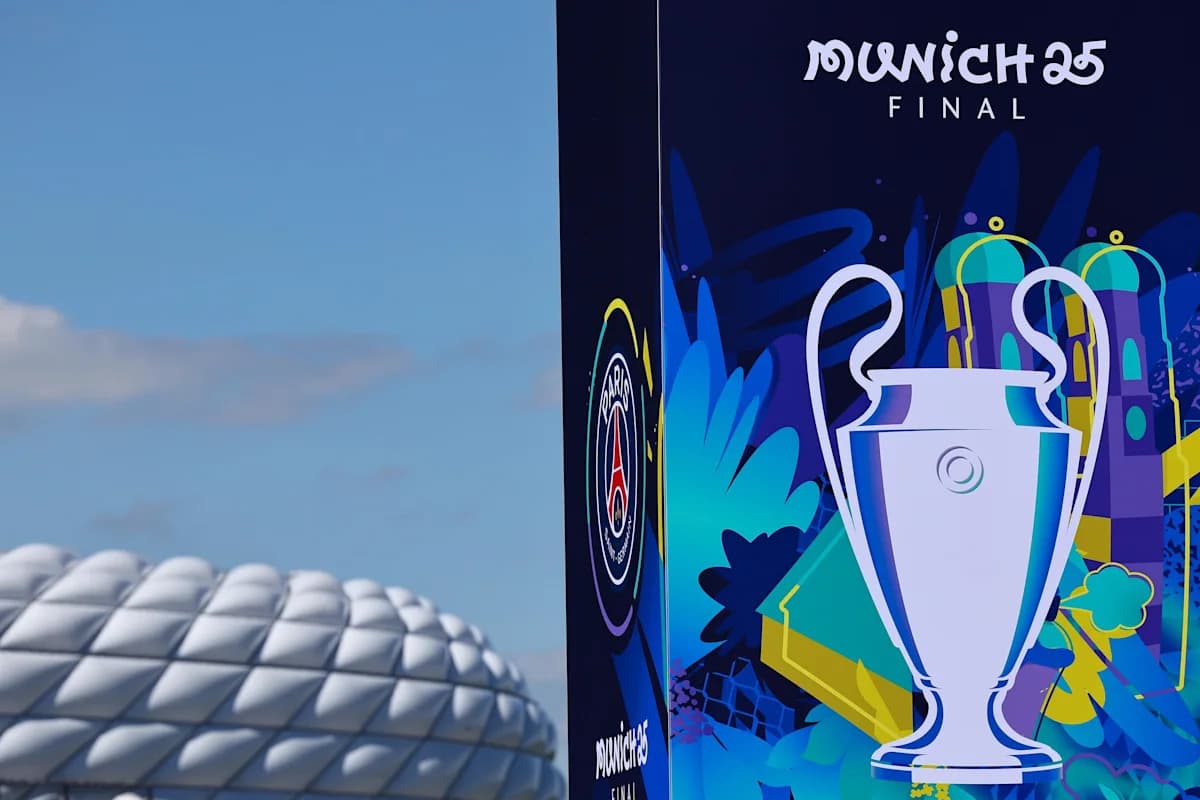
Bayern Munich's Allianz Arena Set to Host 2028 Champions League Final
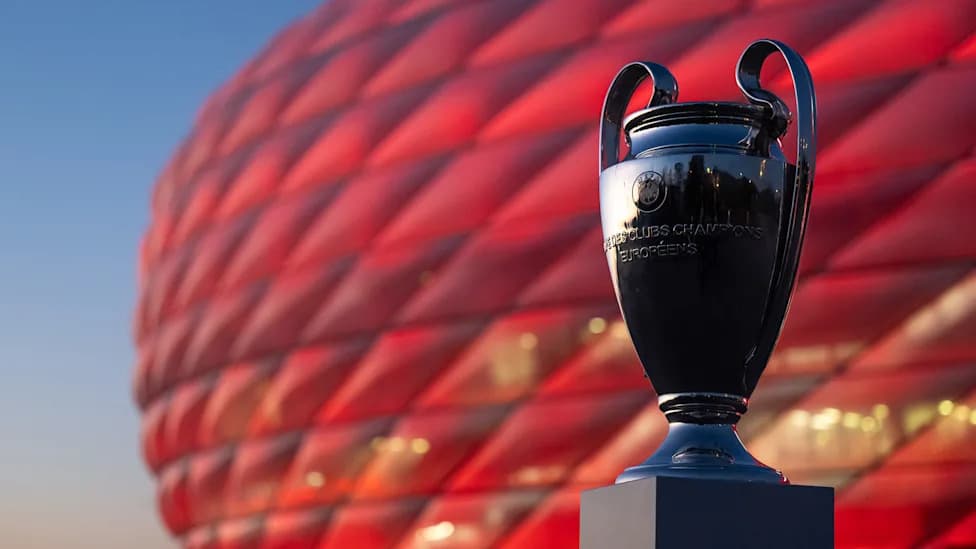
Allianz Arena to Host 2028 Champions League Final for Third Time