
Bayern München vs Paris Saint Germain: Tactical Battle in Semi-Final
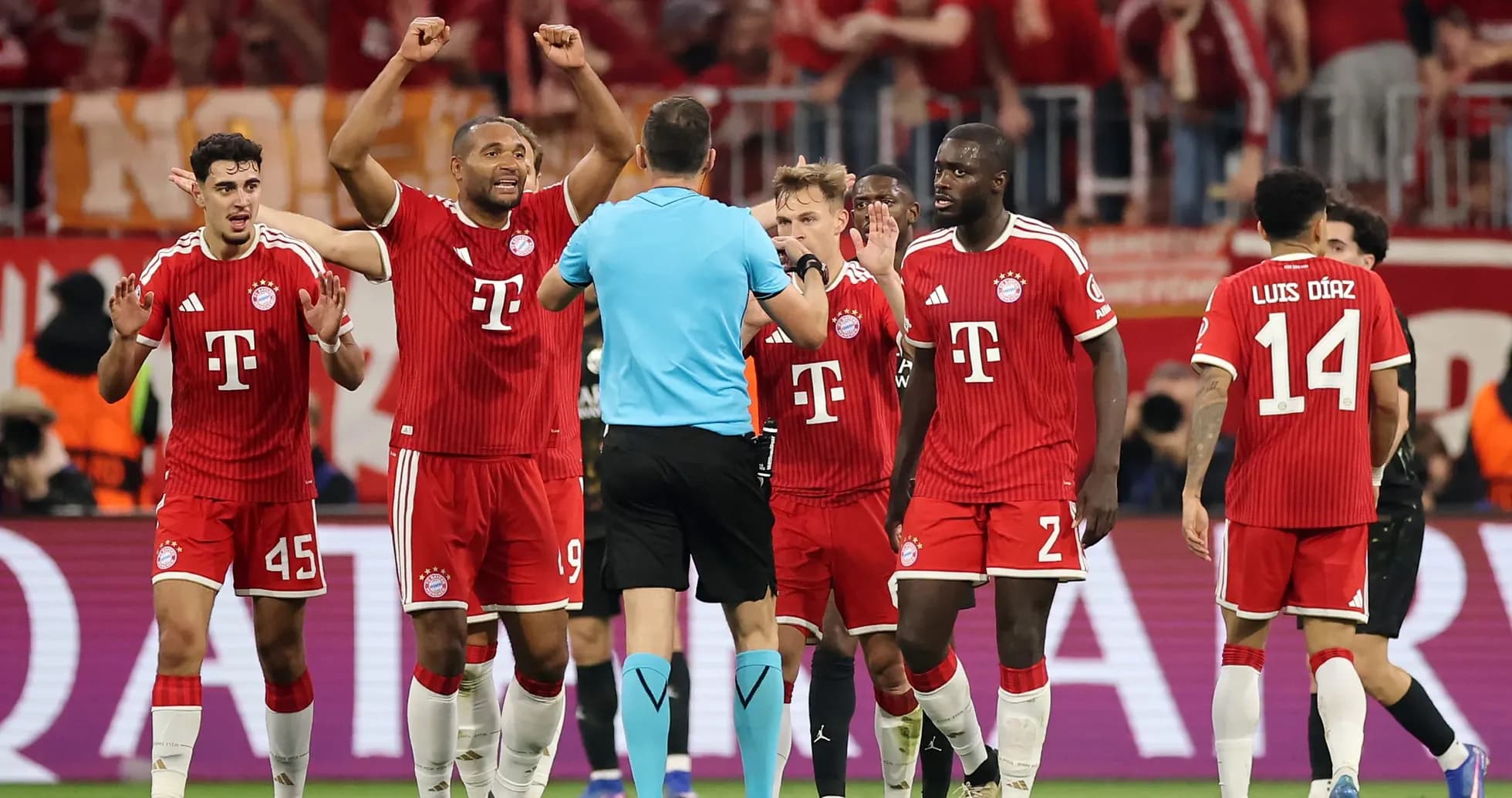
Under the Allianz Arena lights, this semi‑final first leg between Bayern München and Paris Saint Germain ended 1–1, a scoreline that feels less like resolution and more like a first chapter. Following this result, the tie remains precariously balanced, and the numbers behind both seasons suggest the second leg will be decided on the finest tactical margins rather than raw firepower alone.
I. The Big Picture – Two Heavyweights, One Thin Margin
Bayern arrived as a juggernaut in this Champions League campaign. In total this season they have played 14 matches, winning 11 and losing only 2. At home they have been almost flawless: 7 fixtures, 6 wins, 1 draw, 0 defeats. They score 3.0 goals at home on average and concede just 1.0, a profile of a side that usually suffocates visitors in Munich.
Paris Saint Germain are not far behind in terms of output. In total this campaign they have played 16 matches, with 10 wins, 4 draws, and only 2 defeats. On their travels they average 2.4 goals for and just 1.0 against, backed by 5 clean sheets overall, 3 of them away. If Bayern’s home record is about dominance, PSG’s away record is about control and efficiency.
The league standings snapshot underlines the scale of this clash. Bayern sit 2nd in the competition’s table with 21 points and a goal difference of 14, scoring 22 and conceding 8 overall in that reference set. PSG, ranked 11th with 14 points and a goal difference of 10, have 21 goals for and 11 against. Both are positive, both are ruthless, but Bayern’s home perfection meets PSG’s hardened travellers in a tie that now turns into a 90‑minute shoot‑out in Paris.
II. Tactical Voids – Who Was Missing, What Was Lost
Both coaches had to redraw their plans before a ball was kicked. Vincent Kompany’s Bayern were without S. Gnabry, M. Cardozo, C. Kiala, W. Mike and B. Ndiaye, all listed as missing. Gnabry’s absence in particular strips Bayern of a rotational winger who has contributed 5 assists in this Champions League season, often a game‑changer from the bench. It forced Kompany to lean even more heavily on the starting trio behind H. Kane: L. Díaz, J. Musiala and M. Olise.
On the PSG side, Enrique Luis had to compensate for the loss of L. Chevalier, Q. Ndjantou and, most significantly, A. Hakimi. Hakimi’s 6 assists and vertical thrust from right‑back have been central to PSG’s 4‑3‑3. Without him, W. Zaire‑Emery was entrusted with defensive duties on that flank, changing the dynamic from an overlapping full‑back to a more conservative line‑holder, and shifting some creative burden onto K. Kvaratskhelia and O. Dembele.
Discipline is another quiet force in this tie. Bayern’s season card profile shows a pronounced late‑game edge: 37.04% of their yellow cards arrive between 76–90 minutes, underlining how their intensity can tip into aggression as matches tighten. PSG mirror that trend with 42.86% of their yellows also coming in the final quarter of normal time. Both sides, then, are at their most combustible just when this semi‑final is likely to be decided.
III. Key Matchups – Hunter vs Shield, Engine vs Enforcer
Hunter vs Shield
H. Kane is the competition’s most ruthless centre‑forward in this tie. In total this campaign he has 14 goals and 2 assists in 13 appearances, from 36 shots and 25 on target. He has also won 2 penalties and scored 4 of them, but crucially he has missed 1, a reminder that even his reliability from the spot is not absolute. Bayern as a team have been perfect from the spot in this competition data set (4 penalties scored from 4, 100.00%), so Kane’s individual miss is an outlier but a psychological note for any future penalty drama.
Across from him, PSG’s shield on the night was built around Marquinhos and W. Pacho, supported by a team that, on their travels, concedes only 1.0 goal per game. PSG’s overall defensive record in this Champions League season (22 conceded in 16, an average of 1.4 in total) is solid rather than spectacular, but away from home they have been significantly tighter. How long they can keep Kane away from the penalty area in Paris will define their fate.
On the other side of the “hunter” equation stands K. Kvaratskhelia. He has 10 goals and 6 assists in 15 appearances, with 30 shots (18 on target) and an 87% passing accuracy. He is also the competition’s leading assist provider in this dataset. His duel with Bayern’s right‑side defenders – often K. Laimer stepping out from full‑back and J. Kimmich shuttling across – is a clash between a creative storm and Bayern’s most combative edge. Laimer, with 4 yellow cards and 25 tackles plus 3 successful blocked shots, is one of Bayern’s most aggressive stoppers; if he oversteps, Bayern’s already late‑card tendency could become a structural problem.
Engine Room – Playmaker vs Enforcer
In midfield, Vitinha and J. Kimmich embody the brains of each side. Vitinha has played 16 times, all as a starter, logging 1439 minutes with 6 goals and 1 assist. He has completed 1553 passes at 93% accuracy, with 23 key passes, 25 tackles, 1 blocked shot and 17 interceptions. He is not just a metronome; he is also PSG’s first line of counter‑press.
Kimmich answers with 1117 passes at 90% accuracy, 30 key passes, 15 tackles and 1 blocked shot, plus 9 interceptions. He has 4 yellow cards, underlining his role as Bayern’s enforcer when the press is broken. The battle between Vitinha’s circulation and Kimmich’s disruption will dictate which team spends longer in structured possession versus transitional chaos.
Around them, the creative conduits are elite. For Bayern, M. Olise has 5 goals and 6 assists, 34 key passes and 75 dribble attempts with 45 successes. L. Díaz adds 7 goals and 3 assists, 25 key passes and 47 dribbles with 29 successes, but also carries 2 yellow cards and 1 red in this Champions League run, a reminder that his edge can spill over. For PSG, D. Doue’s 5 goals and 4 assists, plus 28 key passes and 50 dribbles (23 successes), make him a secondary creator who can punish any over‑commitment to Kvaratskhelia.
IV. Statistical Prognosis – Where the Tie Tilts
There is no explicit xG data in this snapshot, but the shot, goal and defensive profiles give us a statistical silhouette of the second leg. Bayern’s attack in total averages 3.1 goals per game and concedes 1.4. PSG’s attack averages 2.8 goals and concedes 1.4. Both sides therefore project as high‑event, high‑risk outfits, but the split between home and away is instructive: Bayern are more explosive at home, while PSG’s defensive numbers improve on their travels.
The card distributions suggest that the decisive moments are likely to come late. Both teams accumulate their highest share of yellows between 76–90 minutes, and Bayern’s red‑card history through L. Díaz, plus PSG’s red‑card entries for I. Zabarnyi and L. Hernandez, show that tempers can boil over in this competition.
Tactically, the intersection is clear: Bayern’s relentless attacking volume, led by Kane, Olise and Díaz, will collide with PSG’s compact 4‑3‑3 spine where Vitinha screens for Marquinhos and Pacho, and where Kvaratskhelia and Dembele carry the counter‑threat. The first leg’s 1–1 draw means neither side can afford to sit back; away‑goals are no longer a mathematical edge, but momentum is.
Following this result, the numbers lean marginally towards PSG’s capacity to manage a high‑pressure second leg at home, given their 5 clean sheets and balanced record across venues. Yet Bayern’s total 43 goals in 14 matches and Kane’s 14‑goal campaign ensure that any statistical edge is fragile. This semi‑final feels destined to be decided not by one grand tactical idea, but by which of the stars – Kane, Kvaratskhelia, Olise, Vitinha – finds a single decisive action in that combustible 76–90‑minute window where both teams historically live on the edge.
Related News
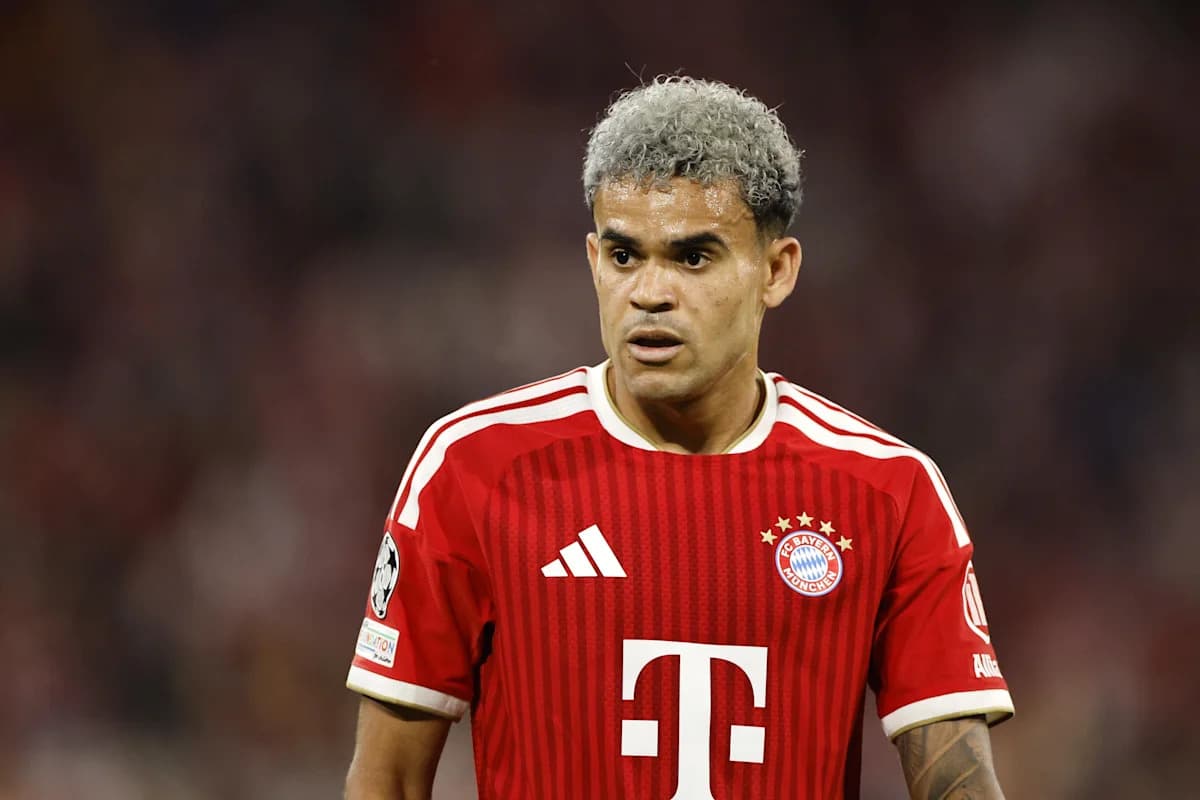
Luis Díaz Confident Bayern Munich Can Win Champions League
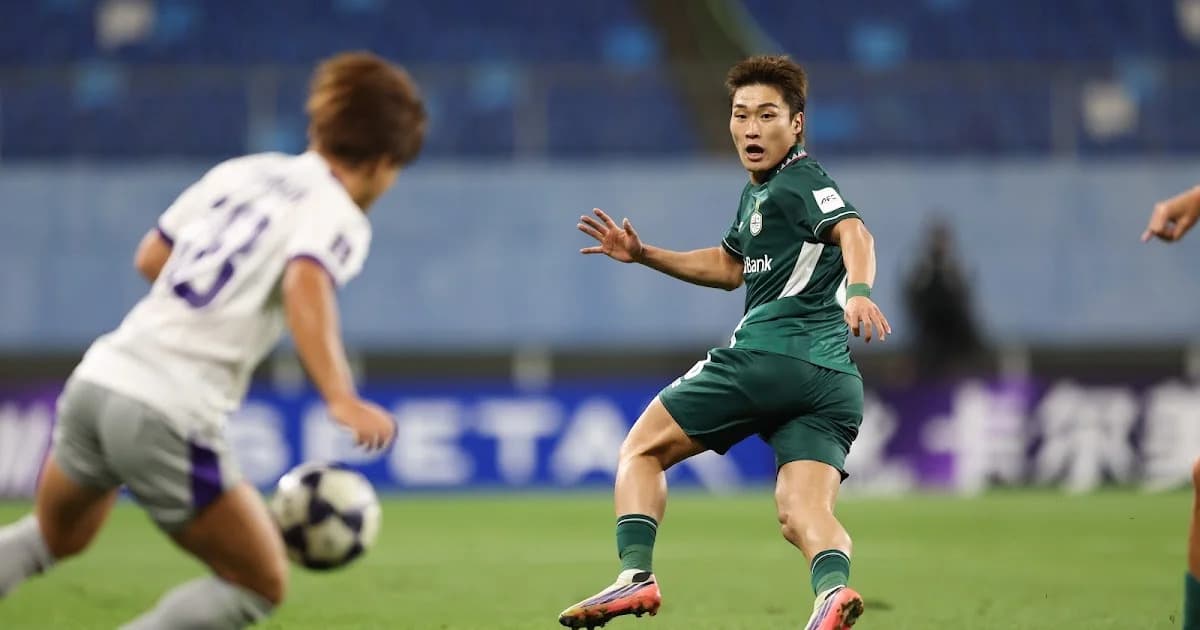
AFC Champions League Matchday One: Insights and Team Strategies
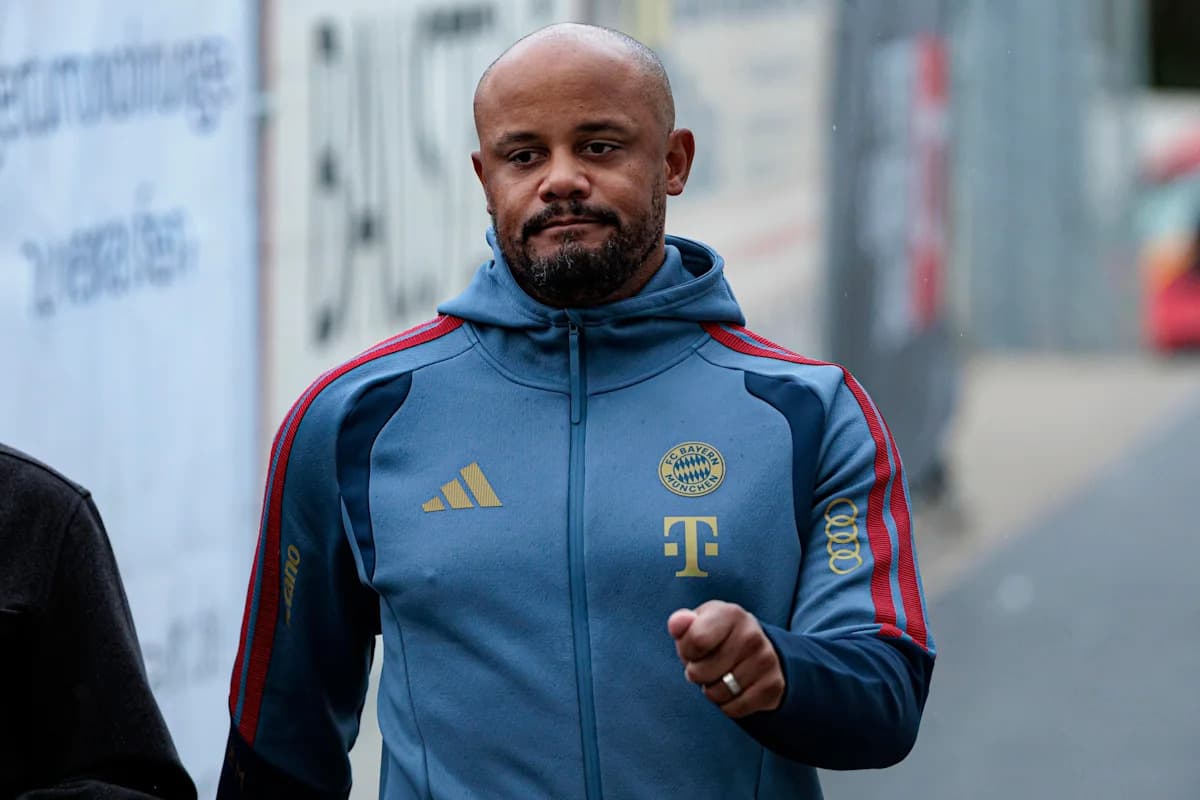
Vincent Kompany’s Bayern Munich Future Not Tied Solely to Champions League Success
Barcelona’s Camp Nou to Host 2029 Champions League Final, Munich Confirmed for 2028
Bayern Munich's Allianz Arena Set to Host 2028 Champions League Final
Allianz Arena to Host 2028 Champions League Final for Third Time