
Arsenal's Medical Department Overhaul: Arteta's Bold Move for Player Availability
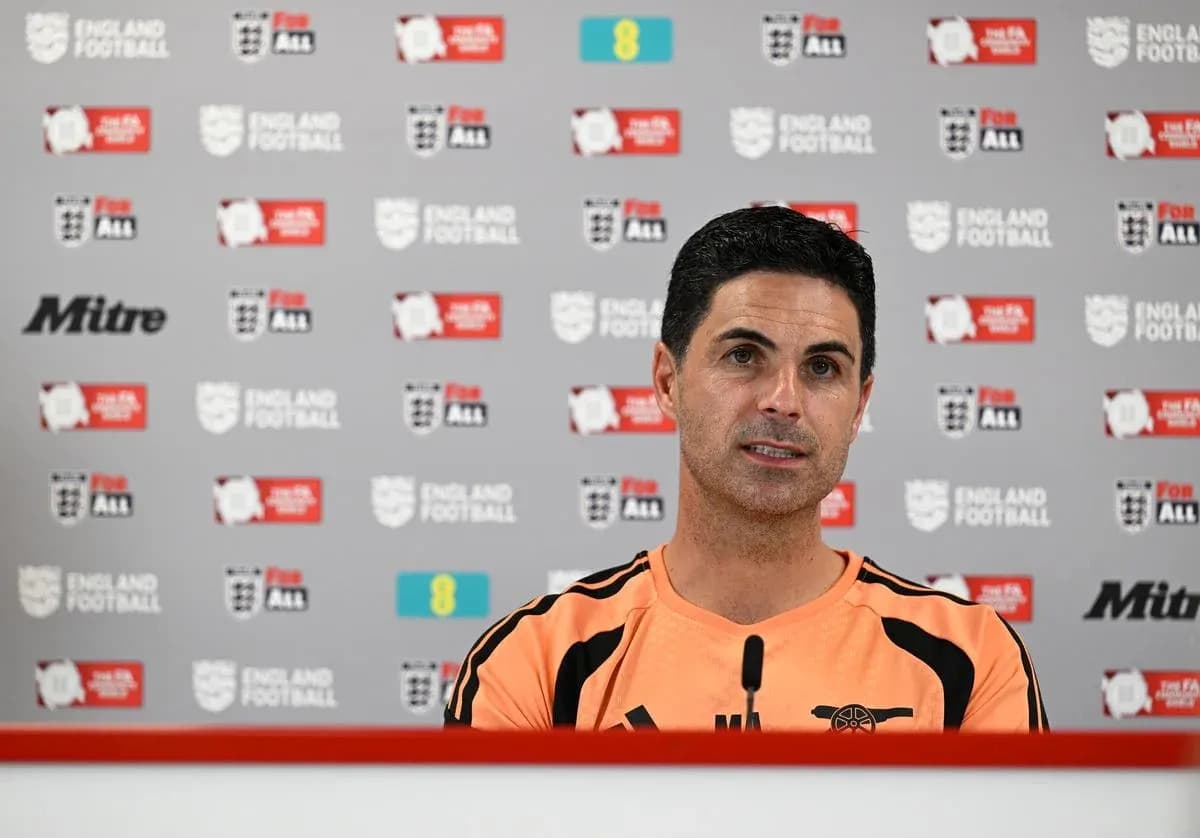
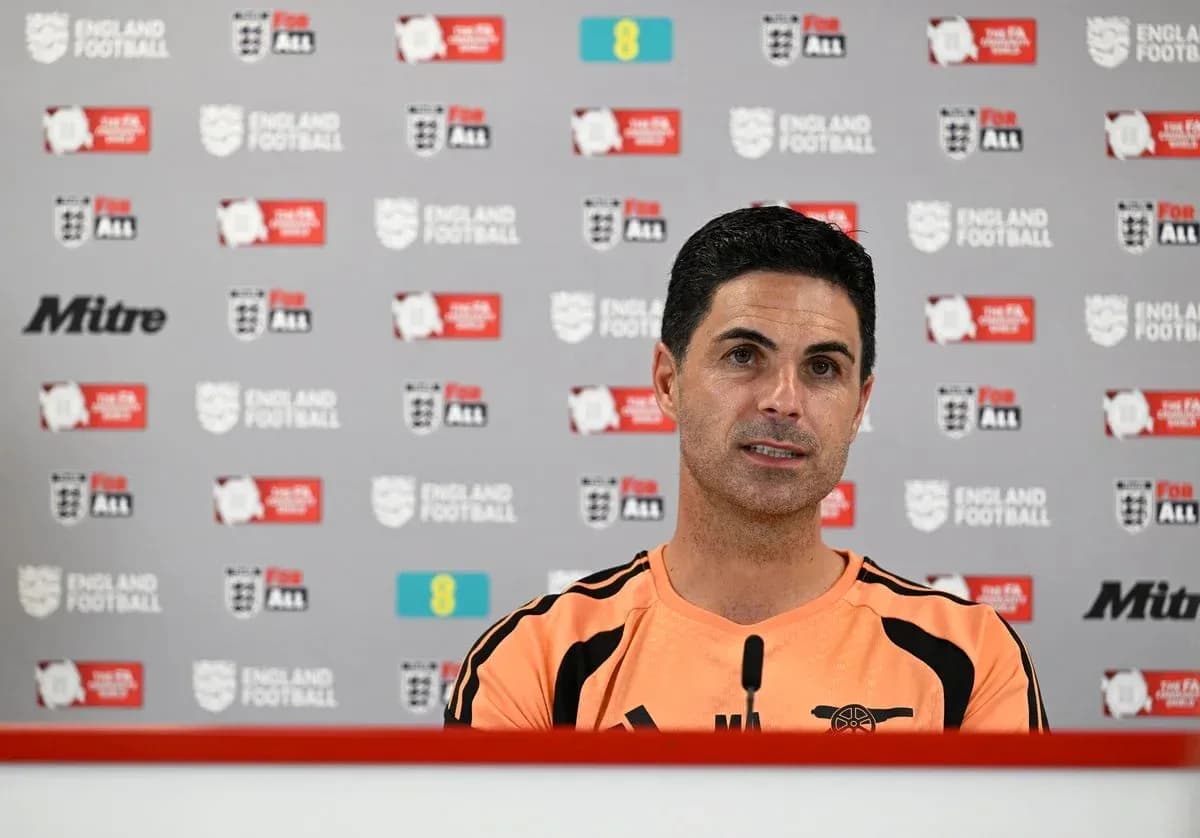
Mikel Arteta has lifted the lid on why Arsenal ripped up and rebuilt their medical department over the summer – a bold move driven by one simple obsession: keeping his best players on the pitch when it matters most.
For two seasons, the Arsenal manager has circled the same problem. Title races tightening, Champions League nights looming, and key names disappearing from the team sheet. Bukayo Saka, William Saliba, Kai Havertz – all have missed important stretches at crucial moments. The frustration inside the club has been growing.
This time, Arsenal have acted.
A ruthless reset behind the scenes
In the wake of the Champions League final defeat to Paris Saint-Germain, the changes began. Head of sports medicine Dr Zafar Iqbal was dismissed shortly after that loss, a striking decision given the timing and profile of the role. Not long after, Tom Allen, the club’s head of sports science and performance, also departed.
By the end of June, lead performance coach Sam Wilson had gone as well. Three senior figures, all key to the players’ physical preparation, all out in the space of a few weeks. For a club that has preached stability under Arteta, this was a clear signal: the margins at the top are too fine to tolerate repeat patterns.
These exits did not come out of nowhere. Arsenal had launched a review of their medical and performance operation last season, bringing in Joaquin Acedo – a long-term friend of Arteta – to play a central role in that process. The conclusion was blunt. If Arsenal wanted to evolve on the pitch, they had to evolve off it too.
Arteta spoke with genuine warmth about those who left, but he did not shy away from the need for change.
“First of all thank you to them for all the incredible work they have done for the club, for the players, for myself – and how well they have taken us and we will look to improve and evolve in certain areas,” he said.
Then came the harder edge.
“We need to look across the club and we have made certain decisions that in our opinion will help us in medium and long term to be better.
“They are always difficult when you talk about people and you get such a strong relationship. It is always very, very tough.”
Tough or not, the reset is underway.
New faces, new ideas
Into this vacuum step new voices, new methods, and in one case, a very different kind of CV.
Eneko Angulo has arrived from Real Betis, where he served as head of rehabilitation. His job at Arsenal will be to help manage the return of injured players and reduce the risk of setbacks – a critical area given the club’s recent history of absences in decisive weeks.
Arsenal have also appointed Arnaldo Abrantes as head doctor after he left Aston Villa. On paper, that looks like a standard elite-club hire. It isn’t.
Abrantes is not just a doctor. He was a professional sprinter who represented Portugal at the 2008 Olympics. He has lived the high-performance life from the inside, felt the strain of marginal gains and split-second decisions in his own body.
Arteta clearly sees that as a major asset.
“He was a good athlete,” the Arsenal manager said, almost underplaying it.
“When we're trying to evolve the squad, the team and the relationships and where the game is evolving, we wanted to recruit different qualities.
“That's one, when you've been there and sensed things in a different way. But as well because of his background, his knowledge about a lot of things that I was very interested in.
“We believe he was the right fit. I'm very happy with what he's bringing.”
The message is unmistakable. Arsenal do not just want doctors and physios who understand data and protocols. They want people who understand pressure, performance and the psychology of elite sport from the inside.
A manager chasing every margin
This overhaul is not window dressing. It speaks directly to how Arteta views the next phase of Arsenal’s project.
He knows his side can go toe-to-toe with the best for large stretches of a season. What has hurt them is availability at the sharp end. When Saka is managing minutes, when Saliba is missing, when Havertz is sidelined, the system bends. Sometimes it breaks.
By reshaping the medical and performance structure, Arteta is targeting the invisible part of the game – the training loads, the recovery windows, the rehab details that never make the highlights but often decide who lifts trophies in May.
He has called for evolution on the pitch. Now he has demanded it off it.
Arsenal have changed the people responsible for protecting their most precious assets. The next question is simple: will this be the season their stars stay standing when the pressure peaks?
Related News
Mikel Arteta overhauls Arsenal medical department to boost title hopes
Arsenal's Medical Department Overhaul: Arteta's Bold Move for Player Availability
Rangers Face Financial Challenges Amid Poor Start
Liverpool Faces Defensive Crisis Ahead of Como Friendlies
Guillermo Hoyos Protects Messi's Grieving Process
Ciro Immobile Retires: A Remarkable Career in Football