
Australia's Tactical Masterclass: 2-0 Victory Over Türkiye
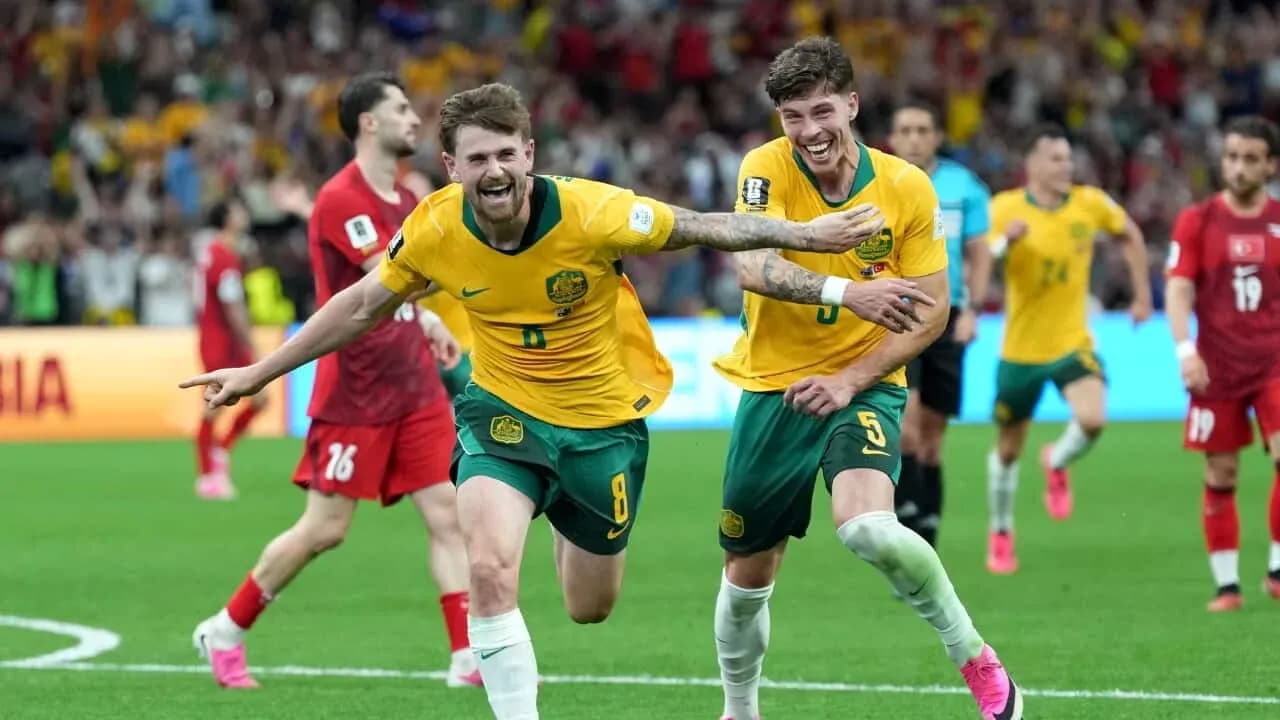
Australia’s 2-0 win over Türkiye at BC Place was a clinic in low-block efficiency and transitional ruthlessness, built on a 5-4-1 that accepted territorial inferiority and trusted structure and goalkeeping to survive. Despite having only 28% possession and facing 30 shots, Australia controlled the spaces that mattered and struck decisively when the game tilted in their favour.
Tony Popovic’s 5-4-1 was very clear in its priorities. The back five of Jacob Italiano, Alessandro Circati, Harry Souttar, Cameron Burgess and Jordan Bos stayed narrow and compact, with the wing-backs rarely advancing together. In front, the midfield line of Connor Metcalfe, Aiden O’Neill, Paul Okon-Engstler and Nestory Irankunda slid laterally to screen central lanes and force Türkiye wide. Mohamed Touré worked as a lone forward, more as the first defender than a constant outlet, angling his pressing to show play to the flanks rather than into Hakan Çalhanoğlu or Orkun Kökçü.
Türkiye, in a 4-2-3-1 under Vincenzo Montella, had the ball and the initiative but not the penetration to match. With 72% possession, 707 total passes and 638 accurate (90%), they built patiently through Merih Demiral and Abdülkerim Bardakcı into a back-three shape as Ferdi Kadıoğlu advanced. İsmail Yüksek and Çalhanoğlu acted as a double pivot in build-up, while Arda Güler and Kökçü tried to occupy the half-spaces behind Australia’s midfield four. The structural idea was sound, but Australia’s block repeatedly denied clean receptions between the lines.
First Key Tactical Swing
The first key tactical swing came with the opener on 27 minutes. Nestory Irankunda’s goal, assisted by Paul Okon-Engstler, was the payoff of Australia’s plan to spring quickly once they broke the first line. By compressing centrally and inviting Türkiye’s full-backs high, Australia created room for direct vertical play into Irankunda attacking the space behind. Okon-Engstler’s involvement reflected his dual role: disciplined in the mid-block but aggressive in transition, stepping forward once the ball was secured to link with the front.
Going behind forced Türkiye to increase their attacking volume rather than change their structure. They finished with 30 total shots, 14 inside the box and 16 outside, but the profile of those attempts underlined Australia’s control of the red zone. The Socceroos allowed volume from range and from wide angles while protecting the central channel in front of Harry Souttar. The figure of 12 blocked shots for Türkiye is telling: Australia’s back five repeatedly stepped out in sync to get bodies in front of efforts, turning promising positions into low-quality attempts.
Second Half Adjustments
After the break, Montella moved early. At 46', Barış Alper Yılmaz (OUT) made way for Kenan Yıldız (IN), a substitution that aimed to add more direct dribbling and inside movements from the flank. Later, at 62', Orkun Kökçü (OUT) was replaced by Yunus Akgün (IN), signalling a shift towards more width and 1v1 threat rather than another passer between the lines. These changes increased the tempo and chaos around the Australian box but did not fundamentally solve the problem of central access.
Popovic’s in-game management was focused on energy and preserving the integrity of the block. At 61', Nestory Irankunda (OUT) was replaced by Nishan Velupillay (IN), a like-for-like switch in the wide midfield role to maintain pressing intensity and transition threat. At 74', Mohamed Touré (OUT) made way for Tete Yengi (IN), and Jacob Italiano (OUT) was replaced by Jason Geria (IN), fresh legs at centre-forward and right-back to sustain defensive duels and hold-up play as the game tilted deeper into Australia’s half.
The decisive second goal on 75 minutes, scored by Connor Metcalfe with no assist, encapsulated the game state. With Türkiye pushing higher and committing numbers, Australia exploited a broken structure. Metcalfe’s advanced position from central midfield reflected a calculated risk: once the ball was turned over, one of the double pivots would drive forward into the vacated space. The 2-0 scoreline at that point allowed Australia to sink even deeper, turning the final quarter-hour into a pure rearguard action.
Türkiye’s Desperation
From 81' onward, Türkiye’s substitutions underlined their desperation to chase the game. İsmail Yüksek (OUT) for Salih Özcan (IN) at 81' tweaked the profile of the holding role, while Zeki Çelik (OUT) for Mert Müldür (IN) at the same minute sought more aggressive overlapping from right-back. At 85', Kerem Aktürkoğlu (OUT) was replaced by Deniz Gül (IN), another attacking rotation to refresh the front line. Yet the pattern remained: heavy possession, crosses and shots from imperfect zones against a settled block.
Australia’s final changes at 84' — Jordan Bos (OUT) for Aziz Behich (IN) and Paul Okon-Engstler (OUT) for Jackson Irvine (IN) — were classic game-management moves. Behich’s experience at left-back and Irvine’s physicality and aerial presence in midfield bolstered the defensive structure for the closing phase, ensuring Australia could defend their box with composure.
Discipline remained largely controlled despite the intensity. The only card of the match came on 86': Yunus Akgün (Türkiye) — Roughing. It reflected Türkiye’s urgency and frustration rather than a systemic loss of control.
Statistical Contrast
The statistical contrast is stark. Australia generated 9 total shots, with 4 on goal and 6 inside the box, from just 28% possession and 270 total passes (202 accurate, 75%). Their xG of 0.77 underscores how ruthlessly they converted limited territory into decisive moments. Türkiye, by contrast, produced 8 shots on goal from 30 attempts and an xG of 1.33, but their finishing and shot selection failed to match their territorial dominance.
Crucially, the goalkeeping and defensive metrics frame the tactical story. Australia recorded 8 goalkeeper saves, Türkiye only 2. That means the Australian goalkeeper was heavily involved in repelling Türkiye’s pressure, while Türkiye’s keeper faced relatively few but high-impact actions. The goals prevented figures — both teams at -0.95 — suggest that each side conceded more than the model expected from the chances faced, but Australia’s block and keeper work combined to keep a clean sheet under siege.
Fouls (Australia 12, Türkiye 4) and corners (Australia 5, Türkiye 8) fit the picture of a team in a deep block repeatedly contesting duels in their own half against a side that attacked in waves. In the end, Australia’s 5-4-1 proved perfectly calibrated for tournament football: structurally disciplined, transition-oriented, and psychologically comfortable without the ball, turning Türkiye’s dominance of possession into a deceptively comfortable 2-0 scoreline.
Related News
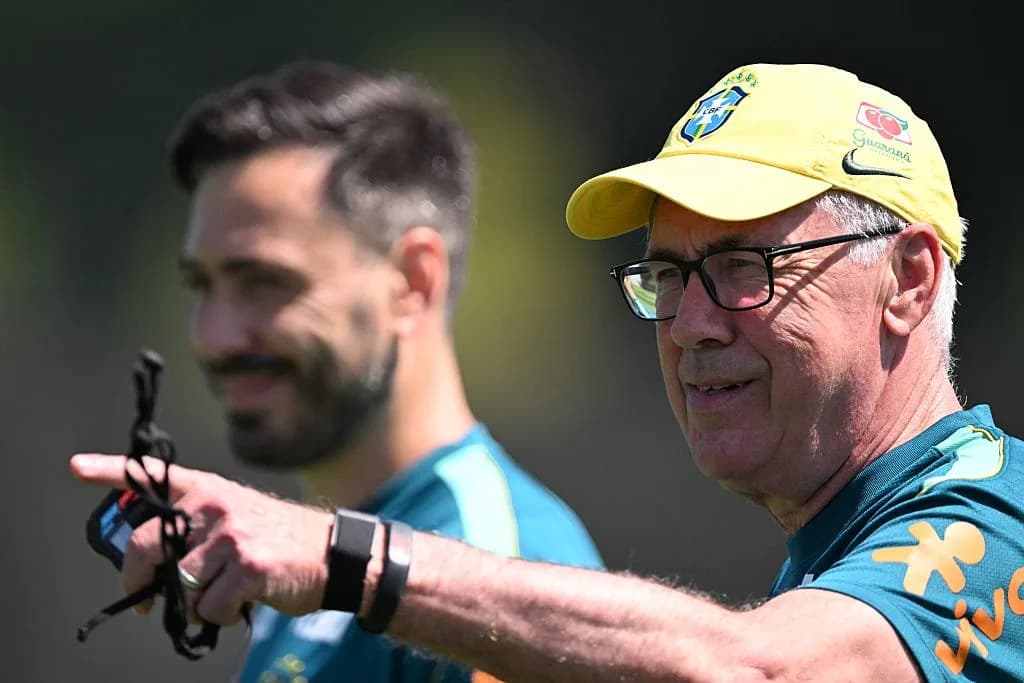
Brazil's First Post-World Cup Friendly: What Should the Lineup Be?
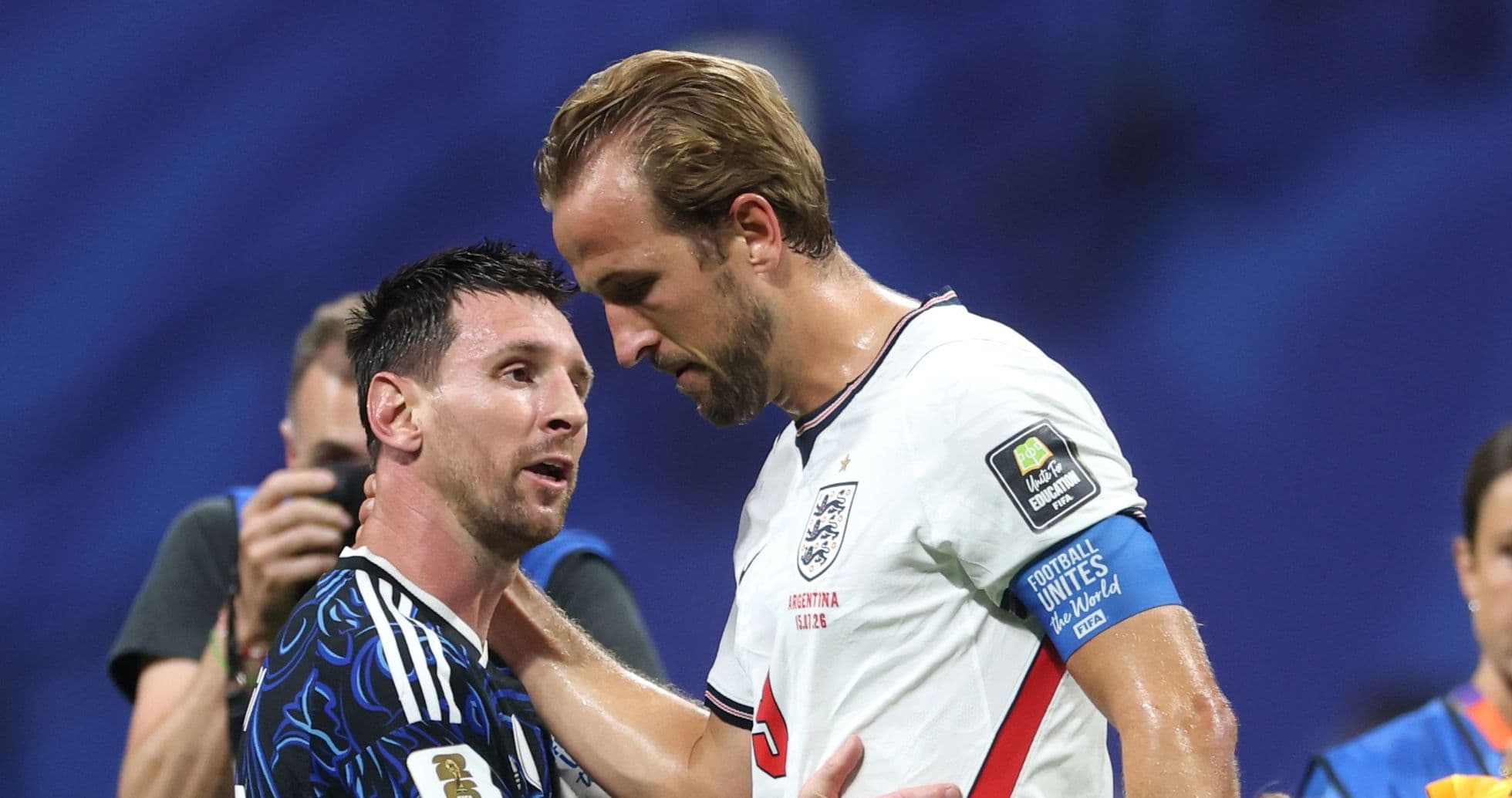
Harry Kane Calls England’s World Cup Exit to Argentina His Deepest International Pain
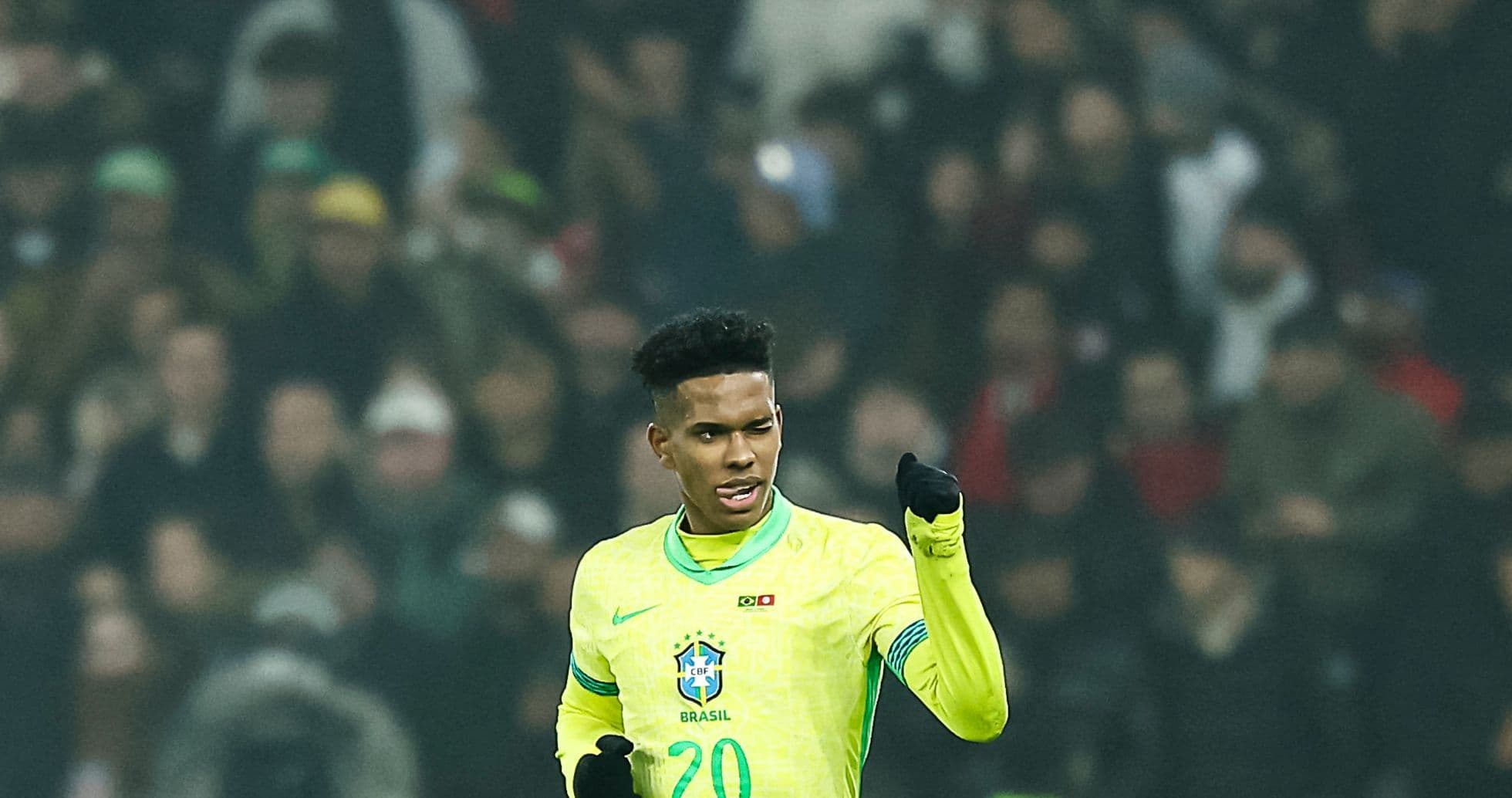
Estevao Opens Up on World Cup Heartbreak and His Unexpected Return to Brazil Under Ancelotti

Thomas Tuchel Shares Unusual Regret After England's 10-Man World Cup Victory Over Mexico

South Korea Names Robert Moreno as Interim Coach After World Cup Exit

Jude Bellingham Returns to Form at Real Madrid Following World Cup Success