
Celtic's Callum McGregor Calls for Team Effort After Derby Humiliation
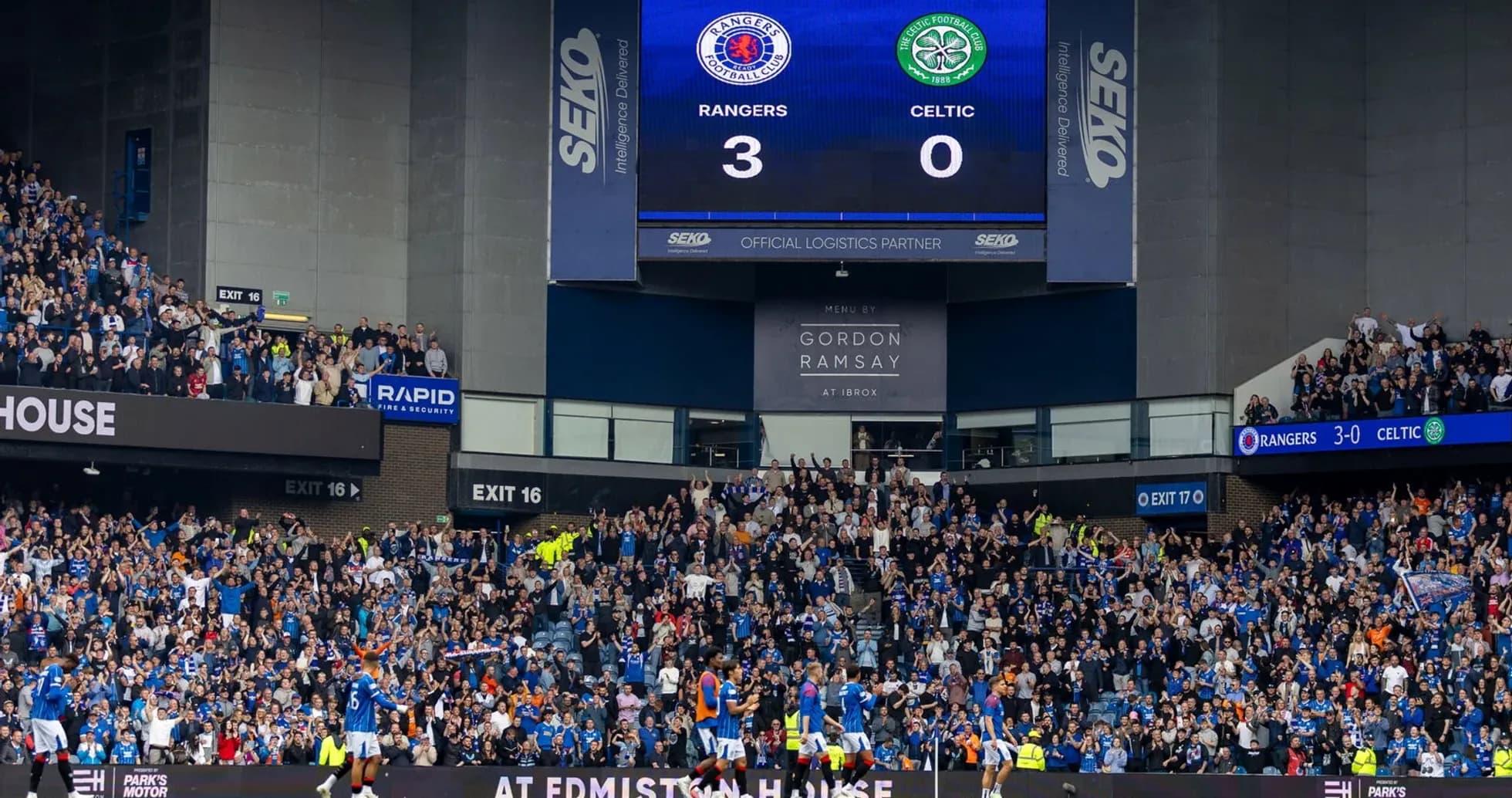
Callum McGregor did not bother with diplomacy. Not after that.
“I think the difference between the two sides was you’ve seen a team and then you’ve seen a team of individuals,” the Celtic captain said, cutting straight to the heart of a derby humiliation. “Rangers were a team and you could see that. We looked like a team of individuals that wanted to do our own thing and play when we got the ball, not necessarily run when you don’t have the ball.”
At Ibrox, that accusation stung more than the scoreline. McGregor wasn’t shielding anyone. He was pointing at the entire outfield, at the attitude, at the basic requirement that Celtic players run – with and without the ball – and do it for each other.
The message was blunt. They’ll never hesitate to collect their salaries, so the minimum requirement, especially in a game of this magnitude, is effort. Relentless effort. For the badge, for the employer, and for the support who ultimately pay those wages.
“You can’t defend with six players, it’s impossible,” he said. “We’re trying to get the message to everyone that we have to be a team. We have to be the team that we want to be. We need to find a way to do that quickly because we lost a big game in LASK. We lost another big game today and it’s not acceptable.”
This wasn’t a one-off. LASK away in the Champions League qualifiers was supposed to be the wake-up call. Instead, Celtic walked into Ibrox and hit the snooze button.
“If we want to be a good Celtic team then we have to win the big games,” McGregor continued. “That’s one thing we’ve always done is win big games and turned up when it mattered. So far this season we’ve been bitty in games and we need to fix it.”
The manager had called the result and performance a wake-up call. McGregor went further: they’ve already had one, and they ignored it. Now the pressure is self-inflicted.
“We’ve put ourselves under pressure,” he admitted. “We need to respond on Thursday and we need to respond on Sunday.”
Celtic fans can accept mistakes. They can live with an off day, a bad bounce, even a tactical misstep. What they won’t tolerate is a team that looks like it has stopped running. For those not prepared to put in the work, the captain’s message was clear: the stand awaits.
On a day of failures, one name did emerge with credit. Colby Donovan, almost certainly the lowest-paid player on the pitch, at least looked like he understood the assignment. He ran, he competed, he tried to drag something from a game that was slipping away.
“We were poor in pretty much every area of the game,” McGregor said. “Once we went behind in the game we never looked like we were recovering really to be honest. We had a couple of good moments early on.
“If we take them it’s a different game. And we know that coming here you’re not going to get hundreds and hundreds of chances. You get moments in the game where if you take them it can totally change the outlook of the game. I felt like once we went one behind then we never really looked like getting back in it to be honest.”
In plain terms, they folded. After the third goal, it was damage limitation. The Celtic captain’s role shifted from chasing a miracle to protecting what was left of the club’s pride.
“You don’t want fours and fives for sure,” he said. “As soon as the goal went in, then I’m saying to Cam and Scalesy, ‘Look, no more goals, we have to just tighten this up’.
“Of course, we always want to get back in the game. And we always want to be a team that, even at 3-0 down, you still want to have a chance, but you have to understand the circumstance you’re in as well. If it starts to run at fours and fives, then you’re talking about a different ballgame.”
At Celtic, you cannot hide. Not in a derby, not in Europe, not when the season is already wobbling. Performances like this don’t just disappear; they linger, they define you, they shorten careers.
“You can see it, 100 per cent,” McGregor said of the disjointed displays. “You can see it, especially for the guys that have been here for a long time and the guys that have been watching Celtic for a long time.
“You see the team and how it functions and how it performs and how it behaves. And it’s just been too bitty. So we have to find a way to bring it back and bridge that gap and start to bring it together. Because if we don’t, then you’ll have more days like this.”
He has been around long enough to know the pattern. New faces, new ideas, a system still being absorbed. That explanation only stretches so far.
“There are some new guys in, trying to get them bedded in, trying to get them to understand the system, how we want the Celtic team to look,” he said. “There have been shades of it this season but not enough. So eventually the penny has to drop, we have to get there. Because you can’t just turn it on and off, it’s impossible.
“Especially when you come to venues like this. You have to be good against the ball and when you get it, you have to be the version of Celtic that we want to be. And we know it gets us success.”
The work, he insisted, is being done. The information is there. The coaching is there. The excuses are running out.
“It’s reinforcement, it’s training, it’s coaching, it’s all of these things,” McGregor said. “The guys are given good information. We’ve been doing this a long time. You need to bring it together because it’s two big games that we’ve lost.
“And you probably won’t get many more before the pressure really ramps up. And we have to be honest about that, let’s not shy away from it. So we have to fix it.”
Fix it, and fast. Thursday looms large in Europe. Sunday is even bigger: Rangers at Celtic Park, 60,000 home supporters watching, remembering Ibrox, replaying every word their captain has just uttered.
The Celtic support can forgive a great deal, but not a lack of effort. This week, in front of their own people, this team either runs, fights and responds—or the pressure McGregor talks about will move from theoretical to unbearable.
Related News
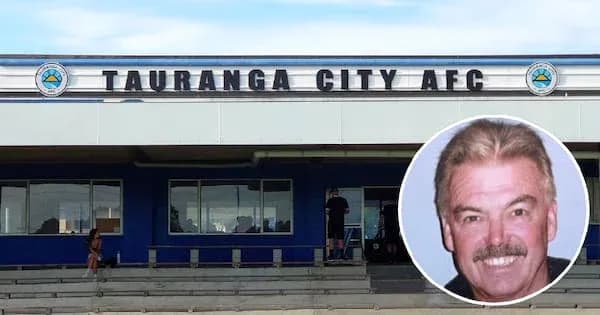
Alex Young: Former All White Faces Stage Four Cancer Fight
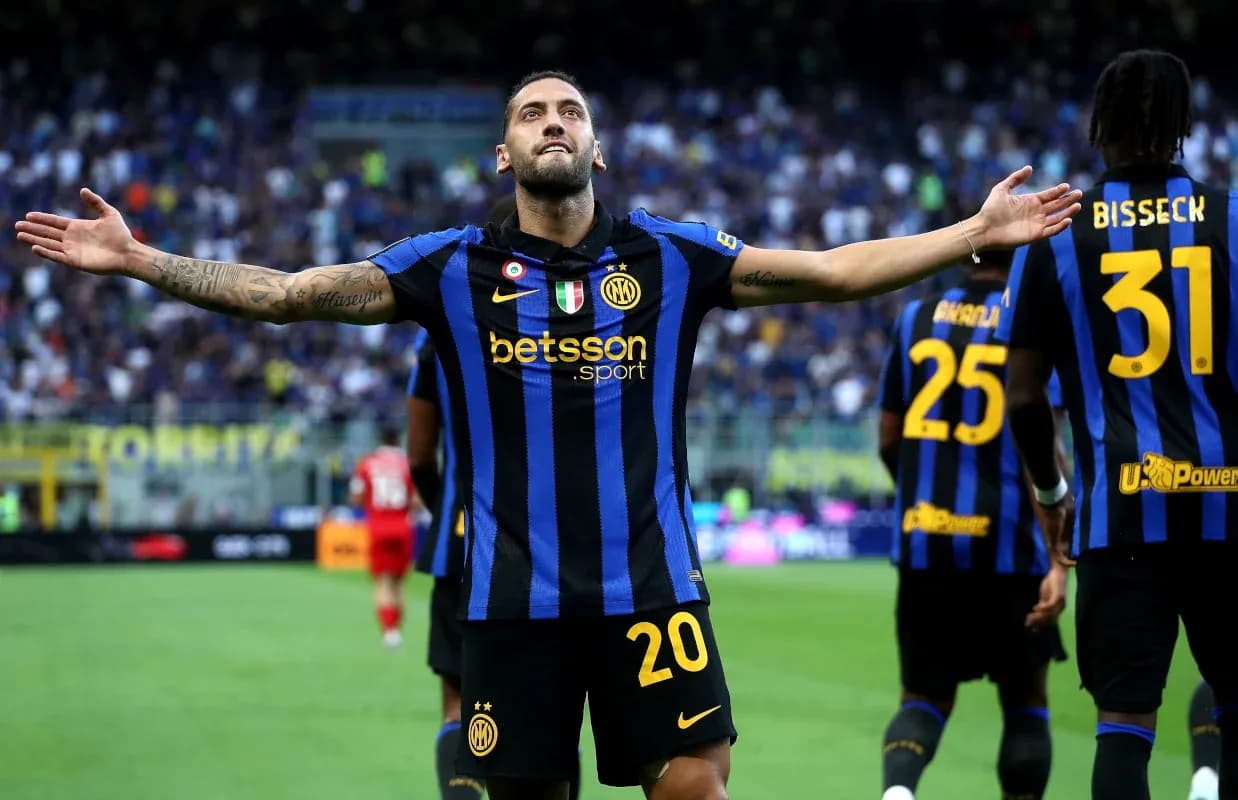
Inter Faces Udinese Without Calhanoglu Due to Fatigue
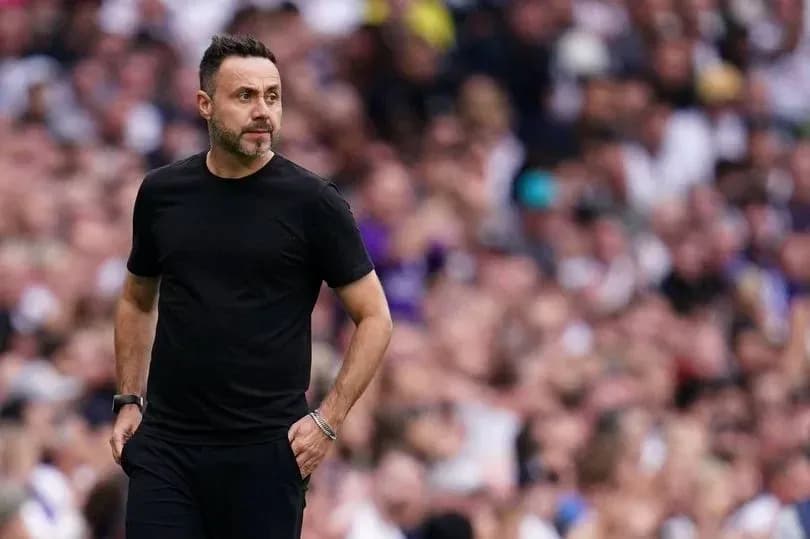
Tottenham and Liverpool Face Injury Challenges in Carabao Cup Tie
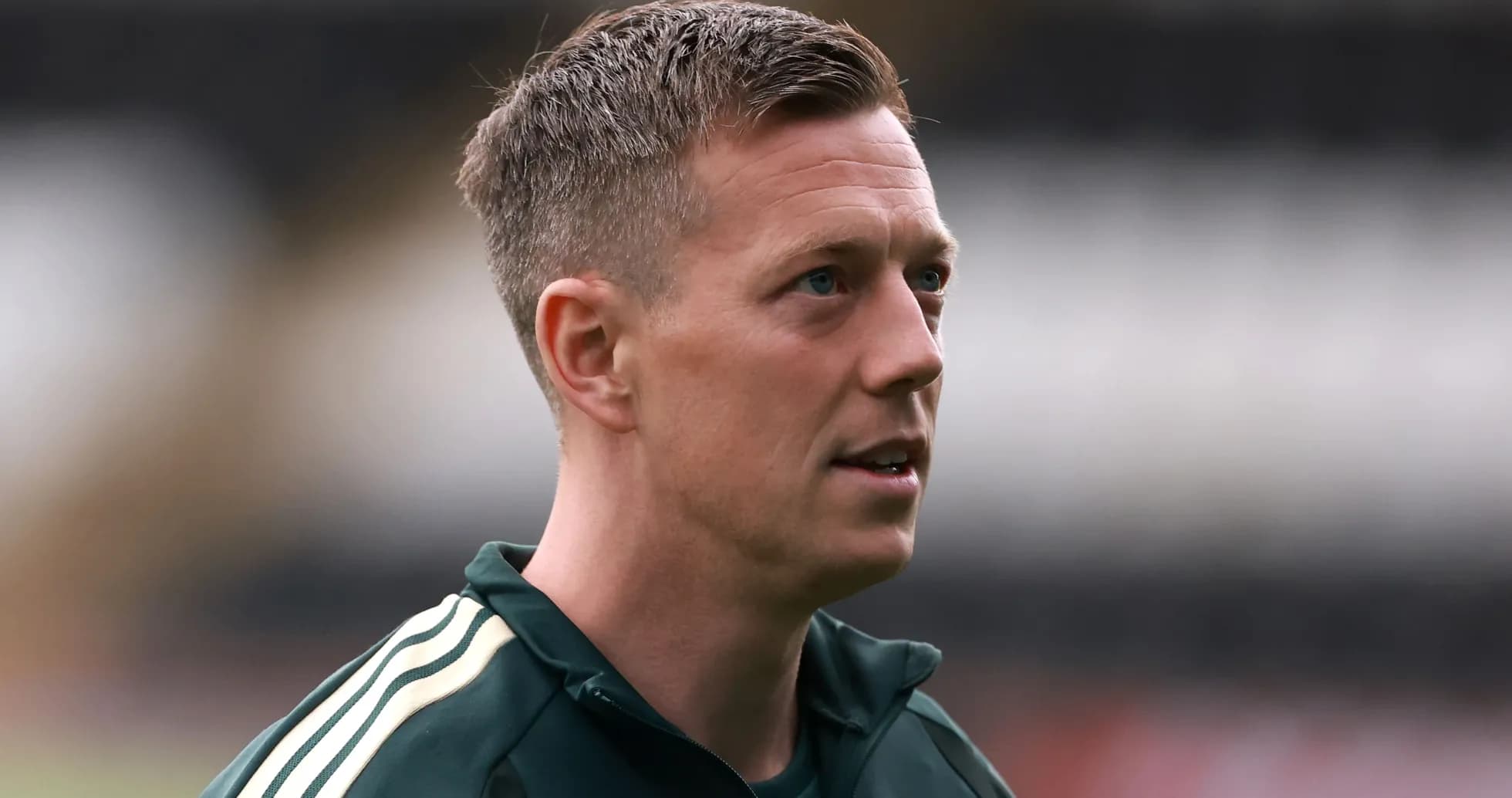
Celtic's Struggles: Callum McGregor's Critique After Ibrox Defeat
Crystal Palace Initiates Contract Talks with Captain Dean Henderson
Inzaghi's Concerns Over Watkins as Al-Hilal Begin AFC Champions League