
Chelsea's £349m Dilemma: Two Right-Backs in Midfield
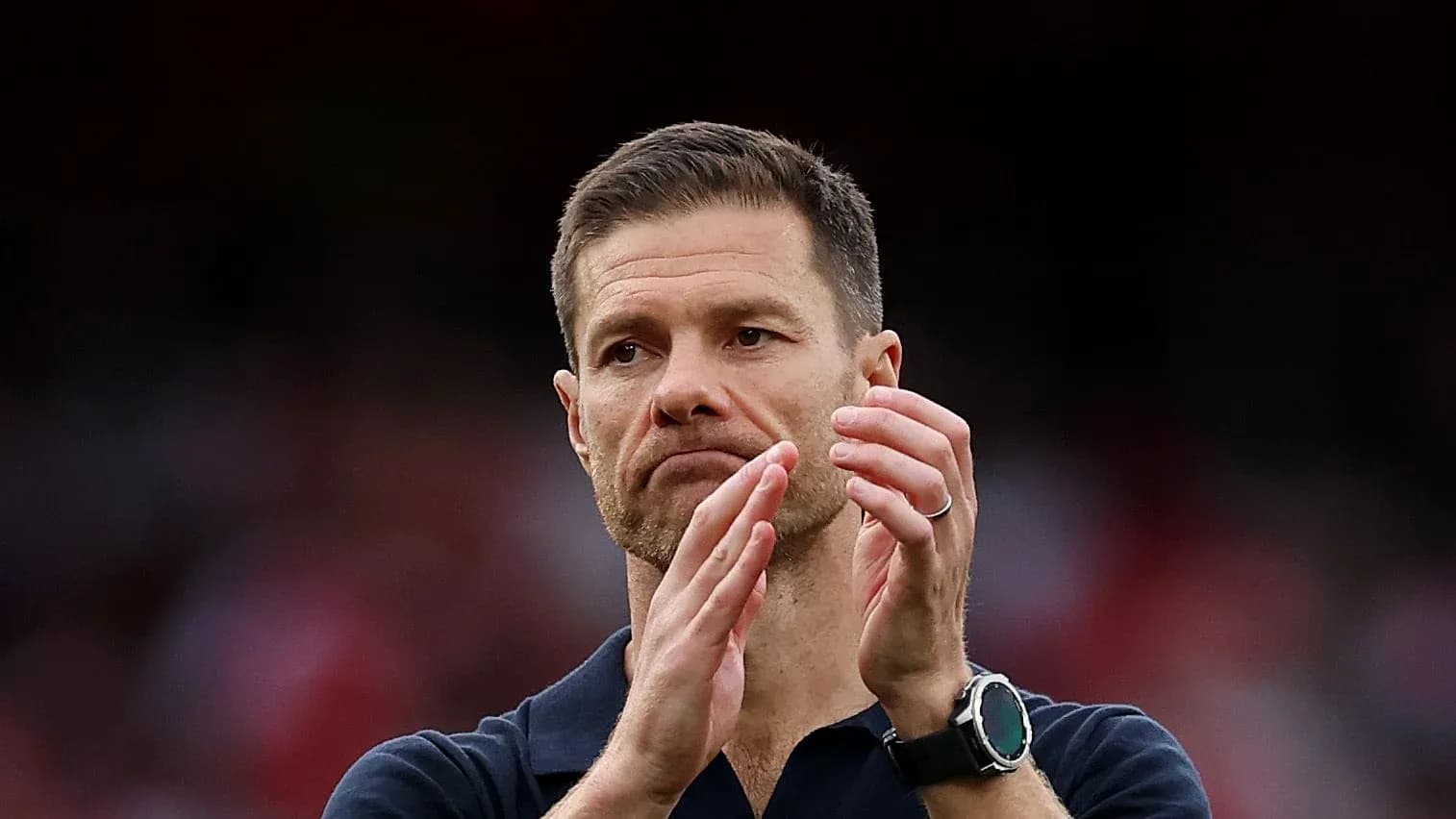
Chelsea walked out of the Emirates with a 2-1 defeat and something more troubling than a single lost game: a glaring, uncomfortable question about what exactly their £349m summer has bought them in midfield.
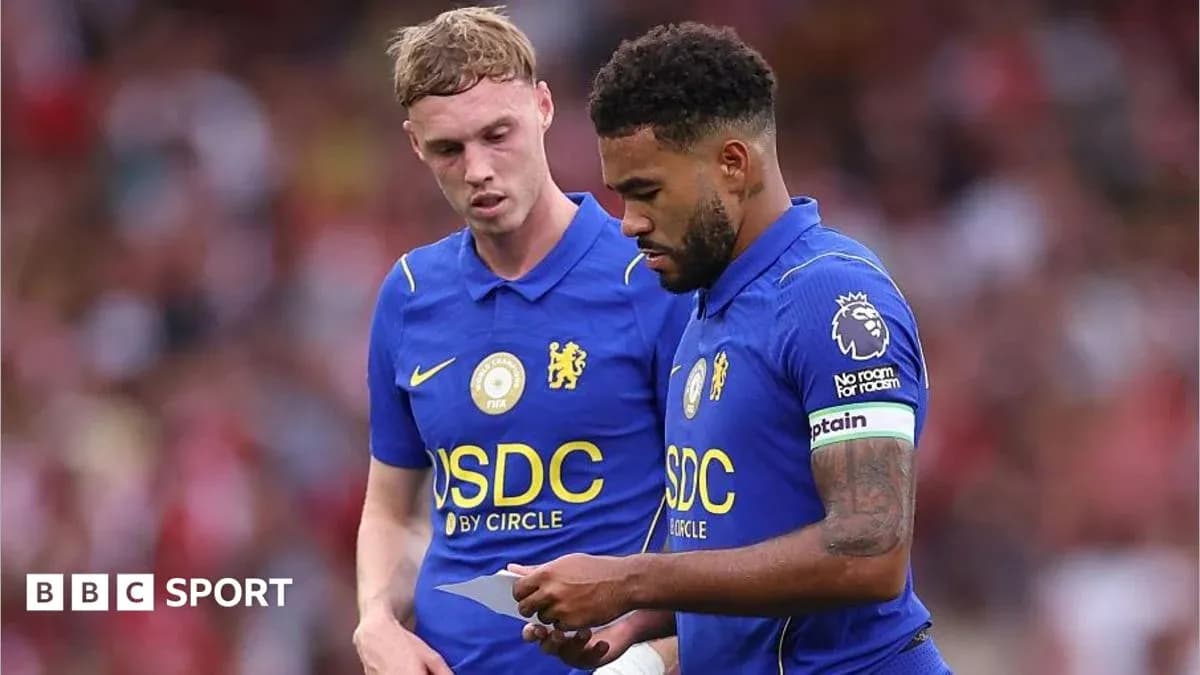
By the end, with the match slipping away, Reece James and Malo Gusto – two players who came through as right-backs – stood side by side in the centre of the pitch, trying to wrestle control from the Premier League champions. It was a snapshot that cut through all the noise of spending, projects and promises.
How does a club that spent that much money in one window finish a heavyweight clash like this?
James vs Odegaard – and the moment that mattered
James had been handed a specific, demanding task: track Martin Odegaard. Stick with Arsenal’s captain, disrupt his rhythm, stop him dictating.
For long stretches, James did plenty right. He looked largely at ease in a role he came to know last season, when he spent almost half the campaign operating in midfield. He snapped into tackles, closed passing lanes, and at times gave Chelsea a platform.
But the game’s decisive moment cut straight through that narrative. In the move that led to Odegaard’s winner, the Norwegian slipped free. James did not shut him down. The Arsenal captain took full advantage, and Chelsea paid the price.
Xabi Alonso had talked James up before kick-off, telling BBC Sport that the England international had the potential to become one of the best midfielders in the world. The idea itself didn’t look wild on the evidence of most of his performance.
The way Chelsea ended the match, though, told a different story about the squad around him.
When Alonso turned to his bench in the second half, he chose Gusto over Romeo Lavia. Another right-back, not a recognised midfielder. That decision, in a tight game against the champions, underlined the doubts about Chelsea’s depth in the centre of the pitch.
Arteta’s bench bites, Chelsea’s doesn’t
The contrast with Arsenal was sharp.
Chelsea’s slack marking gifted Odegaard his goal, but the issue was broader than one lapse. When Alonso looked for creativity and control from his substitutes, there was very little to change the feel of the contest.
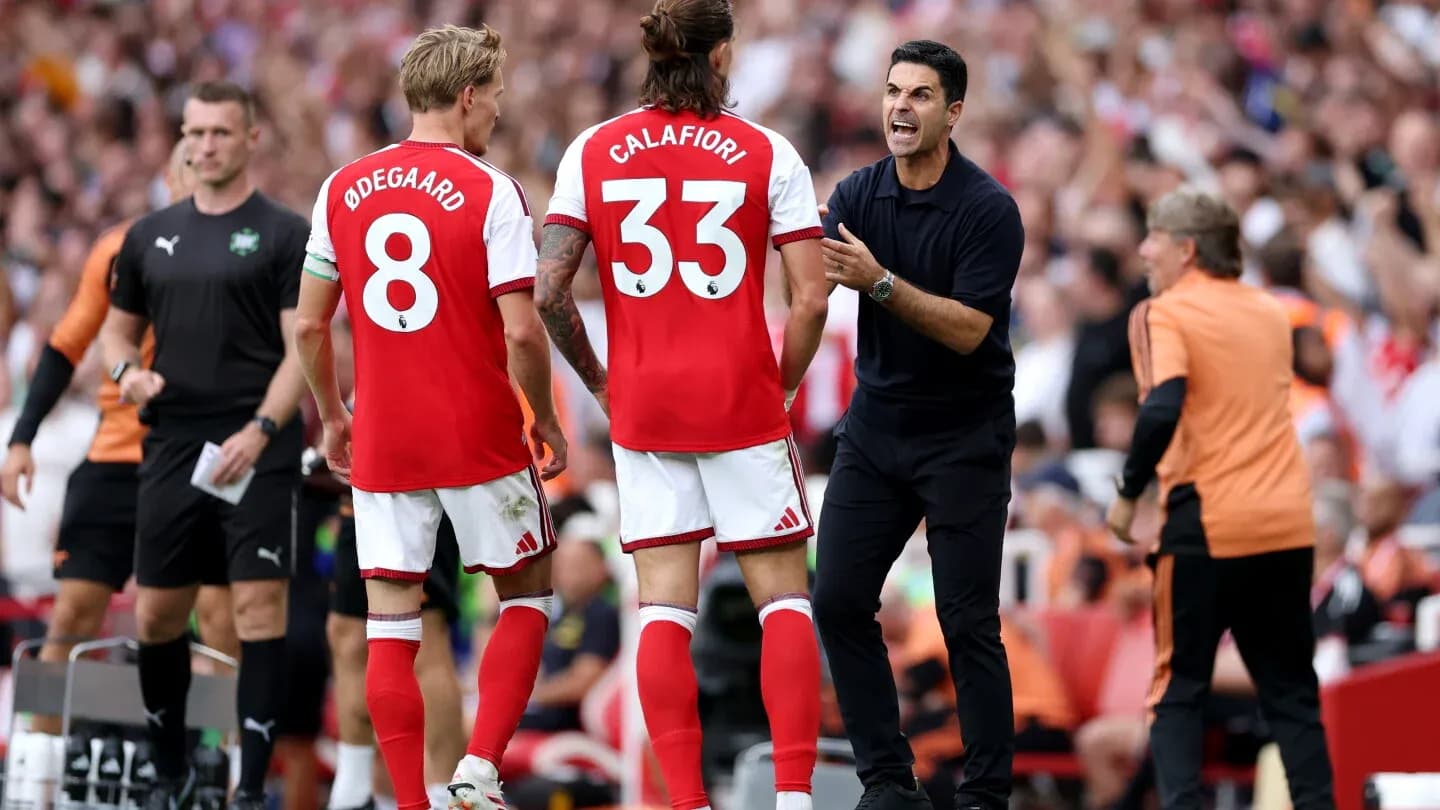
Arteta, by comparison, had weapons. He used them. Fresh legs, fresh ideas, and a bench built to twist a game in his favour. His changes shifted the momentum and helped Arsenal close the match out with authority.
Ashley Young, speaking to BBC Sport, cut to the heart of it. Chelsea, he pointed out, have no European football this season. Fewer games. More time on the training ground. More scope to focus on the league. Yet they still finished a statement fixture with two right-backs in midfield.
Young highlighted Lavia’s injury troubles last season and drew a clear line through the squad: a front line that will scare teams, and a midfield that currently leans on players whose primary trade is defending the flank.
He warned that other sides will have taken note of what Arsenal exposed: a Chelsea team that drops deep, packs bodies behind the ball, but still leaves space between the lines. Arsenal found those gaps. Others will try to do the same.
Chelsea’s reliance on counter-attacks only sharpened the concern. Young pointed to one real moment in transition – a break down the right for Pedro Neto – as the only time that strategy truly clicked on the day.
Caicedo’s absence and a plan under strain
Strip everything back and the biggest single issue is simple: Moises Caicedo is missing.
The Ecuadorian midfielder, usually a constant presence, is out with an injury that remains shrouded in mystery. No public details, no return date. The problem flared up after just 11 minutes off the bench against Brighton last week.
For Alonso, it is unfamiliar territory. Across the past three seasons, Caicedo has missed only two matches through a minor injury and illness, aside from suspensions. He is built to play, to absorb minutes, to anchor a midfield.
This time, Chelsea are choosing caution. Alonso admitted they may have rushed Caicedo back too soon against Brighton and made it clear he will not repeat that mistake. It is not, he said, a long-term absence, but a question of risk.
Whether that scare pushed Chelsea to scramble harder for a midfielder on deadline day remains unanswered. What is clear is that they tried.
Deals that died at the last minute
Chelsea went into the final hours of the window with midfield still on the agenda. They came out with nothing new.
Their move for Lamine Camara, at £47m, collapsed late when Monaco pulled the plug. Inside Stamford Bridge, the fallout from that decision was one of frustration.
Bournemouth had already turned down bids rising to £64m for Alex Scott earlier in the summer. The London club’s pursuit of Manu Kone also stalled, with Roma manager Gian Piero Gasperini blocking the Frenchman’s route out.
Chelsea’s line is that Camara was an opportunity, not a necessity. The club insists it is satisfied with the summer’s work and trusts the current group.
On nights like Sunday, that stance feels exposed.
Enzo out, questions in
The scrutiny sharpened the moment Enzo Fernandez left for Manchester City.
Chelsea accepted £125m for the Argentine on deadline day, matching the British transfer record, and did not sign a direct replacement. It was a huge fee. It also left a huge hole.
Now Caicedo is injured. Jordan Henderson, another midfield option, is still recovering from a broken arm suffered in a freak fall onto an advertising board while on World Cup duty – an incident that happened while he was on the bench and did not play.
Valentin Barco, signed from Strasbourg as a natural midfielder, has yet to feature. Alonso has instead trusted Gusto in all three Premier League matches so far.
The result is a midfield built on improvisation and hope rather than continuity and balance.
A historic low in possession
The warning signs had already flashed against Brighton.
With Gusto in midfield, Chelsea had just 25.6% possession in a 4-3 win – the lowest figure recorded by the club since data collection began in the 2003-04 season. They escaped with three points thanks to their attack. The numbers told a different story about control.
If everyone is fit, the picture looks less bleak. Caicedo, Henderson, Barco, James as a flexible option, Lavia as he regains rhythm – on paper, it is enough to get through a season without European distractions.
Alonso himself said before facing Arsenal that he believed he had sufficient numbers in midfield. The table, and the eye test, will decide if that conviction holds.
Attack shines, defence creaks
The irony is that Chelsea’s forward line already looks like a strength.
Across their first three league games, they have leaned heavily on their attacking power. Morgan Rogers has hit the ground running. Cole Palmer has rediscovered his sharpness. Joao Pedro has brought goals.
Rogers, signed for a record fee, struck again inside two minutes at the Emirates. In doing so, he became the first Chelsea player to score or assist in each of the club’s first three league matches of a season since Eden Hazard in 2018-19. That is elite company.
The problem lies at the other end. Chelsea have conceded seven goals in those same three games. Alonso has not tried to hide from it. He has spoken plainly about the need for greater cohesion and solidity without the ball.
Against Arsenal, there was plenty for him to like. In spells, this was one of Chelsea’s better showings in a run that now stretches to 10 matches without a win over their London rivals. They went toe-to-toe with the champions for long periods.
But the gap remains. Chelsea finished last season 33 points behind Arsenal and in tenth place. That distance does not vanish in one window, however busy.
Alonso’s verdict after the match was blunt. Chelsea came to win. They believed they were close to Arsenal in level. The game slipped away. It hurt. The Spaniard insisted it would not derail their mentality, that this was only the first defeat in a long campaign.
Arsenal set the pace. Can Chelsea catch them?
Right now, Arsenal are still the reference point.
Chelsea beat them to Morgan Rogers in the market, but on the pitch they remain behind the team that sets the standard for title contention in London and across the league.
Sunday underlined a hard truth: money alone has not solved Chelsea’s structural issues. Ten first-team signings arrived in a frantic summer, yet the failure to land a midfielder on the final day has left a fault line running straight through Alonso’s squad.
The coach called this window “the first stage” of his Chelsea project. Stage one is over. The reality of the season has begun.
If Caicedo’s return stabilises the midfield, the crisis talk may fade. If it does not, the decision to sell Enzo without a like-for-like replacement will be dragged back into the spotlight, and the club could be forced into another high-stakes midfield search in January.
By then, the question will not just be how Chelsea ended up with two right-backs in midfield against the champions – it will be whether those 349 million pounds have moved them any closer to the team they are chasing.
Related News

Gio Reyna Shines in Ligue 1 with First Career Goal
Abde Ezzalzouli Left Out of Betis Champions League Squad
Tomás Guasch Criticizes La Liga Refereeing After Real Madrid Defeat
Arsenal Secures 2-1 Victory Over Chelsea Despite Saliba's Absence
Arsenal Triumphs Over Chelsea as Arteta Sees Another Layer of Quality
Chelsea's Midfield Dilemma: Right-Backs in Key Roles