
Chelsea's Decline: Gullit's Insights on Managerial Challenges
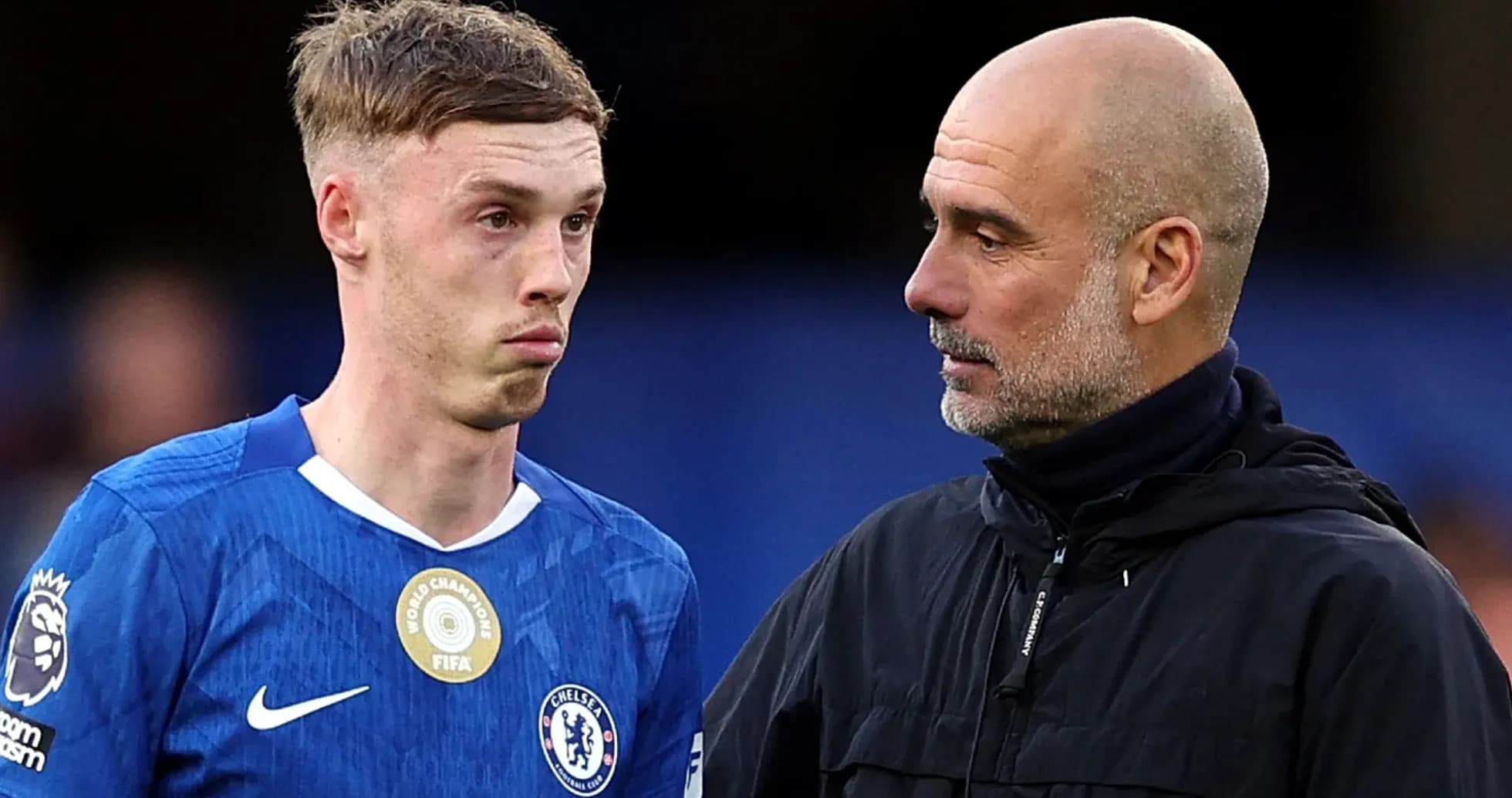
Ruud Gullit has seen this film before. The former player-manager who once dragged Chelsea into the modern era now watches a club he helped transform drift into something far less appealing for the elite coaches of today.
From Conference League winners and FIFA Club World Cup champions to a side marooned in mid-table inside a year, Chelsea’s descent has been as swift as it has been jarring. Last season ended with silverware and a ticket back to the Champions League. This one may finish without European football of any kind.
Ninth in the Premier League. A revolving door in the dugout. A squad heavy on promise, light on pedigree.
The contrast is brutal.
A club that spends, but does it build?
Nobody can accuse Chelsea’s owners of sitting on their hands. The money has flowed. Fees have been paid. Contracts have been handed out. But the strategy? That’s where the doubts flood in.
Potential has been prioritised over proven quality. Young talent by the armful, but short on the hardened, battle-scarred operators who know how to steer a season when it starts to list. The result is a team that veers wildly from one performance to the next, a side that can look exhilarating for 20 minutes and lost for the next 70.
That inconsistency has shredded stability on the touchline. Enzo Maresca came and went. Liam Rosenior followed the same path. Now Calum McFarlane holds the reins on a caretaker basis, trying to keep the season alive long enough to deliver something tangible.
To his credit, he has. Chelsea are in the FA Cup final.
On May 16 at Wembley, they will stare down Manchester City with a trophy and a Europa League place on the line. Win, and the narrative softens. Lose, and the table will tell the truer story of a season that never really took shape.
Gullit’s warning: “The only thing that is certain…”
From the outside, Gullit does not sugar-coat what he sees.
Asked whether Chelsea are becoming an unattractive proposition for the game’s top coaches, the 1997 FA Cup-winning player-manager did not hesitate. “Yes,” he told GOAL, speaking in association with MrRaffle.com, before laying bare the core of the problem: elite managers want elite, experienced players to balance youth.
“I need experienced players. I need a Casemiro, a [Aurelien] Tchouameni. I need these types of players in midfield. I need this kind of experience alongside the young talent. And if you don't have them, it's going to be a problem.”
This is not a nostalgic plea for the old guard. It is a blunt assessment of what a serious, competing squad looks like. Chelsea have invested heavily in potential; they have not yet built a spine that frightens anyone.
Then came the line that will sting in west London.
“The only thing that is certain for a Chelsea manager is that he gets fired. That's the only certainty.”
For coaches at the very top of the game, that reputation matters. So does alignment.
“And as a coach you have to learn to adapt to the club's philosophy. Does it match yours? And do you get the players you need to do what you want to do?”
Gullit pointed to the obvious example. Pep Guardiola has shaped Manchester City not just with his ideas, but with a squad tailored precisely to them.
“Pep Guardiola got all the players he wanted. That's why he's been successful. But if you told Pep, ‘Deal with what we give you’, he wouldn't come. Mourinho wouldn't come. Klopp wouldn't come. [Carlo] Ancelotti wouldn't come. These are people who know exactly what the right formula is.”
The message is clear: the best do not simply accept a project. They control it.
Big names linked, big questions linger
Chelsea’s hierarchy knows it must make a decisive call in the summer. The names floated speak to that ambition: Cesc Fabregas, Xabi Alonso, Andoni Iraola, Marco Silva. Each brings a distinct identity, each has momentum behind his reputation.
But the question hangs over all of them: is this still a job that the very best actually want?
The squad is talented but unbalanced. The expectations are sky-high. The patience is minimal. Any new man will inherit a dressing room that has grown used to change and a fanbase that has grown tired of excuses.
That is not a gentle landing.
A season hanging on Wembley – and what comes after
Chelsea did at least snap a six-game Premier League losing streak with a 1-1 draw against Liverpool last time out, a result that steadied nerves if not the league position. Two more top-flight fixtures remain after the FA Cup final.
Tottenham, fighting to avoid the drop, come to Stamford Bridge. Then a final-day trip to Sunderland awaits. On paper, there is still a route to the top seven. In reality, the odds are long, the margin for error almost non-existent.
That is the backdrop against which any prospective manager must weigh up the offer. No guaranteed Champions League. No guaranteed Europa League unless City are upset at Wembley. A squad that needs experience as badly as it needs time. A club where, as Gullit put it, the only certainty is the sack.
Chelsea will still attract attention. The name, the stadium, the resources – all of it carries weight. But in a landscape where Guardiola, Klopp, Ancelotti and their peers can pick and choose, the question is no longer whether Chelsea are big enough.
It is whether they are stable, aligned and serious enough for the kind of manager who insists on getting the players he wants, not just the ones he is given.
Related News
Carlos Alcaraz Urges an End to Matches Ending in the Early Hours
Carlos Alcaraz Criticizes Late US Open Finish After 3:30 a.m. Match
Jannik Sinner Set for ATP 500 Return in Beijing with Novak Djokovic Also Competing

Meet Iva Jovic: The American Tennis Prospect Making Waves

Flavio Cobolli Shares Insights on Practice Session with Jannik Sinner Ahead of Comeback

Till vs Romero: Fight Details, Undercard, and Viewing Info for This Weekend