
Chelsea's Identity Crisis: A Season of Challenges
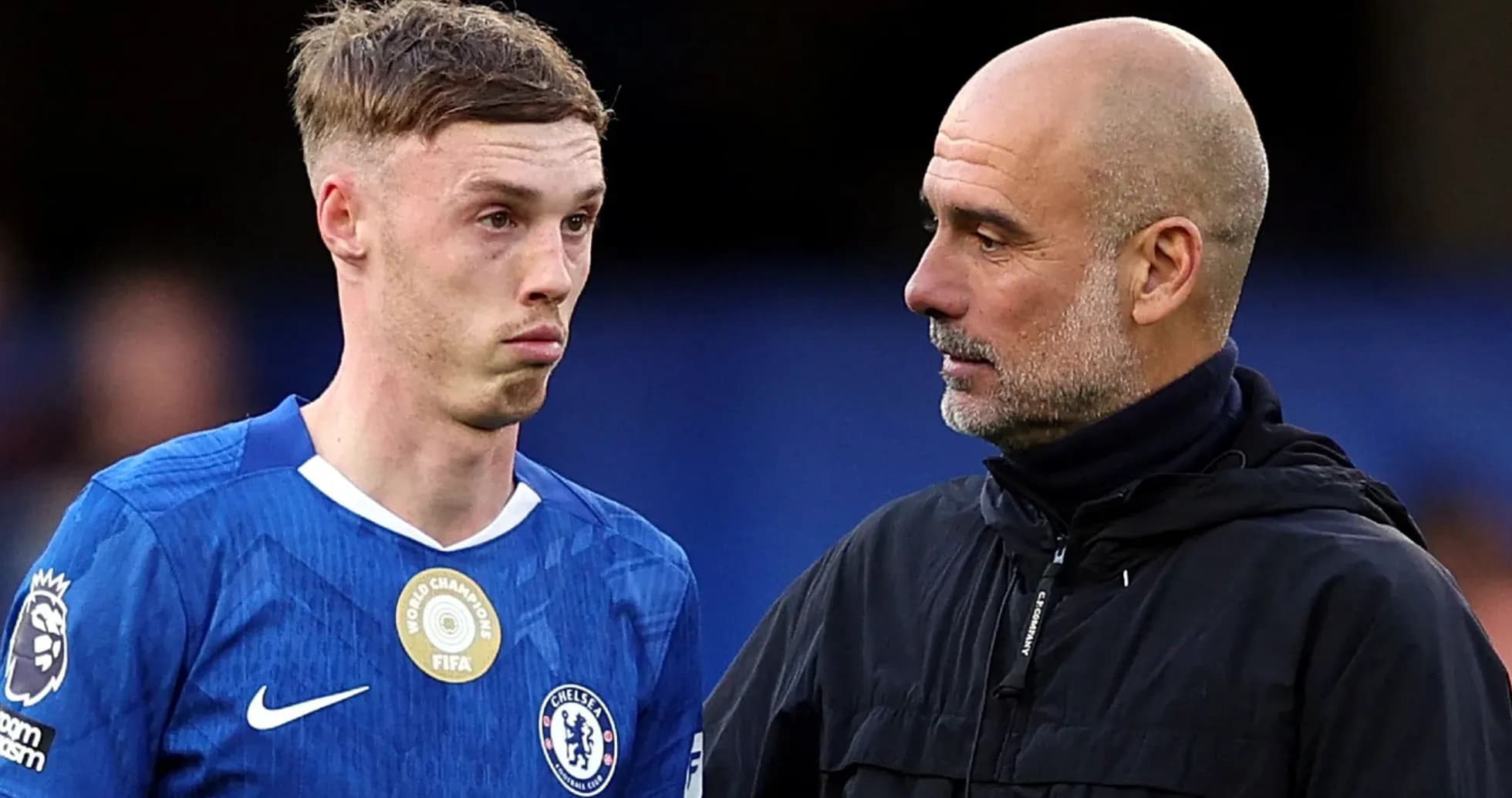
Ruud Gullit has seen this film before. The man who once strode the Stamford Bridge touchline as player-manager, FA Cup in hand and a new era dawning, now looks on from a distance at a club wrestling with its own identity.
Chelsea, European champions not so long ago and double trophy winners just last season with the Conference League and FIFA Club World Cup, are staring at a very different reality. Ninth in the Premier League. Europe in serious doubt. A season that was meant to be another step in an ambitious rebuild has instead become a warning.
The money has not stopped. The direction is what’s in question.
A project without a backbone
The ownership has doubled down on its youth-first model, paying big fees for potential and stacking the squad with players who might become stars rather than those who already are. The idea is clear; the execution has been anything but.
Inconsistency has become the soundtrack at Stamford Bridge. Enzo Maresca didn’t survive it. Liam Rosenior didn’t either. Both managers came and went as the club searched for someone who could make sense of a squad long on talent but short on balance.
Now Calum McFarlane holds the reins as caretaker. Against the chaos, he has carved out a shot at redemption: an FA Cup final against Manchester City at Wembley on May 16. Win that, and Chelsea not only lift major silverware again, they punch a ticket to the 2026-27 Europa League.
It would not fix everything. But it would change the mood.
Gullit’s blunt verdict
From the outside, Gullit doesn’t bother sugar-coating the challenge. Asked whether Chelsea are becoming an unattractive proposition for elite coaches, the 1997 FA Cup-winning boss is clear.
“Yes, because any manager would see what I see and say: ‘I need experienced players. I need a Casemiro, a [Aurelien] Tchouameni. I need these types of players in midfield. I need this kind of experience alongside the young talent’. And if you don't have them, it's going to be a problem.”
That word – experience – cuts to the heart of it. Chelsea have filled the dressing room with promise, but stripped away too many of the anchors that guide a young squad through rough spells. The result is a team that can look electric one week and lost the next.
Gullit goes further, homing in on the volatility that has become synonymous with the Chelsea job.
“The only thing that is certain for a Chelsea manager is that he gets fired. That's the only certainty. And as a coach you have to learn to adapt to the club's philosophy. Does it match yours? And do you get the players you need to do what you want to do?”
That question is now at the centre of the club’s summer.
Elite coaches will not compromise
Chelsea’s shortlist reads well: Cesc Fabregas, Xabi Alonso, Andoni Iraola, Marco Silva. All rising or established names, all with clear identities and growing reputations.
But Gullit issues a warning. The very best in the business don’t just bring ideas; they demand conditions.
“Pep Guardiola got all the players he wanted. That's why he's been successful. But if you told Pep, ‘Deal with what we give you’, he wouldn't come. Mourinho wouldn't come. Klopp wouldn't come. [Carlo] Ancelotti wouldn't come. These are people who know exactly what the right formula is.”
In other words, Chelsea can’t simply dangle the badge and the wage packet and expect automatic buy-in. The job has become high-risk, short-term and tightly constrained by a recruitment model that has often seemed detached from the needs of the man in the dugout.
For a coach with options, that is a serious red flag.
A season on the brink
On the pitch, there is still something to salvage. Chelsea snapped a six-game Premier League losing streak with a 1-1 draw against Liverpool, a result that at least stopped the bleeding and offered a reminder that this squad can compete when it clicks.
After the FA Cup final, two league fixtures remain: a home date with relegation-threatened Tottenham at Stamford Bridge, then a final-day trip to Sunderland. The mathematics say a top-seven finish is still possible. The reality says the odds are slim.
Miss out on Europe entirely, and the recruitment puzzle becomes even more complex. The next permanent manager will walk into a dressing room heavy on expectation, light on patience and operating without the lure of Champions League or even Europa League football.
The margin for error? Almost non-existent. The seat? Hotter than ever.
Chelsea once sold themselves as a destination where the biggest names came to win immediately. Now the question hangs in the air: who is bold enough to take this version of the job – and will the club finally give him the tools, and the time, to make it worth the gamble?
Related News
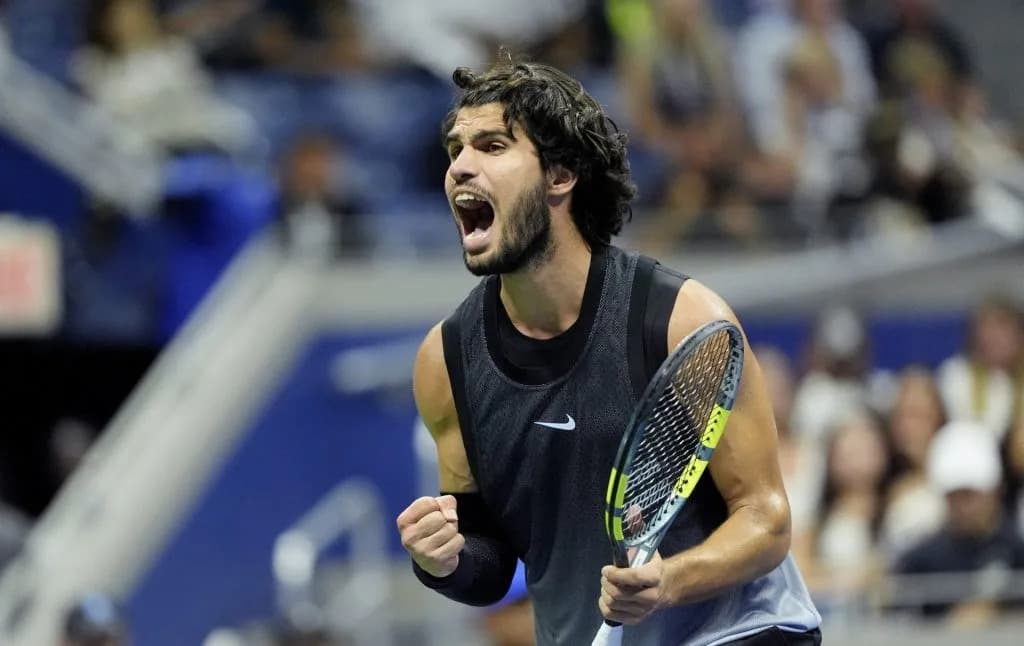
Carlos Alcaraz Urges an End to Matches Ending in the Early Hours
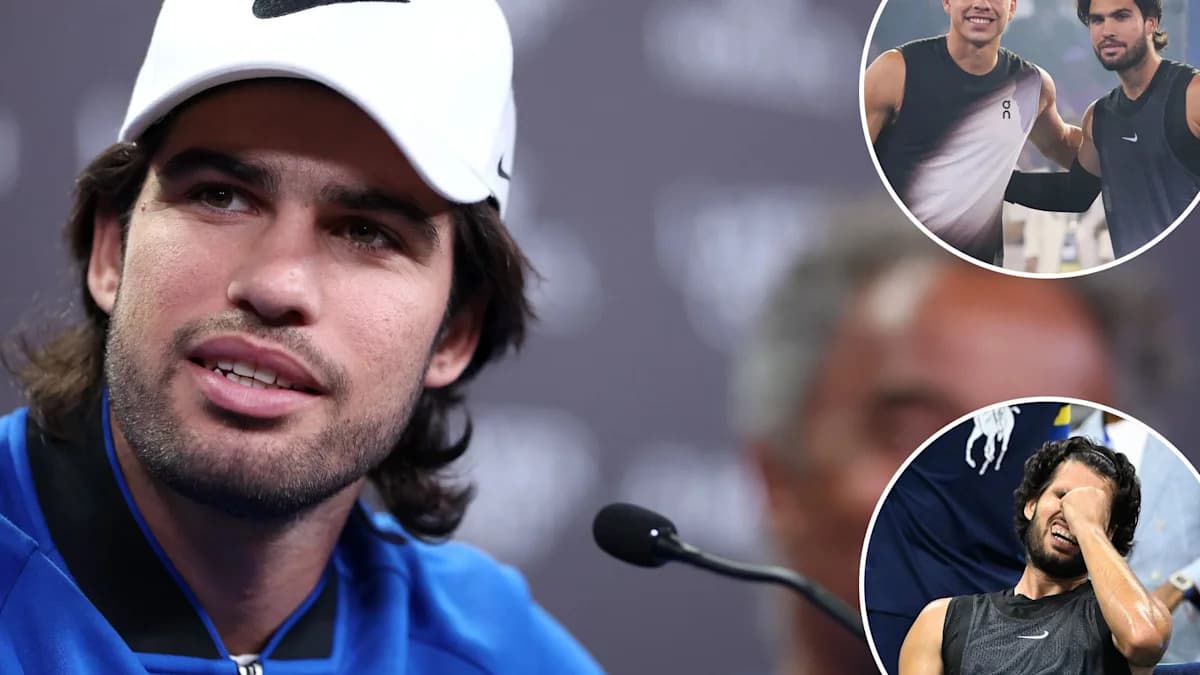
Carlos Alcaraz Criticizes Late US Open Finish After 3:30 a.m. Match
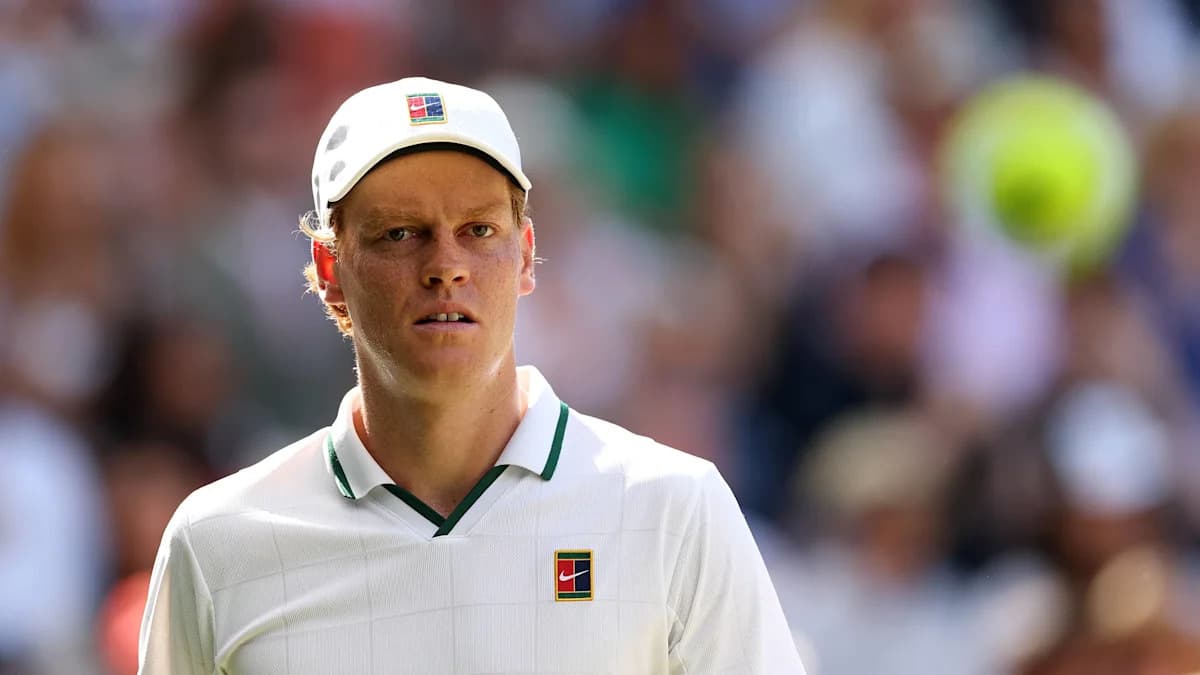
Jannik Sinner Set for ATP 500 Return in Beijing with Novak Djokovic Also Competing

Meet Iva Jovic: The American Tennis Prospect Making Waves
Flavio Cobolli Shares Insights on Practice Session with Jannik Sinner Ahead of Comeback

Till vs Romero: Fight Details, Undercard, and Viewing Info for This Weekend