
Sunderland vs Manchester United: Tactical Stalemate at the Stadium of Light

The Stadium of Light closed its doors on a stalemate, but the 0-0 between Sunderland and Manchester United felt more like a tactical arm-wrestle than a damp squib. Following this result, a 12th-placed Sunderland side with a goal difference of -9 (37 scored, 46 conceded overall) had gone toe-to-toe with a Manchester United team sitting 3rd, whose overall goal difference of 15 (63 for, 48 against) speaks to a far more explosive campaign. Over 36 league matches each, their seasonal DNA could not be more different: Sunderland pragmatic, streaky and often reactive; United high-scoring, occasionally chaotic, but usually finding a way.
The lineups underlined that contrast. Regis Le Bris again leaned into structural discipline, surrounding lone forward Brian Brobbey with a dense midfield band of Enzo Le Fée, Granit Xhaka, Noah Sadiki, Trai Hume and Chemsdine Talbi. Behind them, a compact back four of Lutsharel Geertruida, Nordi Mukiele, Omar Alderete and Reinildo Mandava protected Robin Roefs. Sunderland’s season-long profile backs that conservatism: at home they average 1.3 goals for and 1.1 against, with 7 home clean sheets and 5 games at the Stadium of Light where they have failed to score. The margins are tight by design.
Michael Carrick’s Manchester United, by contrast, arrived with a more expansive cast. Senne Lammens started in goal behind a back four of Noussair Mazraoui, Harry Maguire, Lisandro Martínez and Luke Shaw. In front, a fluid attacking structure blended Mason Mount, Kobbie Mainoo, Amad Diallo, Bruno Fernandes and Matheus Cunha behind Joshua Zirkzee. Heading into this game, United’s attack had been one of the league’s most productive, averaging 2.0 goals at home and 1.5 on their travels, but conceding 1.4 away hinted at vulnerabilities in transition that Sunderland were desperate to exploit.
The absences on both sides shaped the tactical voids. Sunderland were without Daniel Ballard (suspended after a red card) and R. Mundle (hamstring injury), stripping Le Bris of one of his most aggressive centre-backs and a wide option who might have stretched United’s back line. Ballard’s season numbers underline the loss: 24 league starts, 33 tackles, and a remarkable 24 blocked shots mark him as a key part of Sunderland’s penalty-box resistance. Without him, Alderete had to assume more responsibility in the air, while Mukiele and Geertruida were asked to step higher to compress United’s midfield lanes.
For United, Benjamin Šeško’s leg injury removed their most prolific pure finisher: 11 league goals from 30 appearances, with 34 shots on target from 51 attempts. Matthijs de Ligt’s back injury further weakened their central defensive rotation. Carrick’s response was to lean into the technical security of Martínez and the aerial presence of Maguire, but it also meant United’s rest-defence had to be more cautious, with Mainoo and Mount tracking Sunderland’s counters rather than relentlessly flooding forward.
Discipline was always likely to be a subplot. Sunderland’s card profile shows a side that lives on the edge in the middle third: 23.38% of their yellow cards arrive between 46-60 minutes, with another 18.18% between 61-75. Reinildo brings that edge in microcosm: 7 yellows and 1 red in 23 appearances, plus 34 tackles and 14 successful blocks. Trai Hume, too, is a repeat offender, with 9 yellows from 36 games and 31 fouls committed, a reminder that Sunderland’s wide press can easily slide into cynical territory.
United’s disciplinary record is no less volatile. Casemiro, even though he did not feature in this XI, casts a long shadow over the squad’s mentality: 9 yellows, 1 yellow-red, 88 tackles and 27 blocked shots in 33 appearances define the enforcer template. The team as a whole spikes in late aggression, with 19.67% of their yellow cards coming between 76-90 minutes and 16.39% in added time. Red cards cluster in the 46-60 and 76-90 windows, suggesting that when United chase games, emotional control can fray.
Within that frame, the key matchups were clear. The “Hunter vs Shield” duel tilted toward United’s creators rather than a single finisher. Bruno Fernandes, the league’s top assist provider with 19, arrived as the conductor: 125 key passes and 51 shots overall, plus 4 penalties scored but 2 missed, underlining both his centrality and the risk in handing him every high-stakes dead ball. His task was to unpick a Sunderland defence that, at home, concedes just 1.1 goals on average and has delivered 7 clean sheets.
On the other side, Sunderland’s “Engine Room” revolved around Xhaka and Le Fée. Xhaka’s 1 goal and 6 assists, underpinned by 1,684 completed passes at 83% accuracy and 34 key passes, make him the tempo-setter. He is also a defensive pillar: 49 tackles, 20 successful blocks and 29 interceptions. Le Fée adds vertical thrust with 4 goals and 5 assists, 48 key passes and 83 tackles, blurring the line between playmaker and ball-winner. Their duel with Mainoo and Mount was less about glamour and more about who could control the second balls and dictate the rhythm between the lines.
On United’s bench, Bryan Mbeumo lurked as a potential game-breaker: 9 goals, 3 assists, 46 key passes and 51 dribble attempts across the season. Introduced against tiring legs, his ability to attack full-backs one-v-one would have been a logical lever for Carrick, especially against a Sunderland side that often accumulates cards in the final quarter.
Statistically, the pre-match prognosis tilted toward United. Overall they average 1.8 goals for and 1.3 against, compared to Sunderland’s 1.0 for and 1.3 against. United have 18 wins from 36, Sunderland 12. United’s away record – 6 wins, 8 draws, 4 defeats, with 27 scored and 26 conceded on their travels – suggested they had enough firepower to edge a tight contest, even if their away defence is far from watertight.
Yet the 0-0 outcome fits Sunderland’s broader pattern at the Stadium of Light: grind, contain, and live in the fine margins. With both sides perfect from the spot this season (4 penalties taken, 4 scored, none missed for each), the game was always more likely to be decided by open-play structure than by set-piece roulette. In xG terms, the underlying numbers would almost certainly show United generating the higher volume of chances, but Sunderland engineering the type of game they wanted: few transitions, controlled space, and a point that feels like a small tactical victory against Champions League-bound opposition.
Related News
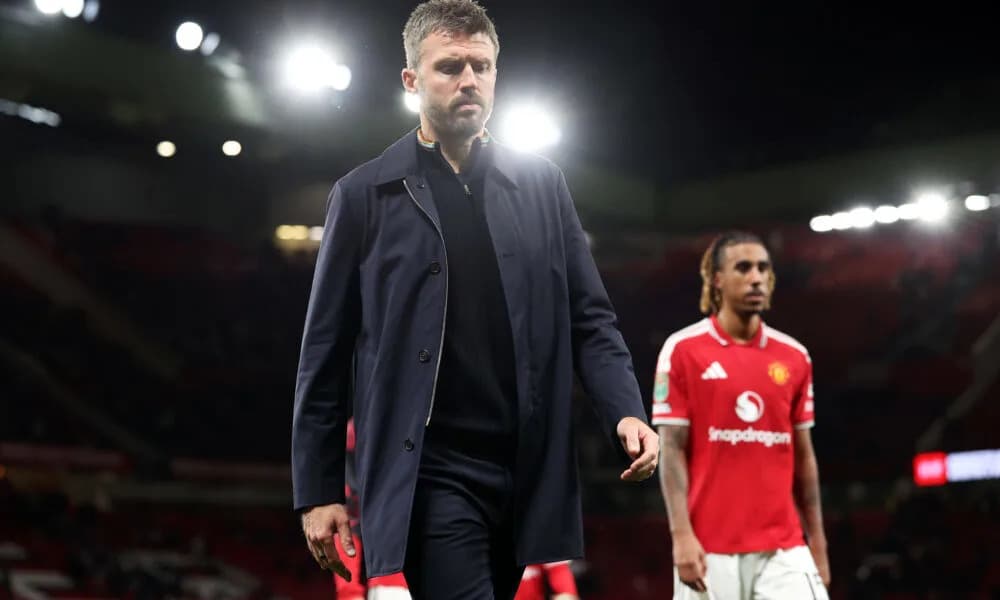
Premier League Managers Facing Potential Sackings During International Break
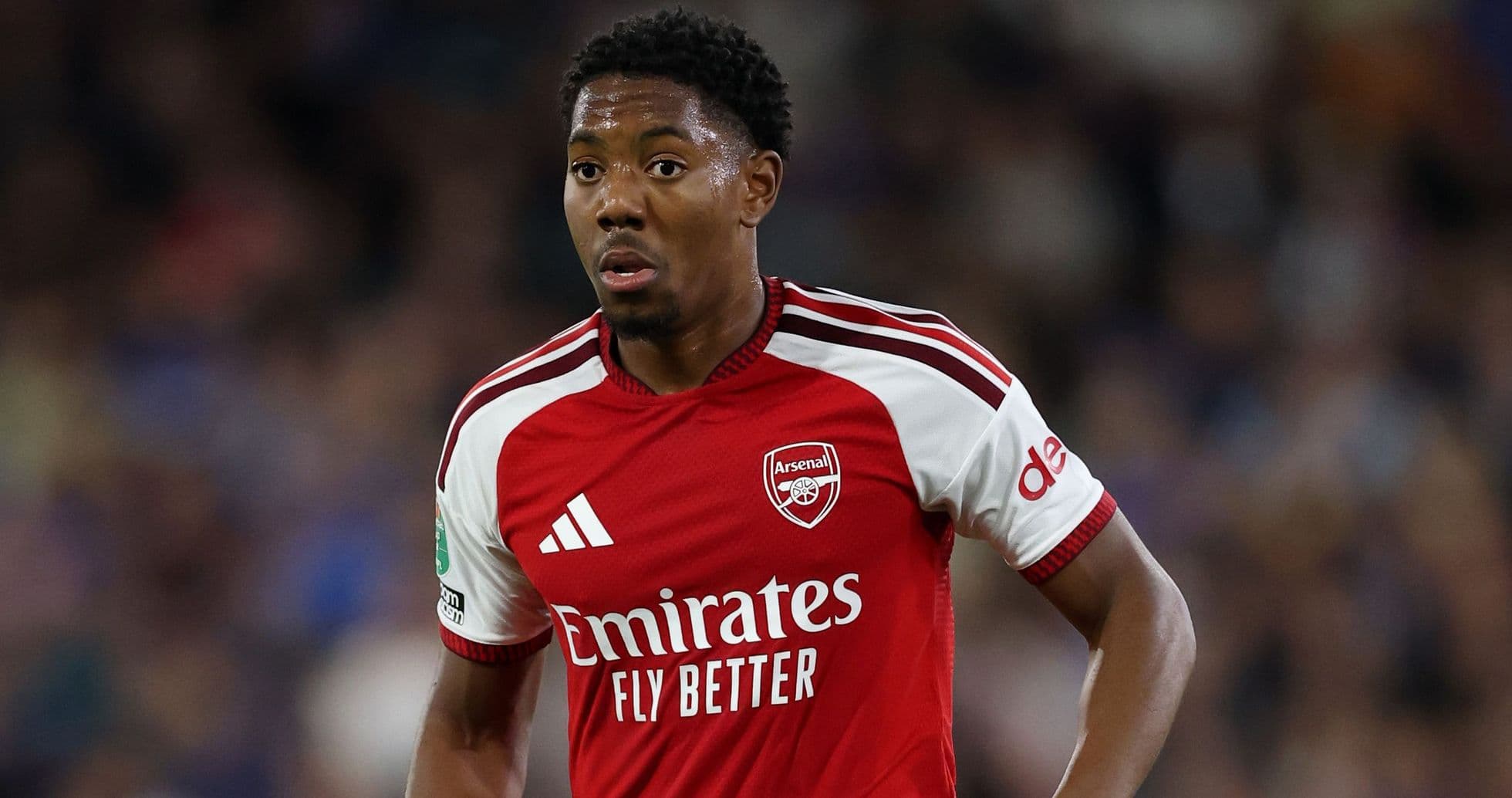
Arsenal's Myles Lewis-Skelly Names Unexpected Tottenham Rival as Toughest Premier League Opponent

Three Premier League Players Shining Early This Season
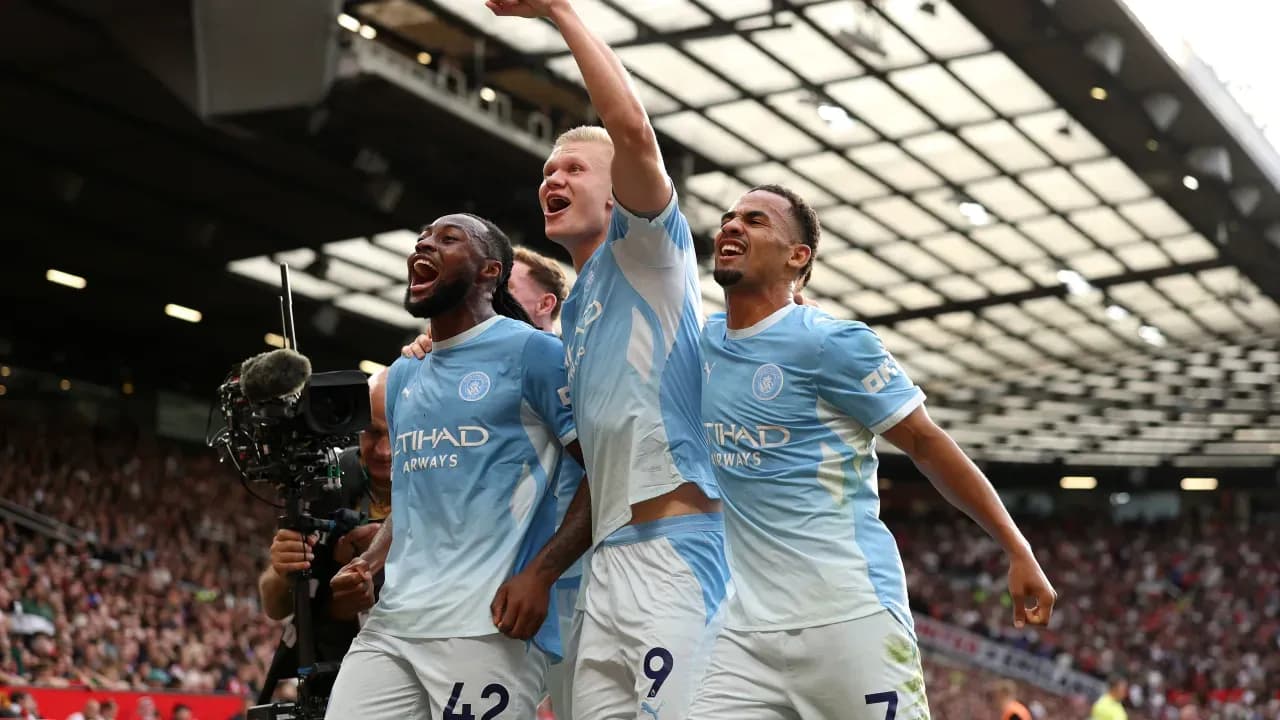
Premier League Early Season Reactions: Man City’s Strength, Arsenal’s Flaws, United’s Struggles

Premier League Returns October 10 After Extended September-October International Break

Fulham and Manchester United Share Points in 1-1 Draw