
Chelsea Fined £10m and Suspended Transfer Ban After Abramovich Era Exposed
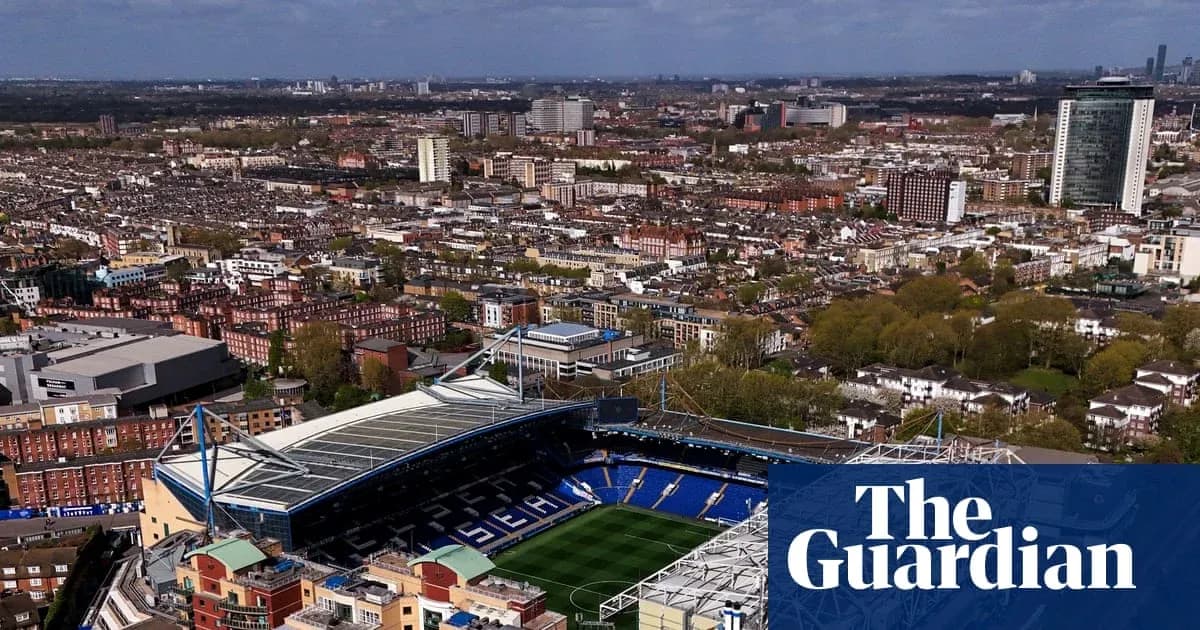
Chelsea’s Roman Abramovich years have been dragged back under the spotlight, and the verdict from English football’s authorities is brutal.
The club have been fined £10m by the FA and handed a suspended two-window transfer ban after an independent commission found multiple breaches of transfer rules stretching from 2009 to 2022. It mirrors the punishment already imposed by the Premier League earlier this year, and it lands as the most forensic public dissection yet of how Chelsea did business under their former owner.
A damning verdict on a gilded era
The written reasons, published by the FA, strip away the glamour of the Abramovich era and replace it with a stark assessment. The commission condemned the club’s previous regime for what it called “a shameful and arrogant disregard for the rules of the game … which has done so much to bring the game of football in general, and the name of CFC into disrepute”.
Behind the trophies and the superstars, the panel found a network of off-book arrangements, unlicensed agents and concealed payments. Deals involving Samuel Eto’o, Eden Hazard and Willian were among those flagged as breaching regulations. The pattern, the commission felt, was clear.
Initially, the panel went even harder. It started from a 15-point deduction as a theoretical benchmark before landing on a suspended six-point penalty. That, too, has now disappeared. After Chelsea appealed, the sporting punishment was scrapped and replaced by a suspended transfer ban, leaving only the £10m fine as the tangible sanction.
How Chelsea avoided a points hit
The route from potential points deduction to financial slap on the wrist tells its own story.
The FA and Premier League both argued against a sporting sanction being imposed at all. The commission, unconvinced, first decided Chelsea’s misconduct had been aimed at securing a sporting advantage and imposed the suspended points penalty. On appeal, that logic was dismantled. The appeal board ruled there was insufficient evidence that the club had actually gained such an advantage, even if the intention had been there.
Stefan Borson, a football finance expert and head of sport at law firm McCarthy Denning, described Chelsea’s legal handling of the case as “a masterclass in non-adversarial diplomacy with both the FA and the Premier League”. He noted how a 15-point starting position had been whittled down, then ultimately “appealed away, leaving Chelsea to pay a final meagre fine out of its retained escrow from Abramovich’s proceeds”.
The independent commission, while scathing about the old regime at Stamford Bridge, also turned its fire on the FA itself. It criticised the governing body for failing to charge individuals involved in the wrongdoing and for asking that no sporting sanction be applied. The Premier League took a similar stance.
Self-reporting and a new regime
The current Chelsea hierarchy, led by the BlueCo consortium, inherited the mess. When they took control in 2022, they commissioned their own review and then self-reported the historical breaches to the authorities. That decision has significantly shaped the outcome.
The disciplinary panel praised the club for its openness and cooperation. Chelsea, who are already operating under a settlement agreement with Uefa, stressed that they had “worked openly and transparently with all regulators” and welcomed the fact that the FA decision “brings all regulatory proceedings against the club to a close”.
The FA confirmed that the entirety of the £10m fine will be channelled into grassroots football.
Behind the scenes, the cost has been higher than that figure alone. The FA’s rulings reveal for the first time that BlueCo reached a multi-million-pound settlement with HM Revenue & Customs over transactions dating back to 2011. While the exact sum is redacted, the appeal board’s decision shows the club repaid at least £1.35m.
Offshore money and the Willian scramble
The case has its roots in a vast financial underworld that orbited Abramovich’s ownership. The Premier League and the FA have been poring over tens of millions of pounds in secret payments routed through offshore companies owned by the Russian oligarch.
Those arrangements came into sharper focus after Cyprus Confidential, an investigation by the Guardian and international media partners, exposed a trove of leaked data from Cypriot financial services firms used to manage Abramovich’s wealth. Among the revelations were apparent off-book payments to Hazard’s agent and to an associate of title-winning manager Antonio Conte.
The FA’s published documents also lift the lid on the internal workings of one of the most notorious transfer coups of the Abramovich years: the signing of Willian in 2013. The Brazilian had been on the brink of joining Tottenham when Chelsea swooped in at the last minute.
According to the commission’s findings, an unnamed senior Chelsea figure made clear that losing Willian was “not good” and that losing him to Spurs was “adding insult to injury”. For the FA, those words cut through the legal argument. In its case, it said the individual may have “loved the power associated with having a bottomless pocket when it came to acquiring players of great quality and/or with great potential, but to seek to suggest that there was no intention to obtain a sporting advantage is stretching our credulity beyond reasonable limits”.
The appeal board ultimately disagreed that any proven sporting advantage had been secured, but the picture of how Chelsea operated in the market under Abramovich is now publicly etched.
A line drawn – or just a warning shot?
On paper, Chelsea walk away with a £10m bill, a suspended transfer ban that will only bite if they reoffend, and the knowledge that the most serious threat – a points deduction – has been averted.
In practice, the club’s past has been pinned to the noticeboard. The glamour signings, the last-minute hijacks, the offshore payments: all now part of the official record, not just terrace folklore or rival fans’ accusations.
The new ownership has the clean slate it craved from regulators. The question now is whether English football’s authorities will be as lenient if any club, old or new regime, ever tries to push the rules this far again.
Related News

Carlos Alcaraz Calls for Change After Laver Cup Court Conditions
Alexander Zverev Secures Laver Cup Victory for Team Europe with Straight-Set Win Over Learner Tien
Novak Djokovic Shares Fitness Update Before China Open Return After US Open Upset

Shubman Gill's Captaincy Record Across All Formats: Tests, ODIs, T20Is, and IPL
Kuldeep Yadav Named Player of the Match Over Virat Kohli Despite Century in IND vs WI 1st ODI
India Advances to Asian Games 2026 Cricket Semi-Finals After Rain Washout Against Afghanistan