
Chelsea's Midfield Dilemma: Right-Backs in Key Roles
Chelsea spent the summer ripping up their squad and starting again. £349m later, they finished a statement game against the champions with two converted right-backs standing next to each other in central midfield.
That image at the Emirates said more than any press conference ever could.
Right-backs in the engine room
Reece James, the academy full-back turned would-be midfield general, had been backed to the hilt by Xabi Alonso in the build-up. The new Chelsea manager went as far as to say he believes James can become one of the best midfielders in the world.
For long spells, James justified the faith. He was neat, combative, involved. He has already spent almost half of last season in that role, and he looked comfortable for much of this one.
Then came the moment that mattered.
James switched off, failed to track Martin Odegaard’s run, and watched the Arsenal captain glide into space to score the winner in a 2-1 defeat. One lapse, one decisive movement, and Chelsea’s reshaped midfield was exposed again.
The picture grew stranger when Malo Gusto, another right-back by trade, replaced Romeo Lavia in the second half and stepped into midfield. Chelsea, the club that spent the summer hunting central midfielders, were closing out a heavyweight Premier League clash with Arsenal with two natural full-backs patrolling the centre of the pitch.
Ashley Young did not sugar-coat it on BBC Sport.
“Chelsea don't have European football this season so they're playing less games and can concentrate on the Premier League. But the worry is you're finishing a game against the champions, and you've got two right-backs in midfield,” he said.
“You look at Lavia, who was injured a lot last season. The front line are going to send fear throughout the league but behind that you see the midfield and they're playing right-backs there.
“Teams will be seeing the game today, seeing that Chelsea will sit in there and get men behind the ball, but there's still spaces through the lines, and Arsenal found that out.
“Chelsea are giving up a lot of possession and they're playing counter-attacking football. Today there was probably only once with Pedro Neto down the right side when they capitalised on the counter.”
The criticism cut to the heart of the issue: the structure behind Chelsea’s glittering attack still feels improvised.
Life without Caicedo
The biggest hole is obvious. Moises Caicedo is missing.
The Ecuador international limped out just 11 minutes into a substitute appearance against Brighton last week. Chelsea have called it an unspecified injury, with no clear return date. For a player who had previously missed only two games in three seasons – once through a knock, once through illness – it has thrown Alonso into territory few Chelsea managers have known.
Caicedo is usually there. Always available. Always the anchor.
Now he is not, and everything behind the forwards looks fragile.
Alonso admitted the club may have pushed him too hard already.
“Not longer term, but it is about assessing the risk,” he said when asked about Caicedo. “Probably last week we brought him back too early and I don't want to make the same mistake again.”
Whether Chelsea had any nagging doubts over Caicedo’s fitness during the frantic final days of the transfer window remains unanswered. What is clear is that they tried – and failed – to bring in another central midfielder.
Monaco pulled the plug on a £47m move for Lamine Camara at the last minute, leaving Chelsea furious behind the scenes. Earlier in the summer, bids up to £64m for Bournemouth’s Alex Scott were rejected. A move for France international Manu Kone collapsed when Roma head coach Gian Piero Gasperini blocked the deal.
Chelsea’s public stance stayed calm. They insisted the Camara pursuit was a response to a market opportunity rather than desperation, and that they were happy with their business and the options already in the squad.
All this on the same day they sold Enzo Fernandez to Manchester City for a joint British-record £125m, without signing a direct replacement.
Now Caicedo is sidelined. Jordan Henderson, another senior midfielder, is still recovering from a broken arm suffered in a freak fall over an advertising hoarding while an unused substitute at the World Cup. Valentin Barco, a natural midfielder signed from Strasbourg in the summer, has yet to be trusted in the league, overlooked in all three games while Gusto has been thrown into the role instead.
The numbers are starting to look thin.
Style, risk and a soft centre
This is not a Chelsea side trying to dominate the ball and suffocate opponents. With Gusto starting in midfield, they had just 25.6% possession in the 4-3 win over Brighton – their lowest figure in the Premier League since records began in 2003-04.
They survived that chaos. They even thrived in it at times. But it set a pattern.
Three league games. Seven goals conceded. A team built to spring from deep and hurt opponents on the break, but still porous between the lines.
Alonso knows it.
“We want to be tighter,” he said after another open, end-to-end contest at Arsenal.
The flip side is the attack. Chelsea have leaned heavily on their front line: Morgan Rogers, Cole Palmer and Joao Pedro have carried the threat in the opening weeks.
Rogers, the club-record signing, struck again inside two minutes at the Emirates, becoming the first Chelsea player to score or assist in each of the club’s opening three Premier League matches of a season since Eden Hazard in 2018-19. It was a sharp, confident finish, the kind of moment that underlines why Chelsea fought off Arsenal to sign him.
For long stretches, this was one of Chelsea’s better displays in a miserable recent run against their London rivals. They have now gone 10 matches without beating Arsenal, yet this did not feel like some of the meek, disjointed Chelsea performances of the recent past.
They pressed, they countered, they competed. They were not blown away.
But they still lost.
Phase one, or a flaw exposed?
Chelsea ended last season 10th, 33 points behind Arsenal. That gap still looms over every encouraging half, every bright cameo. Arsenal remain the benchmark in London and one of the standard-setters in the league. On Sunday, that gulf in completeness – not just quality – showed again.
Alonso tried to keep perspective.
“We came to win. We knew that we were not that far, but it went their way,” he said. “It hurts, [we're] disappointed for sure. But this is the first defeat, this is going to be a long way and it doesn't have a big impact in our mood and in our mindset.”
He has called this summer “phase one”. Ten first-team recruits have come through the door, the attack has been retooled, the wage bill reshaped. The plan, on paper, stretches beyond one window.
But the reality is sharper. Chelsea went into deadline day having sold Fernandez and ended it without a new midfielder. Now Caicedo is out, Henderson is injured, Barco is unused and Gusto is learning midfield on the job.
If Caicedo returns quickly and stays fit, Alonso’s argument that five midfielders are enough in a season without European football might hold. The schedule is lighter. The margins, in theory, more manageable.
If he does not, or if the soft centre persists even when he is back, the questions will grow louder.
Was this really just “phase one”? Or did Chelsea, in the rush to reshape, leave a fault line running straight through the heart of their team that will drag them back into the market again in January?
Related News
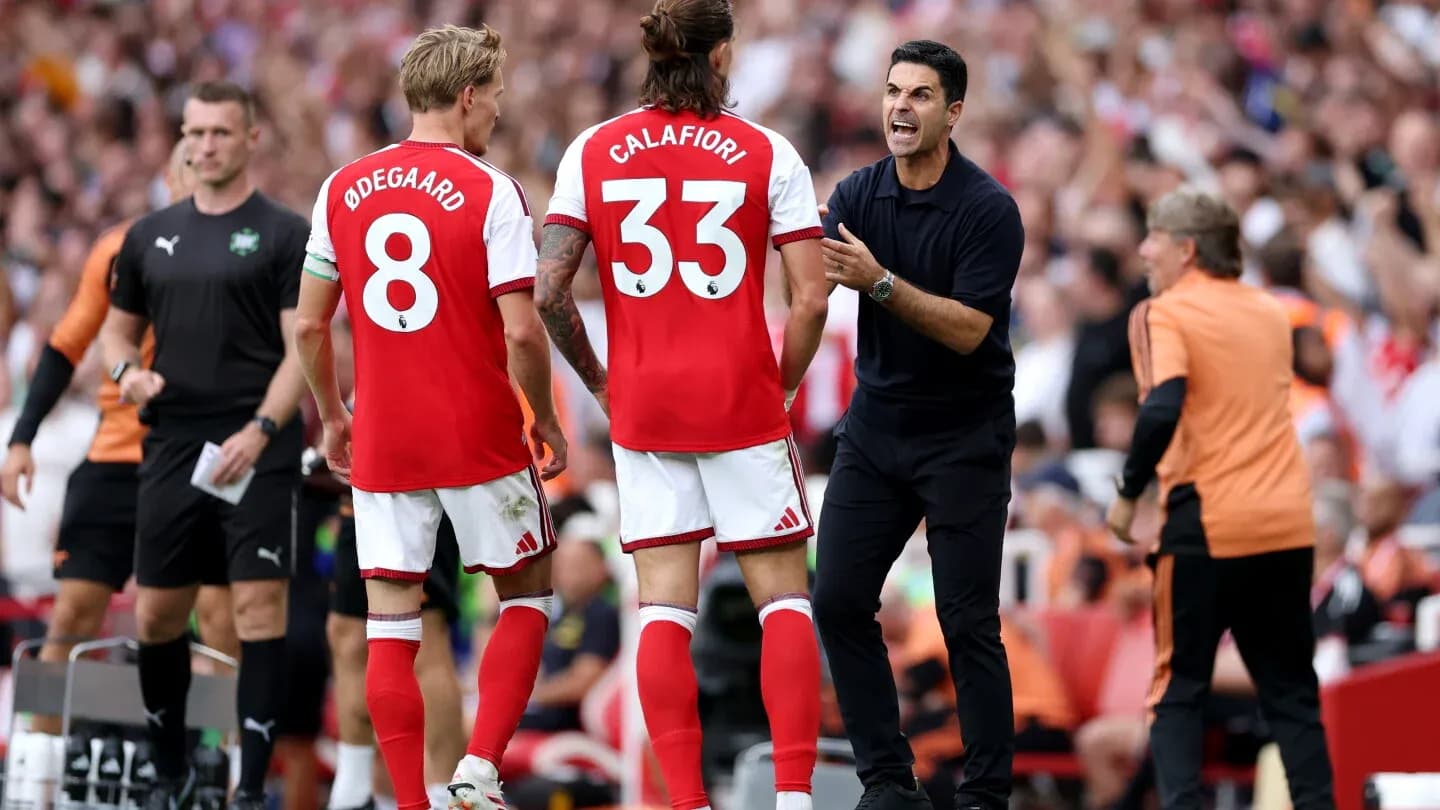
Arsenal Triumphs Over Chelsea as Arteta Sees Another Layer of Quality
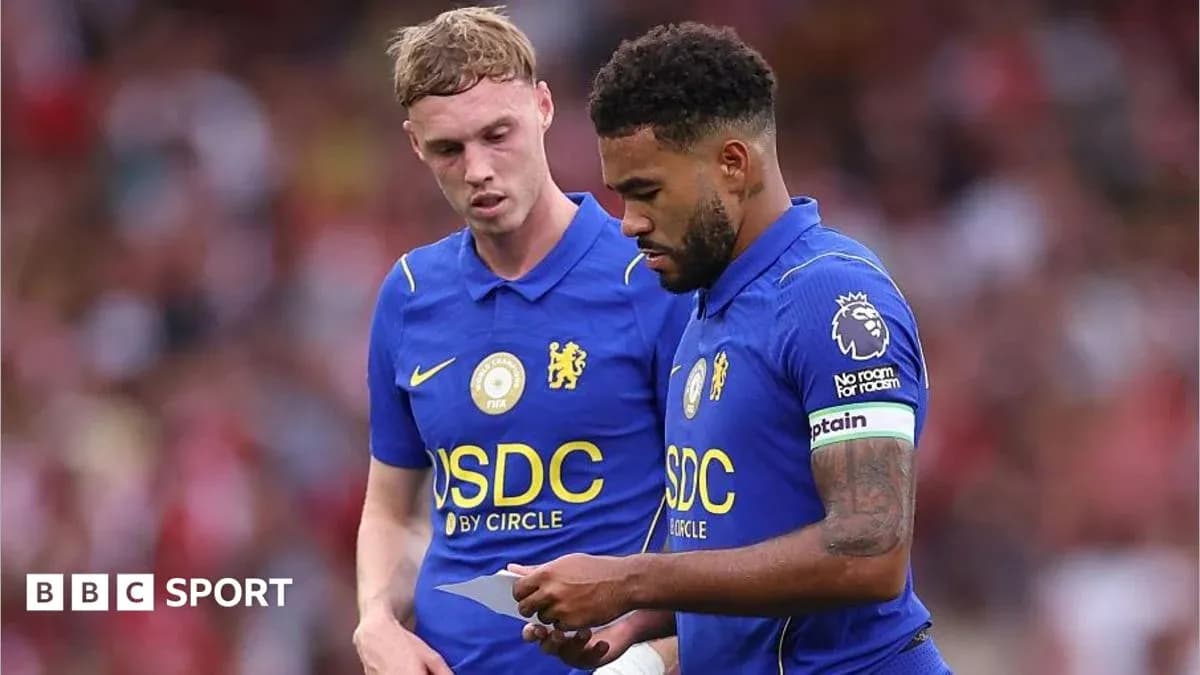
Chelsea's Midfield Dilemma: Right-Backs in Key Roles
Towson Dominates Bucknell in Women's Soccer Matchup
Carolina Grinds Out 1-0 Victory Over Arizona State
Manchester United’s Late Collapse Against Everton Leaves Carrick Frustrated
Antoine Mendy Suffers Serious Knee Injury in Nice's Draw