
Chicago Red Stars vs Washington Spirit: NWSL Showdown
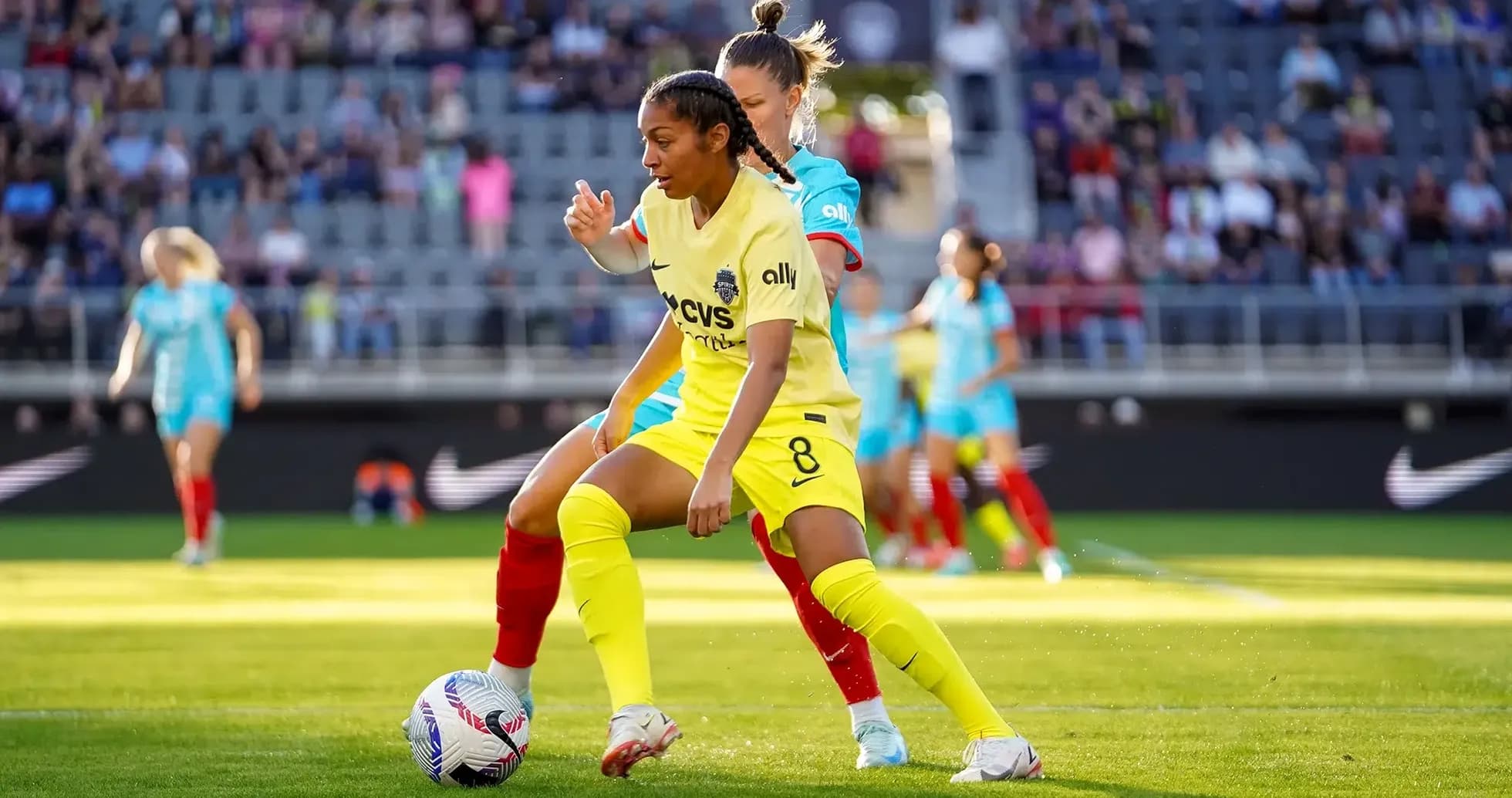
On a cool night at Northwestern Medicine Field at Martin Stadium, the story of this Group Stage clash in the NWSL Women was written long before the first whistle. It was the league’s bottom side, Chicago Red Stars W, staring up at the table from 16th, against a Washington Spirit W team entrenched in the title conversation, sitting 2nd and chasing momentum into the play-offs.
Over 25 matches in total this campaign, the contrast between the two clubs has been stark. Chicago have taken 17 points from 5 wins, 2 draws and 18 defeats, scoring 14 and conceding 57 for a goal difference of -43. Washington arrive with 46 points from 14 wins, 4 draws and 7 losses, their 36 goals for and 23 against yielding a positive goal difference of 13. Where Chicago’s season has been about damage limitation, Washington’s has been about refinement at the sharp end of the table.
The lineups underlined those identities. Chicago set up in a 4-4-2, a pragmatic structure built around the experience of goalkeeper A. Naeher behind a back four of T. Malham, Maitane López, S. Staab and Nádia Gomes. The double line of four in front – J. Bike, B. Pinto, B. Franklin and Leila Ouahabi – suggested a compact, horizontally disciplined block, hoping to shield the central channels and protect against overloads. Up front, M. Alozie and J. Grosso were tasked with running the channels and offering an out-ball on transitions.
Washington, by contrast, arrived with ambition and clarity in a 4-3-3. S. MacIver anchored the side in goal, protected by a back four of L. Di Guglielmo, T. McKeown, E. Morgan and G. Carle – a unit that has underpinned an away defensive record of just 10 goals conceded in 13 matches on their travels, an average of 0.8 per game. Ahead of them, A. Sullivan, Hal Hershfelt and M. Bethi formed a midfield triangle designed to control tempo and win second balls, while the front three of R. Kouassi, S. Cantore and the league’s headline act, T. Rodman, promised relentless verticality.
Rodman’s presence alone reshaped the tactical landscape. Heading into this game, she had 9 goals and 5 assists in total this season, with 60 shots and 26 on target, plus 25 key passes and 73 dribble attempts. She is not just Washington’s finisher; she is their creator and chaos agent. Her starting position on the left of the front three, cutting inside onto her stronger foot, threatened to drag Chicago’s defensive line out of shape and isolate full-backs in one‑v‑one situations.
Chicago’s season-long numbers made their task daunting. At home, they have scored 10 goals in 12 matches, an average of 0.8, but conceded 25, an average of 2.1. Their total defensive profile reveals a vulnerability after the break: 26.79% of their goals against in total this campaign have arrived between 46 and 60 minutes, with a further 19.64% between 61 and 75. Those are precisely the periods when concentration dips and legs tire – and exactly when Washington’s superior squad depth and structured pressing tend to bite.
There is, however, a sliver of identity Chicago can cling to. Their own goals for minute map shows a late-game resilience: 26.67% of their total goals this season have come between 46 and 60 minutes, and another 26.67% between 76 and 90. Even in a struggling side that has failed to score in 17 of 25 matches in total, there is a pattern of late surges, of matches where the Red Stars refuse to drift quietly.
Defensively, Washington are built to suffocate that resistance. In total this campaign, they have kept 10 clean sheets, with 6 of those on their travels. They concede only 0.9 goals per game overall, and just 0.8 away. Their back line is supported by a midfield that does the ugly work: Sullivan, who appears among the league’s top red-card profiles due to a history of disciplinary flashpoints, embodies that edge. Across 19 appearances, she has committed 12 fouls, made 11 tackles and 10 interceptions, and blocked 2 shots. She walks the line between enforcer and risk, but her presence is crucial in screening the space Rodman and the forwards vacate when they press.
The disciplinary subplot matters. Chicago’s yellow cards cluster heavily just before and just after half-time: 34.78% of their bookings arrive between 31 and 45 minutes, with 26.09% between 46 and 60. Washington’s bookings peak in the same pre‑interval and late‑game windows, with 22.22% between 31 and 45 minutes and another 22.22% between 76 and 90. This is a match primed for emotional spikes around momentum swings – precisely when Rodman drives at defenders and when Chicago’s back four is under siege.
The “Hunter vs Shield” duel is clear. Washington’s attack, scoring 21 away goals in 13 matches on their travels at an average of 1.6, faces a Chicago defence that has shipped 32 away and 25 at home, 57 in total at 2.3 per game. Even allowing for home advantage, the structural mismatch favours the visitors. If Chicago are to resist, Naeher’s shot-stopping and the organisational nous of Staab and Maitane López must compress the box and deny space between the lines.
In the “Engine Room”, Pinto and Franklin must battle Sullivan and Hershfelt. If Chicago’s midfield can’t slow Washington’s ball progression, the game tilts into a shooting gallery for Rodman and company. If they can, they at least create the platform for Alozie’s running and Grosso’s movement to exploit Washington’s full-backs on turnovers.
Statistically, the prognosis leans heavily Washington’s way. Their total scoring rate of 1.4 goals per game, combined with defensive solidity and 6 away clean sheets, suggests they can both create and control. Chicago’s 0.6 goals scored on average in total and their habit of conceding early in second halves point toward another long night of suffering.
Yet football lives in the gaps between numbers. Chicago’s late‑game goal surges, Washington’s occasional disciplinary volatility – including one red card in the 91‑105 minute band this season – and the emotional charge of a home crowd give the Red Stars a narrative thread to pull. To turn that into points, they must compress the first hour, survive Rodman’s storms, and gamble late. Washington, by contrast, will look to impose their structure early, trust their superior xG profile and defensive base, and let their star winger write the ending.
Related News
Racing Louisville W vs San Diego Wave W Prediction: Key Stats and Betting Tips
Bay FC W vs Orlando Pride W: Head-to-Head Stats and Historical Overview
Portland Thorns W vs Houston Dash W: Head-to-Head Stats and Insights
Washington Spirit W vs Angel City W: Head-to-head Stats and Past Meetings
Orlando Pride vs Portland Thorns: A Harsh NWSL Lesson
Kansas City W vs Denver Summit W Stats: Head-to-Head Record Before Match