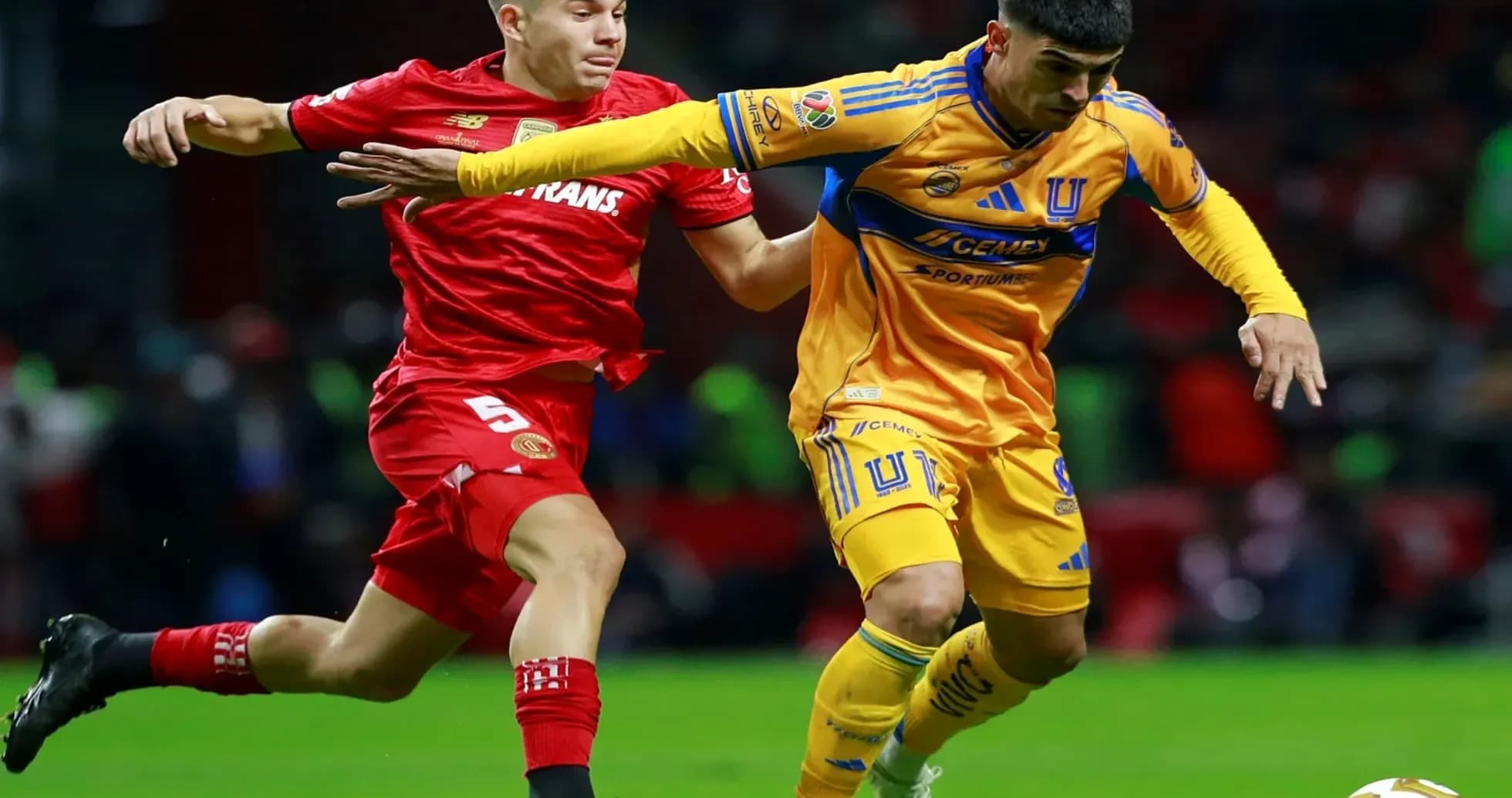
CONCACAF Champions League Final 2026: Toluca vs Tigres UANL
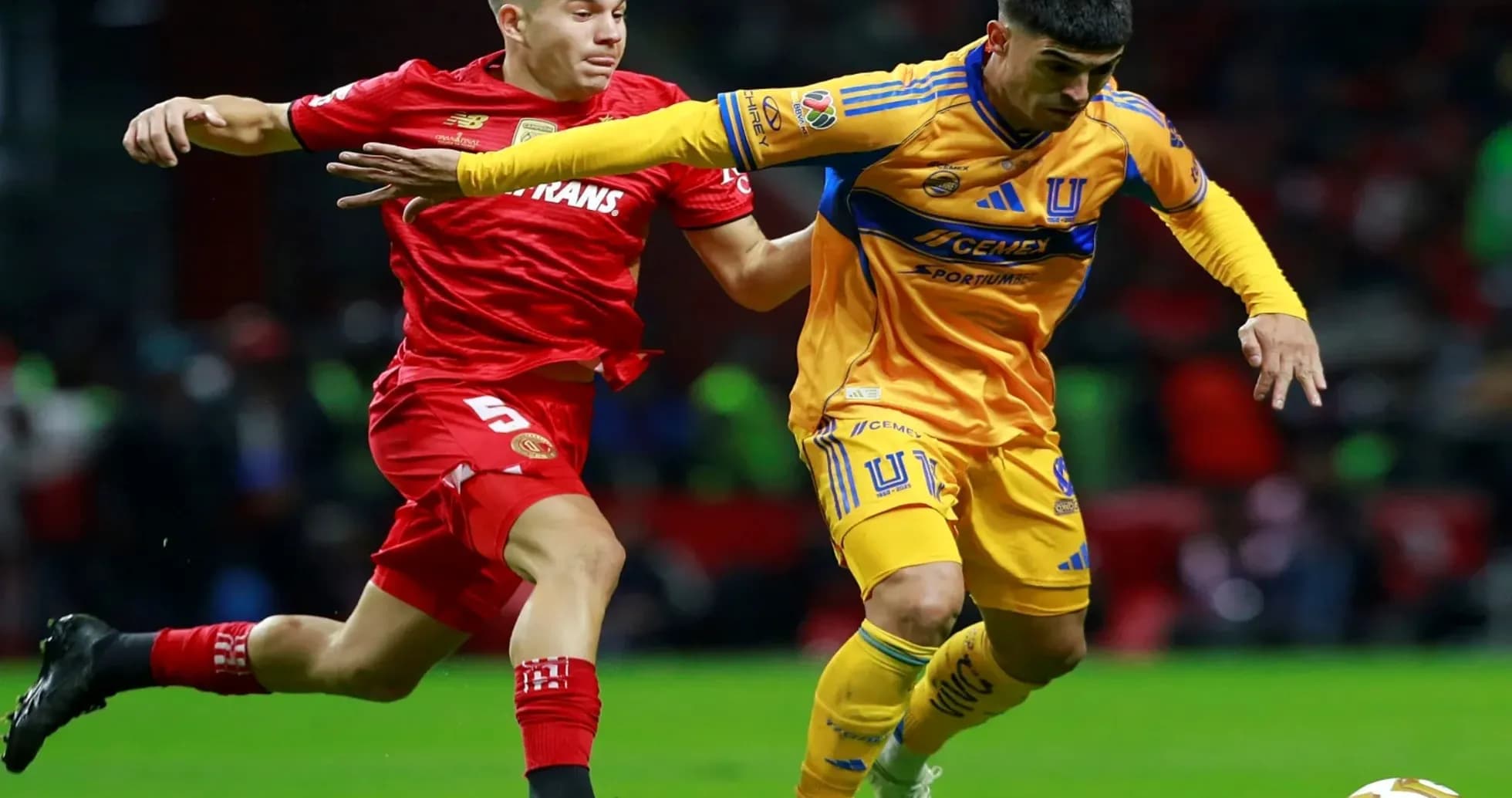
A one-off Final in the CONCACAF Champions League in 2026, played in Toluca, gives both Toluca and Tigres UANL a direct shot at continental silverware and a pathway into global competition. With no league standings data available, this match stands as a standalone, high-stakes climax: win and you lift the trophy; lose and an otherwise strong campaign ends empty-handed.
Head-to-Head Tactical Summary
Recent meetings show a finely balanced but high-intensity rivalry. On 18 May 2025 at Estadio Nemesio Diez in the Liga MX Clausura Semi-finals, Toluca beat Tigres UANL 3-0 (HT 1-0), asserting control at home. On 27 July 2025, again at Estadio Nemesio Diez in Apertura - 3, Tigres edged a chaotic 4-3 away win over Toluca (HT 3-1 to Tigres), underlining their counter-punching threat in an open game. The 2025 Apertura Final was split: on 12 December 2025 at Estadio Universitario, Tigres won 1-0 (HT 0-0), before Toluca responded on 15 December 2025 at Estadio Nemesio Diez with a 2-1 home win (HT 1-1) and then prevailed 9-8 on penalties. The most recent clash on 18 January 2026 at Estadio Universitario in the Clausura - 3 ended 0-0 (HT 0-0), showing both sides can also lock into a controlled, low-risk pattern when the stakes or schedule demand it. Overall, the tactical pattern is clear: Toluca generally more expansive and goal-heavy at home, Tigres dangerous in transition and capable of grinding out low-scoring away results or forcing tight margins in finals.
Global Season Picture
- League Phase Performance: No league standings data is available for either Toluca or Tigres UANL, so their rank, points, and league goals for/against cannot be quantified in the league phase.
- Season Metrics: In the league phase of the CONCACAF Champions League, Toluca have played 6 matches, winning 4 and losing 2, with 18 goals scored and 7 conceded. That output points to a very aggressive attack and relatively solid defense (goals for 3.0 per match, goals against 1.2 per match). Tigres UANL have played 8 matches, winning 5, drawing 1, and losing 2, with 14 goals scored and 8 conceded (goals for 1.8 per match, goals against 1.0 per match), indicating a more controlled attacking profile and slightly tighter defensive numbers. Possession and xG data are not provided, but disciplinary trends are clear: Toluca accumulate yellow cards fairly evenly across the match, peaking between minutes 46-60 and 76-90 (25.00% each of their cautions), suggesting rising intensity after the break. Tigres’ yellow cards spike between minutes 46-60 and 61-75 (21.05% each), plus a notable 21.05% in added time (91-105), underlining late-game physicality and tactical fouling.
- Form Trajectory: Toluca’s form line in this competition reads LWWWLW, which indicates strong recovery capacity: three consecutive wins after an early loss, then another win following a defeat, but also a tendency to occasionally drop games in between good runs. Tigres UANL’s form, DWLWWLWW, shows a slightly more stable upward curve with only two losses across eight fixtures and multiple short winning streaks. Both arrive with positive momentum, but Tigres’ longer sample of matches suggests a marginally more consistent baseline across this Champions League campaign.
Tactical Efficiency
Without an explicit Attack/Defense Index from the comparison block, the efficiency picture must be inferred from the provided team statistics. Toluca’s attacking efficiency in this competition has been high: 18 goals in 6 matches, with no games where they failed to score and their biggest home win at 4-0, indicates a clinical, high-volume offense supported by flexible formations (4-4-2 and 4-2-3-1 used most often). Defensively, conceding 7 in 6 but still recording 3 clean sheets suggests that when their structure holds, it is robust, yet their more expansive approach can leave spaces that better opponents exploit, especially away from home (5 goals conceded in 3 away matches).
Tigres UANL show a different efficiency profile: 14 goals in 8 matches, but with a strong home skew (12 of those at home, 3.0 per match) and only 2 away goals across 4 away fixtures (0.5 per match). That points to an attack that is far less efficient on the road, often reliant on control and low-risk patterns rather than volume. Defensively, 8 conceded in 8 matches and 4 clean sheets reflect a compact unit, particularly at home (0.5 goals conceded per home game), but with some vulnerability away (1.5 conceded per away match, including a heaviest away defeat of 3-0). In tactical terms, Toluca’s higher scoring rate and zero failures to score give them a stronger attacking index, while Tigres’ slightly lower goals-against rate and four clean sheets indicate a marginally better defensive index overall, albeit one that weakens outside their own stadium. On neutral or away soil in Toluca, the balance tilts towards a high-risk, high-reward attacking Toluca against a Tigres side built to absorb pressure and look for narrow margins.
The Verdict: Seasonal Impact
As a Final in the CONCACAF Champions League, this match will define the continental narrative for both clubs in 2026. For Toluca, a win would crown an attack-driven campaign in which they have averaged 3.0 goals per match, validating their expansive style and reinforcing the psychological edge gained from beating Tigres in the 2025 Apertura Final on penalties. It would also strengthen their regional status and provide a platform for future recruitment and tactical continuity, making their occasional defensive lapses more tolerable within a trophy-winning framework.
For Tigres UANL, victory would confirm the value of their more controlled, defensively stable approach in knockout football, adding a major continental title to a period of generally strong results in this competition (5 wins, 1 draw, 2 losses). It would offset the disappointment of losing the 2025 Liga MX Final to Toluca and reassert them as a benchmark side in the region, particularly by proving they can win a decisive match away from home despite a historically weaker away attack. A defeat, by contrast, would raise questions about their away attacking ceiling and their ability to convert consistent form into trophies against elite domestic rivals.
In forward-looking terms, the outcome will shape both clubs’ strategic decisions. If Toluca win, expect them to double down on aggressive, multi-striker or attack-heavy systems in future continental campaigns, trusting that their scoring power outweighs defensive risk. If Tigres UANL prevail, it will reinforce a model built on defensive structure, flexible 4-2-3-1 variants, and game-state management, likely encouraging further investment in players who can tilt tight finals with small margins rather than in wholesale attacking overhaul. Either way, this Final will be the reference point against which their 2026 and subsequent continental ambitions are measured—deciding not just a trophy, but the tactical identity each club carries into the next cycle.