
Cristiano Ronaldo and Portugal's World Cup Dilemma: The Game's Shift
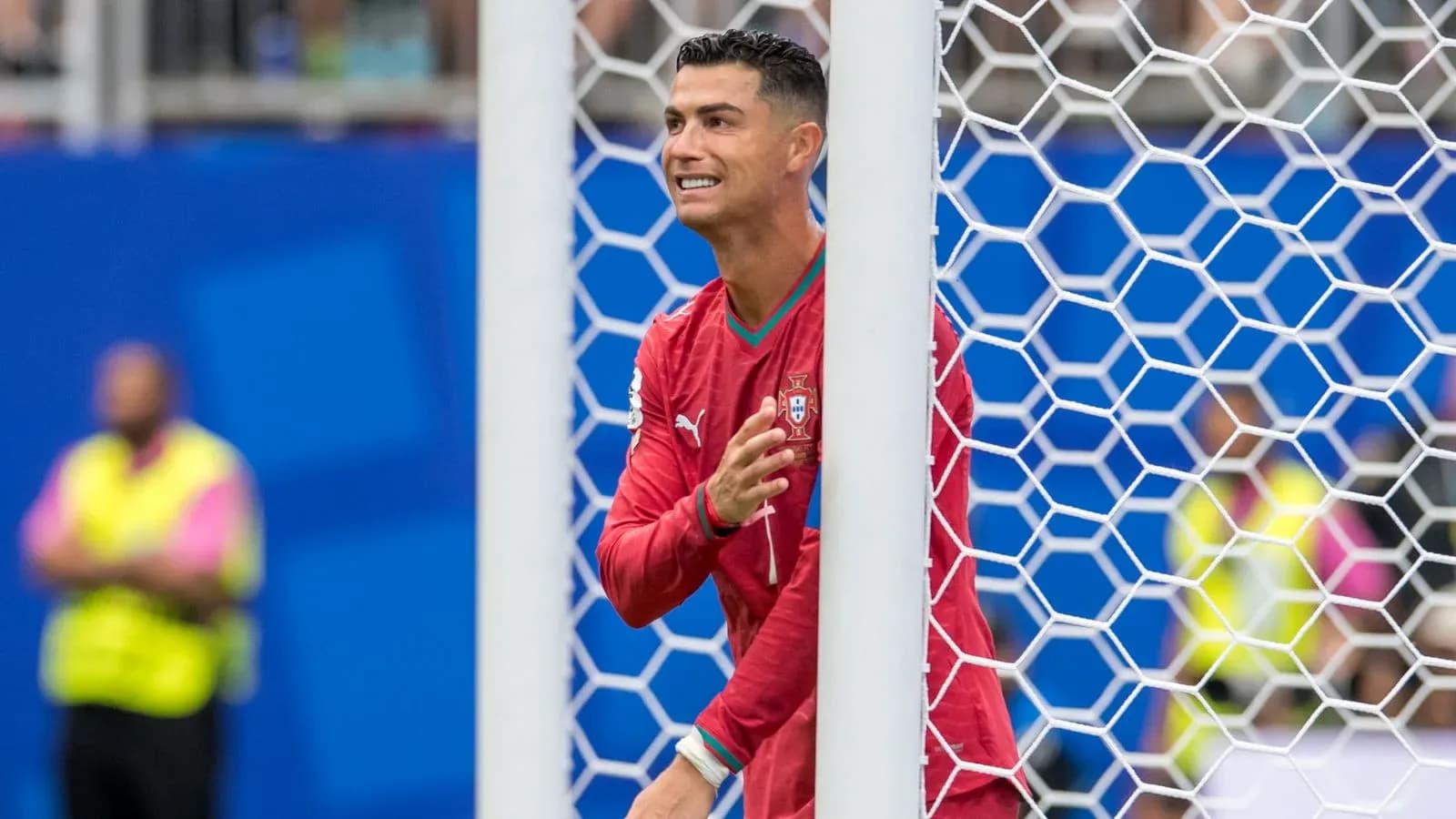
Cristiano Ronaldo walked out in Houston chasing ghosts as much as goals. A record-breaking sixth World Cup appearance. The armband. The spotlight. The familiar sense that, whatever happened to Portugal, the story would bend back towards him.
The night before, Kylian Mbappe had scored twice. Erling Haaland had scored twice. Lionel Messi, the old rival who still shapes his legacy, had gone one better with a hat-trick.
Ronaldo’s answer? Twenty-nine touches. Three shots. No goals. A scowl. And a flat, frustrating draw with DR Congo that felt bigger than just two dropped points in Group K.
This was supposed to be another chapter in the Ronaldo World Cup saga. Instead, it felt like the start of a difficult conversation Portugal have tried to avoid.
The Numbers That Won’t Go Away
Strip away the emotion and the statistics are brutal.
Ronaldo is now 10 games without a goal in major international tournaments. Ten. In that same span, Messi has scored nine times for Argentina. One is still bending games to his will on the biggest stages. The other is increasingly waiting for the game to come to him.
Against DR Congo, Ronaldo was a passenger for long spells. Only Bernardo Silva, withdrawn at half-time, had fewer touches among Portugal’s starters. For a man long defined by his gravitational pull on matches, he drifted through this one on the fringes.
And yet, when the questions came, Roberto Martinez did not even glance in his captain’s direction.
“It makes no sense to get the best goalscorer in world football out in a game that you need goals,” he insisted. For Martinez, Ronaldo’s presence remains non-negotiable: his experience in the box, the attention he draws, the spaces he supposedly opens for others.
The implication was clear. If Ronaldo is not scoring, the problem lies elsewhere.
Are Portugal Failing Ronaldo – Or the Other Way Round?
Look at the talent around him and that defence sounds shaky.
- Bernardo Silva.
- Bruno Fernandes.
- Pedro Neto.
- Vitinha.
- Joao Neves.
- Joao Cancelo.
- Nuno Mendes.
This is a creative core most national teams would build a cycle around. These are players who dominate games for Europe’s biggest clubs, who thrive on the responsibility to make and break defences.
To point the finger at them and absolve Ronaldo is a bold move. But is it completely wrong?
Over each player’s last 10 competitive international games, Ronaldo has actually taken more shots than Harry Kane, who has 30 in that span. Yet his expected goals (xG) over those matches sits at 5.36 – lower in quality than the chances falling to Kane (7.15) and Mbappe (8.76).
That gap hints at a supply issue. The opportunities Ronaldo is getting are, on average, less dangerous than those being served to his peers.
Team data backs it up. With Ronaldo on the pitch in his last 10 competitive outings, Portugal have generated a combined xG of 12.76 – 1.32 per 90 minutes. England, with Kane, sit at 16.39 (1.34 per 90). France, with Mbappe, surge ahead at 21.99 (1.72 per 90).
Drill down further and the picture sharpens. Ronaldo’s xG from chances assisted by team-mates over this barren run is just 2.55. Kane’s is 3.2. Mbappe’s explodes to 5.78.
So yes, for all the creative names on the teamsheet, Ronaldo is feeding off leaner service. The numbers say he is not being supplied with the same volume or quality of chances that other elite forwards enjoy.
But that is only half the story.
The Finisher Who Stopped Finishing
Because even when the chances do fall, the old ruthlessness has deserted him.
Ronaldo once turned half-chances into goals and good chances into inevitabilities. Now, the metrics scream decline. His ‘post-shot’ xG – a measure of how good his attempts are once the ball has left his boot or head – is a glaring problem.
While Kane and Mbappe are overperforming in that area, adding 2.05 and 2.25 goals respectively above expectation, Ronaldo sits at -2.8. He has scored nearly three goals fewer than an average finisher would be expected to from the same attempts.
That is not about service. That is about finishing. That is about a striker no longer hitting the corners, no longer outwitting goalkeepers, no longer punishing the slightest lapse.
And there is another layer: involvement.
Ronaldo has never been Messi, dropping into midfield to orchestrate. He has never been Kane, linking play and threading passes between the lines. He is a penalty-box forward, a specialist in the final act.
Yet even within that role, his contribution has narrowed.
His touch map and heatmap against DR Congo were damning. Limited involvement, clustered in small pockets on the left, stepping into lanes where Neto and Mendes should have been stretching the pitch. Instead of acting as the sharp point of the attack, he occupied spaces that cramped Portugal’s patterns.
He is not dropping deep to help build attacks. He is not drifting intelligently across the front line to drag defenders out of shape. He is largely static, waiting for moments that do not arrive often enough, and not doing enough with them when they do.
Martinez’s Gamble with a Golden Generation
This is where the tension lies.
Martinez cannot rip up his entire creative structure to serve one man, no matter how many records that man holds. But he also shows no inclination to remove Ronaldo from the equation, still convinced of the intangible value he brings.
So Portugal bend around him. Fernandes adjusts. Silva adjusts. The full-backs adjust. The system warps to keep Ronaldo central, prominent, protected.
And the cost? A golden generation risks slipping into another tournament of regrets.
Because the question is no longer whether Ronaldo’s team-mates are doing enough for him. The data shows they could do more, yes, but it also shows they have done enough for him to have changed this narrative with just a couple of clinical nights.
He did not. He has not. Not for a long time on this stage.
At some point, Portugal must decide what they value more: the idea of Ronaldo, the legend who still commands a stadium with a glance, or the reality of the player he is now.
That conversation will not be comfortable. It will not be sentimental. But if Portugal are serious about turning this talent pool into trophies, how much longer can they put it off?
Related News
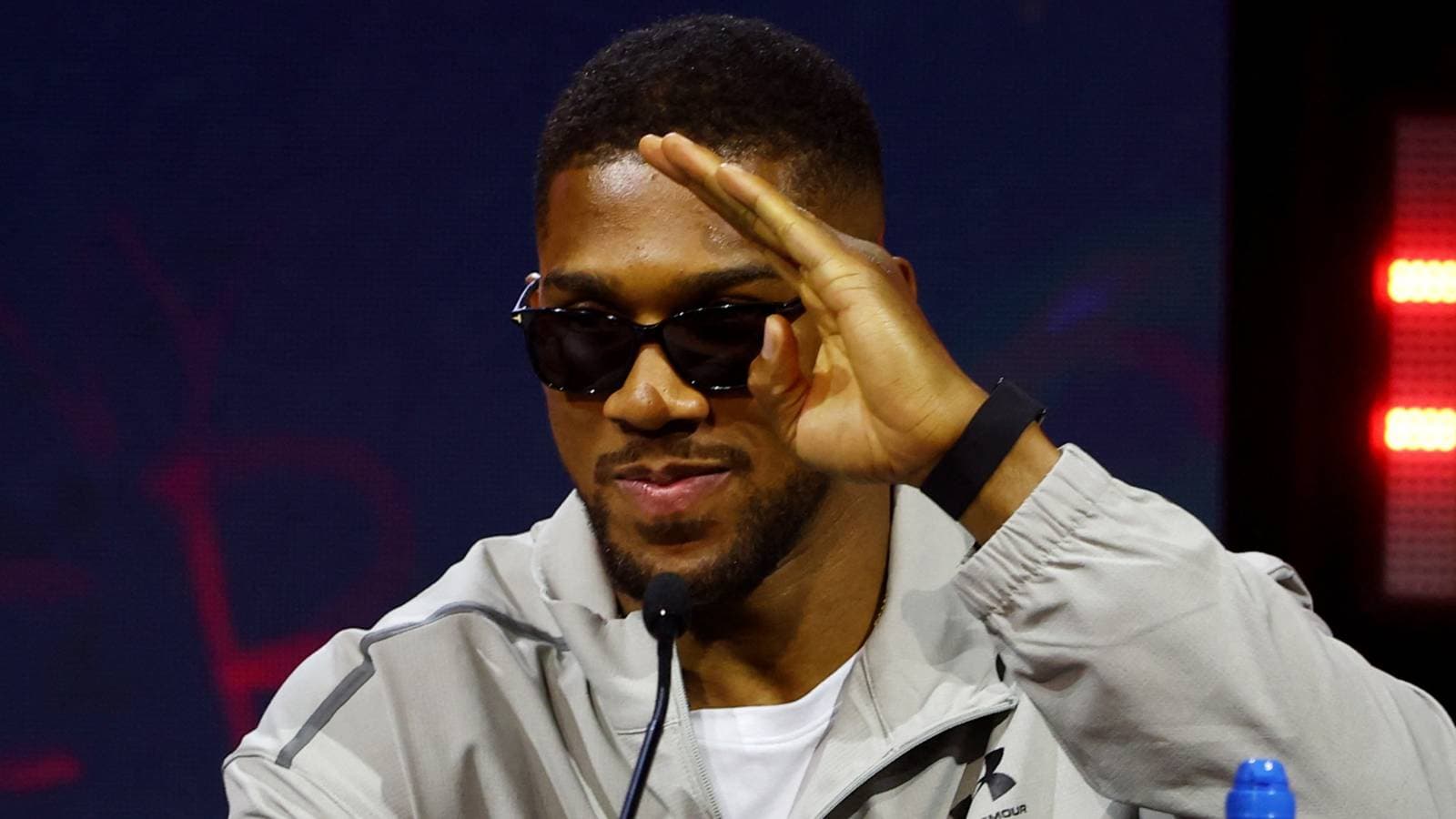
Anthony Joshua Names Murat Gassiev as Next Opponent if He Defeats Tyson Fury
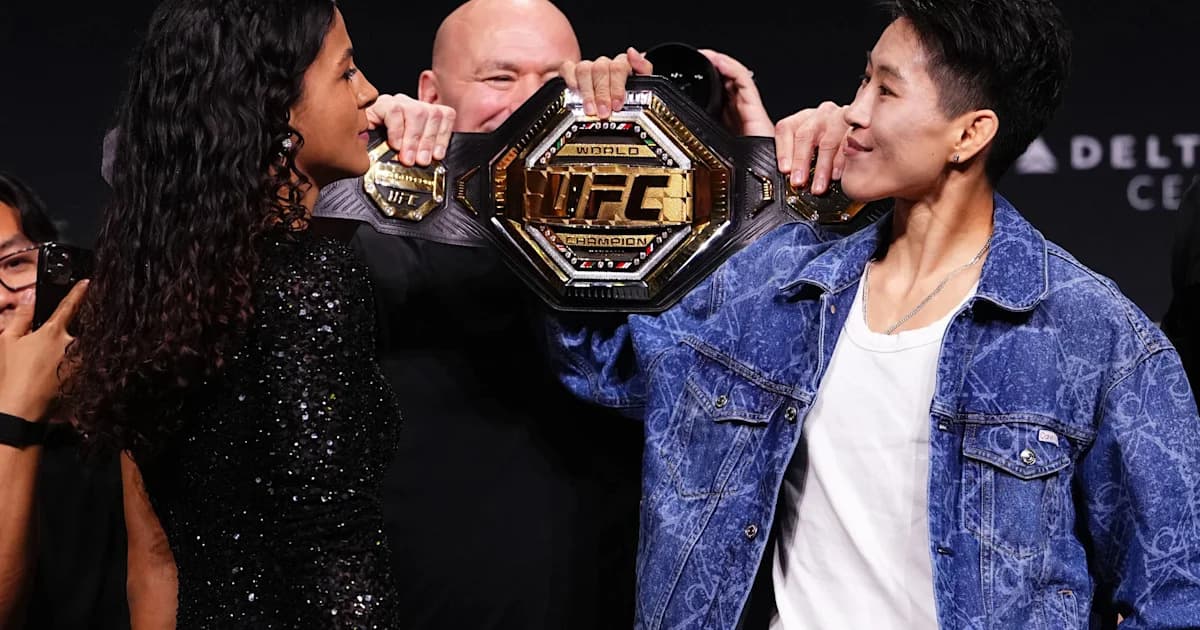
UFC 332: Start Time and Fight Highlights for Natalia Silva vs. Wang Cong
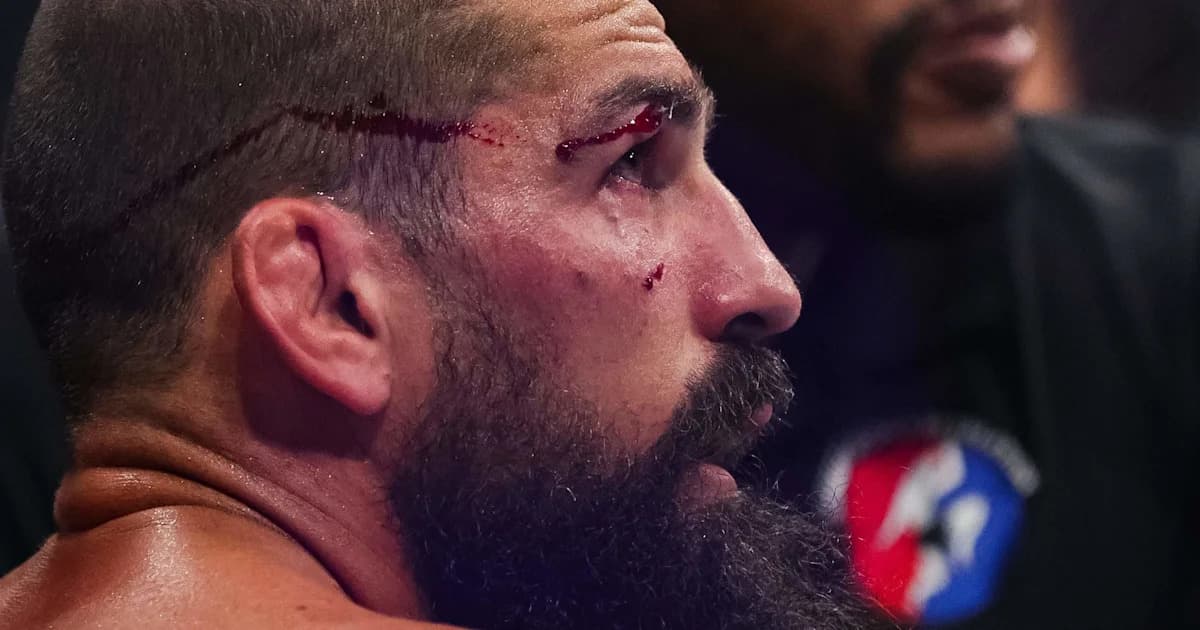
Court McGee Opens Up About Choosing UFC 332 as His Final MMA Fight
WBC Orders Lightweight Title Unification: William Zepeda vs Jadier Herrera
BCCI Pension List: Monthly Payments to Retired Indian Cricketers in 2025

Why Fury vs Joshua Is Set for Cardiff, and Dua Lipa’s Unexpected Role