
Dani Carvajal Leaves Real Madrid After 23 Years
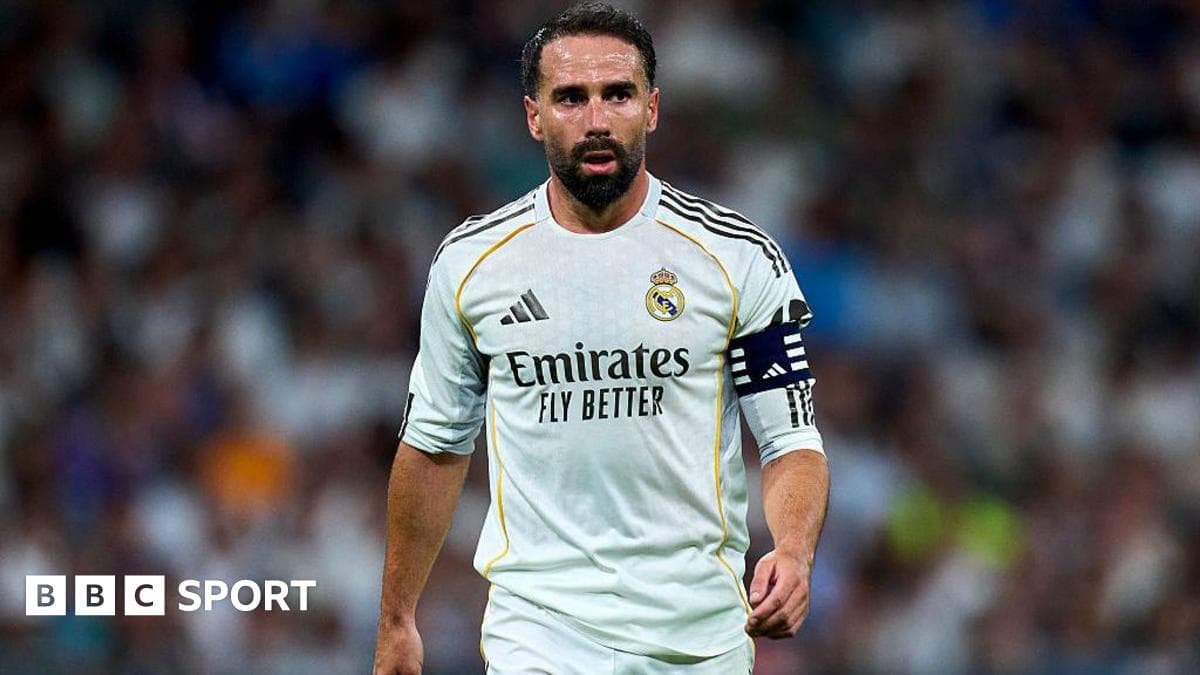
The first goodbye for Dani Carvajal will not be in a press room or a social media post. It will come when he walks out at the Santiago Bernabeu on 23 May, captain’s armband on his sleeve, for the final time in a Real Madrid shirt.
After 23 years, 450 appearances and a haul of trophies that belongs to the realm of legend, the Madrid-born right-back will leave the club when his contract expires at the end of June. He goes not as a fading footnote, but as one of the most decorated and defining players in the club’s modern history.
From academy hopeful to serial winner
Carvajal entered Real Madrid’s academy in 2002, a local kid stepping into Valdebebas with a dream and a number on his back. He did not take the direct route to the first team. A season at Bayer Leverkusen in 2012-13 turned him from prospect into certainty, convincing Madrid to trigger a buy-back clause and bring him home.
From his debut in 2013, he never really looked back. Four La Liga titles, two Copas del Rey, six Champions Leagues, six Club World Cups, five UEFA Super Cups and four Spanish Super Cups followed. Twenty-seven trophies in all. Only a handful of players in the game’s history can talk about that kind of career with a straight face.
Most right-backs are remembered as supporting characters. Carvajal broke that mould. He is one of only five players to have lifted the Champions League six times, and the only one to have started all six finals he won. When Real Madrid walked out on European football’s biggest stage, his name was always on the team sheet.
A complete right-back in an era of specialists
At his peak, Carvajal represented the modern full-back in its purest form. Ferocious in the duel, sharp in his positioning, relentless in his running, he combined defensive aggression with an attacking intelligence that coaches built systems around.
Under Carlo Ancelotti and Zinedine Zidane, he became a structural pillar. He stretched play high and wide, dropped into midfield to help Madrid escape pressure, and stitched together transitions from defence to attack with a calmness that belied the stakes. He did the dirty work and the delicate work, often in the same move.
He rarely grabbed the headlines in the way Cristiano Ronaldo, Karim Benzema or other attacking superstars did. Yet inside the dressing room and among analysts, his consistency and reliability marked him out as one of the indispensable figures of the last decade.
The 2024 Champions League final against Borussia Dortmund crystallised that status. Carvajal scored the opening goal and walked away as man of the match, the best player on the pitch on the night when everything was on the line. For a defender, there is no higher compliment.
Leader of a changing room in transition
As Real Madrid’s great spine slowly broke apart, Carvajal’s role shifted. Sergio Ramos left. Benzema followed. Toni Kroos and Luka Modric stepped away from the centre of the project. The dressing room needed new voices. Carvajal became one of them.
He grew into the captaincy not through slogans but through habits: training standards, intensity in matches, the refusal to accept excuses during a period when the club’s results no longer matched its expectations. Across the last two seasons, as Madrid endured managerial instability and finished trophyless for a second straight year, his mentality became a reference point.
Florentino Perez did not hide the club’s view of him. “Dani Carvajal is a legend and a symbol of Real Madrid and its academy,” the president said. “Carvajal has always exemplified the values of Real Madrid. This is and will always be his home.” In a club that moves on quickly from even its brightest stars, that kind of language is reserved for the very few.
Spain’s right flank and global recognition
Carvajal’s influence did not stop at club level. Since his Spain debut in 2014, he has amassed 51 caps and held down the right-back position across multiple generations of the national team. He helped Spain lift the Nations League in 2023 and then the European Championship in 2024, adding international silverware to an already overflowing cabinet.
Individual recognition followed. He was included in the FIFPro 2024 World XI and selected in The Best FIFA Men’s World XI the same year. The award as best player in that 2024 Champions League final felt like the culmination of a career spent delivering when it mattered most.
Injuries, Alexander-Arnold and the changing of the guard
Time, though, is undefeated. The last years have been brutal on Carvajal’s body. A cruciate ligament tear in October 2024, followed by another serious knee injury a year later, shredded his rhythm and limited his availability. The numbers tell the story: just 892 minutes in La Liga this season.
Real Madrid prepared for that reality. The arrival of Trent Alexander-Arnold from Liverpool last summer signalled the start of a new era down the right flank. Under Alvaro Arbeloa, the England international has grown into the preferred option at right-back, his passing range and attacking threat redefining how Madrid build from the back.
The transition has not been painless. When Carvajal has been missing, Madrid have often looked more vulnerable, less secure in the defensive details that separate good teams from great ones. That vulnerability only underlined how hard he has been to replace.
Yet the direction of travel has been clear. Alexander-Arnold represents the future. Carvajal, for all his status, belongs to a generation that is gradually stepping aside.
A farewell steeped in emotion, not surprise
For supporters, the news of his departure will sting, but it does not shock. The signs have been there all season: the injuries, the reduced minutes, the sight of him more often in a tracksuit than in the starting XI.
What has not faded is the bond with the stands. Every time he steps onto the Bernabeu pitch, the reception remains thunderous, a raw acknowledgement of what he has given and how often he has done it when the stakes were highest.
Real Madrid will close another trophyless season on 23 May against Athletic Club, a rare barren spell for a club defined by silverware. The night will not be about that. It will be about the right-back who arrived as a boy, left briefly to grow, then came back and helped define one of the most successful eras in the club’s history.
He leaves as captain. As a six-time European champion. As one of the greatest right-backs ever to wear white.
The question now is simple: in a position he made look so secure for so long, how quickly can Real Madrid truly move on?
Related News
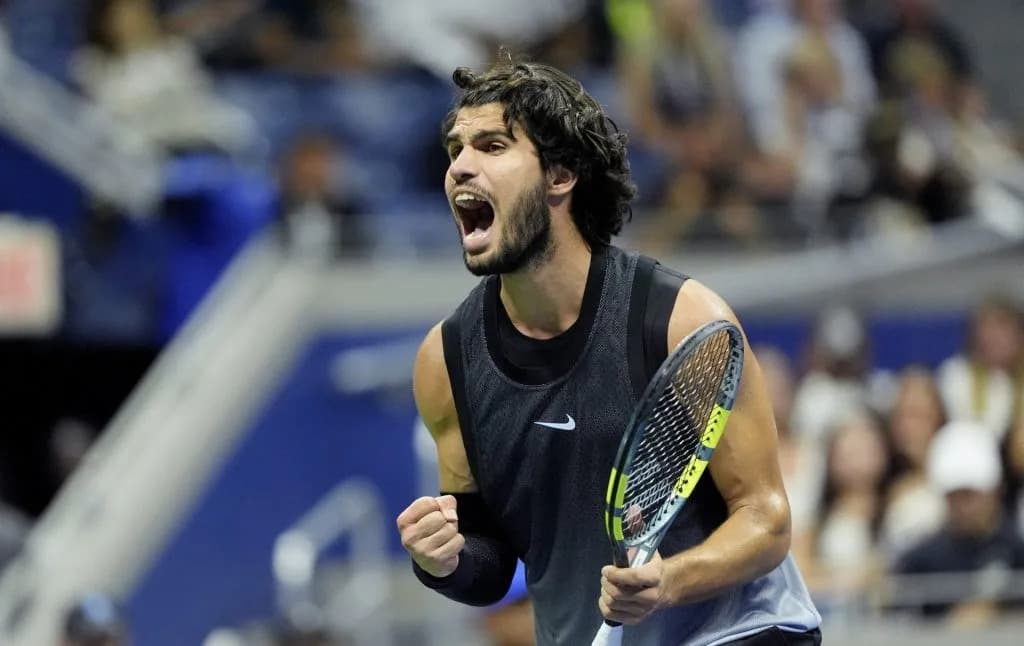
Carlos Alcaraz Urges an End to Matches Ending in the Early Hours
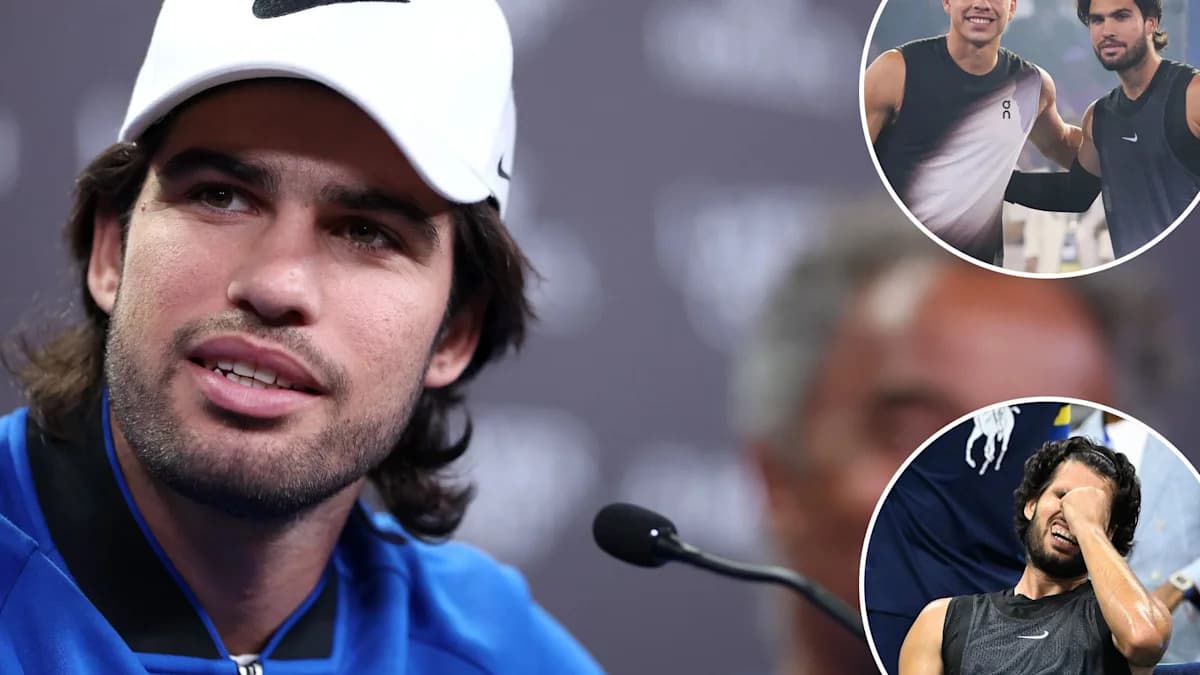
Carlos Alcaraz Criticizes Late US Open Finish After 3:30 a.m. Match
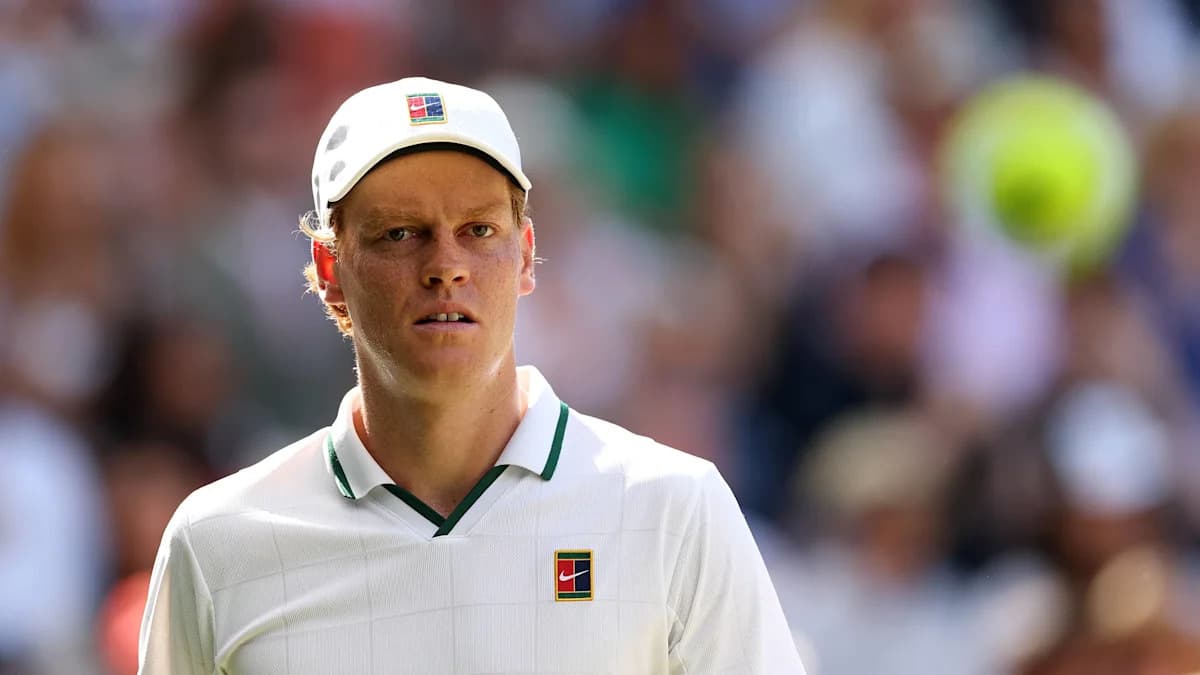
Jannik Sinner Set for ATP 500 Return in Beijing with Novak Djokovic Also Competing
Meet Iva Jovic: The American Tennis Prospect Making Waves
Flavio Cobolli Shares Insights on Practice Session with Jannik Sinner Ahead of Comeback
Till vs Romero: Fight Details, Undercard, and Viewing Info for This Weekend