
New England II Triumphs Over Orlando City II in Tight MLS Next Pro Match
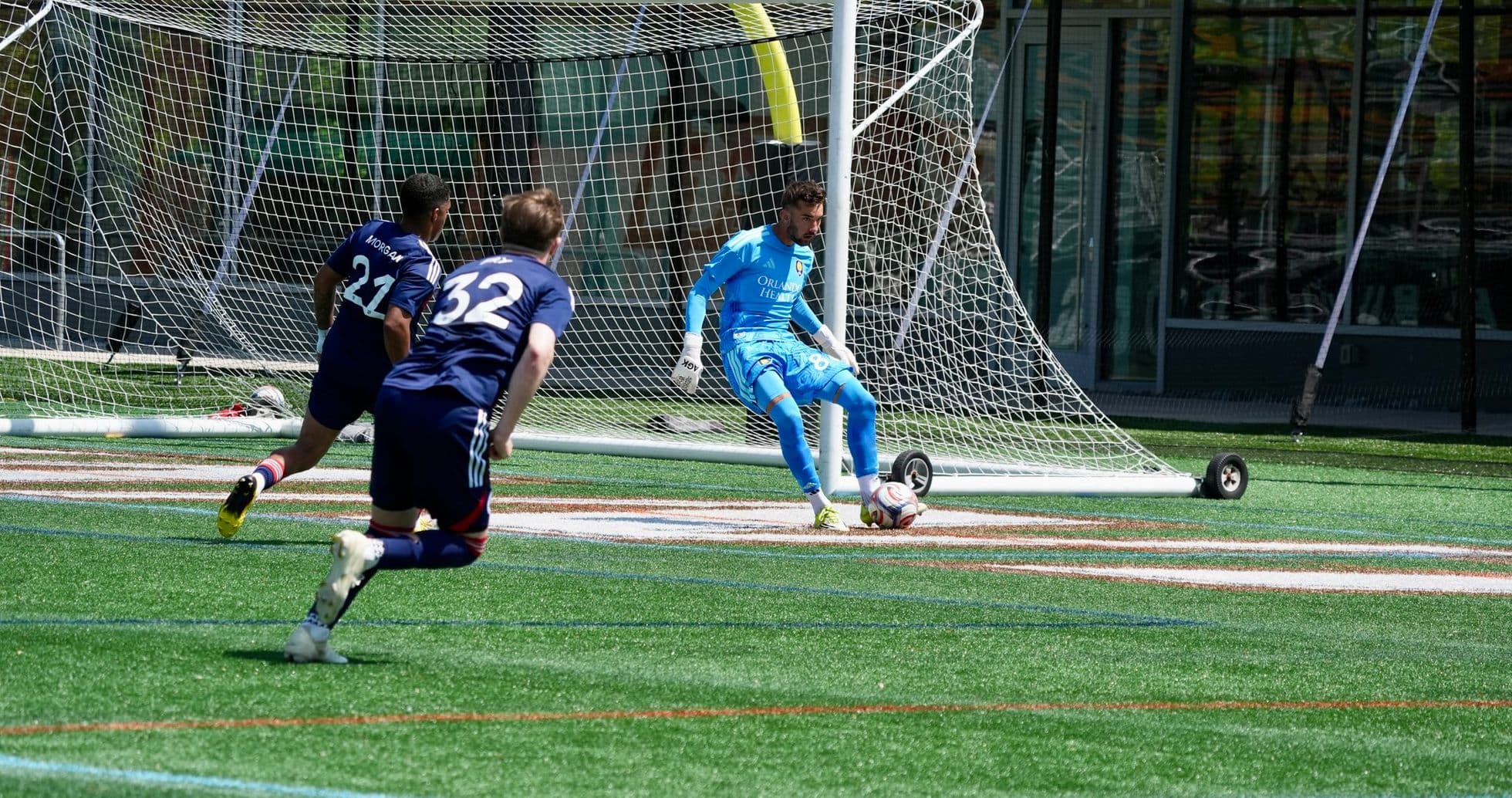
Under the lights of Gillette Stadium, New England II edged Orlando City II 1–0 in a tight MLS Next Pro Group Stage contest that felt every bit like a playoff rehearsal. Heading into this game, the standings already framed it as a clash of contrasting identities: New England II sitting 2nd in the Northeast Division and 3rd in the Eastern Conference with 20 points and a goal difference of 4, Orlando City II 5th in the Central Division and 8th in the Eastern Conference on 16 points with a goal difference of -1.
The scoreline matched the season-long DNA of both sides. Overall, New England II had built their campaign on control and economy: 10 matches played, 7 wins, 3 losses, 12 goals for and 8 against in the standings, supported by team stats that show 14 goals for and 9 against in total. At home, they had been ruthless: 7 fixtures played, 6 wins, 1 defeat, with 10 goals for and 6 conceded. Their average of 1.7 goals for at home and 0.9 goals against underlined a side comfortable grinding out narrow victories.
Orlando City II arrived as the wild card. Overall, they had 6 wins and 4 losses from 10 matches, with 19 goals for and 20 against in the standings, and 22 goals for and 21 against in the detailed stats. On their travels, they were bold and open: 5 away games, 3 wins, 2 defeats, 8 goals scored and 8 conceded, averaging 1.8 goals for and 1.6 against away. This was the league’s chaos agent visiting one of its most secure fortresses.
Tactical voids and discipline
With no official data on injuries or suspensions, both coaches were free to lean into their preferred cores. New England II’s starting XI – featuring D. Parisian, D. McIntosh, G. Dahlin, J. Shannon, S. Mimy, J. Mussenden, C. Oliveira, A. Oyirwoth, M. Fry, M. Morgan and S. Sasaki – looked like a carefully balanced group built to protect their excellent home record and low defensive averages.
Behind them, the bench options told their own story. Attack-minded profiles such as J. Da, C. Zambrano and S. George, alongside the versatile J. Siqueira and J. Smith, gave New England II the ability to change tempo and shape late on without sacrificing structure. It is the kind of depth that suits a team whose season narrative includes 4 clean sheets overall and only 1 match in which they failed to score.
For Orlando City II, the starting side of L. Maxim, P. Amoo-Mensah, L. Okonski, S. Titus Jr, B. Rhein, D. Judelson, J. Ramirez, I. Haruna, I. Gomez, M. Belgodere and Pedro Leao was more front‑foot in nature. Their season numbers – 2.2 goals for and 2.1 goals against overall – point to a team that accepts risk as the price of ambition. On the bench, J. Rojas, J. Hylton, C. Trombino, C. Archange, A. Chikamso, J. Yearwood and L. Tsopanoglou offered fresh legs and direct running rather than defensive reinforcement.
Disciplinary patterns added another layer to the tactical picture. Heading into this game, New England II’s yellow cards clustered heavily in the second half: 28.00% of their cautions came between 46–60 minutes, 20.00% between 61–75, and 24.00% between 76–90, with a further 12.00% in 91–105. That late-game surge in bookings hints at a side willing to foul to protect leads as matches open up. Orlando City II, meanwhile, spread their yellows more evenly but with early spikes: 25.00% between 16–30 minutes and another 25.00% between 31–45, then 20.00% between 46–60. They are prone to aggressive starts that can tip into indiscipline.
Key matchups – Hunter vs Shield, and the engine room
The defining duel in this fixture was always going to be Orlando City II’s attacking “hunter” profile against New England II’s defensive “shield”. On their travels, Orlando City II’s 1.8 goals per game and a biggest away win of 0–2 show a side capable of punching hard early, especially given their overall attacking peak of 5-goal home performances and 3-goal away outings. But they met a New England II defence that, at home, had conceded only 6 goals across 7 matches, an average of 0.9 per game, with 3 clean sheets.
That clash of identities played out in the lineups. Orlando City II’s forward cluster of I. Gomez, M. Belgodere and Pedro Leao, supported by the forward‑driving J. Ramirez and I. Haruna, was tasked with stretching a New England II unit anchored by the likes of S. Mimy, J. Shannon and J. Mussenden. The 1–0 final score, with New England II preserving yet another clean sheet at Gillette Stadium, underlined that the shield won this round.
In the engine room, New England II’s balance was key. Players such as C. Oliveira, A. Oyirwoth, M. Fry and M. Morgan formed a multi‑functional core capable of both screening and progressing the ball. Their season pattern of 1.4 goals for and 0.9 against overall, with only 1 match in which they failed to score, reflects a midfield that manages risk intelligently.
Orlando City II’s central axis, including B. Rhein, D. Judelson and J. Ramirez, belongs to a more high-variance model. Overall, they had kept just 1 clean sheet all season heading into this game and had never recorded a home clean sheet, which speaks to an engine room that prioritises verticality over control. Against New England II’s methodical structure, that volatility translated into sterile possession rather than clear chances.
Statistical prognosis and what it tells us
Following this result, the numbers reinforce a clear tactical verdict. New England II remain one of the Eastern Conference’s most efficient sides: 7 wins from 10 overall, a goal difference of 4 in the table, and home metrics that justify their promotion‑playoff trajectory. Their penalty record – 2 taken, 2 scored, 0 missed – adds another layer of composure in key moments.
Orlando City II, by contrast, continue to live on the edge. Their overall goal difference of -1 is the mathematical expression of a team that scores freely (22 goals overall in the detailed stats) but concedes almost as often (21 against). On their travels they are brave and dangerous, yet this match showed the ceiling of that approach when they run into a side as structurally sound as New England II.
In xG terms, even without explicit figures, the profiles are clear. New England II’s low-concession, low-variance style typically produces modest xG for and against, but with a high probability of narrow wins, especially at home. Orlando City II’s attacking averages suggest higher xG both ways, but their defensive instability drags down their overall probability of controlling matches against top opposition.
The 1–0 at Gillette Stadium fits neatly into that statistical arc: New England II’s shield holding firm, their attack doing just enough, and Orlando City II’s hunter finding that against a well‑organised back line, chaos alone is not a plan.
Related News

MLS Winners and Losers: Cavan Sullivan’s USMNT Rise, St. Louis City SC’s Smart Moves, and Chicago Fire’s Hugo Cuypers Gap

MLS Winners and Losers: Portland Timbers' Historic Hat-Trick, Josh Sargent Shines, and Cavan Sullivan's Rising Star
Tacoma Defiance Injury List: Players Out and Return Dates vs Colorado Rapids II

Carolina Core injury list: Players out, potential return dates
Tacoma Defiance vs Colorado Rapids II Predicted Lineups and Team News

Orlando City II vs Huntsville City Predicted Lineups and Team News