
Minnesota United II vs Houston Dynamo FC II: A Tactical Showdown
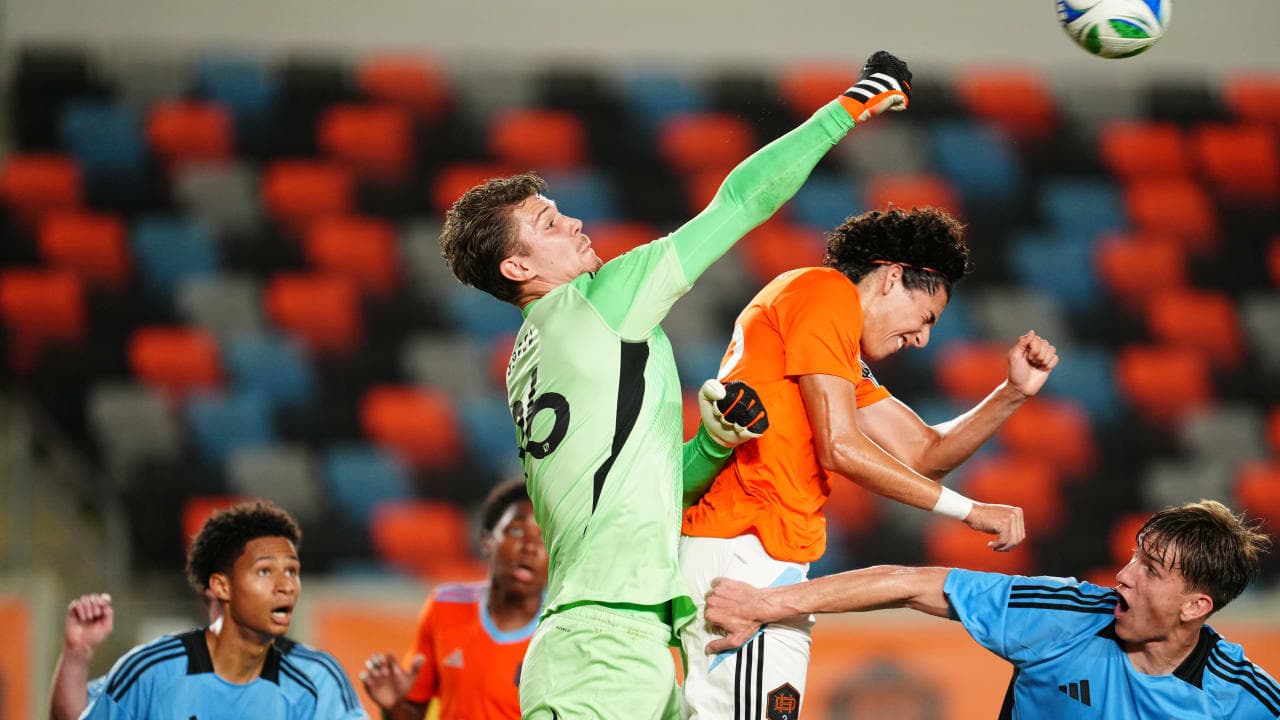
Under the lights at Allianz Field, this MLS Next Pro group-stage tie between Minnesota United II and Houston Dynamo FC II became a study in resistance, momentum, and the thin margins that separate an upset from a confirmation of hierarchy. After 120 minutes, a 1–1 draw yielded to a 3–1 Houston triumph in the shootout, preserving the visitors’ perfect season while leaving the hosts with a sense of what might have been.
I. The Big Picture – Underdogs against a machine
Heading into this game, the contrast between the two sides could hardly have been sharper. In the Frontier Division, Houston Dynamo FC II arrived as ruthless front-runners: 10 wins from 10 in total, 25 goals for and only 5 against, a total goal difference of +20. On their travels they had been equally unforgiving, with 6 away wins from 6, 12 goals scored and 5 conceded, averaging 2.3 away goals for and 0.8 against.
Minnesota United II, by contrast, came into the night as a volatile, streak-driven side. In total this campaign they had 5 wins and 6 defeats from 11 matches, with 12 goals for and 15 against, a total goal difference of -3. At home they were balanced on a knife edge: 2 wins and 2 defeats from 4, scoring 3 and conceding 4, for home averages of 0.8 goals for and 1.0 against. Their season form line of WLLWLWWWLLL told the story of a team that either flies or falls, rarely standing still.
Yet for all that statistical disparity, Minnesota’s starters walked out with a clear plan: compress space, slow Houston’s rhythm, and turn Allianz Field into a grind rather than a showcase.
II. Tactical Voids and the Discipline Line
With no official absences listed, both squads were at least numerically at full strength, but the tactical void for Minnesota was structural rather than personnel-based. Their season numbers show a side that struggles to control the tempo of games; in total they concede 1.4 goals per match while scoring 1.1, and they have already failed to score 3 times overall. Against a Houston team that has yet to fail to score in any of their 10 league fixtures, the home side’s margin for error was minuscule.
Disciplinarily, Minnesota’s season profile hinted at a potential soft underbelly in key phases. Their yellow cards cluster in the 31–45 and 76–90 minute windows, each accounting for 30.00% of their cautions, with another 20.00% between 61–75. That pattern suggests a team that can become stretched and reactive as halves wear on, often defending deeper and later than they would like.
Houston, by contrast, carry their own disciplinary risk, but it is spread across the middle and late phases of games. Their yellow cards peak between 61–75 and 76–90 minutes, each at 20.83%, with a further 16.67% between 91–105. They are aggressive front-runners, happy to defend their leads with intensity, even at the cost of bookings. On a night that went to 120 minutes, that cumulative edge had to be carefully managed, but their ability to avoid reds throughout the season again underlined their control.
III. Key Matchups – Hunters and shields
Without explicit positional data, the tactical story emerges from roles inferred by usage and context.
For Minnesota, the spine formed by K. Rizvanovich, N. Dang, and A. Kabia was the shield against the league’s most ruthless attack. In total this season, Minnesota have kept 3 clean sheets, 2 of them at home, and they would need that level of concentration to blunt a Houston unit that averages 2.7 goals per game overall and has yet to lose.
In midfield, D. Randell and L. Pechota were tasked with the most unforgiving brief: disrupt Houston’s rhythm without conceding cheap set-pieces or yellow-card pressure in those dangerous 31–45 and 76–90 minute windows. Their job was to deny time on the ball to Houston’s creative core of Gustavo Dohmann and A. Brummett, whose presence as starters underlines their importance in progressing play and linking to the front line.
Up front, Minnesota’s attacking trio of M. Caldeira, J. Farris, and T. Putt had to live on transitions. With the home side averaging only 0.8 goals at home, every counterattack felt like a rare currency. The plan was clear: draw Houston’s back line of M. Gardner, N. Betancourt, I. Mwakutuya, and V. Silva into higher starting positions, then spring into the spaces behind.
On the other side, Houston’s “hunter” identity was collective rather than individual. With 27 goals in total, split 13 at home and 14 away, and their biggest away win a 1–4 statement, they do not rely on a single talisman. Instead, wide threats like S. Mohammad and J. Bell, plus the versatile R. Miller, stretch defensive blocks horizontally, opening lanes for late-arriving midfielders such as M. Arana and Dohmann.
The duel between Minnesota’s improvised block and Houston’s layered attack played out over 120 minutes as a contest of patience. Minnesota’s ability to hold Houston to a single goal in regular time was, in itself, a tactical victory against the league’s most efficient attack.
IV. Statistical Prognosis and the Penalty Denouement
From a pure numbers standpoint, everything pointed to Houston’s superiority asserting itself before the final whistle. In total they concede only 0.5 goals per match and have 5 clean sheets already, including 4 at home and 1 away. Their defensive line is built to suffocate fragile attacks like Minnesota’s, which has failed to score 3 times in 11 matches and rarely exceeds 1 goal.
Yet cup football, even in a group-stage context, lives in the gaps between probability and execution. Minnesota, who have scored as many as 4 away in their best win, showed they can spike above their averages in the right emotional environment. Holding Houston to a 1–1 draw over 90 minutes and then through extra time was a defiance of the underlying metrics.
Following this result, however, the broader statistical arc remains intact. Houston’s unbeaten record survives, extended through the penalty shootout where their season-long penalty profile—1 taken, 1 scored, 100.00% conversion—foreshadowed a group comfortable from the spot. Minnesota, who have also been perfect from 1 penalty taken and scored in total this season, blinked first in the shootout, the fine detail that separates a heroic resistance from a famous upset.
In narrative terms, Minnesota United II leave Allianz Field with proof they can stand toe-to-toe with the division’s benchmark, at least for a night. Houston Dynamo FC II depart with something rarer than another routine win: a stress test passed, their perfect record intact, and a warning that the margins will only get finer as the season tightens and knockout stakes loom.
Related News

MLS Winners and Losers: Cavan Sullivan’s USMNT Rise, St. Louis City SC’s Smart Moves, and Chicago Fire’s Hugo Cuypers Gap

MLS Winners and Losers: Portland Timbers' Historic Hat-Trick, Josh Sargent Shines, and Cavan Sullivan's Rising Star
Tacoma Defiance Injury List: Players Out and Return Dates vs Colorado Rapids II

Carolina Core injury list: Players out, potential return dates
Tacoma Defiance vs Colorado Rapids II Predicted Lineups and Team News
Orlando City II vs Huntsville City Predicted Lineups and Team News