
De Zerbi's Frustration After Tottenham's Defeat to Aston Villa
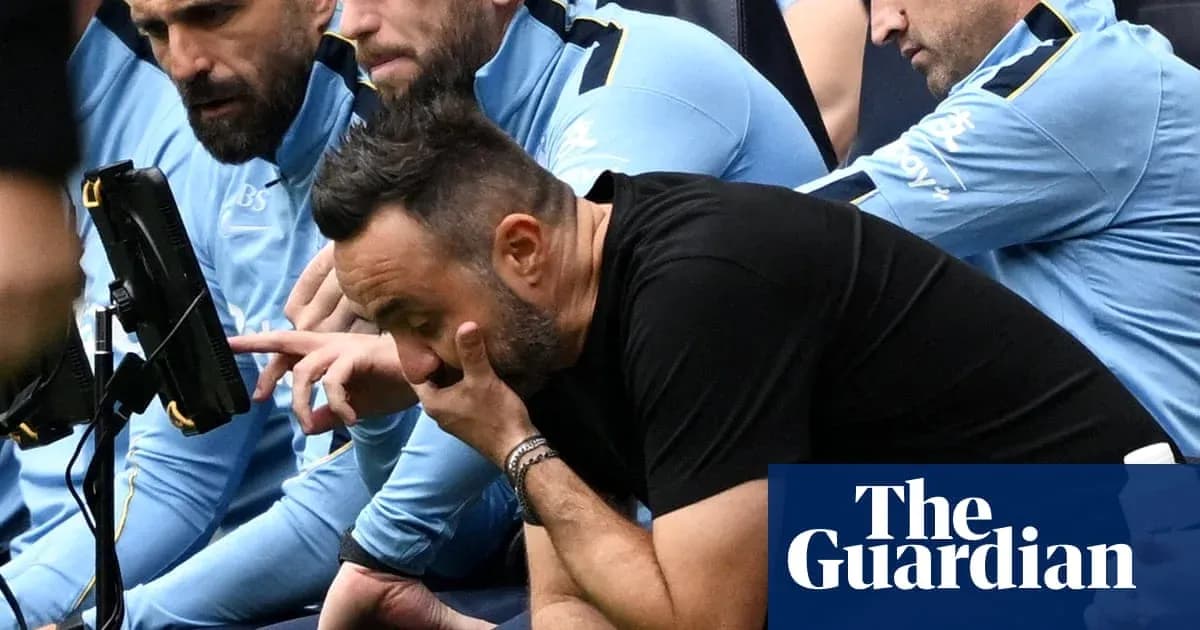
Roberto De Zerbi did not wait for the inquest. At full time of Tottenham’s 3-2 defeat by Aston Villa he went straight down the tunnel, leaving behind a chorus of boos and a team heading into a three‑week international break without a single Premier League win and only two points to cling to.
By the time he emerged to speak, the anger had hardened.
“I am very disappointed, sad and frustrated for the performance,” he said. “We can’t lose the game in this way, we can’t concede the second goal, we can’t lose balance just because we are losing.”
This was not a manager hiding behind fine margins. De Zerbi tore into his players’ mentality and even their physical condition, and he did not spare his own choices, admitting that the introduction of Mohammed Kudus had upset the team’s balance.
He had tried to head off the chaos. Early in the second half, with Tottenham still in the game, he gathered his forwards and issued a clear warning.
“I spoke with our four attackers in minute 51, I asked them to use their head, all second half I was telling people to be calm. But the second goal was incredible.”
That goal, on 67 minutes, summed up everything that infuriated him. Jackson raced through to score after reading a long kick from the outstanding Villa goalkeeper Zion Suzuki, a route-one strike Tottenham had specifically prepared for.
“We knew this season Aston Villa are playing 86% more long balls than last season and we spoke in many meetings about it,” De Zerbi said. “Now we have to explain another game like [the home defeat against] Newcastle where we played the first half well, got to 60 minutes OK, and then we lose.”
The pattern is beginning to sting: bright starts, then a slide into fragility once the game opens up. De Zerbi’s frustration was not just about tactics; it was about control, concentration, and a team that, in his eyes, cannot yet handle adversity.
As the players scattered for international duty, there was no rousing speech, no final attempt to reset the mood.
“I didn’t speak with the players today because I didn’t want to say anything,” he admitted. “The players who go with the national team have to play and work and the others; for sure we have to work more because I didn’t like the finish to this game. We can’t say everything is bad, but it is not enough.”
Across the technical area, the mood could not have been more different. For Unai Emery, this was a first Premier League victory of the season and a performance that, for him, reconnected Villa with the identity that has carried them forward in recent campaigns.
“The players did well because they believed,” Emery said, his message far more about affirmation than anger.
Villa had to dig in. They had to suffer. That, Emery argued, is exactly what he wants to see from his side when the pressure comes.
“We needed to build a team that could play in this way, could defend with resilience and playing with passion when our opponents were attacking. We needed defenders, we needed the keeper, we needed everyone committed in that direction. We needed to feel strong first, then we could try to play with our structure and our ability. This is the competitive way.”
Where De Zerbi saw a loss of balance, Emery saw collective resolve. One manager stalks into the break demanding more work, more discipline, more control. The other walks away with a reminder that his team still know how to win ugly when it matters.
When the league resumes, only one of them can claim this as a turning point.
Related News

Carrick’s Reds Seek Redemption at Craven Cottage

Sean Steur Shines in Newcastle United's 2-1 Victory

Newcastle 2 Hull 1: Hosts Respond After Leeds Defeat
Chelsea's Defensive Fragility: Questions Loom After Derby Defeat

Nottingham Forest vs Coventry City: Lampard Faces Pressure at City Ground

Manchester United Travel to Fulham Without Benjamin Sesko