
Roberto De Zerbi's Bold Gamble with Lucas Bergvall Against Brentford
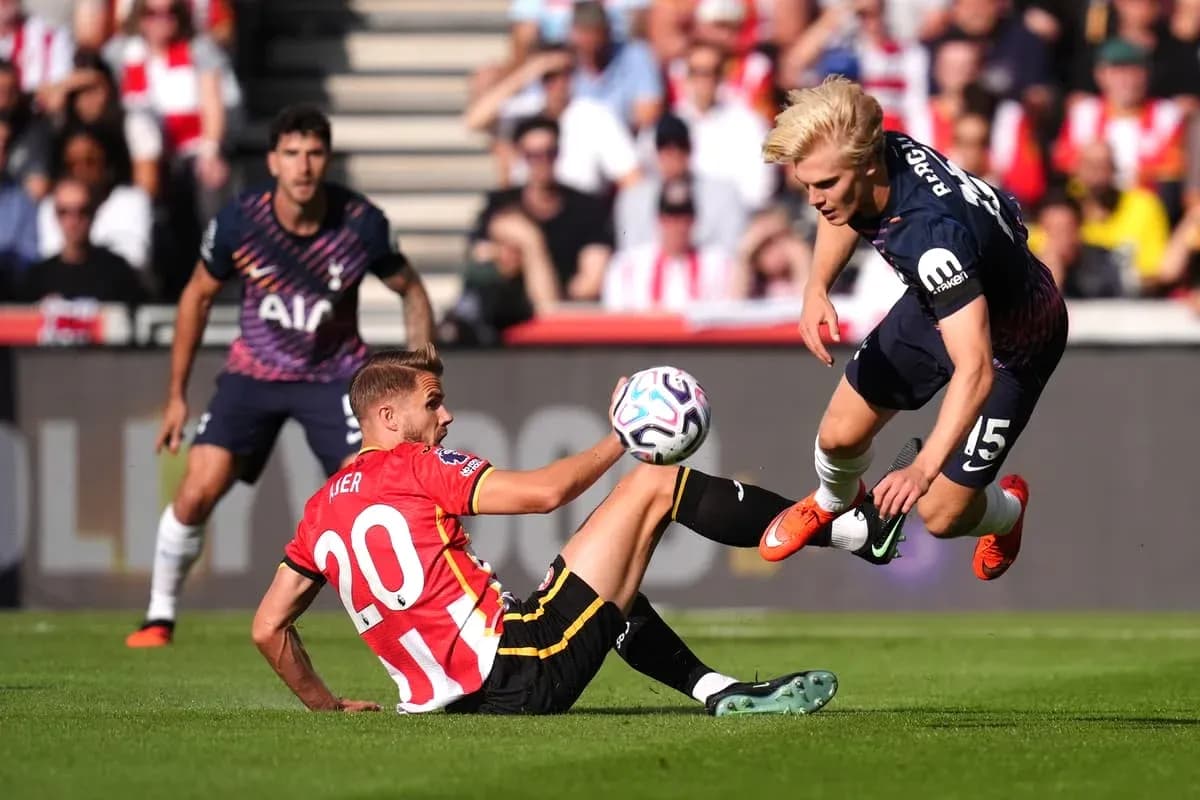
Roberto De Zerbi knew he was rolling the dice.
Tottenham’s head coach admitted as much after watching his side taken apart 3-0 by Brentford on the opening weekend, and with it, the spotlight swung straight onto Lucas Bergvall.
A selection gamble that backfired
With Mateus Fernandes and Rodrigo Bentancur short of full fitness after disrupted pre-seasons, De Zerbi turned to the 20-year-old Swede at the Gtech Community Stadium. Fernandes has been carefully managed because of calf fatigue. Bentancur, back late from World Cup duty, was never likely to start.
So De Zerbi paired Bergvall with Sandro Tonali in the heart of midfield. It was a bold call. It was also, on this evidence, a costly one.
Bergvall struggled with the tempo and physical edge of Brentford’s midfield and, under pressure, surrendered the ball for the hosts’ second goal as Spurs unravelled inside 33 minutes. The young midfielder looked swamped, the game racing around him rather than through him.
By half-time, with Tottenham 2-0 down and second best everywhere, De Zerbi had seen enough. Bergvall was withdrawn in search of a reaction.
De Zerbi stands by his call
If the substitution looked like a brutal verdict, De Zerbi refused to disown the decision that preceded it.
He pointed to the scale of change across his side, particularly at the back. Last season’s defensive line of Pedro Porro, Kevin Danso, Micky van de Ven and Destiny Udogie had been ripped up. In their place at Brentford: Archie Gray, Jean Paul van Hecke, Marcos Senesi and Andy Robertson. Four new faces, four new relationships, and a midfield in front of them still trying to find its bearings.
In that context, De Zerbi argued, starting Bergvall was part of a wider plan rather than a wild gamble. Pre-season minutes had gone into the Swede, not into Bentancur. The project, as he framed it, demanded that players like Bergvall and Gray were exposed early, not hidden.
At the same time, he did not pretend he was blindsided by what unfolded. De Zerbi admitted he knew before kick-off that Bergvall could “suffer” in this kind of contest compared with Bentancur, nine years older and hardened by years at the top level. He chose the long-term route anyway.
Pain now, payoff later?
Bergvall’s performance will be remembered for the mistake that led to Brentford’s second goal, but De Zerbi pushed back against the idea that the youngster had a nightmare. He insisted the display was not as bad as the scoreline or the substitution suggested.
For the coach, the key point lay in the future, not the present. The error, he argued, is the sort a 20-year-old makes in August and learns from for the next two years. The kind he believes Bergvall simply will not repeat once those lessons harden into instinct.
It has already been a turbulent summer for the Swede, who had angled for a move away before finding himself back in the fold. De Zerbi’s faith, then, is not blind. It is deliberate. Spurs, he stressed, must decide whether they are working only for today or building something that can last.
On a bruising night in west London, that choice played out in real time. Tottenham paid for it on the scoreboard. The real verdict on Bergvall, and on De Zerbi’s conviction, will arrive much later in the season.
Related News
Athlone Town Defeats Galway United in FAI Cup Thriller

Fulham vs Chelsea: Premier League Derby Under the Lights

Quevin Castro, Former West Bromwich Albion Midfielder, Dies at 25
Brentford Overpower Spurs in Season Opener
Coach Admits Team Didn't Fight Right Against Brentford
Jaissle’s Newcastle Era Begins with Injury Challenges