
England's World Cup Campaign: Attack Shines, Defence Wobbles
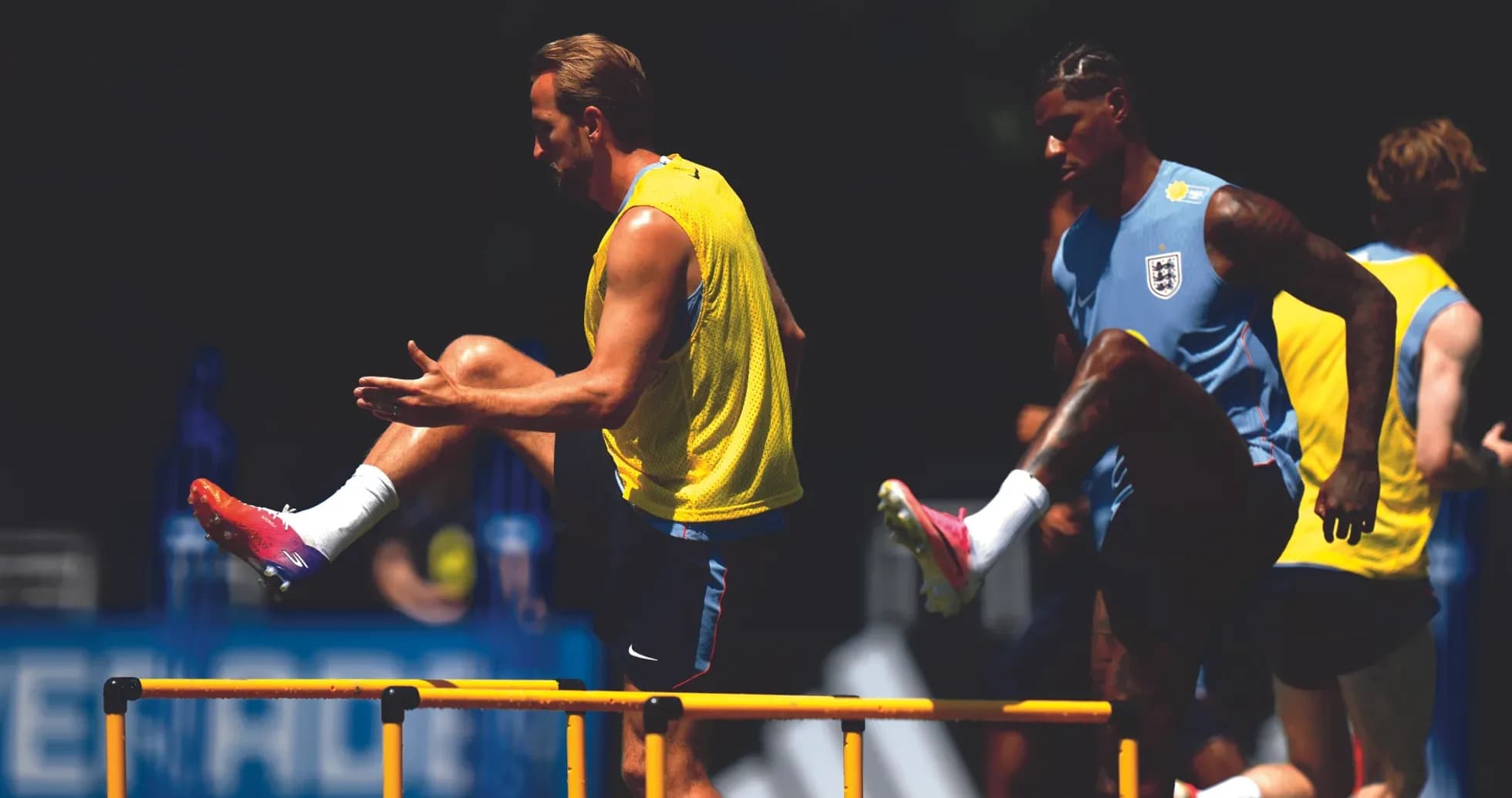
England’s forwards arrived in Texas with all the hype and left with four goals to back it up. The attack roared. The doubts did not.
Thomas Tuchel’s side opened their World Cup campaign with a 4-2 win over Croatia in Arlington, a scoreline that flatters the attack and exposes the fault lines at the back. Twice in the first half England led, twice an ageing but streetwise Croatia dragged them back. Only after the break did the Three Lions finally tear away.
For a team that sailed through qualifying without conceding in eight games, this should not be a debate. Yet it is. The numbers from the road to 2026 now feel like a mirage when set against the reality of knockout-tournament pressure and opponents who move the ball quicker and hit harder than anything England saw in their group.
France, Spain, Argentina – those are the names looming over this campaign. Croatia, for all their pedigree, do not have that kind of pace or firepower anymore. And still they found England out, twice.
Tuchel’s calculated gamble at the back
Tuchel walked into this World Cup having made some brutal calls. He left three of his most seasoned tournament defenders at home: Trent Alexander-Arnold, Luke Shaw and Harry Maguire. All three know what it is to live through the chaos of a major finals. None of them are in Boston with the squad.
Tino Livramento’s injury before a ball was kicked deepened the sense of fragility. His replacement, Trevoh Chalobah, arrived with just one cap. That theme runs through the entire defensive unit.
Nine defenders. A combined 191 caps. John Stones alone accounts for 90 of them.
Strip away Stones and the numbers look even more stark. Against Croatia, three of the back four – Reece James, Ezri Konsa and 21-year-old Nico O’Reilly – were making their World Cup debuts. James remains a world-class full-back when fit, but his injury history hangs over every sprint, every tackle. O’Reilly is talented, ambitious, raw. Konsa has been steady under Tuchel, trusted, but this is a different stage.
No surprise, then, that England’s first-half wobble set alarm bells ringing.
Former England defender Gary Neville did not hide his concern. Watching on as a pundit, he admitted that the way Croatia repeatedly asked questions of that back line would have unsettled the coaching staff.
Neville’s verdict was clear: what happened in Arlington will force Tuchel to rethink. Not tear it up and start again, but adjust – in personnel, in shape, in how England shield that defence when the pressure climbs.
Stones, Konsa, Guehi – the central question
At the heart of the tactical argument sits a simple selection dilemma: who partners whom in central defence?
Tuchel leans towards experience. He has consistently valued Stones’ calmness on the ball and his understanding of high-level football, even though the defender started only five Premier League games last season before leaving Manchester City. The German coach sees a leader, a reference point in a young unit.
Others see a different picture.
Chris Sutton, the former England striker, believes the future – and the present – should belong to Konsa and Marc Guehi. Speaking to the BBC, he argued that the pair bring greater athleticism and are better equipped in one-on-one situations than Stones, a crucial quality when facing world-class attackers who isolate defenders and go to work.
Sutton’s point cuts to the core of England’s defensive identity. Against elite opposition, there will be moments when the structure breaks and it comes down to pure defending: pace, recovery, the ability to stand up in the duel. If Tuchel expects his back line to be exposed like that, the case for Konsa and Guehi grows stronger.
Yet Konsa remains one of Tuchel’s favourites. Guehi waits, ready, but not guaranteed. That debate will follow England from Kansas City to Boston and beyond.
Attack flying, nerves showing
Up the pitch, the story is very different. England’s attack did what it was supposed to do: impose itself, overwhelm, finish. Four goals against an experienced Croatia side in a World Cup opener is no small feat, however vulnerable the opposition may now be.
Ollie Watkins, part of that forward line, brushed aside the noise around the defence when he spoke at the team’s base in Kansas City.
He pointed to the medals and the stages England’s defenders have already reached. “World-class players,” he insisted, who have “won major trophies and played at the highest level possible.” To Watkins, the early problems against Croatia were about nerves, not talent.
He has a point. The first 45 minutes looked jittery, hesitant, as if the weight of expectation had settled on the shoulders of a young back four. Once England settled, the game flipped. The second half turned into a statement, Watkins arguing that they “absolutely blew Croatia away” once the tension eased.
That is the balance Tuchel must manage now: harness the swagger of his forwards without leaving his defenders exposed, build belief without ignoring the warning signs.
Ghana in Boston – and the stakes
Next comes Ghana in Boston. On paper, the equation is simple: if England win and Panama fail to beat Croatia, the Three Lions will top Group L and book a place in the last 32.
Reality will not be so straightforward.
Ghana will run, press, and test every seam in that back line. They will look at Croatia’s first-half joy and see opportunity. England, for all their attacking riches, cannot afford another opening 45 minutes spent on the edge of panic.
Tuchel now stands at a crossroads early in the tournament. Does he double down on experience with Stones, or tilt towards the athleticism of Konsa and Guehi? Does he tweak the system to protect a fragile core, or trust his players to grow into the tournament under the same blueprint?
The attack has already announced itself in this World Cup. The question, as Boston looms, is whether England’s defence can catch up before the real giants arrive.
Related News

Anthony Joshua Names Murat Gassiev as Next Opponent if He Defeats Tyson Fury

UFC 332: Start Time and Fight Highlights for Natalia Silva vs. Wang Cong
Court McGee Opens Up About Choosing UFC 332 as His Final MMA Fight
WBC Orders Lightweight Title Unification: William Zepeda vs Jadier Herrera
BCCI Pension List: Monthly Payments to Retired Indian Cricketers in 2025

Why Fury vs Joshua Is Set for Cardiff, and Dua Lipa’s Unexpected Role