
Eva Carneiro vs Mourinho and Terry: Medical Ethics Revisited
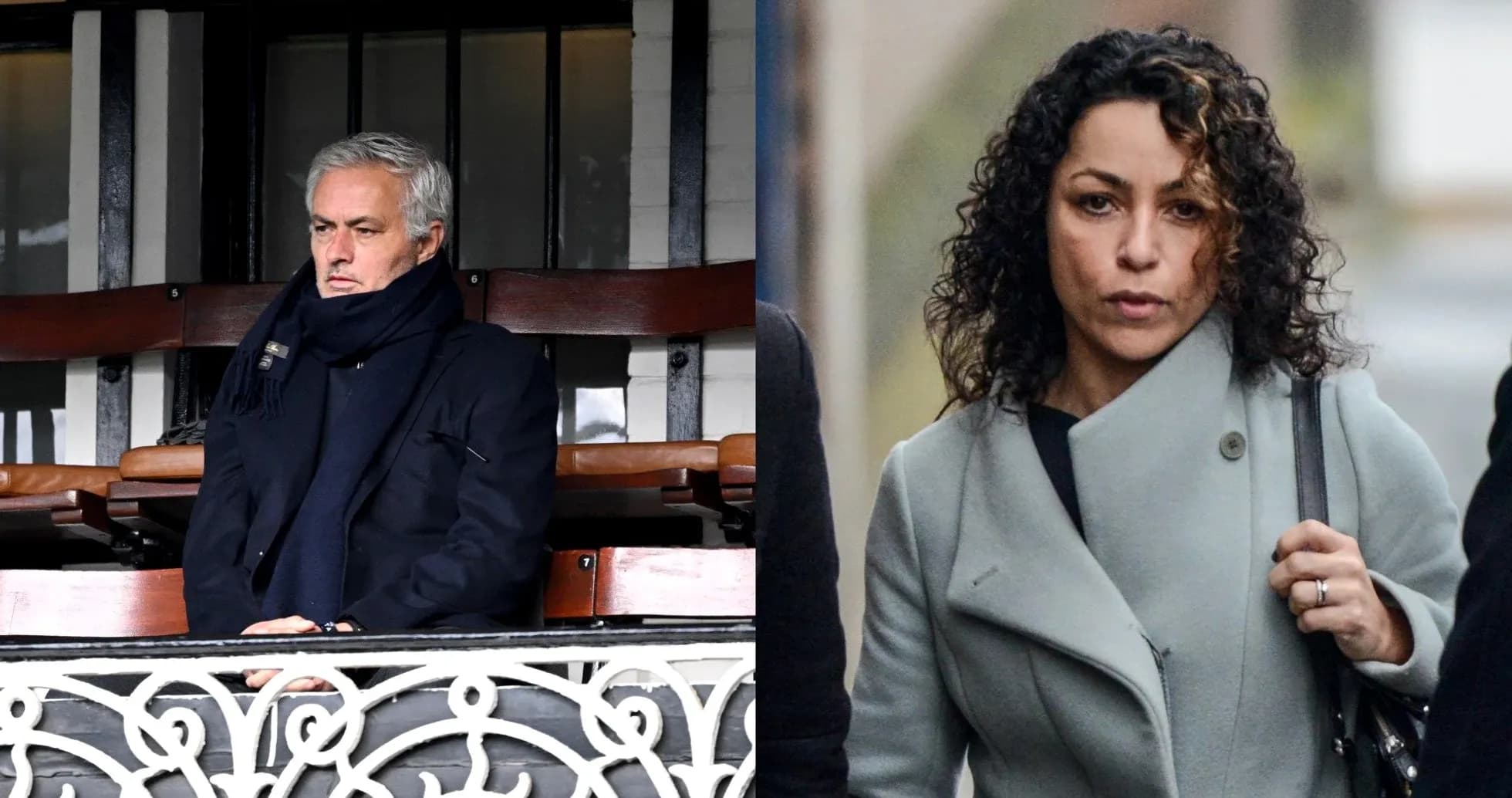
Eva Carneiro has reignited her feud with José Mourinho and John Terry after the Netflix documentary Mourinho revisited the incident that effectively ended her Chelsea career.
The former first-team doctor, who left Stamford Bridge in 2015 after a furious public dressing-down from Mourinho, has hit back strongly on social media, accusing the pair of dragging her "worst" moment back into the spotlight.
Old wound reopened
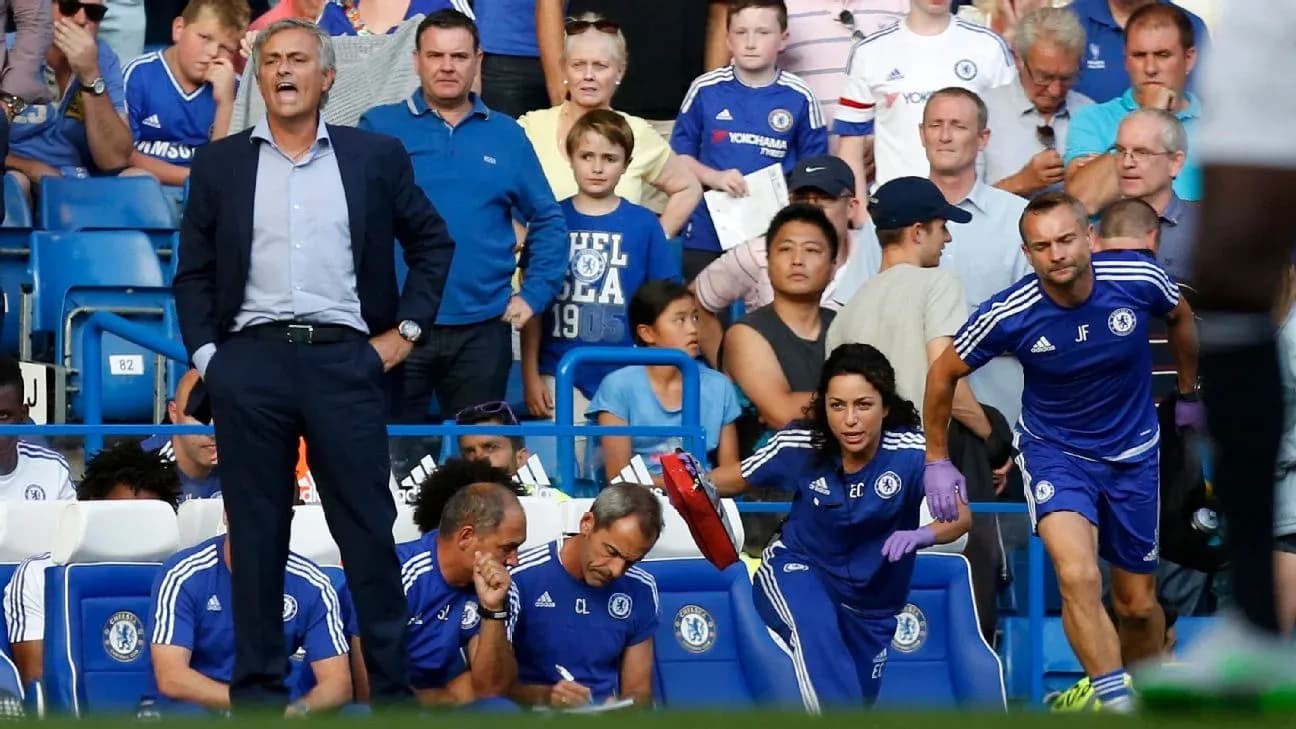
The flashpoint came in August 2015, deep into stoppage time of Chelsea’s 2-2 draw with Swansea on the opening day of the Premier League season. With Thibaut Courtois already sent off, Carneiro and head physio Jon Fearn ran onto the pitch to treat Eden Hazard after referee Michael Oliver waved them on.
Their intervention, entirely legal but deeply unpopular with Mourinho in the heat of the moment, briefly reduced Chelsea to nine men and triggered a furious touchline outburst from the manager. The fallout spiralled into a very public row, Carneiro’s departure from the club and a legal claim for constructive dismissal that was eventually settled at an employment tribunal.
Now, almost 11 years on, the documentary has dragged it all back.
"11 years on and here we are reliving the worst. Hope they made some money," Carneiro wrote on X, making clear exactly how she felt about the renewed attention.
Carneiro: ‘Learn the rules of the game’
What has particularly angered Carneiro this time are Terry’s comments in the film about a supposed dressing-room "understanding" over when medical staff should enter the pitch.
"We are bound by a medico-legal code of conduct," she posted. "Genuinely it would be healthy for John Terry to learn the rules of the game. It’s been long enough mate."
For Carneiro, this was never about unwritten agreements or dressing-room codes. It was about duty of care, professional obligation and the referee’s authority.
She laid out her version of events in blunt terms: "So IT IS really simple. Referee Michael Oliver called us on TWICE, player Eden Hazard requested medical assistance we then made eye contact from side line and he confirmed he needed medical assistance, TWICE. At that point my hands are bound as a medical professional."
To reinforce her position, she highlighted guidance from the British Association of Sport and Exercise Medicine, which states that when a referee summons the medical team, they have an "absolute duty of care to attend and assess the player."
In her eyes, that is the only "understanding" that matters.
Mourinho stands firm
The documentary shows a very different perspective. Mourinho, still unapologetic after all these years, insists his medical staff were wrong to intervene with the match on a knife-edge.
"I’m not a doctor, but my eyes know when a player is injured, and they know when a player is not injured," he says in the film. "I knew that he was not injured, but the doctors went to the pitch, and in that moment we were left with nine players."
He also revisits his infamous comments about Carneiro on the touchline, which drew widespread condemnation at the time.
"For me, a lady doctor is the same as a man’s doctor. So, as always, I use my vocabulary when I’m not happy. There are words in moments where the tension is very, very high. Normally, people with football culture, with football DNA, with football background, they go over it in one second. In that case, it was different."
Mourinho’s stance is clear: football context first, medical intervention only when absolutely unavoidable. Carneiro’s is equally clear: medical ethics and referee instruction override everything.
That clash has never been resolved. The documentary has only underlined how far apart they remain.
Terry backs Mourinho – and draws fire
Terry, Chelsea captain at the time, uses his segment in the film to back Mourinho and explain the dressing-room logic that shaped the squad’s expectations.
"Medically, he would say unless it’s really, really bad, then they’re not coming on," Terry says. "That was the understanding for us as players, the medical staff, everyone bought into that."
From the captain’s viewpoint, the incident became a turning point in a season that quickly unravelled. The controversy around the Swansea game, he admits, snowballed into a major distraction as Chelsea’s title defence collapsed. The club limped to 10th place in 2015-16, their worst league finish of the Roman Abramovich era.
"It was a big moment, obviously, and he took a lot of backlash for that," Terry reflects in the documentary. "There was a lot of heat on the football club."
Carneiro, though, has no interest in the internal pact Terry describes. For her, players’ and managers’ opinions sit well below the line set by medical law and the referee’s command.
She insists that once Oliver twice called the medical team on and Hazard twice requested treatment, any notion of staying put to protect the game’s rhythm was irrelevant. Her professional obligation, she says, left her "no choice but to act."
Football culture vs duty of care
What the documentary has done, perhaps unintentionally, is strip the incident back to its raw fault line: football culture on one side, medical ethics on the other.
Mourinho and Terry speak the language of dressing-room codes, unwritten rules and game management in high-pressure moments. Carneiro speaks the language of duty of care, legal responsibility and the primacy of the referee’s whistle.
The argument is no longer about a single sprint onto the pitch in stoppage time at Stamford Bridge. It has become a case study in who truly calls the shots when a player hits the turf: the manager, the player, the referee, or the doctor bound by a code that does not bend for tactics, reputations or title races.
Nearly a decade later, the scoreboard from that day reads the same: Chelsea 2, Swansea 2. The real contest – over what should have happened when Eden Hazard went down – is still being played, and neither side looks ready to walk away.
Related News
Marcus Rashford's Return to Manchester United Against AC Milan
Eva Carneiro Responds to Mourinho and Terry's Claims
Kaze's Tactical Insights: Lessons from Kaizer Chiefs Match
Luke Baartman: The Rising Star of Kaizer Chiefs
Santos Overcome Adversity with Neymar and Gabigol in Sudamericana Victory
Rangers' Europa League Exit: McInnes' Blunt Assessment