
Frenkie de Jong's Complicated Road Back to Barcelona Midfield
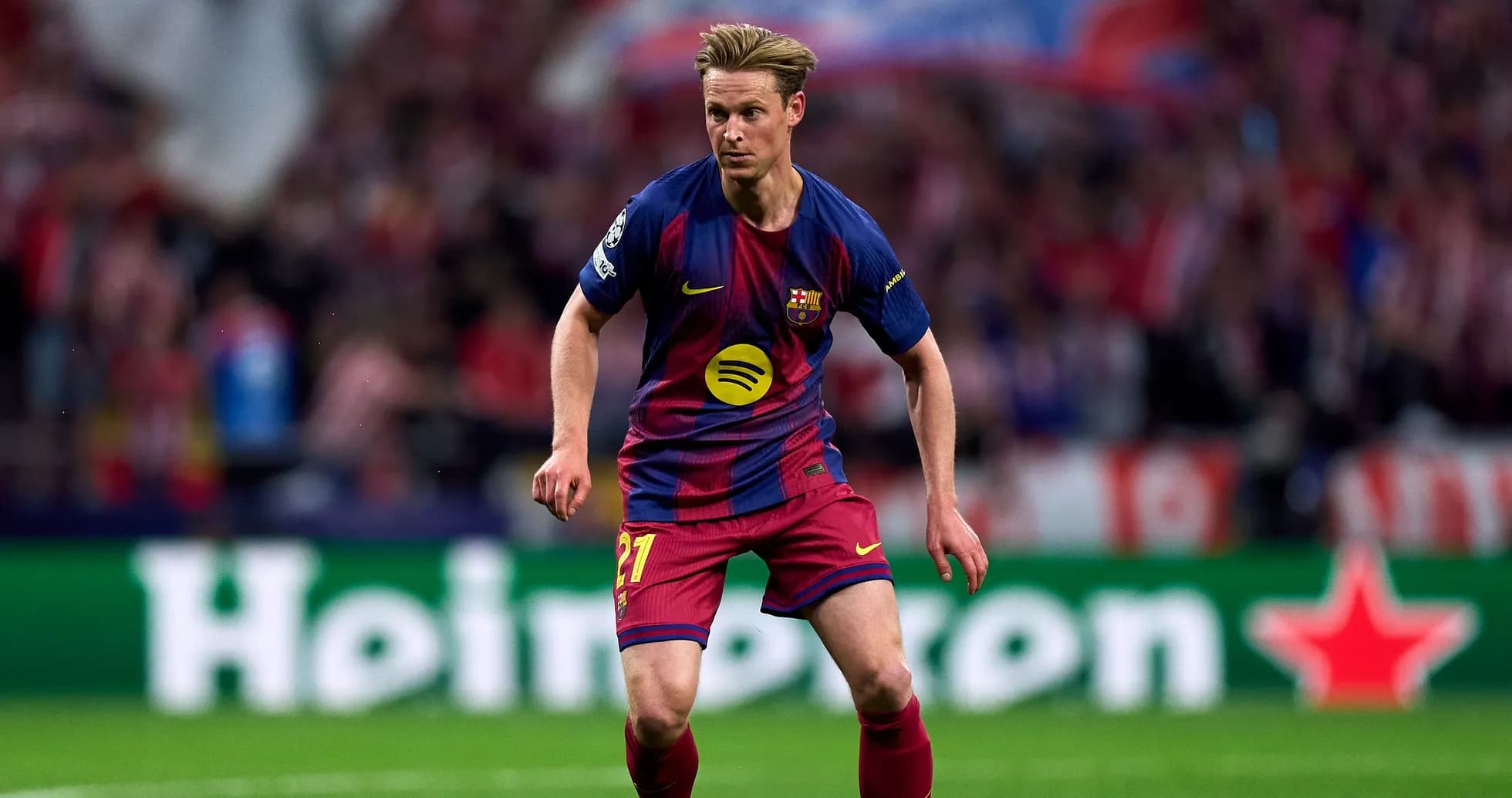
Frenkie de Jong’s road back to the Barcelona midfield will be longer than anyone at the club hoped – and more complicated than it first appeared.
The 29-year-old is still working his way through recovery from the knee injury he suffered at the start of September, and his return is not around the corner. The current outlook is that he will not be fully fit before October, and that is only if the pain eases and there are no setbacks in the final phase of his programme.
A hidden injury and a late diagnosis
According to Spanish outlet Mundo Deportivo, De Jong tore the medial collateral ligament in his right knee during the World Cup. Barcelona officially announced the diagnosis on 23 July, but information received by Hansi Flick’s staff points to the problem starting much earlier – around 16 June, in one of the Netherlands’ training sessions.
The story of what happened next explains why Barça were left in the dark for so long.
The Dutch national team doctors initially misdiagnosed the injury, which allowed De Jong to keep playing when the ligament was already damaged. His World Cup ended on 30 June, yet he did not report back to Barcelona’s training ground straight away. Instead, he went on holiday to Ibiza for two weeks.
Only when he finally returned to the club did the full picture emerge. Barcelona’s medical staff delivered the first accurate diagnosis on 13 July, almost a month after the injury is believed to have occurred.
Conservative path against medical advice
Faced with the tear in his right knee, De Jong had a decision to make. The club’s doctors recommended surgery as the most suitable solution. The midfielder chose a different route.
He opted for conservative treatment, rejecting the surgical option despite the medical department’s view that an operation would be the better choice. Barcelona, aware of the player’s importance and his wish to avoid the knife, decided to respect his decision.
From that point, both sides agreed on a simple rule: his progress would be monitored day by day, guided by his pain levels, his sensations in the knee and his response to the treatment.
The next key checkpoint is already marked on the calendar. Sources on Flick’s staff say De Jong’s condition will be reassessed after the upcoming international break, which starts on 21 September and ends when La Liga resumes on the weekend of 10–11 October.
A race against the fixture list
De Jong plans to squeeze everything he can out of that window without club football. Those weeks will be his chance to give the conservative treatment one last push.
By 8 October, his personal target is clear: he wants to be back training with the group, the same day his international teammates are due to rejoin Barcelona’s sessions after duty with their national teams.
That ambition comes with conditions. He must be pain-free in the damaged ligament of his right knee. He must also recover a basic level of match rhythm before Flick can realistically throw him into a competitive game.
And that is where the real tension lies.
The calendar waiting for Barcelona on the other side of the break is unforgiving. Getafe, Galatasaray, Real Betis, Paris Saint-Germain and then Real Madrid in the Clásico on 25 October – a sequence that demands players at peak physical condition, not easing their way back.
Flick will have to weigh risk against need. Push De Jong back in early, or hold him back for the biggest nights of all?
Related News
Barcelona's Expected Line-Up Against Valencia: Hansi Flick's Tactical Decisions

Barcelona's Strong Start Meets Valencia's Struggles at Mestalla
Arsenal vs Chelsea: Defensive Concerns Ahead of Derby Showdown
Kompany’s Bold Move Ends Bayern’s Goal Streak
Nico Williams Shines in Athletic Bilbao's 3-0 Victory Over Atletico Madrid
Kobbie Mainoo's Impressive Return to Manchester United