
Germany Dominates Curaçao in World Cup Opener
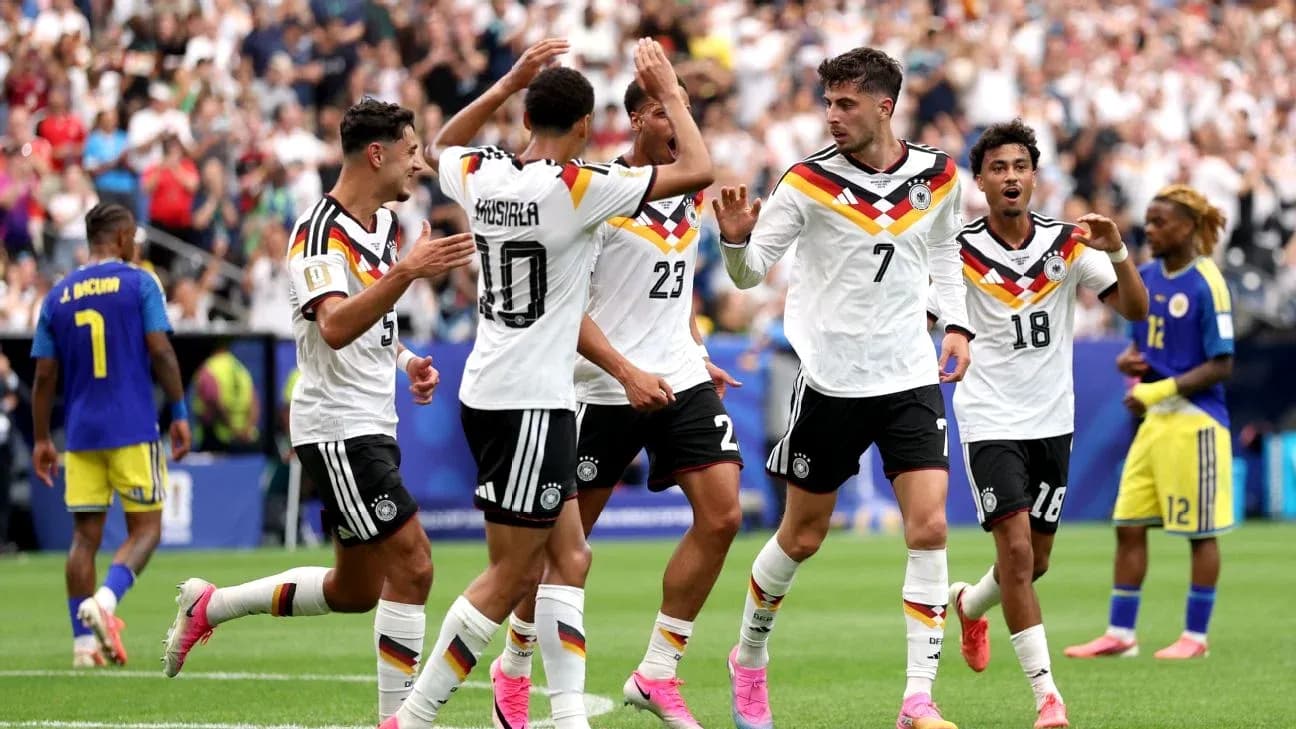
The World Cup arrived in Houston with a statement of intent. Under the closed roof of NRG Stadium, Germany dismantled Curaçao 7–1, a result that did more than put three points on the board. Following this result, Germany sit 1st in Group E on 3 points with a goal difference of 6, while Curaçao are 4th with 0 points and a goal difference of -6. It was a night where Julian Nagelsmann’s blueprint for this tournament was laid out in full view – and where Curaçao learned, brutally, what the highest level demands.
I. The Big Picture – Structure and Supremacy
Nagelsmann’s Germany lined up in a 4-2-3-1, a shape that quickly morphed into a 2-3-5 in possession. With M. Neuer behind a back four of J. Kimmich, J. Tah, N. Schlotterbeck and N. Brown, Germany built with calm authority, using the double pivot of F. Nmecha and A. Pavlovic as the hinge between rest defence and relentless attacking waves.
Ahead of them, the trio of L. Sane, J. Musiala and F. Wirtz rotated almost constantly behind K. Havertz, who led the line as a modern, roaming 9. The numbers tell the story of that dominance: in total this campaign Germany have scored 7 goals and conceded 1, with an overall goals-for average of 7.0 and goals-against average of 1.0. Even in a small sample, it underlines just how explosive their attacking structure already looks.
Curaçao, in contrast, arrived with a 4-3-1-2 under Dick Advocaat, hoping to compress the centre and break through the front pairing of J. Locadia and S. Hansen, supported by T. Chong as a withdrawn playmaker. The idea was clear: three central midfielders – L. Comenencia, L. Bacuna and J. Bacuna – to crowd the German 10-space, full-backs S. Floranus and D. Fonville to hold a disciplined line, and R. Bazoer plus A. Obispo to marshal the box.
But once the game tilted, the structural gulf was exposed. On their travels in this campaign, Curaçao have conceded 7 goals and scored 1, with an away goals-against average of 7.0 and an away goals-for average of 1.0. That imbalance framed everything that unfolded in Houston.
II. Tactical Voids – Where It Broke
There were no listed absences, so this was essentially full-strength against full-strength. The voids, then, were tactical rather than personnel-based.
For Germany, the “risk” in Nagelsmann’s plan lay in the high positioning of both full-backs. Kimmich and Brown pushed so aggressively that Tah and Schlotterbeck were often left in a two-versus-two or two-versus-three in transition. Curaçao’s lone goal was the warning sign: when they did manage to play through the first press, the channels behind the German full-backs became inviting.
Yet Curaçao lacked the cohesion to exploit those spaces consistently. Their midfield three were pinned back by the positional play of Musiala and Wirtz, while Chong was forced deeper and deeper just to get a touch. Without sustained possession, the 4-3-1-2 became a flat 4-4-2 out of possession, with huge gaps between the lines that Germany repeatedly attacked.
Disciplinary-wise, the campaign data shows no recorded yellow or red cards in specific time ranges for either side, which fits the feel of the contest: this was not a game defined by dark arts or attrition, but by technical and structural superiority.
III. Key Matchups – Hunter vs Shield, Engine Room Battles
Hunter vs Shield
K. Havertz arrived in this World Cup as one of Germany’s primary scoring threats, and he wasted no time justifying that status. With 2 goals in his opening appearance, plus 2 shots on target from 2 attempts and 1 penalty scored, he embodied the “hunter” in Nagelsmann’s system – constantly drifting between lines, pulling defenders into awkward zones.
Set that against Curaçao’s defensive record: overall they have conceded 7 goals in 1 match, with an overall goals-against average of 7.0. Bazoer and Obispo were repeatedly dragged out by Havertz’s movement and by the underlapping runs of Musiala. Once pulled apart, the back line could not compress fast enough to deal with the late arrivals from midfield or the switches of play to Sane and Brown.
On Germany’s right, Kimmich was the quiet architect. His 73 passes in this tournament so far, with 5 key passes and 2 assists, underline how often Germany’s attacks flowed through his flank. Curaçao’s left side – Obispo and Fonville – struggled to manage both his width and the inside drifts of Wirtz.
Engine Room – Playmaker vs Enforcer
The central duel was defined by contrast. For Germany, Musiala and Wirtz operated as dual playmakers. Musiala’s numbers are striking: 1 goal, 2 key passes, 5 dribble attempts with 4 successes, and 9 duels won out of 14. He repeatedly broke lines off the dribble, turning Curaçao’s midfield into bystanders.
Behind him, Pavlovic and Nmecha provided the control that allowed those risks. They sat in the half-spaces, recycling possession and closing counters before they could develop. It meant Curaçao’s central trio spent more time chasing than constructing.
Curaçao’s “enforcers” – the Bacuna brothers and Comenencia – had been tasked with disrupting that rhythm. But without the ball, their influence shrank. Chong, theoretically the creative outlet between the lines, was isolated; Locadia and Hansen were starved of service, forced to feed on hopeful balls rather than structured attacks.
From the bench, D. Undav added another layer of menace for Germany. In only 26 minutes he produced 1 goal and 2 assists, with 3 key passes. His introduction underlined just how deep Nagelsmann’s attacking options run: even as legs tired, the tempo and precision did not drop.
IV. Statistical Prognosis – What This Result Signals
Following this result, the statistical picture is emphatic. Germany’s overall goals-for average of 7.0 and goals-against average of 1.0 are clearly unsustainable over a full tournament, but they do capture the early gulf between them and the bottom of Group E. Their penalty record – 1 taken, 1 scored, 0 missed – adds a layer of ruthlessness from the spot.
Curaçao, conversely, face a steep climb. With an overall goals-for average of 1.0 and goals-against average of 7.0, plus no clean sheets and no penalties earned or taken, they must tighten the back line and find a way to protect their central defenders. Advocaat’s 4-3-1-2 will need recalibration – likely more compactness between the lines and clearer transition patterns to give Locadia and Hansen something to chase beyond hopeful clearances.
From a tactical lens, this was less a contest and more a demonstration. Germany showed a coherent, high-ceiling structure with multiple match-winners – Havertz as the finisher, Musiala as the dribbler, Kimmich and Brown as creative full-backs, and Undav as a devastating impact substitute. Curaçao showed heart and flashes of individual quality, but in the engine room and in the defensive coordination, the gap to the elite was laid bare under the Houston lights.
Related News
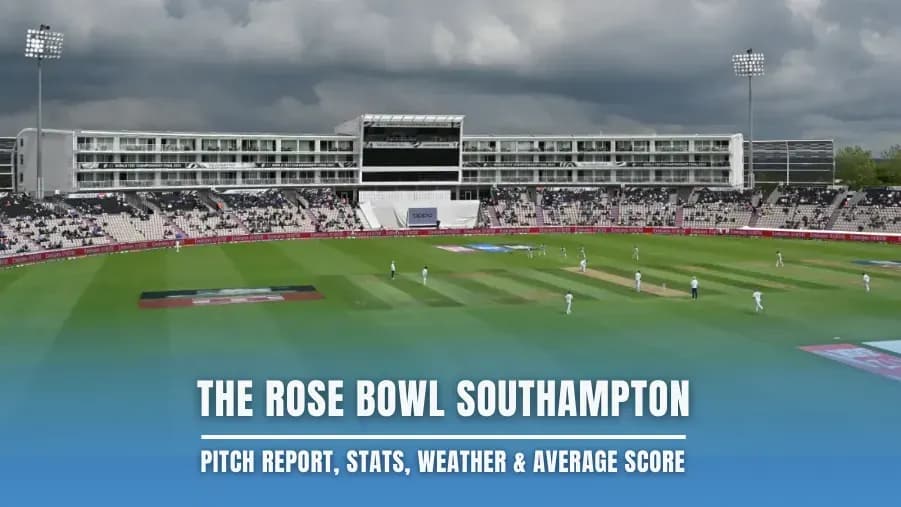
The Rose Bowl Southampton Pitch Analysis for ICC Women's T20 World Cup 2026
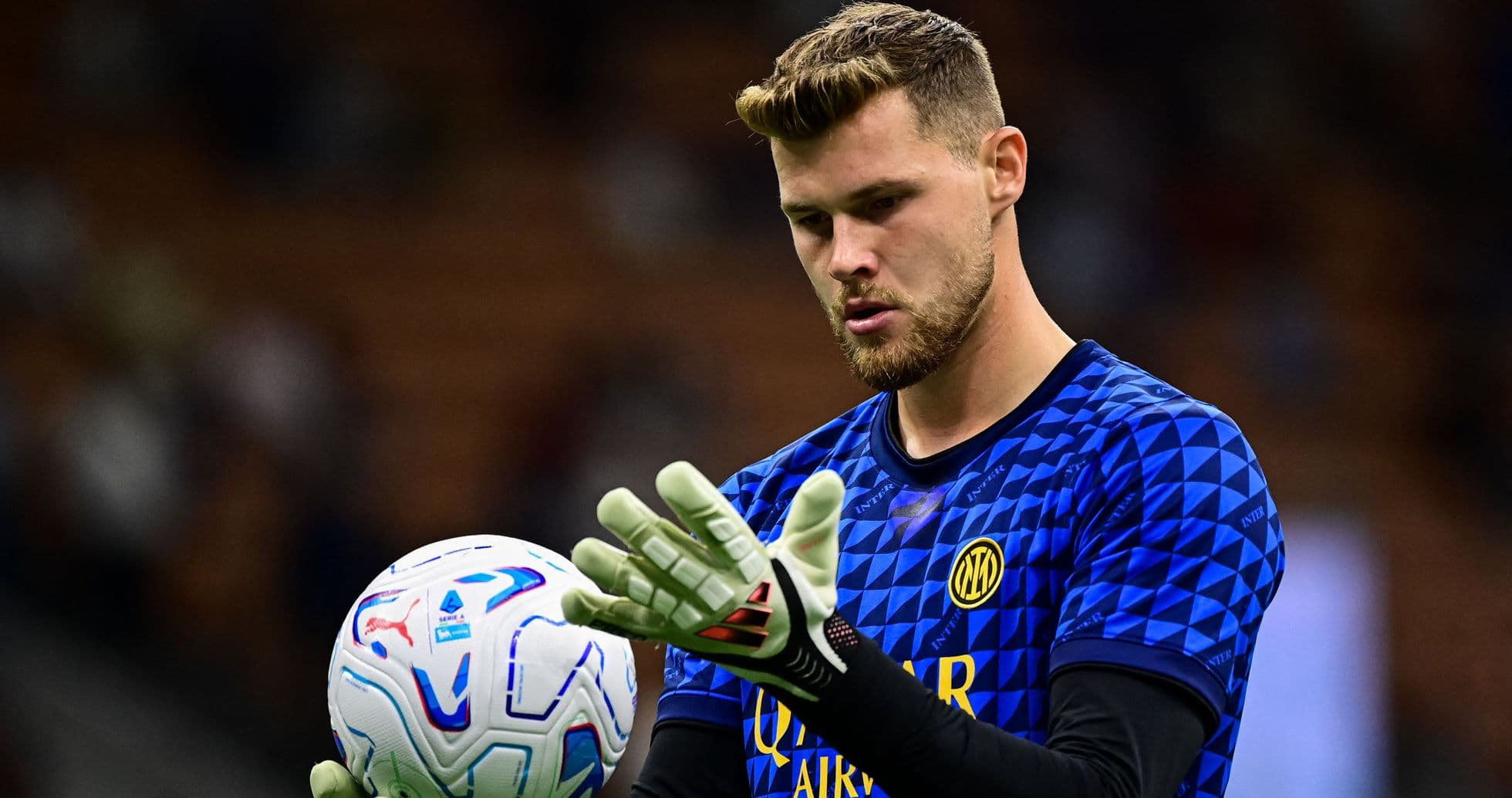
Inter's Josep Martinez Confident in Italy’s Potential to Bounce Back After World Cup Setbacks

Dean Huijsen Reflects on World Cup Snub After Spain’s 4-1 Win Over Croatia

Ivan Rakitic Reveals He Still Avoids Watching Croatia’s 2018 World Cup Final Loss to France
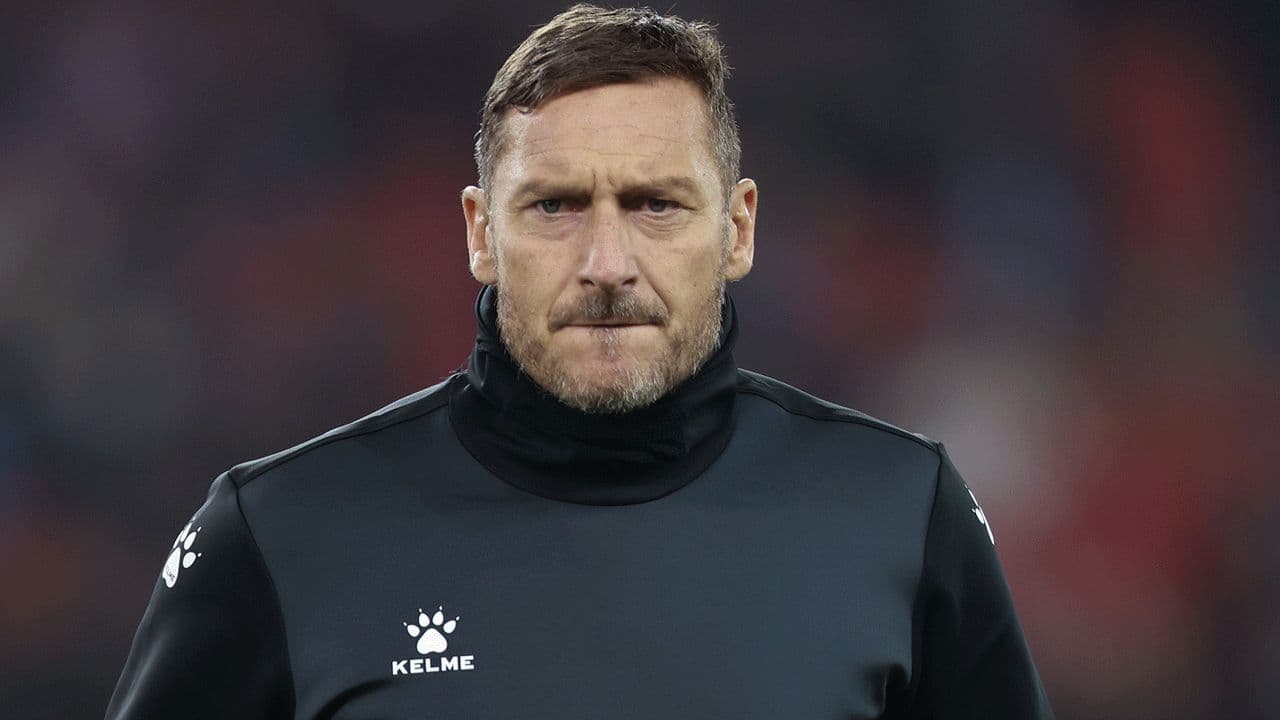
Francesco Totti Claims Italy's 2006 World Cup Win Owed to Him
Brazil's First Post-World Cup Friendly: What Should the Lineup Be?