
Germany vs Netherlands: Klopp and Xavi’s New Era in Amsterdam
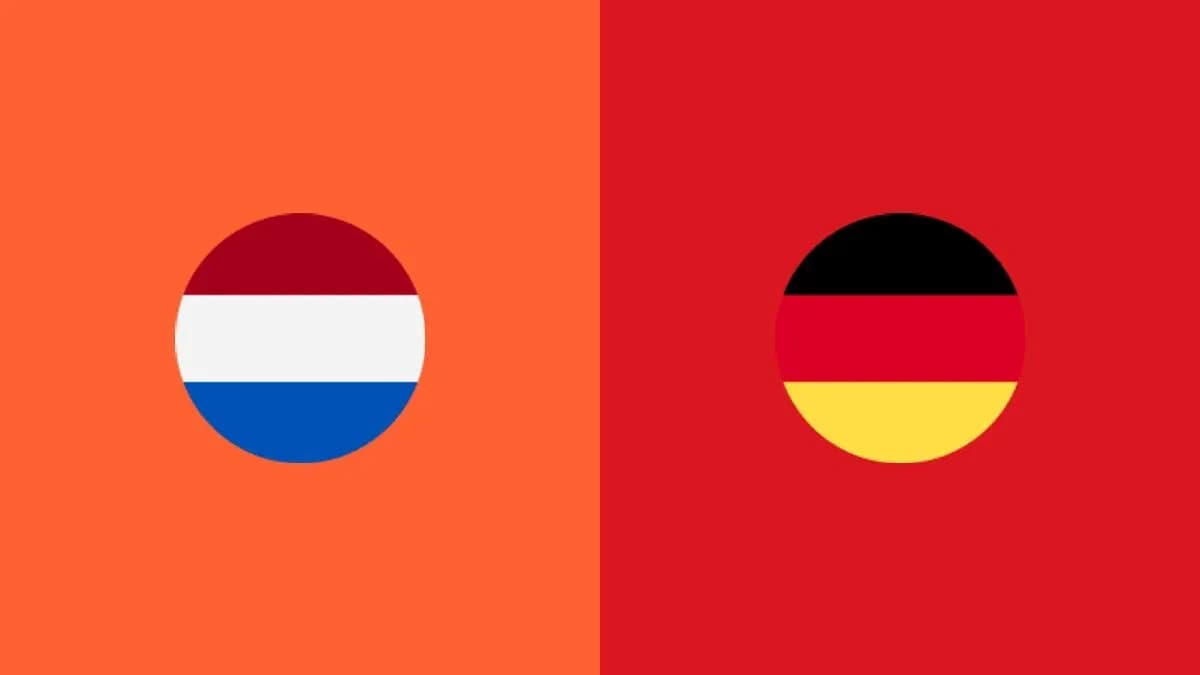
The Nations League rarely feels like a debut stage. This one does.
On 24 September 2026, at 14:45 EST (18:45 GMT), Netherlands and Germany meet in Amsterdam with two giants under fresh command, two dugouts packed with charisma, and two squads already reshaped by big calls.
Xavi’s first statement: Memphis out, Brobbey in
Xavi takes charge of the Netherlands after Ronald Koeman’s exit, a change triggered by that painful World Cup elimination to Morocco. His first major decision cuts straight to the heart of Dutch football: Memphis Depay, the country’s all-time record scorer, is out of the squad.
No gentle easing-in. No sentimental curtain calls.
Instead, Xavi leans into power and pace up front. Brian Brobbey leads the line, and the timing could not be sharper. The 24-year-old just hit a hat-trick for Sunderland in a wild 5-3 defeat to Manchester City and bullied Arsenal’s defence in another eye-catching display. He arrives as a centre-forward in form, and very much in the mood to scrap.
Behind him, the structure feels recognisably Dutch but with Xavi’s fingerprints all over it. The projected XI is bold:
Netherlands (4-3-3): Bart Verbruggen; Denzel Dumfries, Virgil van Dijk, Micky van de Ven, Nathan Ake; Ryan Gravenberch, Joey Veerman, Tijjani Reijnders; Jeremie Frimpong, Brian Brobbey, Cody Gakpo.
No injuries or suspensions are listed for the hosts, giving Xavi a clean slate and a full toolbox for his first competitive selection.
The shape screams intent. Dumfries and Ake pushing high, Van Dijk marshalling a quick back line with Van de Ven, and a midfield that can both pass and press. Out wide, Frimpong and Gakpo will stretch Germany, while Brobbey occupies centre-backs physically and relentlessly. It’s a front three designed to run at you, not wait for you.
Klopp’s Germany: high energy, hard reset
Across the technical area, a very familiar figure starts a very different chapter.
Jürgen Klopp, the Liverpool legend, now wears the Germany tracksuit. He replaces Julian Nagelsmann after another underwhelming World Cup, where Germany’s campaign ended with a 1-1 draw against Paraguay. That result followed a 7-1 demolition of Curaçao, a 2-1 win over Ivory Coast, and defeats to Ecuador and Paraguay in the knockouts. Thirteen goals scored, five conceded, but not enough control when it mattered.
Klopp’s response? Rip up the comfort zone.
He has named two separate 22-man squads to navigate four Nations League fixtures in September and October against Netherlands, Greece (twice) and Serbia. For the Amsterdam opener and the first Greece game, the group is a mix of established names, returning stars and fresh faces:
Marc-André ter Stegen, Alexander Nübel, Finn Dahmen, Hennes Behrens, Max Rosenfelder, Philipp Treu, Jonathan Tah, Nico Schlotterbeck, Nathaniel Brown, Josha Vagnoman, Yann-Aurel Bisseck, Joshua Kimmich, Nadiem Amiri, Yannik Engelhardt, Felix Nmecha, Anton Stach, Bambasé Conté, Kai Havertz, Chris Führich, Jamal Musiala, Lennart Karl, Younes Ebnoutalib, Serge Gnabry, Kevin Schade.
It’s unconventional. It’s aggressive. It’s very Klopp.
For Amsterdam, Germany are expected to line up in a 4-2-3-1 that leans on flexibility and pressing:
Germany (4-2-3-1): Alexander Nübel; Nathaniel Brown, Jonathan Tah, Nico Schlotterbeck, Joshua Kimmich; Felix Nmecha, Nadiem Amiri; Serge Gnabry, Lennart Karl, Jamal Musiala; Kai Havertz.
No injuries or suspensions are currently flagged for the visitors.
The most intriguing subplot comes in goal. Marc-André ter Stegen is back after serious injury, finally with a clear path to the number one shirt after years behind Manuel Neuer. Yet for now, he must dislodge Besiktas goalkeeper Alexander Nübel, who is tipped to start in Amsterdam. It sets up a very modern battle: the established world-class technician against the rising challenger trusted by a new coach.
Form, scars and momentum
Both teams arrive with fresh memories of World Cup frustration, but the recent numbers tell slightly different stories.
Netherlands have three wins, one draw and one defeat in their last five across all competitions. They scored 11 and conceded six in that run. The high point? A commanding 5-1 demolition of Sweden. The low? That 1-1 draw with Morocco which turned into elimination on progression terms. The pattern is clear: plenty of attacking punch, but the odd lapse at the back.
Germany’s recent record is more uneven in feel, if not in raw numbers: two wins, two defeats and that 1-1 against Paraguay which ended their tournament. Thirteen goals scored, five conceded across five games. When they click, they score in bunches. When they lose control, they pay for it.
One player cuts through the noise: Jamal Musiala. The Bayern Munich star comes in with three goal contributions in his last three club games, and he will be central to Klopp’s attacking blueprint. Drifting between the lines, linking with Havertz, feeding Gnabry – Musiala is the one Dutch defenders will not want facing them on the half-turn.
Head-to-head: fine margins, familiar tension
These two know each other well, and the recent head-to-head record only adds more edge.
Their last meeting, in October 2024, ended 1-0 to Germany in the Nations League. Before that, in September 2024, they served up a 2-2 draw in the same competition on Dutch soil. Across the last five clashes, Germany have won twice, Netherlands once, with two draws. Eleven goals in those five games, and very little to separate them when it matters.
Now the stakes return in UEFA Nations League Group 2. Germany sit top. Netherlands are third. The hosts need a positive result to close the gap and avoid watching the group slip away early.
Key absences and quiet opportunities
Both squads have taken late hits.
Justin Kluivert and Donyell Malen have withdrawn from the Dutch camp through injury, trimming Xavi’s attacking options from the bench. For Germany, Brajan Gruda is out, removing one more creative alternative for Klopp.
Yet the core remains strong on both sides. Van Dijk anchors the Dutch defence, with Ake and Van de Ven providing mobility and cover. Gravenberch, Veerman and Reijnders give Xavi a midfield that can keep the ball under pressure and still break lines.
Germany, for their part, lean on Kimmich’s intelligence from right-back, Schlotterbeck’s passing from the back, and Tah’s aerial strength. Higher up, Gnabry offers the familiar goal threat from wide, Havertz leads the line with his usual blend of movement and link play, and Musiala knits it all together.
A new chapter, same old rivalry
Strip away the tactical boards and selection debates and the picture is simple: two football nations trying to reset their identity, doing it in front of each other.
For Netherlands, this is Xavi’s first chance to show what his Oranje will look like without Memphis Depay as the attacking reference point. For Germany, it’s Klopp’s first real test of an experimental squad and a new emotional tone.
The Nations League doesn’t always feel like a turning point.
This one might.
Related News

Real Madrid's Valverde Suffers Serious Ankle Injury After El Clásico

Jarrad Branthwaite's Journey: Overcoming Injuries to Return to England Squad
Portugal Begins Nations League Defense Against Wales with Ronaldo in Focus

Matthijs de Ligt's Return to Fitness After Injury Setback

Gavi's Journey: From Injury to Fight for Minutes
Andros Townsend Survives Pitch Roller Accident and Leads Team to Victory