
Anthony Gordon’s Goal and England's Painful Collapse
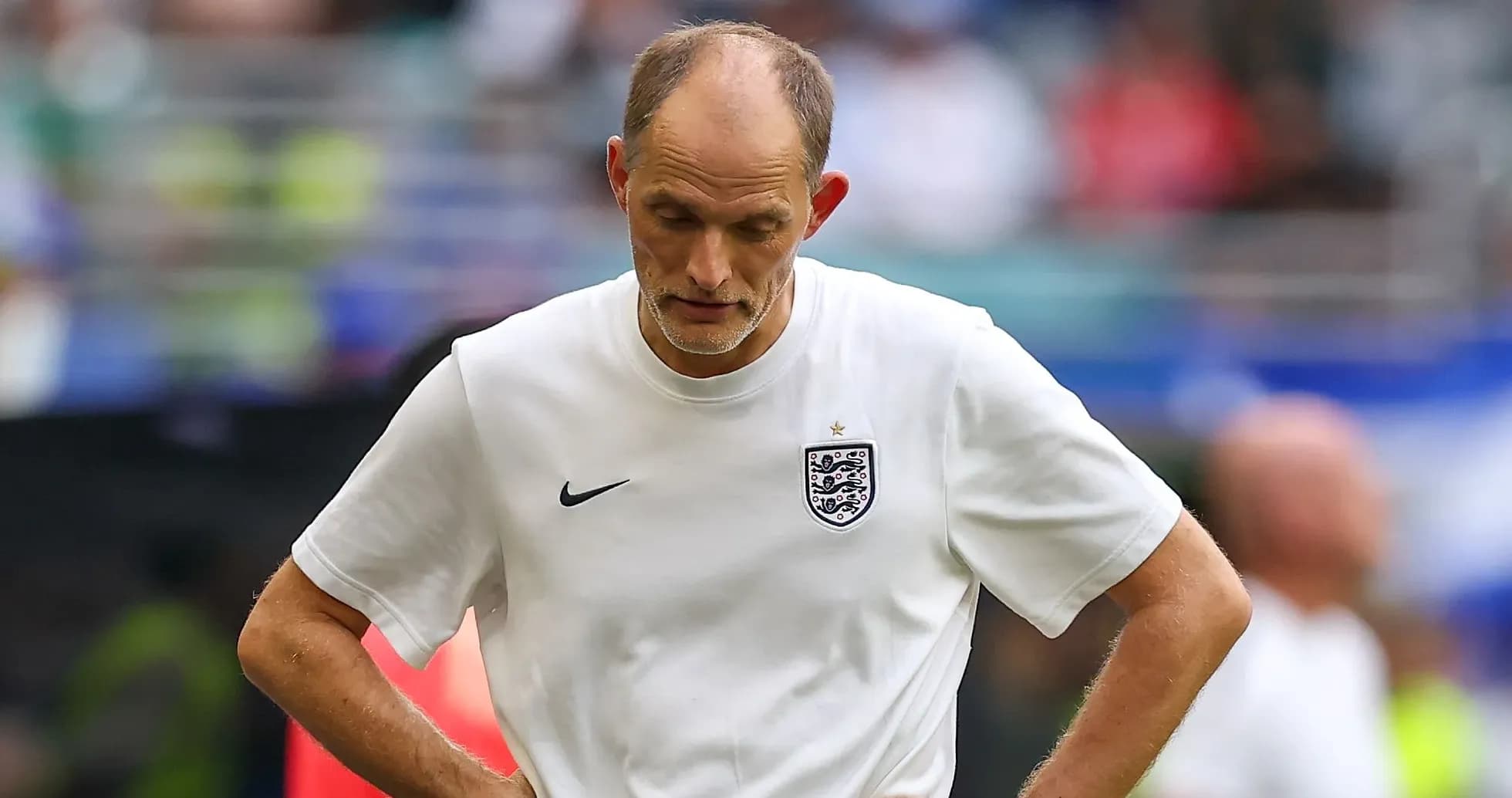
Anthony Gordon’s goal was supposed to be the launchpad. Instead, it became the prelude to one of the most painful collapses in recent England history.
The Three Lions led Argentina and had one foot in the next chapter of their World Cup story. Then the game flipped. Late. Brutally. And Thomas Tuchel now says it was his own hand on the lever.
From identity crisis to tactical regret
In the immediate aftermath, Tuchel pointed the finger at something deeper than shape or selection. He spoke about an English flaw, a national inability to keep the ball under pressure, a weakness in possession that he suggested ran through the country’s footballing DNA.
Now he has walked that back.
On the FA’s documentary Reflections: England's World Cup Journey, the England manager admits it was his tactical decision that opened the door for Argentina’s comeback. He read the mood, the fatigue, the occasion – and drew the wrong conclusion.
He saw a team drained by a brutal schedule: Congo, Miami, Norway, then Mexico and altitude. Time zones, travel, and tension rolled into one. Convinced his players were running on fumes, he pulled them back into a defensive shell.
He went to a back five. A 5-4-1. And Argentina took control.
“I thought we will not survive. This is death,” Tuchel recalled of the moment the fear gripped him after conceding a chance just before a water break. “OK, let’s change to a back five, a 5-4-1. It was too early for that mindset. We were super tired.”
The retreat invited pressure. Argentina didn’t hesitate.
A match he still can’t watch
Time has not dulled the sting.
Tuchel admits he has never been able to sit through the full 90 minutes of that defeat. Only recently did he force himself to revisit short clips with his staff at St George’s Park.
“Agony of epic proportions. I watched the clips with my coaches just last week when we were at SGP,” he said. “My mind always works forward, forward. Painful. I see it now for the first time from the commentators’ point of view. It’s my scar, the players’ scar, I have to live with it. No-one is hurt more than me. It is torture.”
The word hangs there: torture. Not just because of the result, but because he now sees how his own fear seeped into the team.
The tackle that turned the tide
For Tuchel, the game didn’t just swing on a goal or a set piece. It turned on a tackle.
He felt England had done “quite well” in the first half. The match felt even. His side were in it, composed, competitive. Then the second half began, and with it came what he calls “the famous tackle of Djed Spence.”
From that moment, he says, everything changed.
“From the start of the second half, I saw a change,” Tuchel explained. “The famous tackle of Djed Spence. And it did something to me, it did something to the players and it was a shift in the mindset. We played like we had four minutes left but there was half an hour left.”
England stopped playing the game in front of them and started playing the clock. They clung to brotherhood, mentality, individual talent – the intangibles that had carried them so far. Argentina matched all of it and added something else: speed, freedom, nothing to lose.
“We relied on our brotherhood, our mentality. Individual quality,” Tuchel said. “Argentina have that as well - brotherhood, mentality, they bring it all to the table and it means the world to them. Argentina played very, very quickly. They had nothing to lose.”
The pressure finally told. England, pinned back in their own half, saw their lead and their composure ripped away.
A scar and a lesson
Tuchel doesn’t hide from the outcome, but he refuses to let the story end with Argentina’s late surge. He points to the way England responded, dragging themselves back together to secure a third-place finish against France.
“You learn as a coach. You have to play as if it is 0-0. That includes me as well,” he said. “I have a lot of people who want to see my medal. We did not achieve what we wanted. But I am still very proud of what we achieved. These players will come back hungry.”
The scar remains. So does the medal. One is a reminder of what slipped away. The other, of how close this England side already is – and how much more dangerous they might become if their manager’s most painful lesson really sticks.
Related News
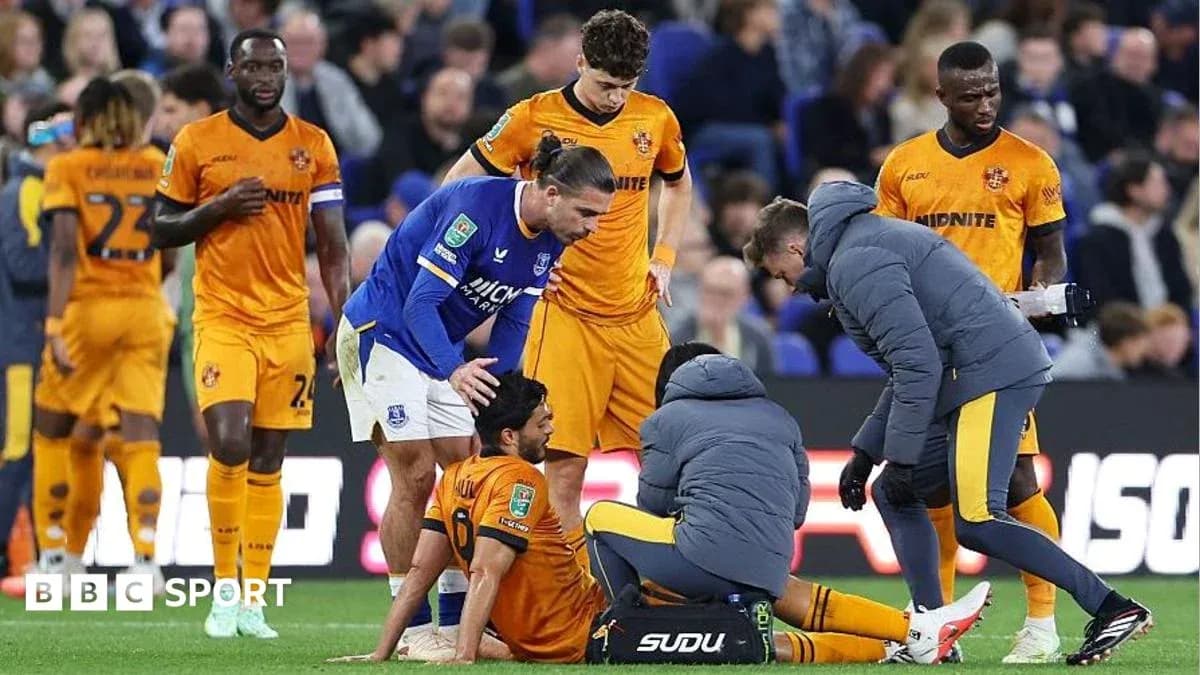
Wolves Face Derby Blow as Raul Jimenez Injured Ahead of Black Country Clash

Cardiff City Welcomes Dylan Lawlor Back Against Charlton
Anthony Gordon’s Goal and England's Painful Collapse

Millwall vs West Ham: The Dockers Derby Showdown
Romeo Lavia: From Injury Struggles to Chelsea Midfield Star
Klopp Leaves Undav Out of Germany Squad – Fitness Concerns