
Ibrahim Mbaye: Youngest African to Score at FIFA World Cup
There is a version of 16 June 2026 that the cameras barely notice.
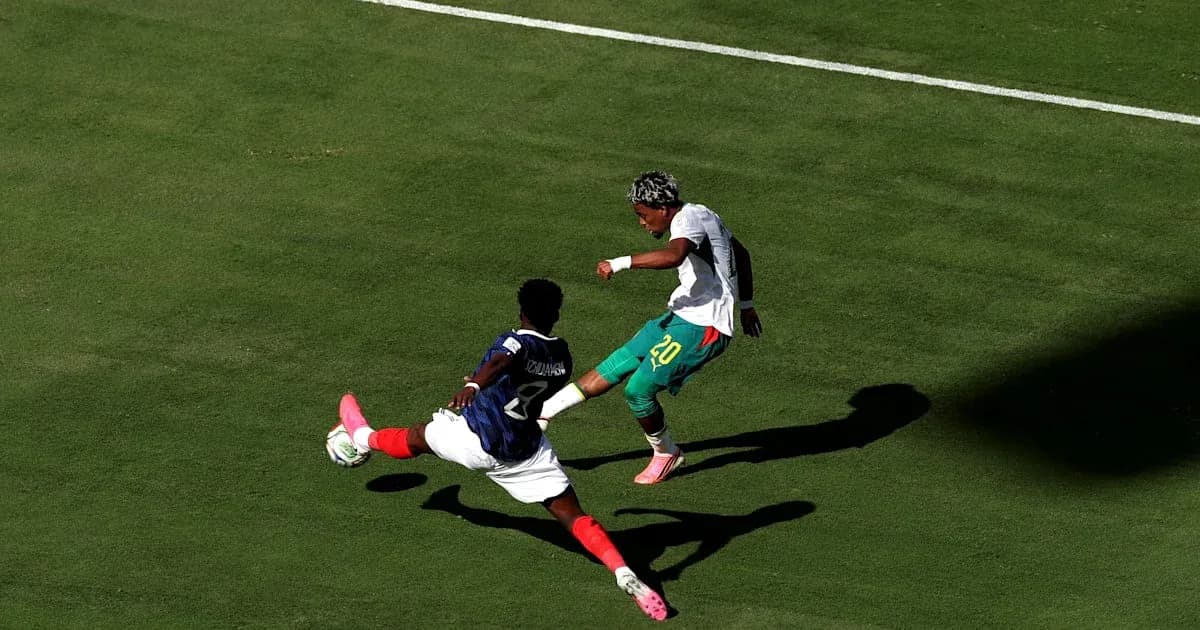
France 3, Senegal 0. Eighty-five minutes gone at MetLife Stadium, the noise fading, the contest already filed away as routine. Then a teenager steps off the bench for a beaten side, and behaves as if the scoreline doesn’t apply to him.
Ibrahim Mbaye takes the ball on the right. One touch to square up Théo Hernandez, a feint, a roll of the foot that sends the full-back drifting the wrong way. The angle is tight, the clock is almost out, but the finish is ruthless: low, drilled, past Mike Maignan and into the far corner.
Minute 95. France 3, Senegal 1.
On the night, it changes nothing. In the record books, it changes everything.
At 18 years and 143 days, Mbaye becomes the youngest African ever to score at a FIFA World Cup, stripping a record from his compatriot Moussa Wagué, set in 2018. Pull the lens wider and the company becomes rarer still: only Pelé, Mexico’s Manuel Rosas, and Spain’s pair of prodigies Gavi and Lamine Yamal have scored younger on this stage.
C’est du sérieux. This is serious business. And Mbaye has been doing serious business for a while.
Books, then Ballon d’Or dreams
Rewind ten months. Paris Saint-Germain are preparing for a Ligue 1 trip to Marseille. The squad boards the plane. Mbaye, 17, is nowhere near the departure gate.
He is sitting his baccalauréat, the academic rite of passage every French teenager must clear before the state calls them educated. While his team-mates stretch and tape ankles, he is working through equations and essays. Only once the exam papers are handed in does he travel down to join them, arriving in time for an 8pm kick-off.
For most players, that would be the story you tell for the rest of your life. For Mbaye, it was just another day that had to be managed.
This is exactly how PSG’s academy wants it. The production line that has already delivered Warren Zaïre-Emery and Senny Mayulu to the first team treats the classroom as seriously as the training pitch. Academy director Yohan Cabaye cites a 95 per cent baccalauréat pass rate among the club’s youngsters and sees academic rigour as part of their football education, not a distraction from it.
In Mbaye, that philosophy has its clearest proof. The nutmeg and finish against France was not a flash of chaos. It was a problem calmly solved in real time, the same kind of controlled execution you would expect from someone who walks into an exam hall or a World Cup stoppage-time chance with the same heartbeat.
A Paris kid who chose Senegal
Mbaye grew up in Trappes, the Paris suburb that once shaped Nicolas Anelka and has long fed French football’s talent machine. His father is Senegalese, his mother Moroccan. His entire youth career ran through France’s age-group sides, and inside the federation there was little doubt: this was one for Les Bleus.
Then, in November 2025, he chose differently.
He committed to Senegal. No tug of war, no late arm-twisting. The decision was his, and it came from somewhere deeper than career planning. “I will never regret choosing to play for Senegal because it was a decision from the heart,” he told Senegalese broadcaster RTS after lifting the Africa Cup of Nations trophy in January, having navigated the tournament as a teenager among seasoned professionals. Months later, looking back again, he did not soften the message: “If only you knew… it’s the best decision I’ve ever made in my life. The Senegalese have such huge hearts; it’s incredible.”
That is what gave his goal against France its sting, and its poetry. A boy raised in the Paris banlieues, polished in the country’s most prestigious academy, scoring his first World Cup goal against the very nation that schooled him — but doing it in Senegal green.
Quelle histoire. A script so neat that if you pitched it in a writers’ room, it might be thrown out.
Numbers that belong to a veteran
Strip away the romance and look at the timeline. It reads like a player a decade older.
Mbaye made his Ligue 1 debut at 16 years, 6 months and 23 days, becoming PSG’s youngest-ever league starter and taking a record from Zaïre-Emery. He signed his first professional contract in February 2025 and scored his first senior goal within weeks. By August, he had become the youngest Frenchman to appear in a UEFA Super Cup, overtaking a mark set by Ryan Giggs back in 1987.
In May 2026, deep into stoppage time away at Lens, it was his goal that sealed PSG’s 14th Ligue 1 title.
For Senegal, the milestones have come just as fast. A debut against Brazil in November 2025. A first international goal three days later, on his second cap. The youngest player ever to feature at the Africa Cup of Nations in December, then, a month on, the youngest AFCON goalscorer in his country’s history as Senegal went on to lift the trophy before CAF later ruled to award the victory to Morocco after the match.
The record-keeping may be complicated; the output is not. Four goals in twelve caps before his nineteenth birthday is a statement in any language, and the comparisons with Kylian Mbappé no longer feel lazy.
What coaches talk about most, though, is not the numbers. It is his brain. His ability to know when to carry, when to release, when to slow the game and when to rip it open. His decision-making belongs to someone with hundreds of senior matches behind them.
That, again, is discipline. Mbaye does not need twenty touches to leave a mark. Sometimes he needs just one.
“Mbaye is world class, and he is ours, he did not choose France – he chose Gaindeyi,” Senegalese journalist Wahany Johnson Sambou told Olympics.com in January, invoking the Wolof nickname for the national team. “He’ll do great things, just watch.”
Dakar, then LA: the Olympic thread
Senegal’s Olympic football story is still a slim volume. One men’s tournament appearance, at London 2012, was enough to showcase Sadio Mané, Idrissa Gueye and Cheikhou Kouyaté to a wider audience, but the nation has not returned to the Games since.
That may be about to change.
This October, Dakar will host the Youth Olympic Games, placing Senegal at the centre of the Olympic map. There is a sense, quietly growing, that this is a country whose wider Olympic moment — football included — is arriving.
Mbaye, born in January 2008, will be 20 when the Games reach Los Angeles in 2028. That is prime age for an Under-23 tournament that has already helped launch Lionel Messi, Neymar and Mohamed Salah onto even bigger stages. Olympics.com has already highlighted him as one of Africa’s brightest prospects for LA 2028. You do not have to squint to see why.
The appeal is not just the medals already on his shelf. It is the temperament behind them. The same clarity that allowed him to sit a baccalauréat exam on a matchday morning, then fly out and perform, is the same composure that carried him through the 95th minute of a World Cup opener against the world champions.
For now, Mbaye simply keeps doing what he has always done: arrive early to moments that were supposed to belong to his future.
The rest of the world is only just catching up.
Related News
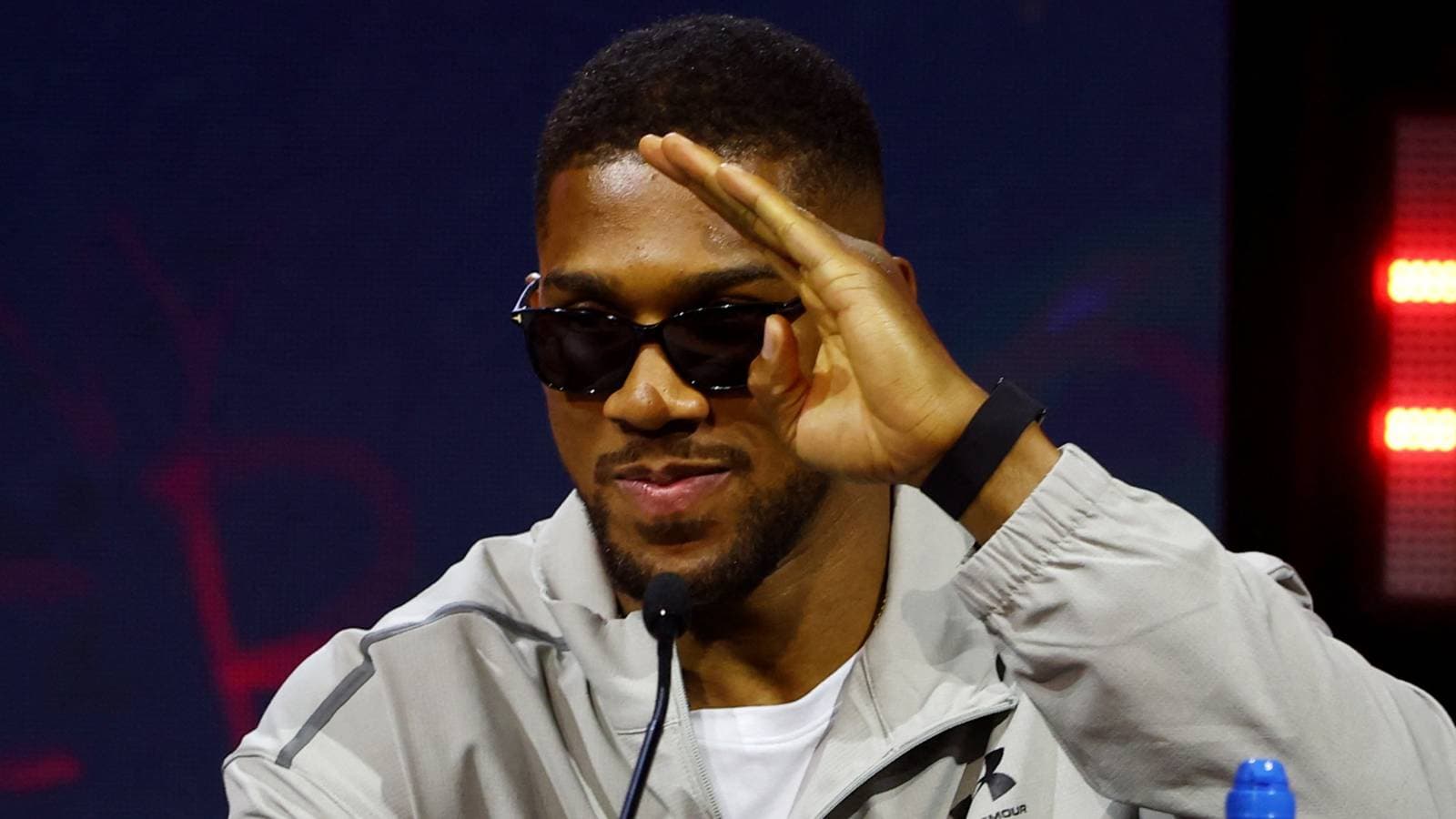
Anthony Joshua Names Murat Gassiev as Next Opponent if He Defeats Tyson Fury
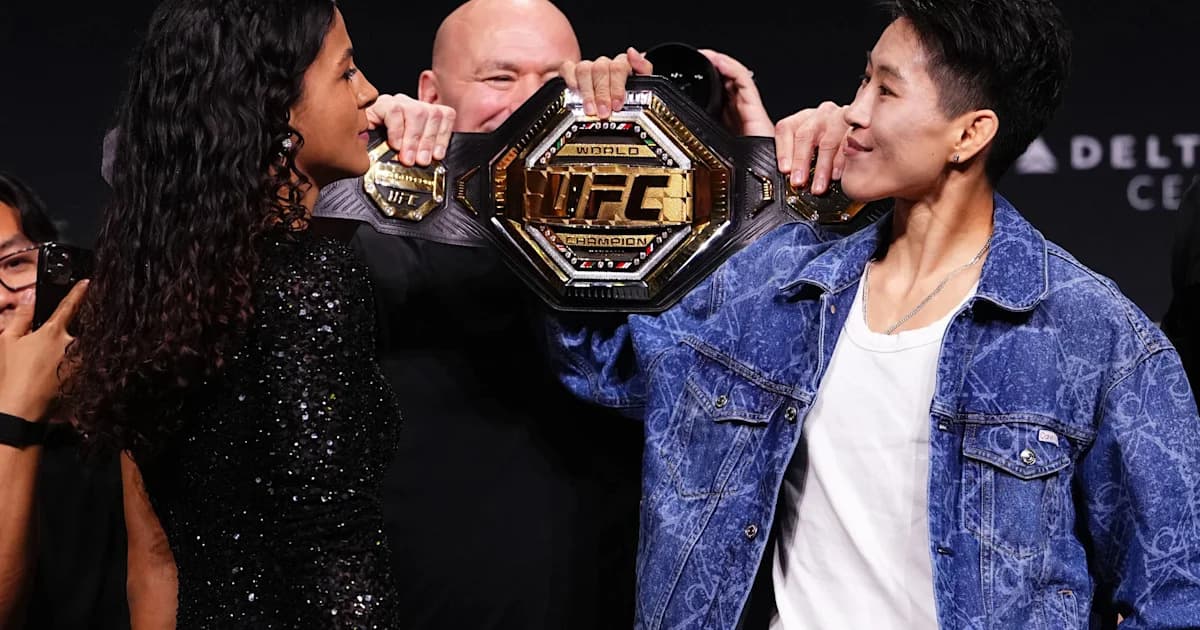
UFC 332: Start Time and Fight Highlights for Natalia Silva vs. Wang Cong
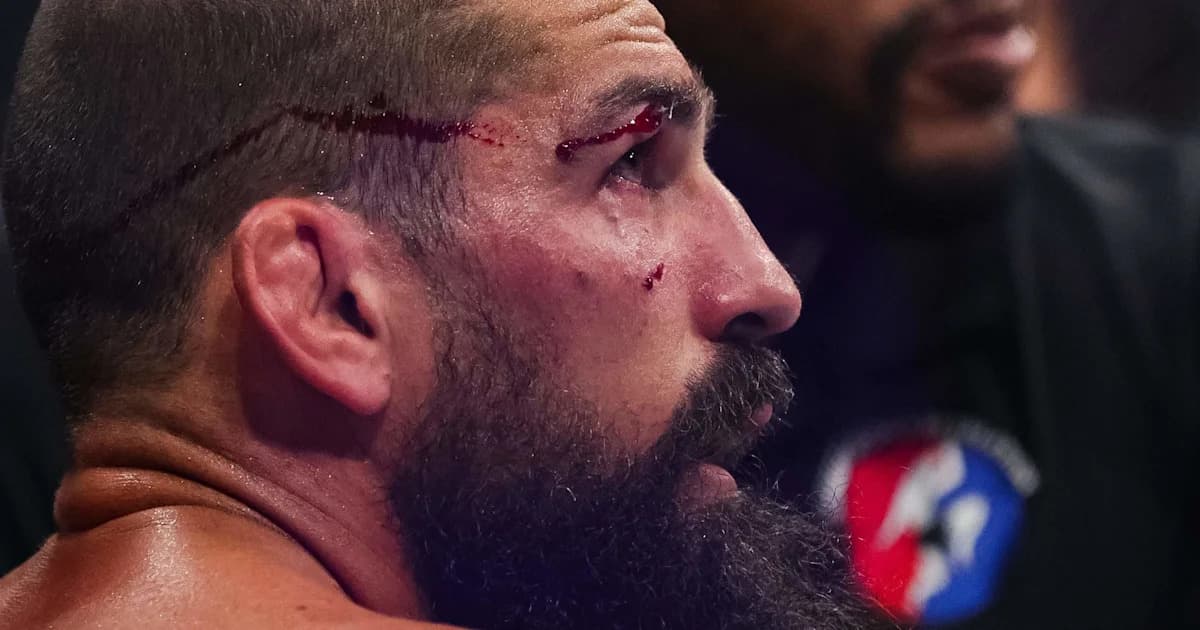
Court McGee Opens Up About Choosing UFC 332 as His Final MMA Fight
WBC Orders Lightweight Title Unification: William Zepeda vs Jadier Herrera
BCCI Pension List: Monthly Payments to Retired Indian Cricketers in 2025
Why Fury vs Joshua Is Set for Cardiff, and Dua Lipa’s Unexpected Role