
Iran and New Zealand Draw 2-2 in Group G Clash
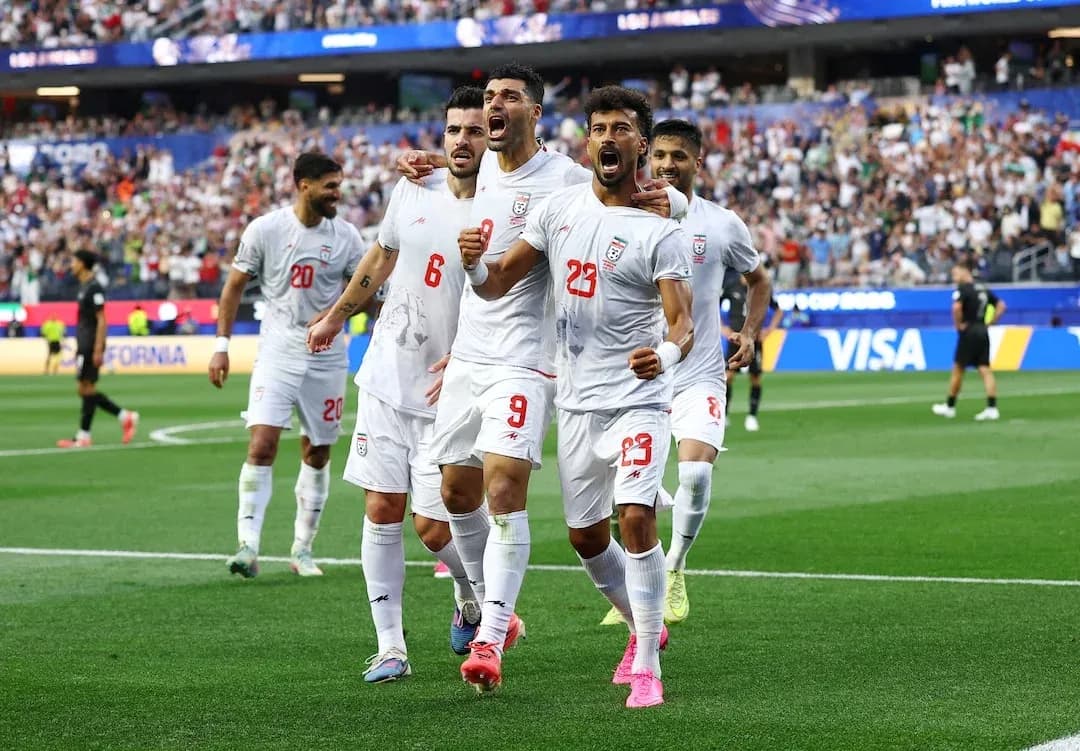
Iran 2-2 New Zealand at SoFi Stadium opened Group G with a high-tempo draw that leaves both sides on two points from two games, New Zealand top on goal difference and Iran second. Iran twice came from behind to secure a result that keeps them firmly in the Round of 32 qualification places, while New Zealand’s attacking edge was offset by defensive lapses that prevented them from taking control of the group.
Match Report
The game ignited early. In the 7th minute New Zealand struck first with a direct move: New Zealand goal — E. Just (assisted by C. Wood). Wood’s movement across the front line dragged the defence out of shape, and his service allowed Just to finish, putting New Zealand 1-0 up.
Iran responded by pushing their full-backs higher and increasing the volume of crosses. The pressure told in the 32nd minute: Iran goal — R. Rezaeian (unassisted). The right-back stepped inside and finished himself, capitalising on second-phase pressure rather than a crafted assist to level the game at 1-1.
At half-time the score remained 1-1, and Iran moved first after the interval. In the 46th minute, M. Ghaedi replaced A. Yousefi (Iran), a clear attempt to inject more attacking flair from wide areas. Seven minutes later, in the 53rd minute, A. Alipour replaced S. Moghanlou (Iran), adding fresh legs up front.
New Zealand punished Iran almost immediately after that attacking reshuffle. In the 54th minute: New Zealand goal — E. Just (assisted by C. Wood). Once again the Wood–Just axis combined, Wood providing the link and Just timing his run to restore New Zealand’s lead at 2-1.
Iran refused to fold and continued to funnel play through their right side. In the 64th minute they equalised again: Iran goal — M. Mohebi (assisted by R. Rezaeian). Rezaeian, already on the scoresheet, delivered from the flank and Mohebi arrived to convert, making it 2-2 and underlining Iran’s growing threat from wide areas.
Iran then made a more conservative adjustment in midfield. In the 65th minute, E. Hajsafi replaced S. Ghoddos (Iran), adding experience and balance to protect against New Zealand transitions.
New Zealand answered with a triple change aimed at refreshing their flanks and full-back line. In the 68th minute, B. Old replaced L. Cacace (New Zealand), and R. Thomas replaced C. McCowatt (New Zealand), signalling a desire for more dynamism down the left and creativity between the lines. Later, in the 78th minute, C. Elliot replaced T. Payne (New Zealand), maintaining energy in the right-back channel.
Iran’s final attacking roll of the dice came in the 80th minute when A. Hosseinzadeh replaced M. Taremi (Iran), a like-for-like change to sustain pressing intensity in the forward line rather than alter shape.
As tensions rose late on, discipline became an issue for Iran. In the 89th minute, E. Hajsafi (Iran) — yellow card (Tripping) — was booked for a late challenge, reflecting the strain of defending transitions as New Zealand pushed for a winner.
In added time New Zealand refreshed central zones but could not find a decisive goal. At 90+2', J. Randall replaced S. Singh (New Zealand), and simultaneously T. Bindon replaced M. Stamenic (New Zealand), moves that slightly rebalanced their structure but arrived too late to change the 2-2 outcome.
Fixture Statistics & Tactical Audit
- xG: Iran 1.5 vs 1.24 New Zealand
- Possession: Iran 48% vs 52% New Zealand
- Shots on Target: Iran 4 vs 8 New Zealand
- Goalkeeper Saves: Iran 6 vs 2 New Zealand
- Blocked Shots: Iran 5 vs 2 New Zealand
The 2-2 scoreline broadly aligned with the underlying numbers, with Iran’s slight edge in xG (1.5 vs 1.24) reflecting the quality of their chances despite New Zealand producing more shots on target (8 vs 4). New Zealand’s higher possession share (52%) and cleaner passing (85% completion vs Iran’s 77%) underline how they controlled large stretches of the ball, but Iran’s structure without possession was resilient, illustrated by their five blocked shots and six saves from Alireza Beiranvand mirroring New Zealand’s on-target volume. Iran’s attacks were more selective but efficient, especially down the right, while New Zealand’s repeated use of the Wood–Just combination generated good looks without translating into a winning margin.
Standings Update & Seasonal Impact
With this draw, Iran move to two points from two matches in Group G, with four goals scored and four conceded, leaving their goal difference unchanged at 0. That keeps them in second place within the Round of 32 qualification zone, but with little margin for error given the tightness of the group. New Zealand also advance to two points, with four goals for and four against and a goal difference of 0, maintaining top spot in the group on ranking criteria. Both sides remain firmly on course for the Round of 32, yet the shared points also ensure that qualification will likely hinge on fine details in the final group fixtures.
Lineups & Personnel
Iran Starting XI
- GK: Alireza Beiranvand
- DF: Ramin Rezaeian, Shoja Khalilzadeh, Ali Nemati, Milad Mohammadi
- MF: Mohammad Mohebi, Saman Ghoddos, Saeid Ezatolahi, Aria Yousefi
- FW: Shahriar Moghanlou, Mehdi Taremi
New Zealand Starting XI
- GK: Max Crocombe
- DF: Tim Payne, Finn Surman, Michael Boxall, Liberato Cacace
- MF: Joe Bell, Marko Stamenic, Callum McCowatt, Sarpreet Singh, Elijah Just
- FW: Chris Wood
Post-Match Verdict
This was an attacking, evenly poised contest in which both teams showed clear strengths and clear flaws. Iran were notably clinical in their chance creation from wide areas (1.5 xG from only 4 shots on target), leveraging Rezaeian’s dual role as scorer and provider and showing resilience to come from behind twice. Their defensive block, while breached by the same Wood–Just pattern twice, still absorbed sustained pressure, as evidenced by 5 blocked shots and 6 saves. New Zealand were offensively proactive and at times dominant in possession (52% with 85% pass accuracy) and volume of efforts (8 shots on target), but their inability to protect leads and to convert territorial control into a decisive xG advantage (only 1.24) exposed a vulnerable game management phase. Tactically, Iran will be encouraged by their efficiency and mentality, while New Zealand leave with proof of their attacking threat but also a clear need to tighten defensive organisation when ahead.
Related News
Brazil's First Post-World Cup Friendly: What Should the Lineup Be?
Harry Kane Calls England’s World Cup Exit to Argentina His Deepest International Pain
Estevao Opens Up on World Cup Heartbreak and His Unexpected Return to Brazil Under Ancelotti

Thomas Tuchel Shares Unusual Regret After England's 10-Man World Cup Victory Over Mexico

South Korea Names Robert Moreno as Interim Coach After World Cup Exit

Jude Bellingham Returns to Form at Real Madrid Following World Cup Success