
Iran vs New Zealand: Tactical Analysis of the 2-2 Draw
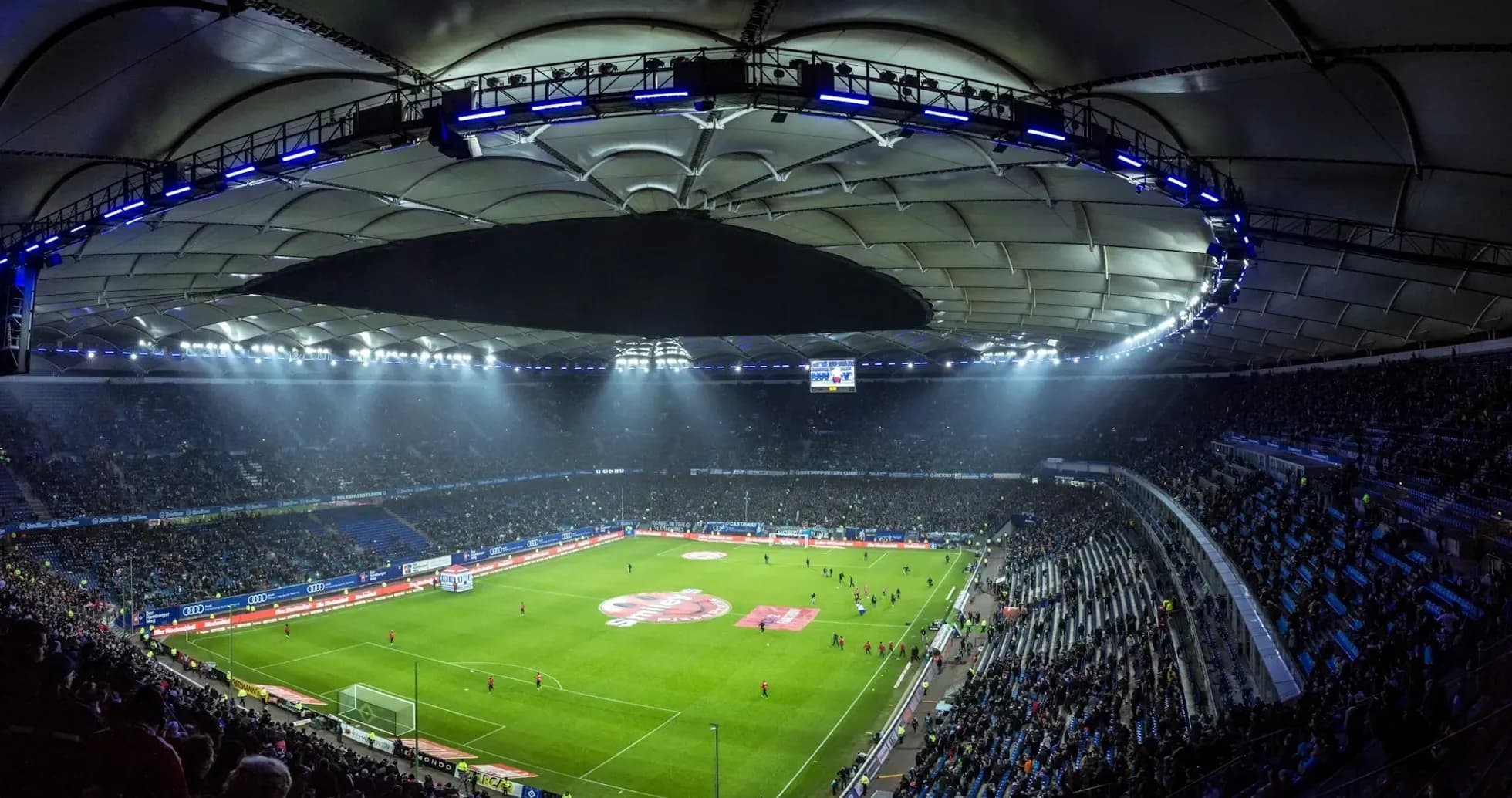
Iran and New Zealand produced a tactically balanced 2-2 draw at SoFi Stadium, a game that swung between Iran’s structured 4-4-2 and New Zealand’s more flexible 4-2-3-1. The scoreline reflected a contest where New Zealand controlled marginally more of the ball and created the cleaner chances, while Iran relied on width, crossing and set patterns from their full-backs and wide midfielders to stay level.
Amir Ghalenoei’s Iran set up in a classic 4-4-2 with Alireza Beiranvand in goal behind a back four of Milad Mohammadi, Ali Nemati, Shoja Khalilzadeh and Ramin Rezaeian. The double pivot of Saeid Ezatolahi and Saman Ghoddos was flanked by Aria Yousefi and Mohammad Mohebi, with Shahriar Moghanlou and Mehdi Taremi leading the line. The structure was clear: Ezatolahi held in front of the centre-backs to protect against Chris Wood’s presence, while Ghoddos stepped higher between the lines to link play.
New Zealand, under D. Bazeley, built in a 4-2-3-1 with Max Crocombe in goal, Tim Payne and Liberato Cacace as full-backs, and Finn Surman plus Michael Boxall at centre-back. Joe Bell and Marko Stamenic anchored midfield, with a fluid trio of Elijah Just, Sarpreet Singh and Callum McCowatt supporting Wood. This gave New Zealand a natural overload in the central corridor against Iran’s two central midfielders, especially when Singh drifted inside from the right.
That structural advantage showed in New Zealand’s chance quality. They generated 8 shots on goal from 14 total attempts and finished with an xG of 1.24, reflecting the clarity of their opportunities, particularly early in each half. Their 52% possession was not sterile; instead, it was used to progress patiently through Bell and Stamenic before finding Just and Singh between Iran’s midfield and defence. The opening goal at 7 minutes, finished by E. Just from a C. Wood assist, was emblematic: Wood’s movement pinned the centre-backs, freeing Just to attack the half-space.
Iran responded by pushing their full-backs higher, especially Rezaeian on the right. That adjustment tilted the shot volume in their favour: 17 total shots, with 10 from inside the box, but only 4 on goal. Their xG of 1.5 suggests the shot locations were decent, yet the finishing and final decisions were less efficient than New Zealand’s. The wide midfielders, Yousefi and Mohebi, often tucked in to allow the full-backs to overlap, creating 2v1 situations against Cacace and Payne. Iran’s first goal, scored by R. Rezaeian at 32 minutes, underlined how the right-back was effectively an auxiliary winger.
Second Half Adjustments
In the second half, Ghalenoei’s substitutions were clearly tactical rather than fitness-driven. At 46 minutes, M. Ghaedi (IN) came on for A. Yousefi (OUT), injecting more direct dribbling and vertical threat from the flank. This shifted Iran towards a slightly asymmetrical 4-2-3-1 in possession, with Ghaedi playing higher and narrower. At 53 minutes, A. Alipour (IN) replaced S. Moghanlou (OUT), adding more mobility and pressing intensity up front to disrupt New Zealand’s build-up.
New Zealand’s response was to refresh their wide and defensive lines without altering the base shape. B. Old (IN) for L. Cacace (OUT) at 68 minutes and R. Thomas (IN) for C. McCowatt (OUT) at the same time suggested a desire to maintain energy in the wide channels and protect against Iran’s growing wing threat. Later, C. Elliot (IN) for T. Payne (OUT) at 78 minutes continued that theme, ensuring full-back legs stayed fresh against overlapping runs and late crosses.
The key attacking pattern for Iran became clear around the hour mark: build through Ezatolahi, switch wide to Rezaeian, and then look for late runs from Mohebi or the second striker. The 64th-minute equaliser by M. Mohebi, assisted by Rezaeian, was a textbook example of this mechanism. Before that, New Zealand had regained the lead at 54 minutes through another E. Just goal from a C. Wood assist, again exploiting the spaces around Iran’s back line when the full-backs were caught high.
Control Phases
In terms of control phases, New Zealand’s 446 passes, with 377 accurate at 85%, indicate a more secure possession game compared to Iran’s 405 passes, 312 accurate at 77%. Bell and Stamenic’s calm distribution underpinned this, allowing the All Whites to recycle the ball and choose their moments to penetrate. Iran, by contrast, accepted a slightly lower pass accuracy in exchange for more verticality and risk, especially once Ghaedi and later Ehsan Hajsafi entered the pitch.
Discipline and defensive management also shaped the closing stages. Iran committed 10 fouls to New Zealand’s 8, a reflection of their need to break up transitions once their full-backs had advanced. The only card of the match came at 89 minutes: E. Hajsafi (Iran) — Tripping. This late yellow was consistent with Iran’s increasingly aggressive attempts to prevent New Zealand counter-attacks as legs tired and the game stretched.
In goal, Alireza Beiranvand (Iran) was heavily involved, making 6 saves, a figure that aligns with New Zealand’s 8 shots on goal and underlines how often their attacks reached the final action. His shot-stopping kept Iran in the game, particularly around the moments when New Zealand’s central overloads produced clean looks at goal. At the other end, Max Crocombe (New Zealand) faced fewer on-target efforts, registering 2 saves despite Iran’s 17 total shots. That discrepancy highlights Iran’s wastefulness in turning volume into true threats, as many of their efforts were either blocked (5) or off target (8).
Set-Piece Management
Set-piece and box management further emphasised the contrast in defensive approaches. Iran’s 4 corner kicks to New Zealand’s 1 show how sustained pressure, especially via wide play, translated into territorial gains. Yet New Zealand’s centre-backs, Boxall and Surman, generally defended their box well, limiting the number of clean headers and forcing Iran into lower-quality shooting angles. Conversely, Iran’s back line occasionally struggled to track secondary runners like Just from deep, which is reflected in New Zealand’s 10 shots inside the box from only 14 total attempts.
The expected goals numbers — 1.5 for Iran and 1.24 for New Zealand — suggest a match where Iran very slightly edged chance quality on volume, while New Zealand were more clinical and direct. Both goalkeepers’ goals prevented figures at -0.2 indicate that neither significantly outperformed xG in shot-stopping terms; the finishing and defensive structures were more decisive than any individual goalkeeping heroics.
Ultimately, the 2-2 draw encapsulated a clash of styles: Iran’s structured, wing-focused 4-4-2 against New Zealand’s possession-based 4-2-3-1 built around central overloads and the Wood–Just axis. Iran’s higher shot volume, greater corner count and use of full-backs as primary attacking outlets were balanced by New Zealand’s superior passing accuracy, more efficient shot selection and repeated exploitation of the half-spaces. From a tactical perspective, both sides left SoFi Stadium with clear strengths confirmed — and equally clear adjustments to consider before the next Group Stage fixture.
Related News

Brazil's First Post-World Cup Friendly: What Should the Lineup Be?
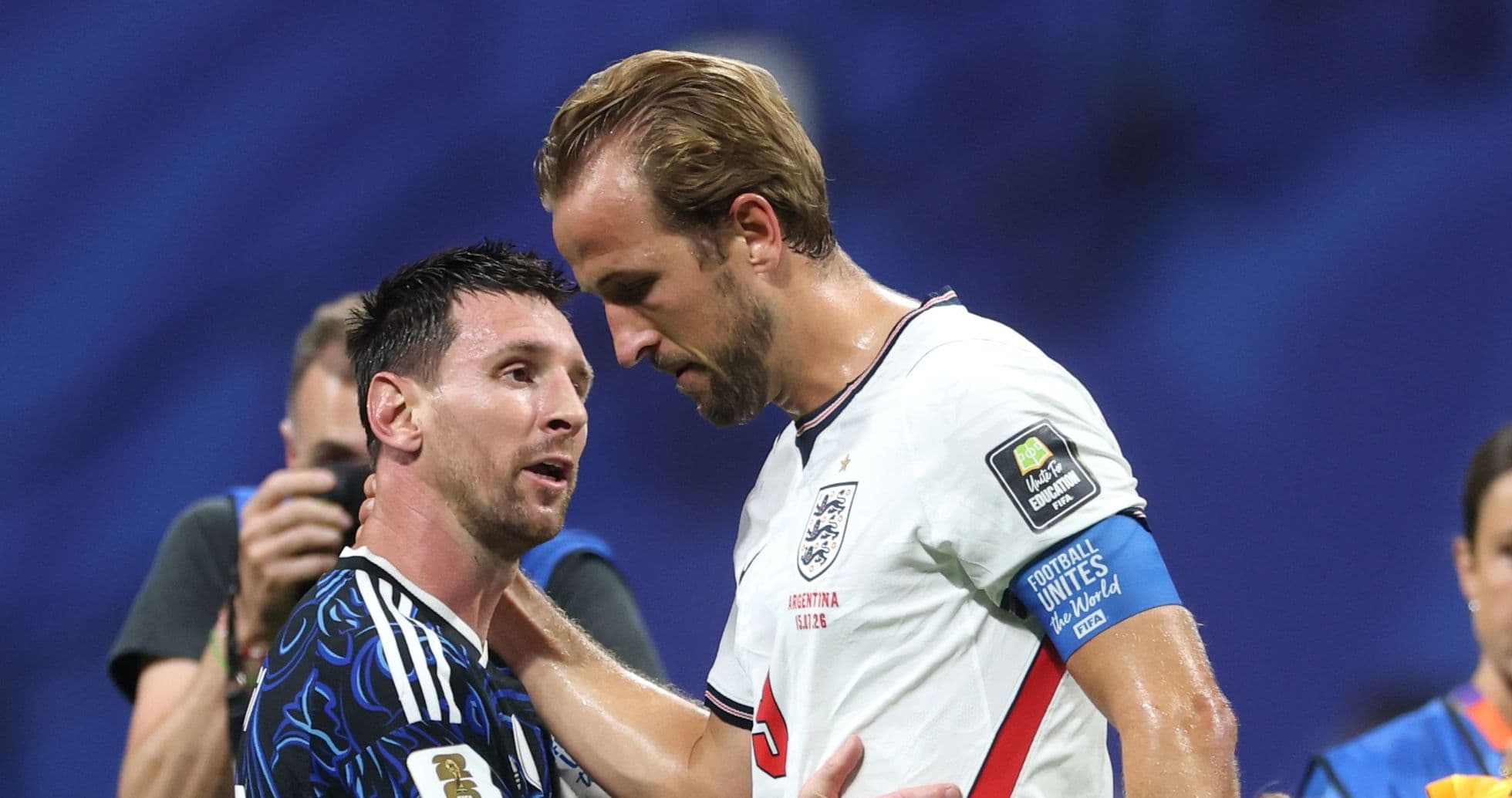
Harry Kane Calls England’s World Cup Exit to Argentina His Deepest International Pain
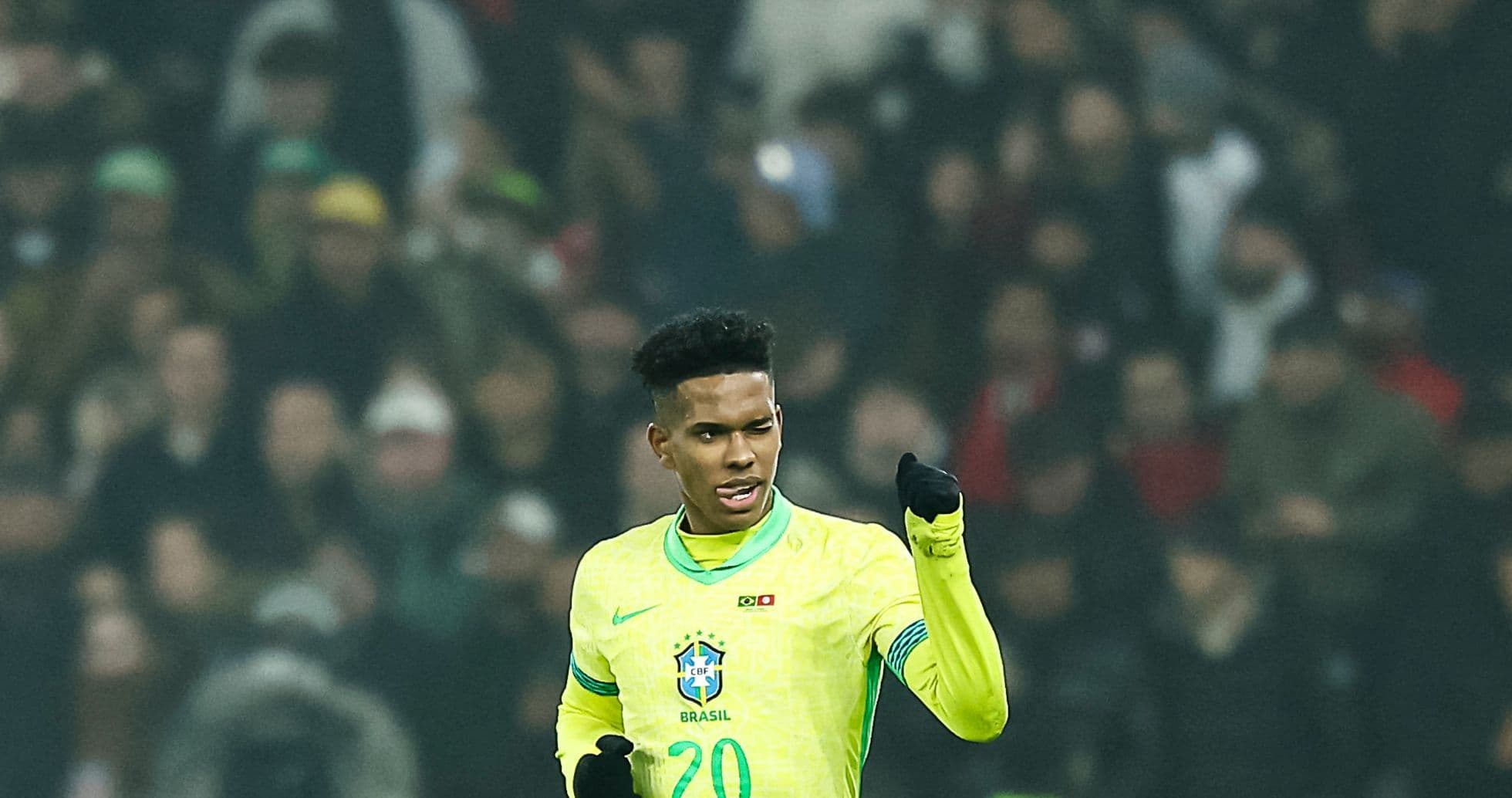
Estevao Opens Up on World Cup Heartbreak and His Unexpected Return to Brazil Under Ancelotti

Thomas Tuchel Shares Unusual Regret After England's 10-Man World Cup Victory Over Mexico

South Korea Names Robert Moreno as Interim Coach After World Cup Exit

Jude Bellingham Returns to Form at Real Madrid Following World Cup Success