
Japan Faces Brazil Without Kubo: A Test of Depth and Resolve
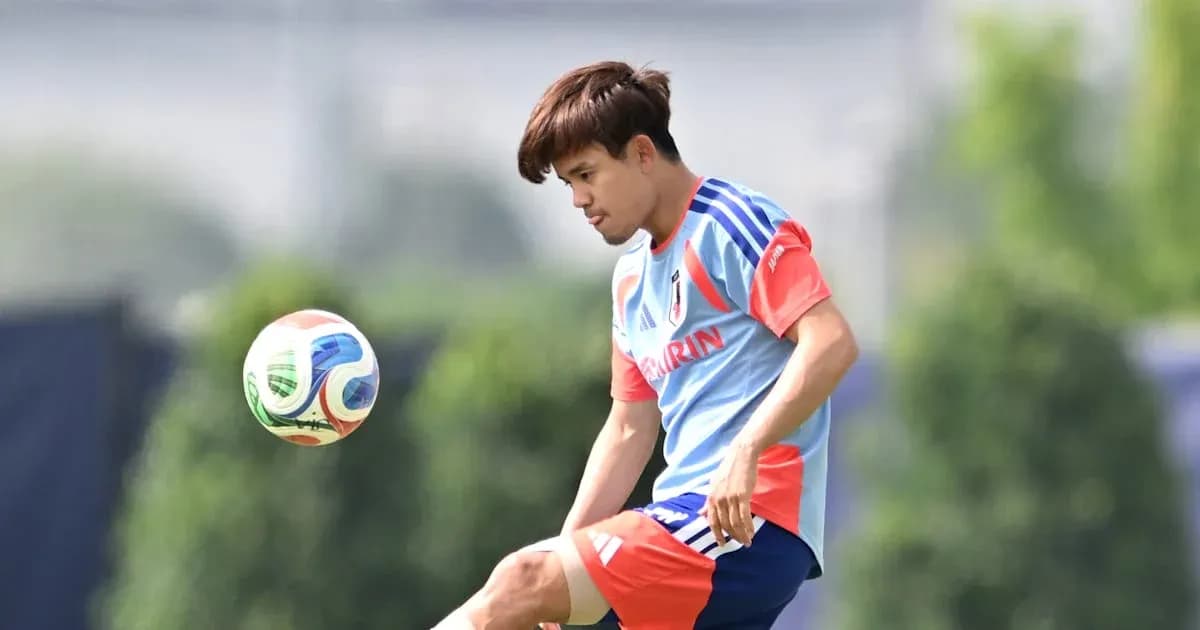
On the eve of the biggest night of their footballing lives, Japan walked into the media room with a limp.
Kubo Takefusa called out, “I’m good,” when asked about the left knee that has wrapped itself around the nation’s nerves. The words sounded defiant. The reality is harsher.
Since crumpling in the tournament-opening draw with the Netherlands, Kubo has barely touched a ball in anger. His knee is heavily strapped, his workload reduced to rehab sessions and solitary runs. The Real Sociedad playmaker, the man meant to light up this World Cup for Japan, has been reduced to a spectator.
And on Sunday, Moriyasu Hajime made it official.
“Kubo will not play in the Brazil game,” the Japan coach said, matter-of-factly, at the pre-match press conference.
A country that plans to stay awake until 1 a.m. to watch Brazil under the floodlights now has an extra question to wrestle with in the small hours: what if?
Moriyasu tried to strike the right note.
“I’m hoping for a speedy recovery and he’s doing everything he can to pick up his conditioning,” he said.
But no one around this squad pretends Kubo is just another name on the teamsheet. At 25, he brings a rare blend of imagination and incision, the kind of left-footed sorcery that can turn a tight knockout tie with a single touch. With Mitoma Kaoru, captain Endo Wataru and Minamino Takumi already sidelined, Kubo had begun to emerge as one of the dressing room’s natural voices, his influence stretching beyond the white lines of training.
Losing him on the eve of Brazil is a gut punch.
Yet this Japan side has built its campaign on something sturdier than one man’s knee. Depth has been their quiet weapon. Moriyasu has trusted his bench to such an extent that he has used all but three members of his 26-man squad so far, the only outfielders yet to appear being the two reserve goalkeepers. Whoever steps in has largely kept the standard high; the drop-off many feared has not really materialised.
For Japan, “next man up” is not a slogan printed on a T-shirt. It is how they have survived this World Cup.
The challenge now is whether that mentality can withstand the weight of the yellow shirts waiting across the halfway line.
Japan have not come here to bow politely and exit gracefully. They have said, out loud, that they believe they can beat Brazil. They have talked about winning the World Cup, not just making up the numbers in the round of 32. That posture was underlined by Wolfsburg striker Shiogai Kento, who was asked to name the strongest teams at this tournament.
He picked France. He picked Argentina. He did not pick Brazil.
“You don’t really hear about Brazil lately,” he said, a line that would have sounded like blasphemy to an older generation of Japanese fans.
Pressed on Neymar, who has tormented Japan in the past with nine goals in five appearances, Shiogai did not flinch.
“That’s Neymar of the old. I think we’re OK right now.”
It is a remarkable shift in tone when set against the country’s footballing history. When the J.League kicked off 33 years ago, Brazil were the gold standard, the model everyone tried to copy. Brazilian stars and coaches flowed into Japan. The public watched the Selecao and Joga Bonito with something close to reverence.
Back then, the idea of a Japanese striker casually brushing aside Brazil’s aura, or dismissing Neymar’s threat with a shrug, would have been unthinkable.
Now, it sounds like the voice of a new Japan: less starstruck, more stubborn, and perhaps just naïve enough to believe.
They will go into the night without their most gifted playmaker, trusting that the collective they have crafted can carry the load he leaves behind. The stage is set, the doubts are clear, the bravado is real.
Whether the result has changed as much as the attitude, we are about to discover.
Related News
Anthony Joshua Names Murat Gassiev as Next Opponent if He Defeats Tyson Fury
UFC 332: Start Time and Fight Highlights for Natalia Silva vs. Wang Cong
Court McGee Opens Up About Choosing UFC 332 as His Final MMA Fight
WBC Orders Lightweight Title Unification: William Zepeda vs Jadier Herrera
BCCI Pension List: Monthly Payments to Retired Indian Cricketers in 2025
Why Fury vs Joshua Is Set for Cardiff, and Dua Lipa’s Unexpected Role