
Jordy Bos Redefines Right-Back Role in World Cup Performance
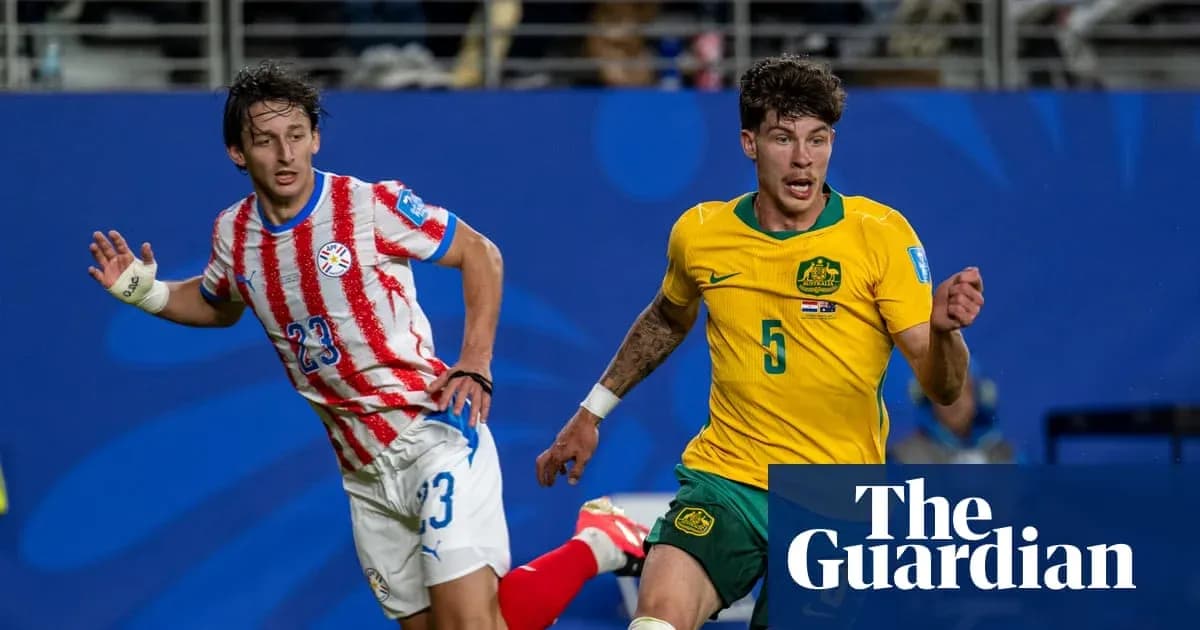
Jordan Bos did not so much play right-back as rip the position up and redraw it.
He came charging again down that flank, a natural left-back thundering along the opposite touchline, skipping one challenge, riding another, forcing his way into the box. Every surge dragged Australia up the pitch. Every stride seemed to lift the 12,000 yellow shirts around the stadium.
At 0-0 with Paraguay on a cool night by the San Francisco Bay, the Socceroos were edging, minute by nervous minute, towards the World Cup last 32. The clock moved slowly. Julio Enciso did not. Each time the Paraguayan playmaker found space, each time Patrick Beach had to fling himself into another save, the distance to the knockout rounds felt that little bit longer.
Tony Popovic started glancing at his watch. So close. So vulnerable. One mistake from the brink.
The Australians in the stands had long stopped sitting. They watched the numbers on the scoreboard as intently as they watched the ball, clinging to every clearance, every interception, every desperate block. A goal was not essential in the race for second in Group D. A pulse was. After the flat defeat to the United States, this campaign needed something to believe in.
It found Jordy Bos.
A few kilometres from Google’s Mountain View headquarters, the Socceroos’ search returned one emphatic answer. Time after time, Bos took the ball and simply ran, gliding past one defender, brushing off another, eating up ground. With every metre gained, he pushed Paraguay back and pushed Australia away from danger.
Cristian Volpato, his lively partner in the first half, was withdrawn. Nestory Irankunda, the match-winner against Turkey, also went to the bench. The attacking stars changed; the pattern did not. Bos kept coming, hammering into duels, driving into the area, refusing to let the tempo drop.
Ajdin Hrustic, introduced on the right wing, had the perfect vantage point to watch a breakout World Cup performance. “He’s a great player, he’s got power, you’ve seen it,” he said, as if everyone had just been shown the same secret. Aiden O’Neill collected the player of the match award but looked almost embarrassed, openly admitting it probably belonged to the rampaging full-back.
Harry Souttar went a step further. The captain called Bos “a special player, a special guy, and just takes everything in his stride” before adding a line that drew laughs but carried a truth about the defender’s physical presence: “The guy’s body’s just unbelievable to look at. I don’t want to obviously put too much pressure on him, but if he keeps performing like that and there’s no ceiling.”
The praise only escalated. Milos Degenek labelled Bos already one of the top five left-backs in the world, and the best at his age. “That’s my opinion, I’m very biased, and I love him,” he said. When a journalist pushed him on where Bos ranked as a right-back, Degenek grinned and shot back: “Top 10.”
Irankunda went even higher. “He’s the best player in the world, Jordy Bos, best winger in the world,” he declared. “He might have to switch to a winger, in my opinion. He’s done so well at right-back today, but he got so high up the pitch today and he showed glimpses of what he can do with the ball.”
That Bos was doing this from right-back at all was the first surprise of the night. Popovic had specialists available on that side in Kai Trewin and Jason Geria. He chose instead to flip his left-back and trust what he had seen in Belgium with Westerlo, and in a 30-minute cameo against New Zealand nine months earlier. “We’ve seen that he can adapt and play on that side,” Popovic said. “It’s the best game he’s played of the three [World Cup matches] by far.”
Bos arrived at this tournament as one of the most polished players in the squad, his season in the Dutch Eredivisie already a solid reference point. At 23, he embodied the promise of a young Socceroos group still learning the rhythms of major tournament football.
Until this night, his World Cup had been steady rather than spectacular. This was the detonation. Out of position. One yellow card from suspension. No margin for error, and no sign that he cared.
The transformation of the left-footer on the right flank had already prompted Hrustic to nickname him “Dani Alves” in training, a nod to the Brazilian who redefined the attacking full-back. Others reached for Arjen Robben, the iconic left-footed right winger. Bos brushed those labels away with a smile. “Unfortunately I didn’t score like him, but I tried,” he said.
He did everything else. By full-time, no Australian had taken more shots than Bos, his three attempts a reflection of just how high he played. He created the joint-most chances. He completed four dribbles. He won more duels than anyone on the pitch, including seven of nine in the air. “I was enjoying it too, honestly, tonight,” he admitted.
The comparison that has followed him most often is Gareth Bale, another left-back who stormed up the pitch and never really stopped, turning into a right-sided force of nature for Tottenham and Real Madrid. Bale’s game thrived on raw athleticism and explosive power. On this evidence, Bos carries that same blueprint.
Asked which of the greats he sees most of himself in, Bos eventually settled on two. “Yeah, Robben … I don’t mind Bale, to be honest,” he said.
Those debates will roll on. Dani Alves. Robben. Bale. Top five, top ten, best in the world. For the Socceroos, the labels hardly matter.
On this night in California, with a World Cup campaign in the balance, Jordy Bos did not look like the next anyone.
He looked like the first Jordy Bos.
Related News
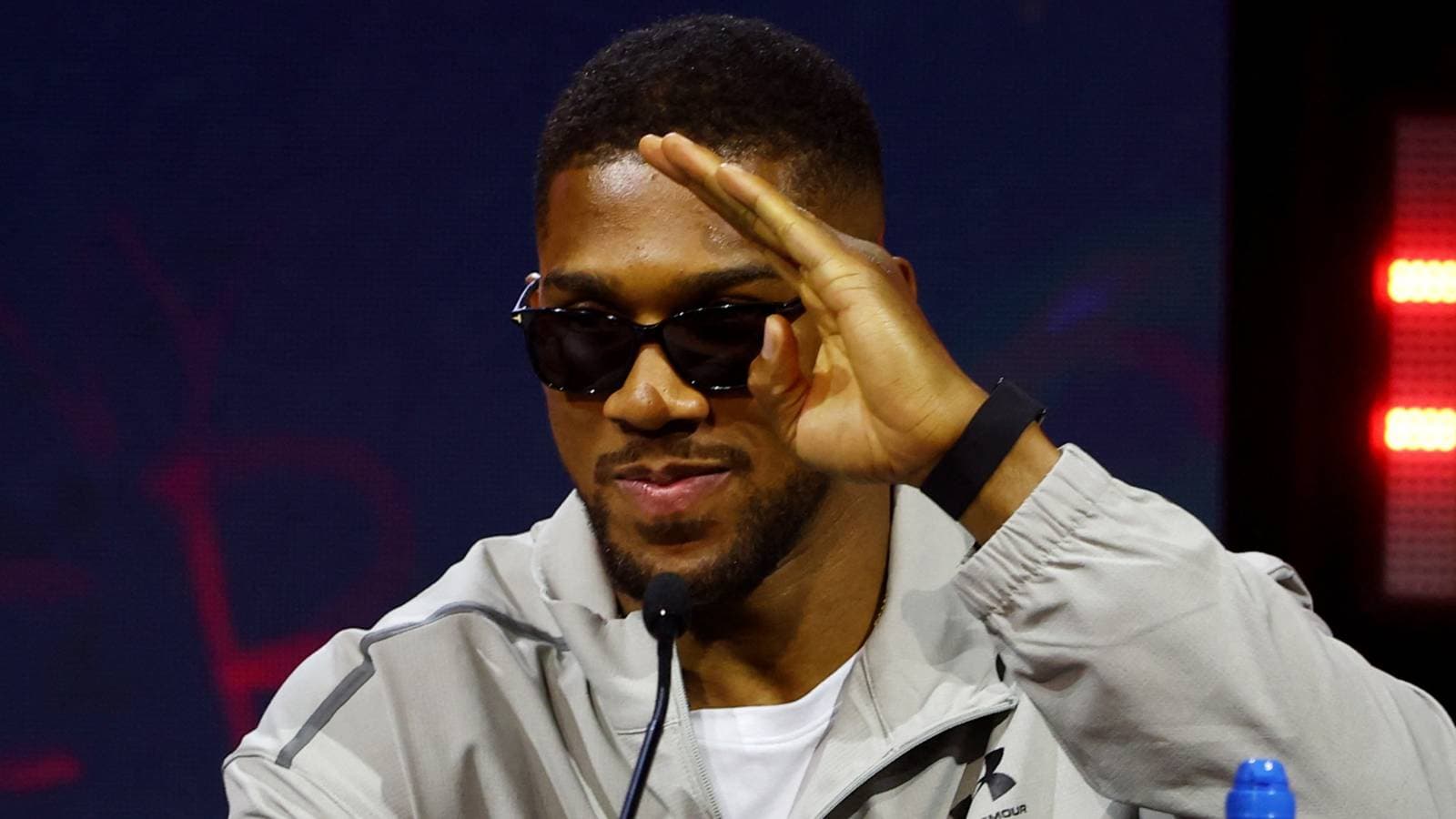
Anthony Joshua Names Murat Gassiev as Next Opponent if He Defeats Tyson Fury

UFC 332: Start Time and Fight Highlights for Natalia Silva vs. Wang Cong
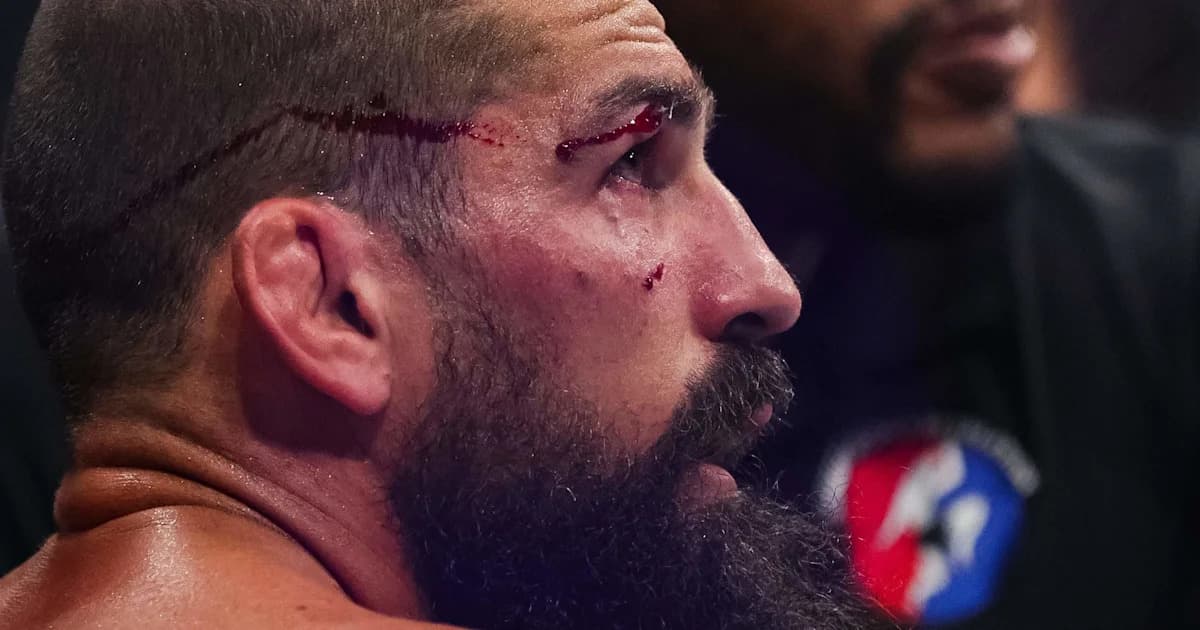
Court McGee Opens Up About Choosing UFC 332 as His Final MMA Fight
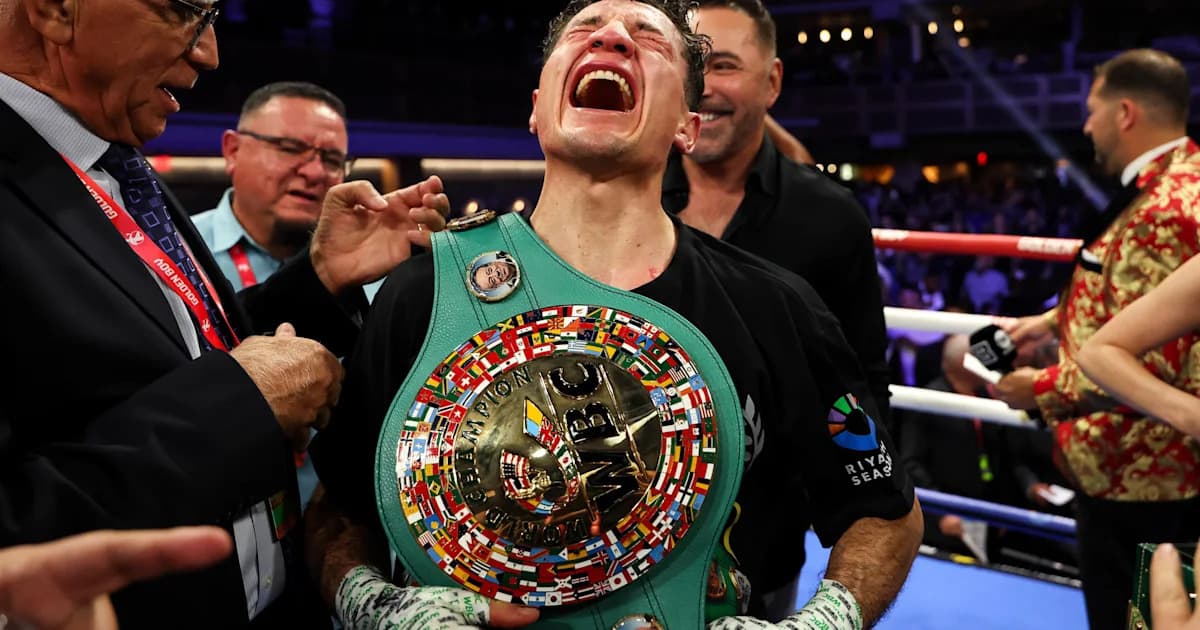
WBC Orders Lightweight Title Unification: William Zepeda vs Jadier Herrera
BCCI Pension List: Monthly Payments to Retired Indian Cricketers in 2025
Why Fury vs Joshua Is Set for Cardiff, and Dua Lipa’s Unexpected Role